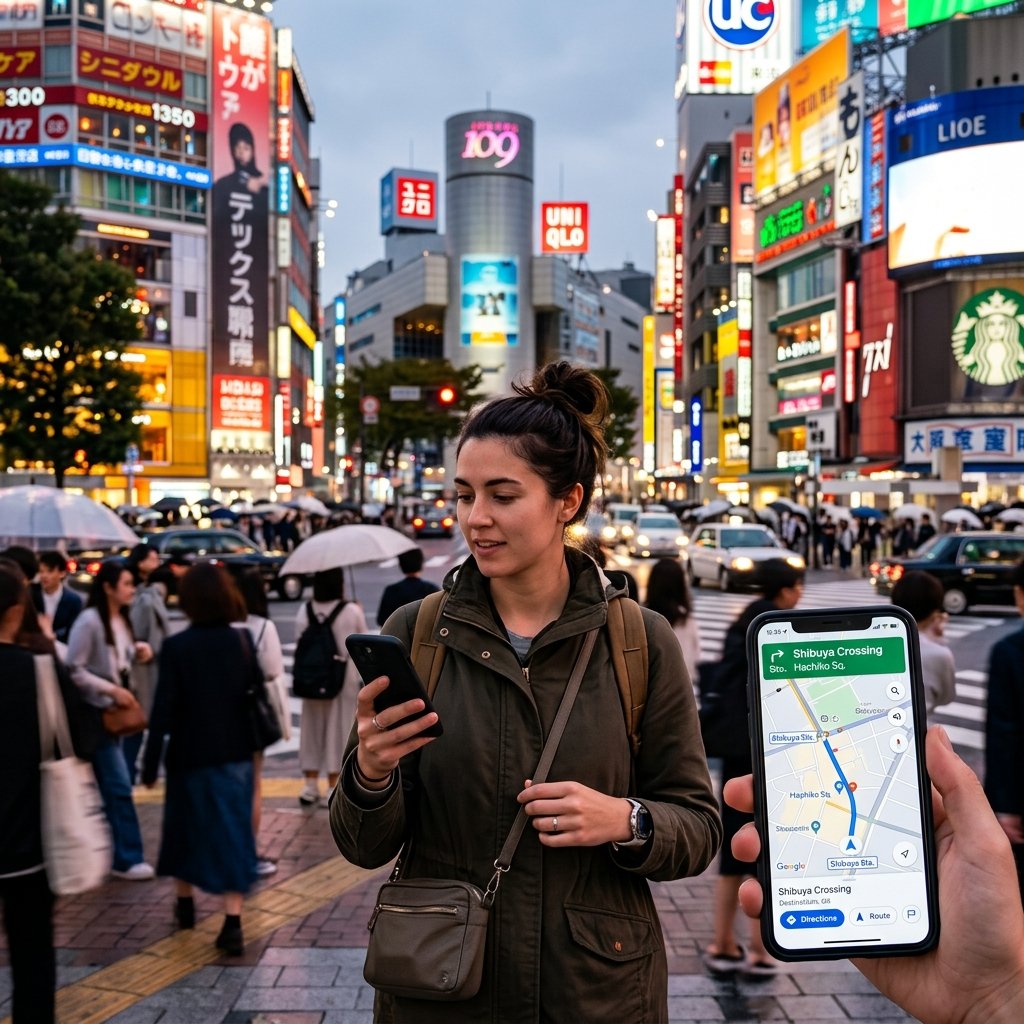
A reduction in regional cost-of-living allowances and fluctuating foreign exchange rates are shifting travel budgeting realities in Japan for 2026. Visitors can optimize their trip expenses by adopting local cashless payment solutions, using regional transit passes, and setting up digital mobile connectivity to avoid high local retail surcharges.
Last reviewed/updated: July 2026 | Based on recent cost indicators from the Ministry of Finance.
Key Takeaways
- Budget Squeeze: Accommodation prices in major metropolitan hubs (Tokyo, Osaka) remain elevated.
- Cashless Convenience: Mobile IC cards (Suica, Pasmo) are now widely accepted for minor transactions.
- Exchange Rates: Monitor real-time currency conversions to avoid high airport exchange fees.
- eSIM Backup: Keep your mobile data online to track real-time transit pricing and discount coupons.
Japan Travel Expense & Cashless Options
The table below summarizes local cost impacts and money-saving actions for visitors to Japan as of July 2026:
| Expense Type | Cost Impact Status | Money-Saving Action Required |
|---|---|---|
| ? Transit & Shinkansen | High Ticket Prices | Buy regional JR Passes online prior to landing. Load digital IC cards to your phone wallet. |
| ? Daily Dining & Food | Moderate / Stable | Use cashless payment apps or IC cards at convenience stores (Konbini) for budget meals. |
Navigating Japan’s Travel Costs & Money Hacks
While Japan has historically been considered an expensive destination, recent exchange rate trends make it highly accessible for foreign travelers. However, regional cost-of-living adjustments mean that local services, including taxi fares and admission tickets to popular attractions, have experienced minor price rises. Carrying a mix of cash (Yen) and digital payment methods is recommended.
Many traditional restaurants and shrines in historic areas like Kyoto still only accept physical cash. To avoid high ATM fees, withdraw money from 7-Eleven (Seven Bank) ATMs using international credit cards, as they offer the lowest transaction fees and favorable exchange rates in the country.
Pro-Tip: Cashless Survival with Japanese eSIM
Pro-Tip for Travelers: Digital IC cards (like Mobile Suica) require an active internet connection to load funds using Apple Pay or Google Pay. Set up a Japan eSIM before departure to ensure you have high-speed data at the airport terminal to instantly load and use your digital transit cards.
(Note: For details on local financial infrastructure, refer to the official Ministry of Finance (Japan) on Wikipedia for reference.)
Frequently Asked Questions
Q1: Can I reload my physical Suica card at any ticket machine?
A1: Yes. ticket machines in all JR stations support cash reloading for physical IC cards. However, digital mobile IC cards must be reloaded directly through your phone wallet.
Q2: Do I need to tip at Japanese restaurants?
A2: No, tipping is not practiced in Japan. Exceptional service is included in the bill, and offering cash tips can cause confusion or polite refusal.
 Japan eSIM Travel Data Card