Colombia is a land of breathtaking contrasts, where the emerald peaks of the Andes give way to vibrant, brick-built cities and rolling coffee plantations. Yet, for all its cultural warmth and physical beauty, visiting this South American gem requires a keen awareness of local security practices and immigration rules. Navigating metropolitan safety, catching safe rides, and experiencing local cultural traditions requires a practical checklist before you depart.
1. Colombia Entry Guidelines: Filling out the Check-Mig Form
Entering Colombia requires preparing your digital declarations before boarding your flight. The government enforces a strict electronic border registry called the Check-Mig form.
2. The 72-Hour Submission Window & Immigration Portals
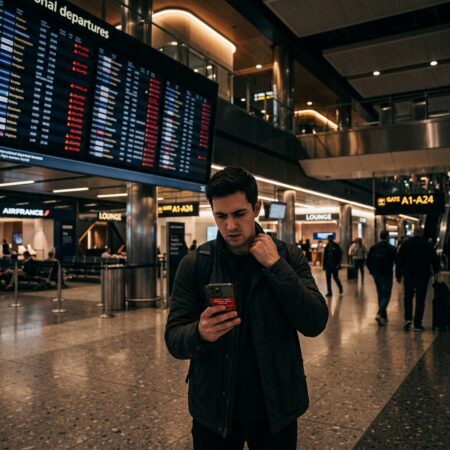
Every traveler must fill out the Check-Mig form online via the official portal of Migración Colombia. The form must be submitted within 72 hours before your flight departure. Fail to show the confirmation PDF at check-in, and your airline will deny you boarding. For official visa guidelines and immigration changes, consult the Migración Colombia Portal.
3. Street Safety Rules: The Local Law of “No Dar Papaya”
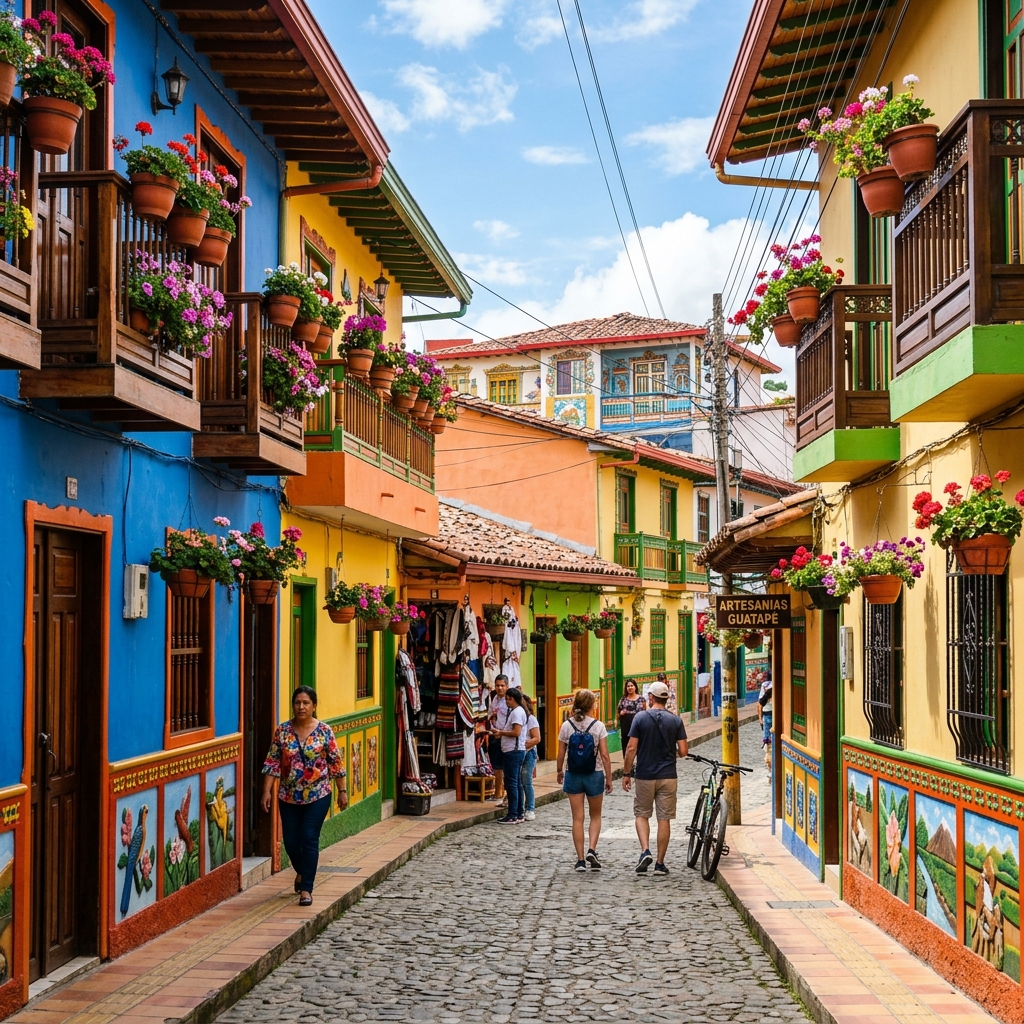
The most famous security advice in Colombia is encapsulated in a single, local proverb: “No dar papaya.” Translated literally as “don’t give papaya,” it means do not put yourself in a vulnerable position or show off your valuables.
4. High-Risk Areas & Security Practices in Bogotá and Medellín
To avoid becoming a target for street thefts, keep your smartphone, camera, and luxury watches out of sight while walking. In Bogotá, exercise caution in areas like La Candelaria at night, sticking to well-populated streets. In Medellín, keep your wits about you in nightlife hubs like Parque Lleras or Provenza, where distraction scams are common.

5. Preventing Taxi Scams: Registered App Transit in Colombia
Hailing a yellow cab off the street in Colombia can expose you to aggressive taximeter manipulation or express kidnappings. Yellow street taxis are notorious for targeting foreign tourists.
To protect your safety, always utilize app-based ride-hailing services. Cabify and Uber are widely popular in cities like Bogotá, Medellín, and Cali. If you prefer to ride in a standard taxi, book it exclusively through the Taxis Libres app, which tracks your route and establishes pricing upfront. This ensures that you have a registered driver profile and a digital paper trail of your trip.

6. Playing Tejo: Colombia’s Explosive National Sport
If you want to experience authentic Colombian culture, you must visit a local cancha de tejo to play the country’s national sport. Tejo is an explosive game that involves clay, steel discs, and gunpowder. Check the r/Colombia community on Reddit for local advice.
7. Tejo Hall Etiquette: Gunpowder Targets & Social Customs
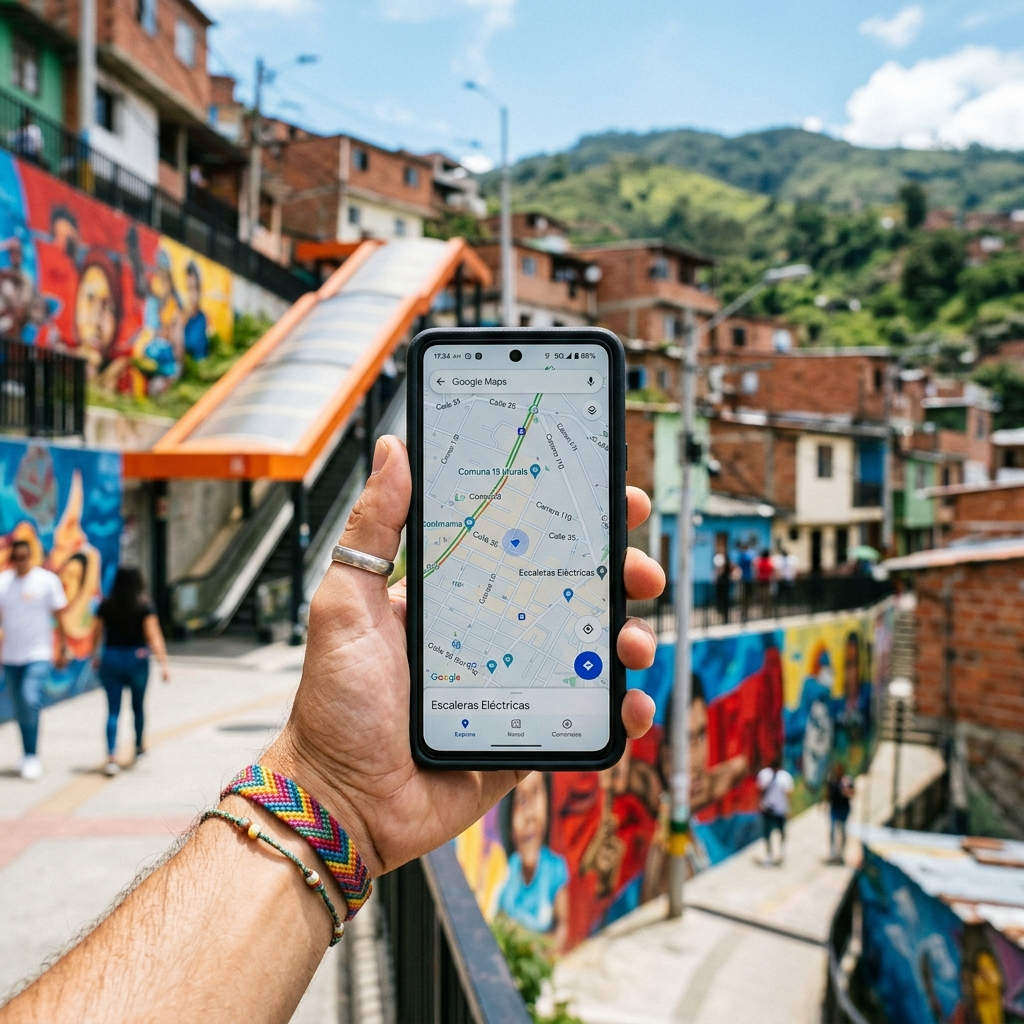
Players throw a heavy steel puck (the tejo) from a distance of about 20 meters, aiming for small, paper-wrapped gunpowder targets (mechas) arranged on a clay board. A successful hit triggers a loud explosion, scoring major points. Tejo halls are highly social environments where local beer (such as Águila or Club Colombia) flows freely, making it a must-try cultural experience.
8. Seamless Connectivity: Safe Cash Withdrawals & eSIM Setup
While credit cards are common in Colombian hotels and malls, cash is mandatory for street vendors, taxi apps, and small towns. Carry Colombian Pesos (COP) for day-to-day transactions.
To get cash, use ATMs housed inside bank branches (like Bancolombia, BBVA, or Davivienda) to prevent card skimming. When prompted by the ATM, always choose to be billed in local currency (COP) to decline Dynamic Currency Conversion (DCC), which carries high conversion rates. To stay connected, purchase a pre-arrival Colombia eSIM. This gives you instant access to Claro’s 5G network upon arrival without the need for local biometric ID registration, ensuring you can book rides and navigate safely.

Frequently Asked Questions (FAQ)
Is the Check-Mig form mandatory for entering Colombia?
Yes, the Check-Mig form is completely mandatory for all international travelers entering or leaving Colombia. It must be completed online within 72 hours before your flight departure.
What does the Colombian phrase ‘No dar papaya’ mean?
It is a safety proverb that literally means ‘Don’t give papaya’—essentially, do not show off your valuables (like phones, cameras, or cash) and don’t make yourself an easy target for opportunistic street theft.
Is it safe to hail yellow taxis off the street in Colombia?
No, hailing taxis on the street is discouraged, especially at night, due to scams and safety risks. It is far safer to book rides through registered apps like Cabify, Uber, or Taxis Libres.
Does a travel eSIM require passport registration in Colombia?
No, a travel eSIM routes your data through external networks, allowing you to connect directly to Claro or Movistar 5G without going through local biometric passport registration.
 Colombia eSim