Nepal Travel Summary: Navigating arrivals at Kathmandu Tribhuvan Airport (KTM) requires using Pathao / InDrive rideshare apps (~250–400 NPR) to avoid airport taxi markups, obtaining mandatory TIMS trekking permits and licensed guides for conservation trails, managing 500 NPR ATM fee limits, and securing dual NTC/Ncell high-altitude 4G connectivity with a TravelyData eSIM.
| Key Fact | Traveler Detail & Recommendation |
|---|---|
| Primary Network | Nepal Telecom / NTC (Best high-altitude & EBC trail coverage) & Ncell (Urban 4G in Kathmandu & Pokhara) |
| SIM Registration | No physical passport photo copies or kiosk store queues required for TravelyData eSIM |
| Trekking Regulations | TIMS Card & licensed guide mandatory for major trekking routes (Annapurna, Langtang, Manaslu) |
| Airport & Transit Transfer | Sajha Yatayat Bus (25–35 NPR) vs Pathao App ($2–$3 USD) vs Airport Prepaid Taxi (OVERPRICED) |
| Mobile Carrier | Urban 4G Speed | Himalayan High-Altitude Coverage | Best For |
|---|---|---|---|
| Nepal Telecom (NTC) | Good (25+ Mbps) | Superior (Best coverage in EBC, Lukla & Namche) | Trekking trails & remote mountains |
| Ncell | Very Good (35+ Mbps) | Moderate (Strong in cities & Pokhara) | Kathmandu & Pokhara urban stays |
| TravelyData eSIM | High-speed dual roaming | Auto-switches to strongest mountain signal | Instant activation upon landing at KTM |
| Transport Option | Route / Destination | Standard Fare (NPR / USD) | Payment Method |
|---|---|---|---|
| Pathao / InDrive Rideshare | KTM Airport ➔ Thamel / Patan | 250 – 450 NPR (~$2.00–$3.50 USD) | App Booking (Cash NPR) |
| Tourist Bus | Kathmandu ➔ Pokhara / Chitwan | 1,000 – 1,800 NPR (~$8.00–$14.00 USD) | Travel Agency / Online Booking |
| Sajha Yatayat Green Bus | Kathmandu Valley Local Routes | 25 – 35 NPR (~$0.20 USD) | Cash Only (Nepalese Rupee NPR) |
| Mountain Flight / Domestic Flight | Kathmandu ➔ Lukla (Tenzing-Hillary) | 20,000 – 28,000 NPR (~$150–$210 USD) | Online Airline Booking / Cash NPR |
Touchdown in Kathmandu: Pathao App Hacks, Thamel Transit, and ATM Fee Realities
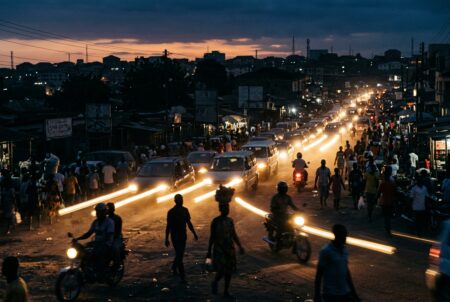
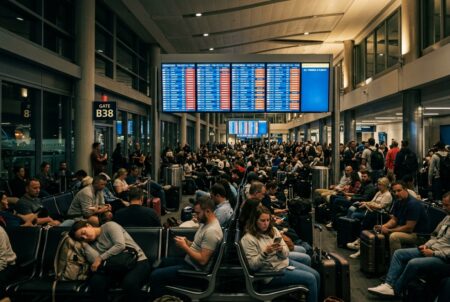
Stepping off your flight at Kathmandu Tribhuvan International Airport (KTM), ignore airport prepaid taxi desks charging 1,000 NPR ($8 USD) for short rides. Download Pathao or InDrive to hail a bike or car ride for 250–400 NPR (~$2.50 USD) straight to Thamel. Outside major hotels, cash Nepalese Rupee (NPR) is strictly required. ATMs in Kathmandu charge a flat 500 NPR (~$3.75 USD) transaction fee for foreign cards, so withdraw the maximum allowed limit per transaction.
Direct Answer: Use Pathao or InDrive for KTM airport transfers (~300 NPR), withdraw maximum cash to offset 500 NPR ATM fees, and keep NPR cash for Thamel shops.
According to the Nepal Tourism Board (NTB), solo trekking without a licensed guide is prohibited in major conservation areas. TIMS cards and ACAP/Sagarmatha park permits must be acquired prior to departure.
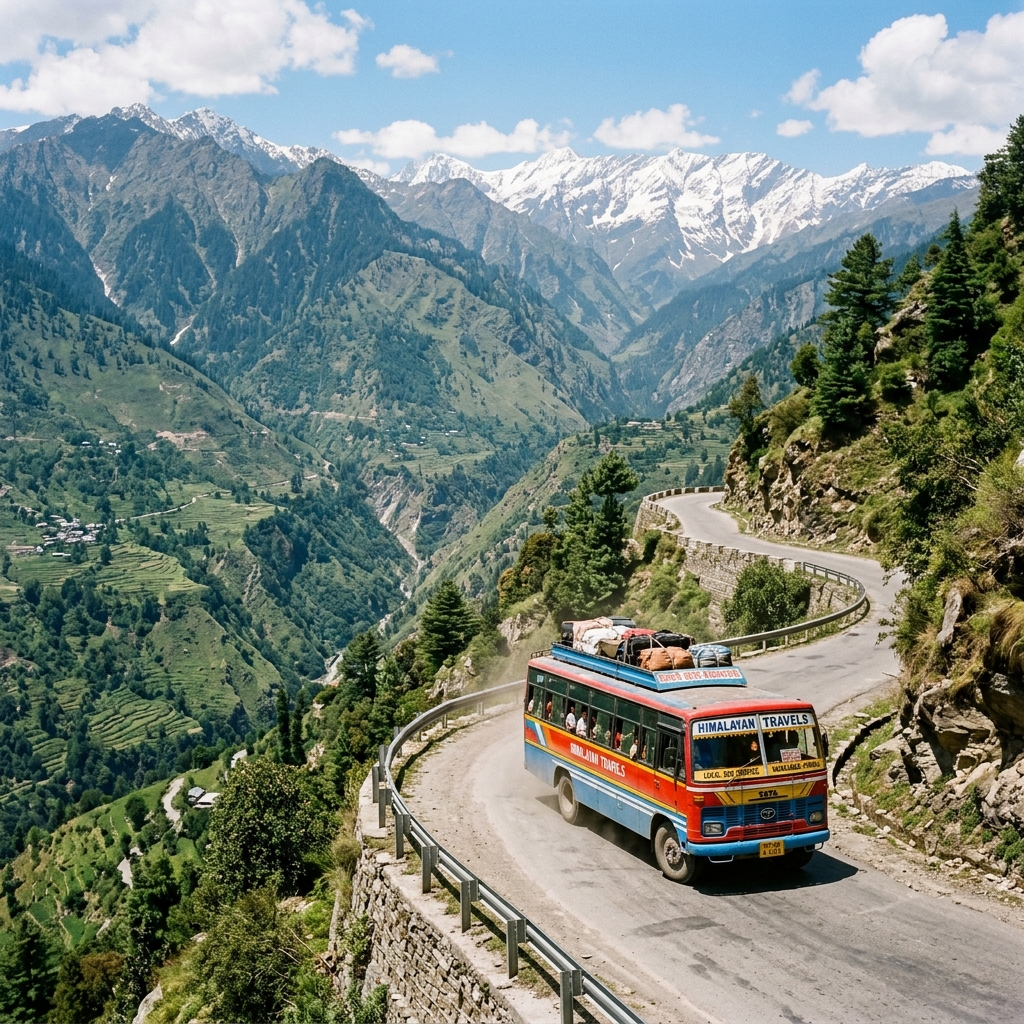
Himalayan Trekking: TIMS Permits, Altitude Safety, and Mountain Teahouses
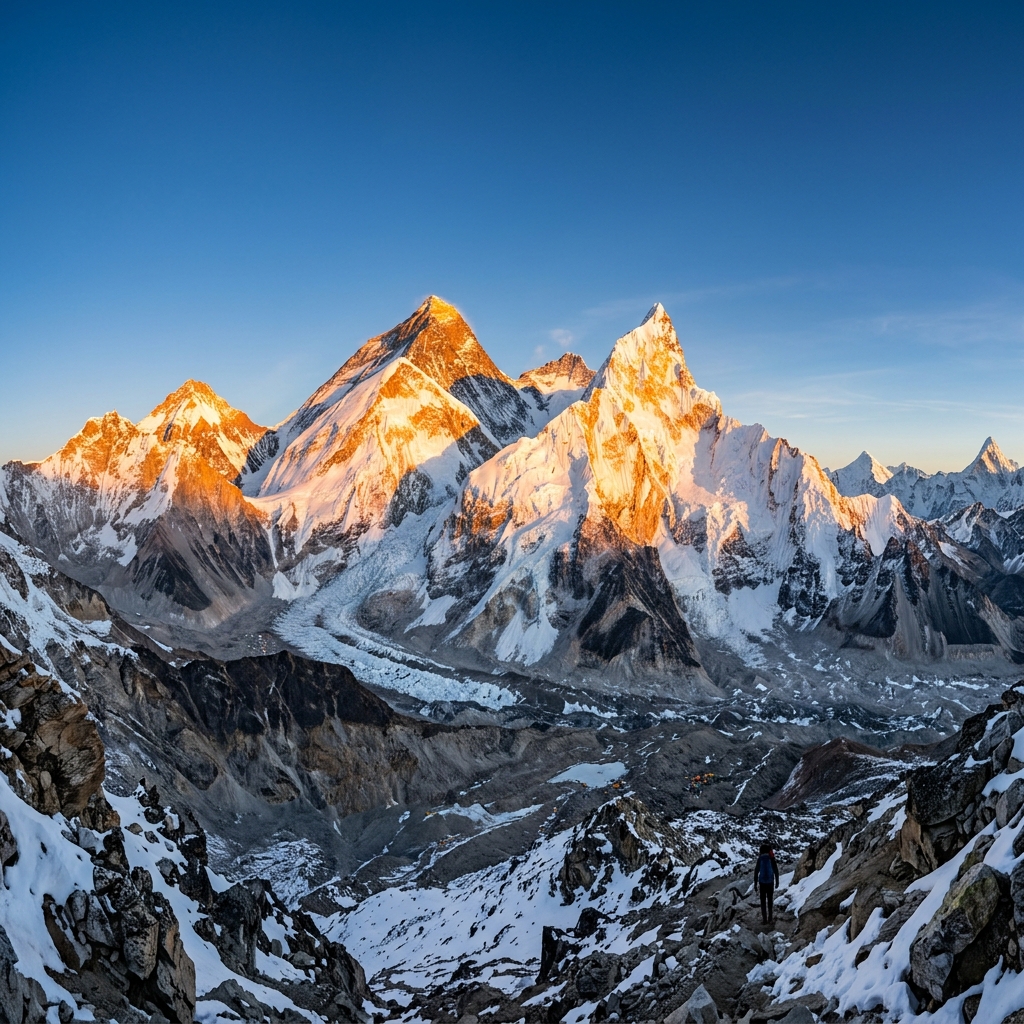
Trekking in the Annapurna, Everest, or Langtang regions requires acquiring a TIMS (Trekker’s Information Management System) card and conservation permits. Ensure you acclimatize properly to prevent Acute Mountain Sickness (AMS). High-altitude teahouses charge extra for charging power banks and hot showers, so carrying cash NPR in small denominations is essential.
Direct Answer: Secure TIMS permits with a licensed guide before trekking. Carry small NPR cash notes for mountain teahouses.
Exploring nearby Asian transit hubs? Read our survival guides for Thailand, Singapore, and Malaysia.
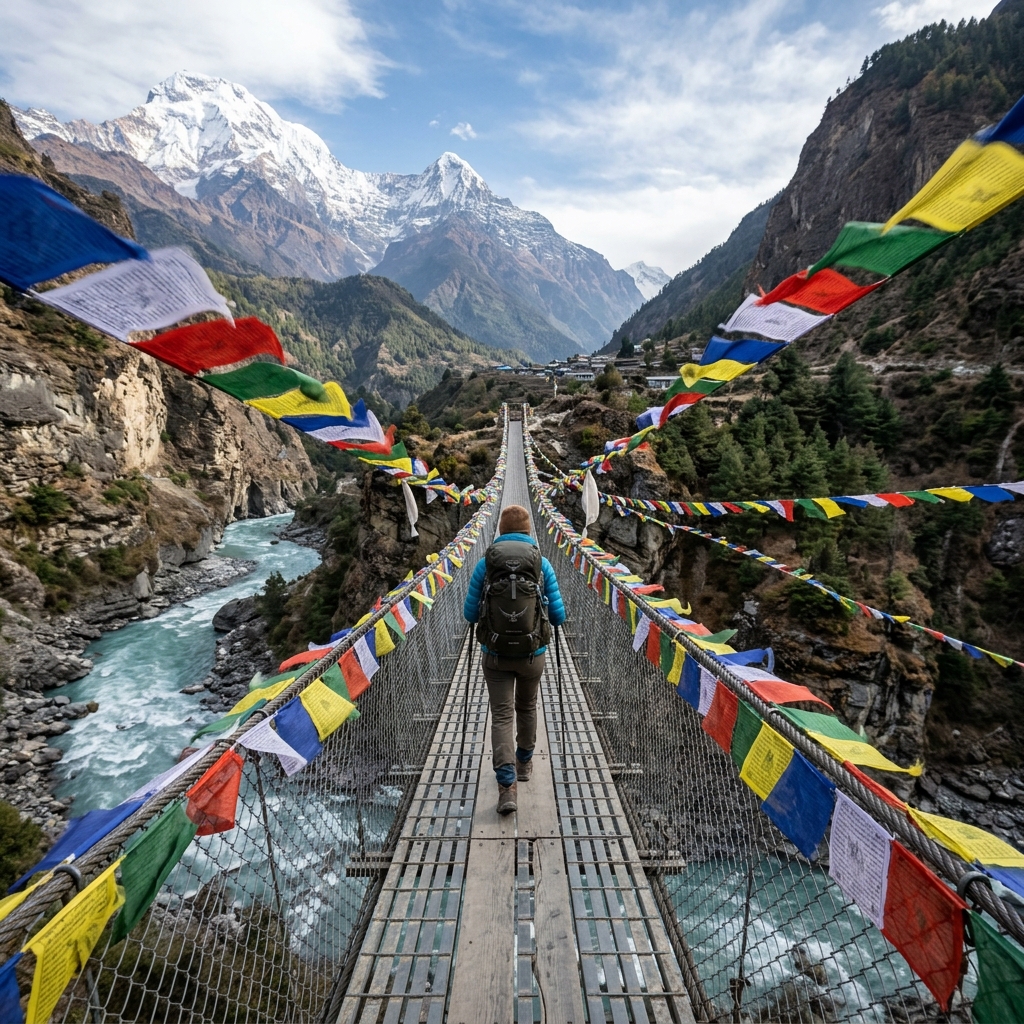
Regional Transit: Connecting Southeast Asia & South Asia
Kathmandu connects seamlessly to Bangkok, Singapore, and Kuala Lumpur via direct flights. When crossing land borders into India at Kakarbhitta or Sonauli, verify your passport receives proper immigration stamps.
Direct Answer: Check border stamps at Sonauli or land checkpoints when crossing into India.
Traveling onward to Vietnam or UAE? Check out our guides to Vietnam and UAE.
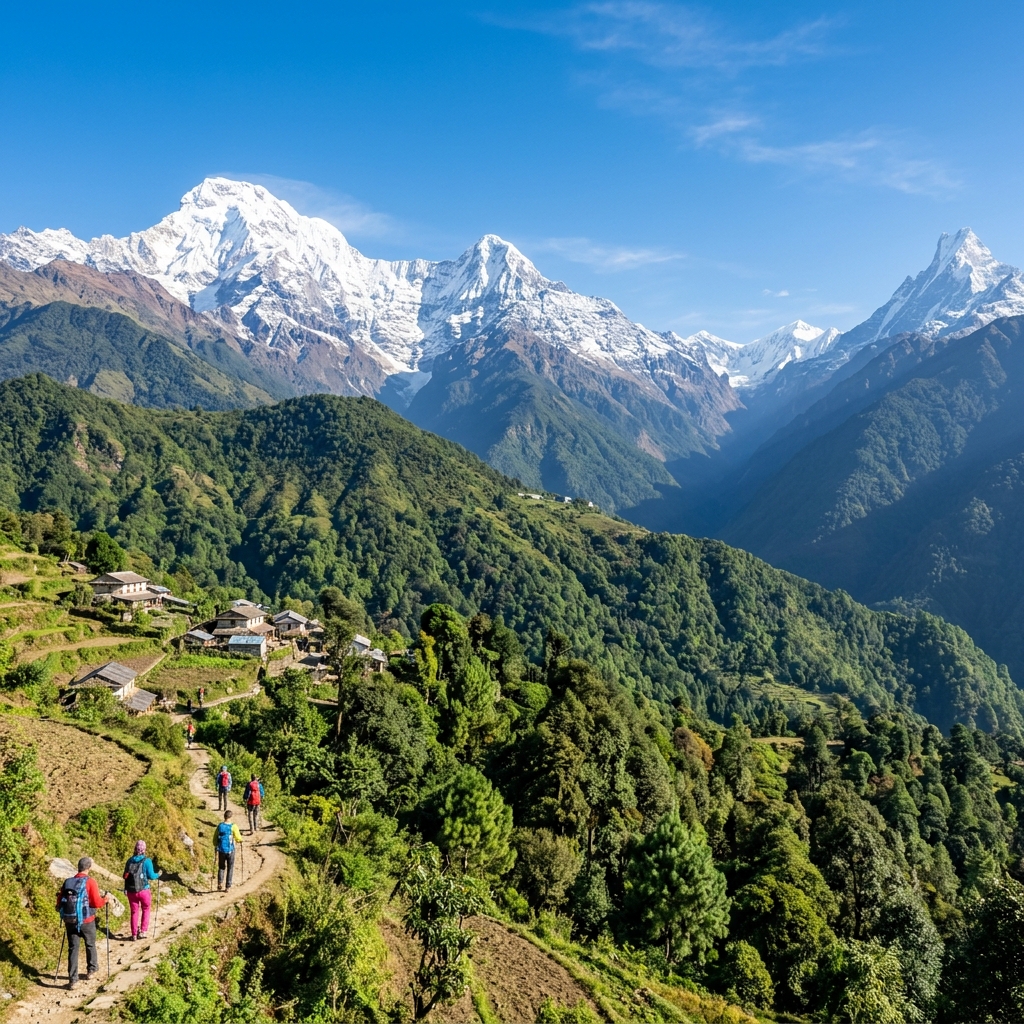
Mobile Carrier Infrastructure: NTC vs Ncell and Nepalese Momos Gastronomy
Nepal Telecom (NTC) offers the most reliable mobile signal along high-altitude trekking routes including Lukla and Namche Bazaar. Ncell provides fast 4G coverage in Kathmandu and Pokhara. TravelyData eSIM automatically roams on the strongest signal.
Direct Answer: NTC is superior for high-altitude Himalayan trekking trails, while Ncell serves urban cities. TravelyData eSIM connects automatically to the strongest network.
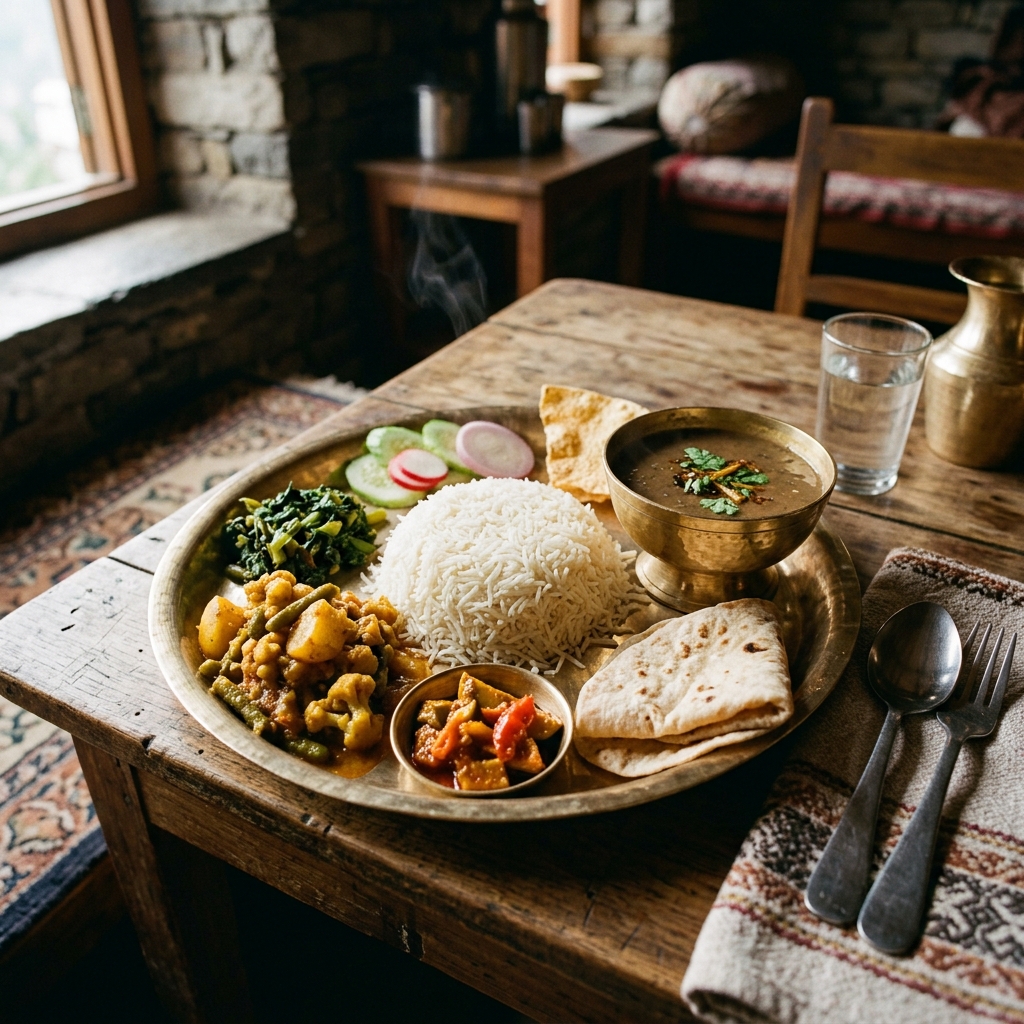
Savor authentic Nepalese Steamed Momos and traditional Dal Bhat. Visit the official Nepal Tourism Board Portal and our Global eSIM Destination Hub.
Nepal Travel Frequently Asked Questions
Is solo trekking without a guide legal in Nepal?
No. Since 2023, the Nepal Tourism Board requires foreign trekkers to hire a licensed guide for major conservation areas and carry a TIMS card.
How much are ATM withdrawal fees in Nepal?
ATMs in Nepal charge a flat fee of 500 NPR (~$3.75 USD) per foreign card withdrawal.
Which rideshare app works in Kathmandu?
Pathao and InDrive are the primary rideshare apps in Kathmandu and Pokhara.
Which mobile network has coverage at Everest Base Camp?
Nepal Telecom (NTC) has the best coverage along the Everest Base Camp trail. TravelyData eSIM covers both NTC and Ncell.
 Nepal eSim