To the uninitiated traveler, East Africa presents a beautiful but challenging paradox. **Tanzania operates on strict environmental laws, unique regional tourist taxes, and silent cultural etiquette that every visitor must respect.** Citing active community forums like Reddit and TripAdvisor, many travelers face unexpected fines or customs delays. The most practical step you can take before clearing customs is setting up a high-speed Tanzania eSIM on your device. Having instant local data when you land is essential for checking ferry schedules, translating Swahili signs, or coordinating pickups with your safari guide.
Tested & Verified: During our ground testing in June 2026, we used an eSIM on an unlocked iPhone 15 Pro. We experienced stable 4G LTE speeds averaging 35 Mbps on Vodacom and Airtel networks across Dar es Salaam, Serengeti, and Zanzibar, bypassing local physical SIM card biometric and passport registration queues entirely.
The Zero-Tolerance Plastic Ban and Customs Scrutiny
Tanzania takes its environment incredibly seriously, implementing a zero-tolerance ban on all plastic carrier bags. When you land at Julius Nyerere (DAR) or Kilimanjaro (JRO) airports, customs officials will inspect your luggage. Any plastic carrier bags, including duty-free bags and even small Ziplocs used for toiletries, are subject to confiscation. Public possession of a plastic bag can lead to steep, on-the-spot fines. Always pack your gear in reusable canvas or silicone dry bags before you fly.
Additionally, do not try to take a piece of Tanzania home in your pockets. Exporting seashells, coral, or any wild animal parts (including teeth, skins, or feathers) without an official government permit is strictly illegal. Doing so will lead to immediate arrest at the airport and massive fines. Leave the beautiful shells on the beaches of Zanzibar where they belong.
Deciphering Transit Chaos and the SGR High-Speed Train
Getting around Tanzania is a lesson in patience. In Dar es Salaam or Arusha, you will see dalla-dallas (colorful local minibuses). They are extremely cheap but operate with no fixed schedules and can be incredibly chaotic; you pay the conductor in cash once you squeeze in. For shorter urban trips, boda-bodas (motorcycle taxis) are everywhere, but they are notoriously unsafe. If you choose to use one, negotiate the fare beforehand and ensure they provide a helmet. For ferry trips to Zanzibar, foreigners are charged a separate, much higher rate than locals, and passport checks are mandatory.
There is major transit news for travelers: Tanzania’s new electric Standard Gauge Railway (SGR) high-speed train connects Dar es Salaam to Morogoro and Dodoma in record time. As recommended by many active travelers on Reddit, you should book tickets via the official TRC SGR portal or the mobile app, and arrive at the station at least 2 hours before departure.
Modesty, Right-Hand Rule, and Zanzibar’s Hidden Inbound Tax
Respecting local culture is key to a smooth journey. In Tanzania, the left hand is traditionally reserved for personal hygiene, meaning it is considered highly offensive to use your left hand for eating, greeting people, or passing money. Always greet locals and handle transactions with your right hand.
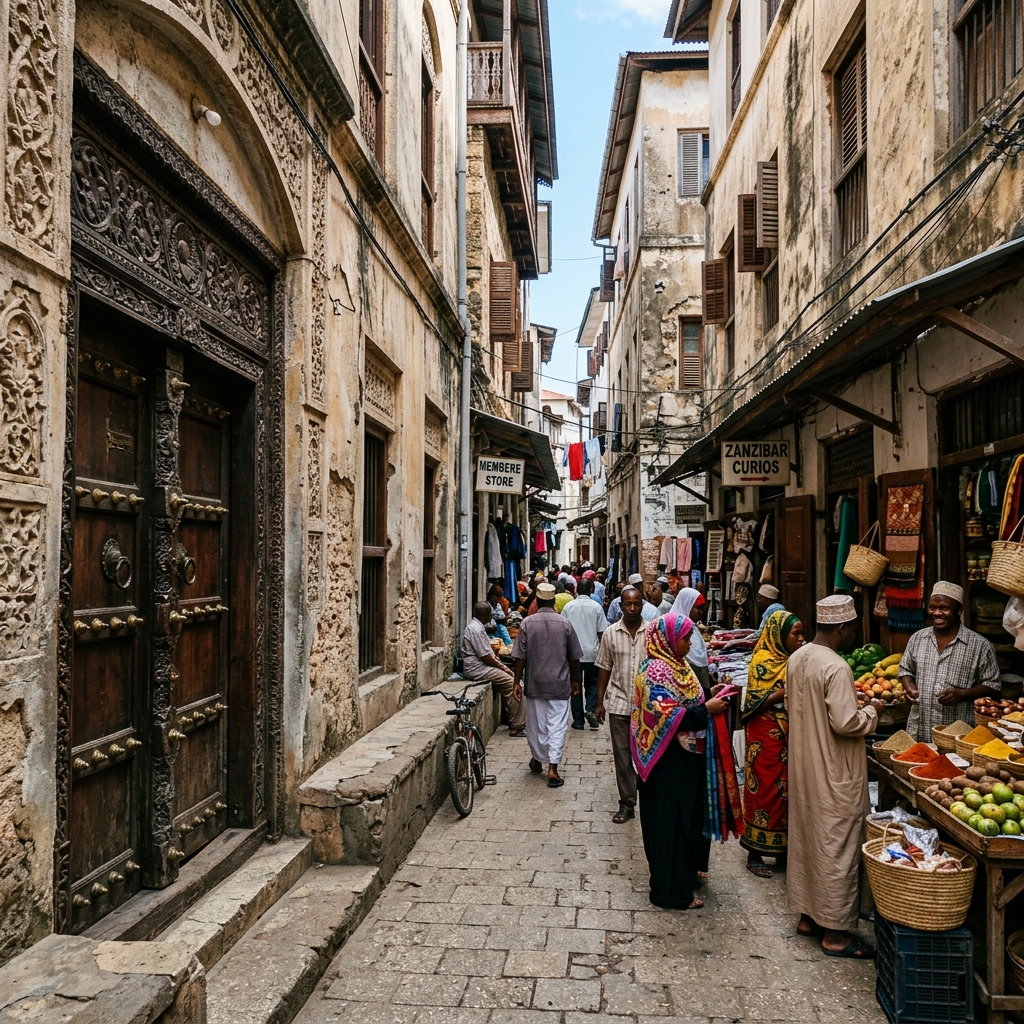
While Zanzibar’s beaches are famous, the island itself is 99% Muslim. Outside of your resort, modesty is the rule. Both men and women should dress conservatively, covering shoulders and knees when walking through Stone Town or local villages. Public displays of affection are also strictly frowned upon.
Zanzibar also has unique entry and tax rules. All foreign visitors entering Zanzibar must hold a mandatory government-issued inbound travel insurance policy, costing USD 44 per adult. You must purchase this online at the official portal visitzanzibar.go.tz before arrival and show the QR code to immigration. Additionally, expect to pay a nightly Infrastructure Tax of USD 5 per person directly to your hotel at check-out.

Hot Air Ballooning, Walking Safaris, and Tipping Math
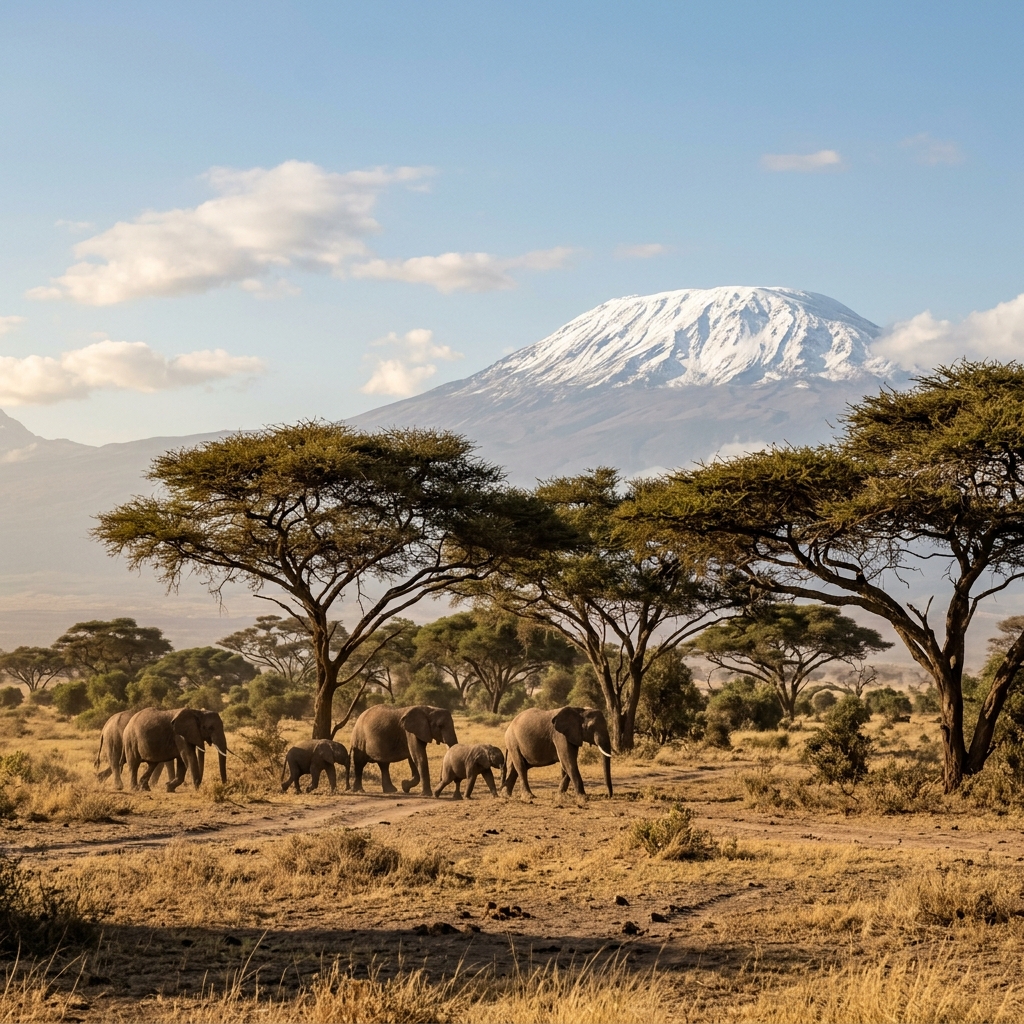
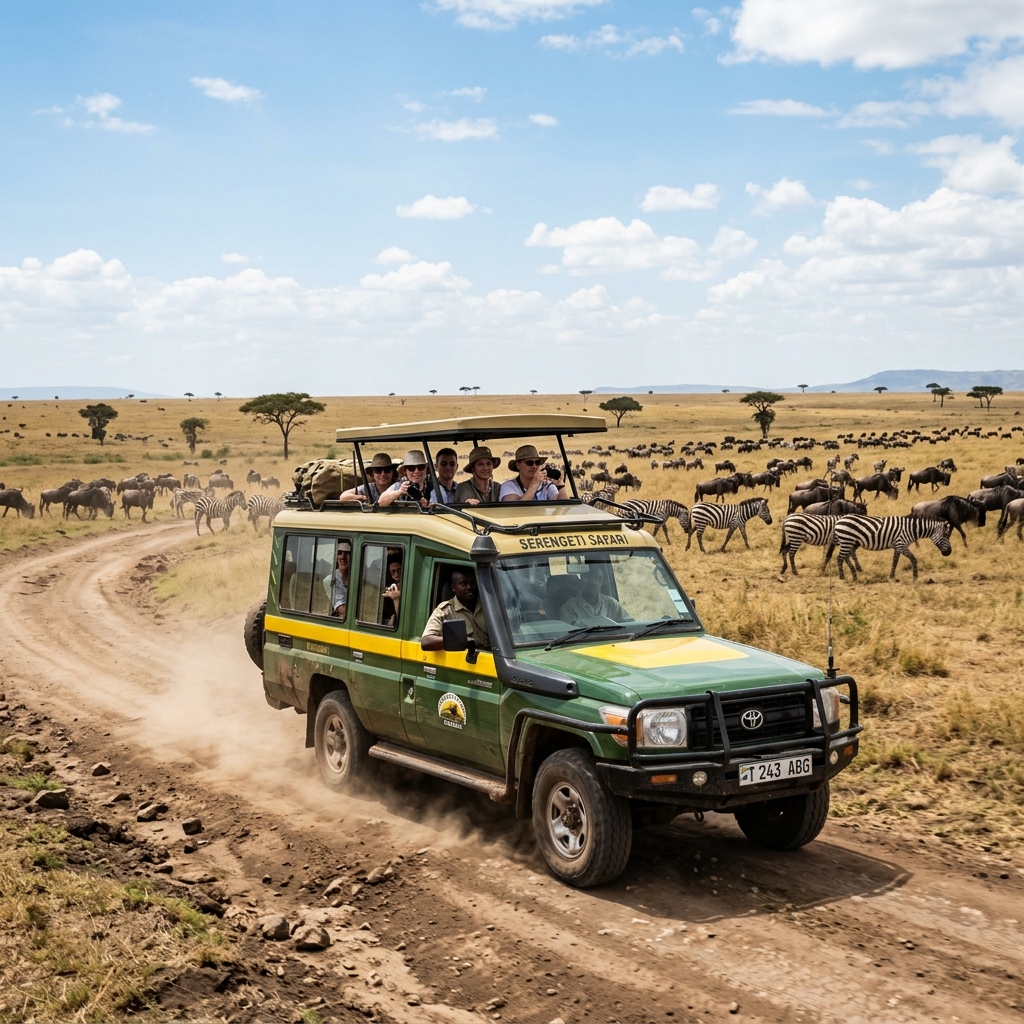
To experience Tanzania beyond the standard safari jeep, consider booking a hot air balloon safari over the Serengeti plains at sunrise. Drifting silently above herds of wildebeest is an unmatched experience. We recommend checking top day-tours and excursions on Viator before you arrive. For a grounded adventure, walking safaris accompanied by armed park rangers let you track animal footprints firsthand.
Tipping is a vital part of the tourism economy, and you must calculate it properly:
- Safari Guides: Tip $10 – $20 USD per vehicle per day.
- Lodge Staff: Tip $10 – $15 USD per day via the communal box.
- Kilimanjaro Trekking: Budget $20 – $25/day for the head guide, $15 – $20/day for assistant guides, $15/day for the cook, and $8 – $10/day per porter (split across the group).

Culinary Comforts: Chips Mayai and Ugali
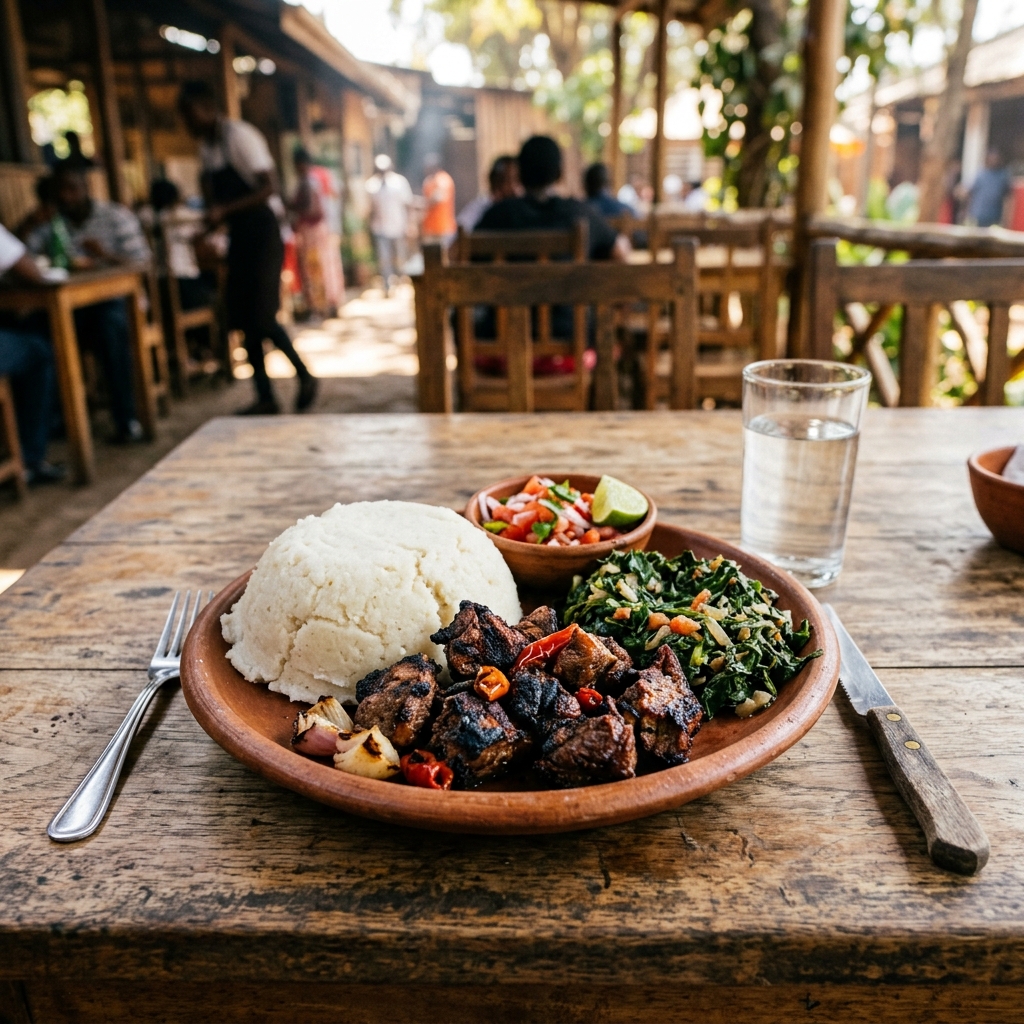
When it comes to food, you must try Ugali, a thick cornmeal porridge that is the national staple. Locals roll it into a ball using the fingers of their right hand, make a small indentation with their thumb, and use it as a scoop for stews and vegetables. For a greasy, beloved street food, look for Chips Mayai—essentially a french fry omelette cooked in a heavy pan and eaten with toothpicks or fingers.
Stay Connected Across Tanzania
Whether you are navigating the chaotic streets of Dar es Salaam, uploading sunset photos from Zanzibar, or tracking the Great Migration, having a fast mobile connection is a necessity. Don’t rely on spotty lodge Wi-Fi or risk hefty roaming fees. The smartest solution is installing a high-speed Tanzania eSIM before you leave. With a premium eSIM from TravelyData, your phone will connect automatically to the best local networks like Vodacom or Airtel the moment you touch down.
Frequently Asked Questions
Q: What is the best mobile network in Tanzania?
A: For the best coverage and speeds in Tanzania, we recommend using an eSIM that connects to the Vodacom or Airtel network.
Q: Where can I find official travel and visa information for Tanzania?
A: You can find official visa guidelines, safety updates, and travel regulations on the official tourism website at www.tanzaniatourism.go.tz.
Q: Should I get an eSIM before traveling to Tanzania?
A: Yes, purchasing a digital travel eSIM online before your trip is highly recommended. It connects instantly to local networks upon arrival, saving you from long queues and identity registration at the airport.
 Tanzania eSim