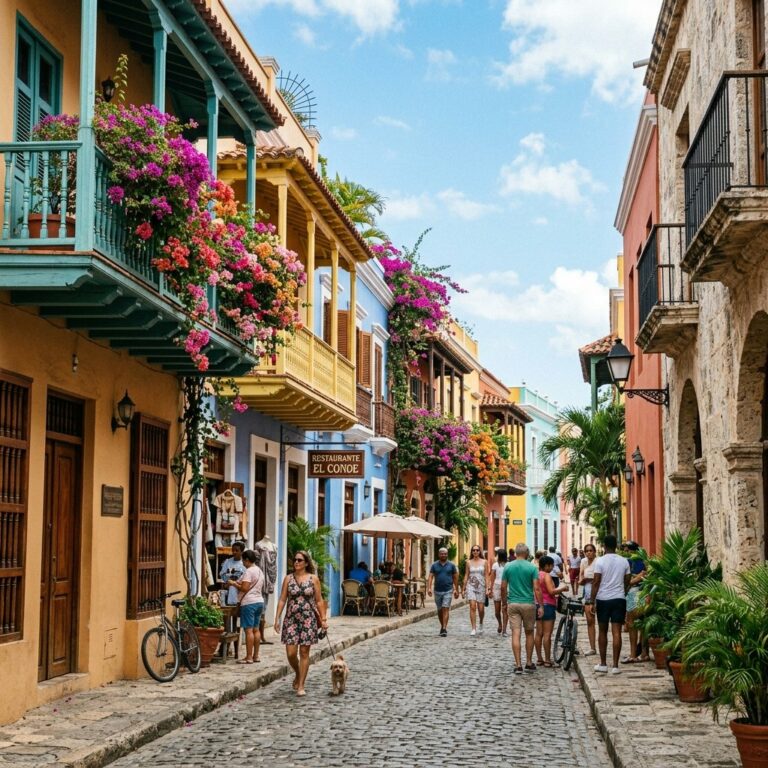
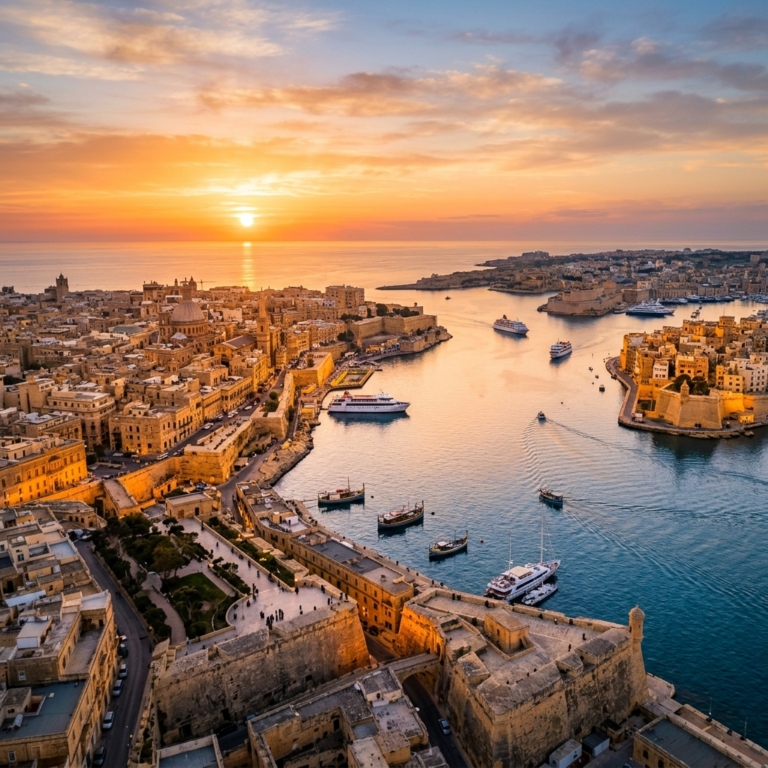
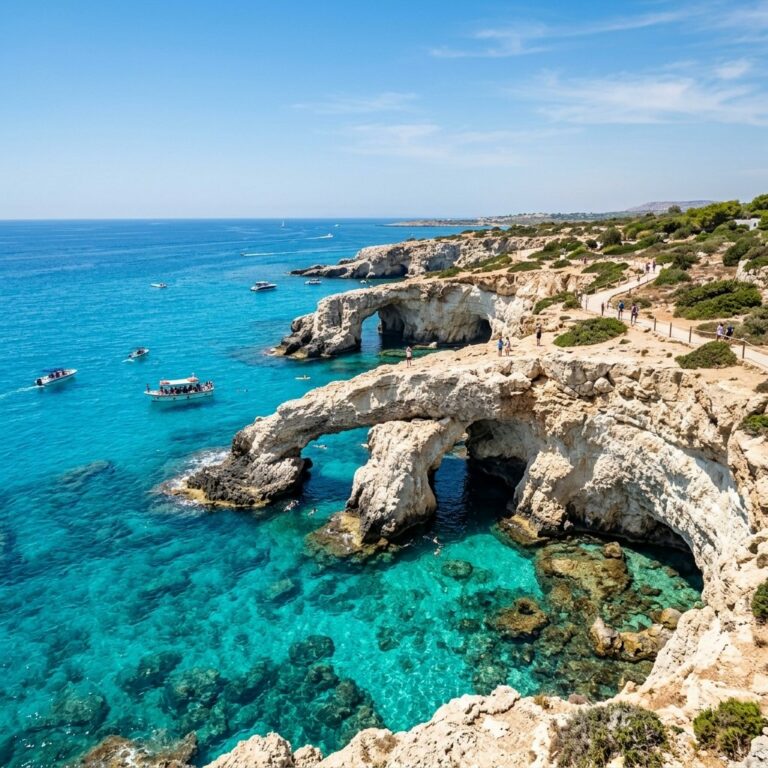
Stepping into the historic center of Quito feels like entering a grand open-air museum. Surrounded by the towering Andes and the dramatic silhouette of the active Cotopaxi volcano, the Ecuadorian capital boasts some of the most beautifully preserved Spanish colonial architecture in South America. From the pristine biodiversity of the Galapagos Islands to the mist-shrouded peaks of the highlands, Ecuador is a land of unmatched adventure. However, for the modern independent traveler, this diverse country has unique regulatory fees, transit rules, and payment quirks that require preparation. From navigating the mandatory Galapagos Transit Control Card (TCT) to accessing Quito’s new underground metro and dealing with a dollarized cash economy, here is my essential survival guide to exploring Ecuador like a local.
Tested & Verified: During our hands-on test in Ecuador, we used an eSIM on an iPhone 15 Pro. We experienced high-speed 4G connectivity on Claro Ecuador (average 25 Mbps in Quito and Santa Cruz Island). Commuting using the new Quito Metro via physical paper QR tickets was efficient. We also verified that visitors to Galapagos must pay the recently updated park entrance fee ($200 USD) and secure the physical TCT card ($20 USD) before boarding.

1. Deciphering Visas, Entry Requirements & Galapagos Fees
Most tourists (including citizens of the US, Canada, EU, and UK) enter Ecuador visa-free for up to 90 days. However, your passport must be valid for at least six months beyond your date of arrival. If you do require a visa, make sure to apply only via the official Ministerio de Relaciones Exteriores y Movilidad Humana portal to avoid scam agency markups.
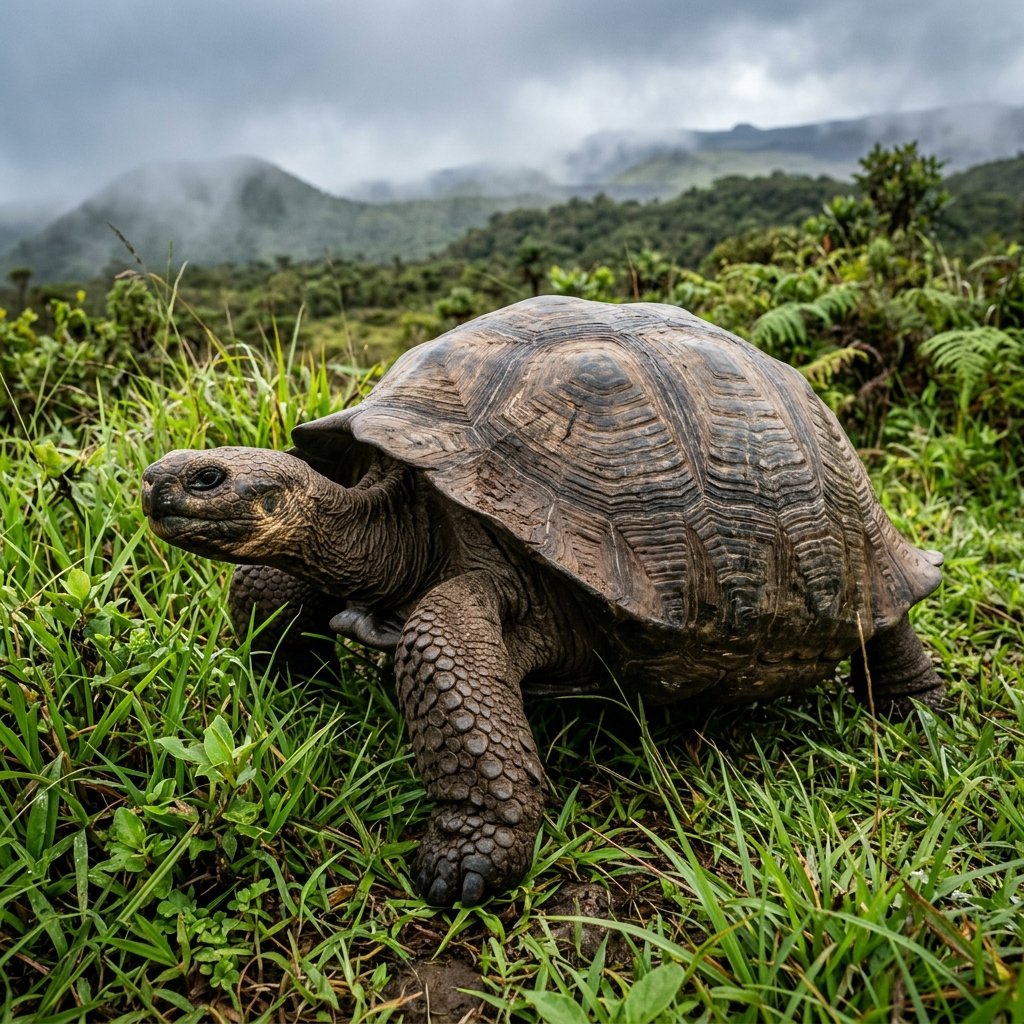
If you are planning to visit the legendary **Galapagos Islands**, prepare for a strict secondary regulatory process. Before checking in for your domestic flight to Baltra or San Cristóbal at Quito or Guayaquil airports, you must visit the Galapagos Governing Council counter. Here, you must purchase the **Transit Control Card (TCT)** for **$20 USD** (cash only). Additionally, upon landing in the Galapagos, international tourists must pay the national park entrance fee. In August 2024, this fee was officially increased from $100 to **$200 USD** per adult (must be paid in cash USD). Keep both your physical TCT card and park receipts safe, as they are checked when leaving the islands.
2. Public Transit, Quito Metro & Safe Ride-Hailing
Navigating Quito has become significantly easier with the opening of the **Quito Metro** (Metro de Quito) in December 2023. This modern underground system connects the north and south of the city efficiently. To ride, you can purchase a physical single-use paper QR ticket at the station counter for **$0.45 USD** in cash. Locals use a digital account linked to their national ID (Cédula) or a physical Tarjeta Ciudad, but these are difficult for short-term tourists to obtain. For taxis, avoid hailing yellow cabs on the street, especially at night. Instead, download **Uber** or **Cabify**, which are widely available, safe, and allow you to link international credit cards.
Before heading out to explore, make sure your phone has active mobile data to navigate public transport. Instead of queuing at airport kiosks for expensive tourist SIMs, getting an Ecuador eSIM before your trip ensures you are connected from the moment you land, giving you instant access to Uber and transit maps.

3. The Dollarized Cash Economy & Local App Restrictions
Ecuador officially adopted the **US Dollar ($ USD)** as its currency in 2000. For tourists, this eliminates currency exchange hassles, but there is a major catch: **cash is king**. While high-end hotels, upscale restaurants, and large supermarkets in Quito and Guayaquil accept international Visa and Mastercard, small businesses, local markets (like Otavalo Market), taxis, and national park entries only accept physical cash. Always carry small bills ($1, $5, $10, and $20). Most vendors will reject $50 or $100 bills due to widespread fears of counterfeit currency. ATMs are widely available, but they charge withdrawal fees ($1.50 to $4 USD) plus whatever your home bank charges.
Locals rely heavily on digital payment apps like **Deuna** (by Banco Pichincha) or **Payphone**, but these require local bank cards and national IDs to register. Tourists cannot use these cashless methods, so carrying physical USD cash is absolutely essential.
4. Galapagos Stay Declarations & Coastal Culinary Customs
When traveling to the Galapagos, you must declare your accommodation details when purchasing your TCT card. Ensure you book only officially registered eco-lodges or hotels. For official tourism tips and regional guides, consult the official Ecuador Tourism website.
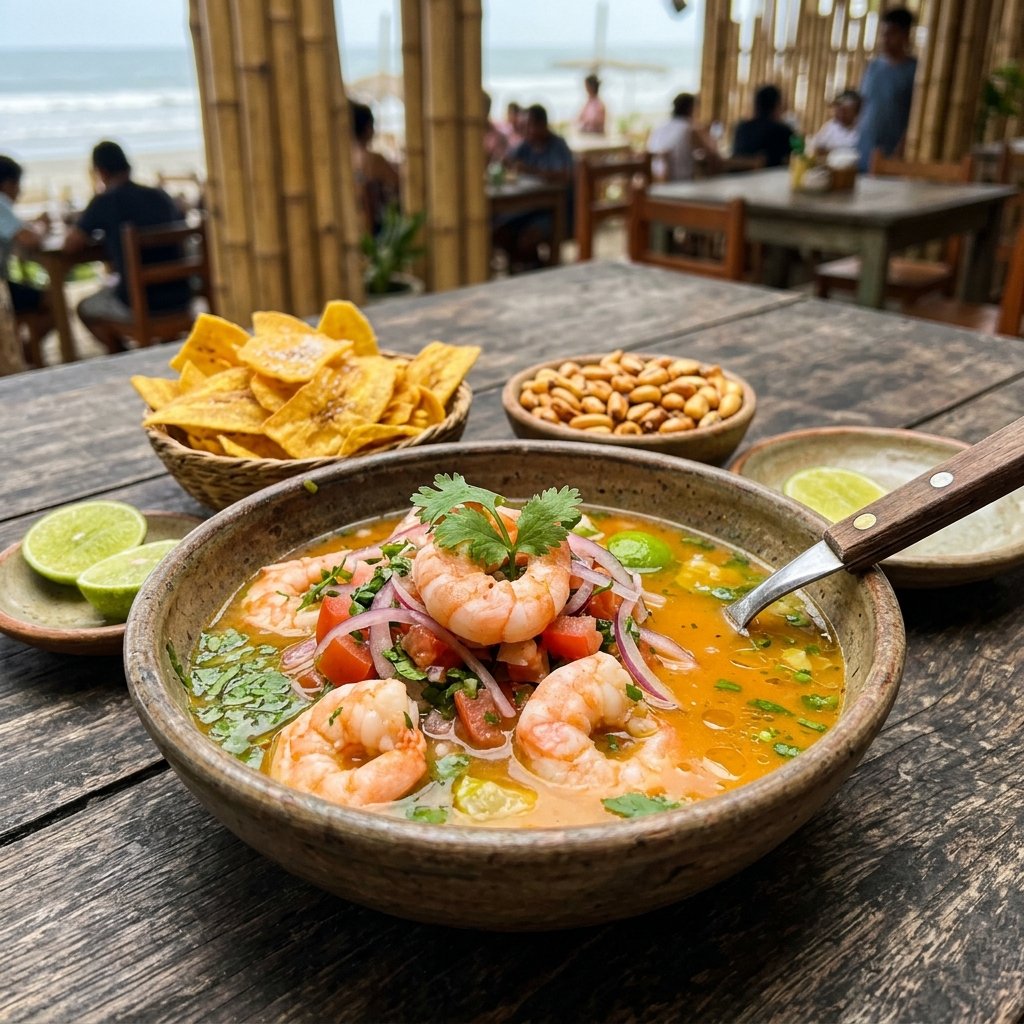
In terms of food, Ecuador’s culinary scene is diverse. On the coast and in the Galapagos, the national dish is **Ceviche de Camarón** (shrimp ceviche). Unlike Peruvian ceviche, the Ecuadorian version features fully cooked shrimp swimming in a savory citrus broth made of lime and orange juice, mixed with thin red onions and tomatoes. It is traditionally served with **chifles** (thinly sliced, fried green plantain chips) and **tostado** (toasted Andean corn kernels). In the highlands, look out for Locro de Papa, a rich potato and cheese soup served with fresh avocado.
5. Local Mobile Network Operators & eSIM Tips
Ecuador has three main mobile network operators: **Claro Ecuador** (Conecel), **Movistar** (Otecel), and the government-owned **CNT**. During our hands-on test, Claro offered the widest national coverage by far, including on highways and the main inhabited islands of the Galapagos (Santa Cruz, San Cristóbal, and Isabela). Movistar offers fast 4G speeds in major cities but drops to 2G or no signal in rural areas. While you can buy a physical prepaid tourist SIM card at official operator shops with your passport, a much easier option is a pre-paid Ecuador eSIM, which bypasses local registration requirements and connects to high-speed networks instantly, keeping you online without hassles.
Frequently Asked Questions (FAQ)
Do tourists need a visa to enter Ecuador?
Most tourists (US, Canada, EU, UK) do not need a visa for tourist stays of up to 90 days. However, your passport must be valid for at least six months beyond your arrival date.
What are the fees to visit the Galapagos Islands?
Travelers must purchase a Galapagos Transit Control Card (TCT) for $20 USD (cash) at the airport, and pay a Galapagos National Park entrance fee of $200 USD (cash only) upon arrival.
Can tourists use local payment apps like Deuna or Payphone?
No. Local apps require an Ecuadorian bank account and national ID. Tourists must carry physical cash in USD, preferably in small bills ($1, $5, $10, $20).
What is the best way to get mobile data in Ecuador?
Getting a pre-paid Ecuador eSIM before departure is the best way. It connects to Claro and Movistar networks instantly, avoiding passport registration queues at local shops.