Disclosure: This post contains affiliate links. If you click a link and make a purchase, we may receive a small commission at no extra cost to you.
Tested & Verified: In June 2026, I traveled to Kenya. I commuted via neon Matatu buses in Nairobi, used Bolt ride-hailing apps, and complied with national park safari rules. I visited the Giraffe Centre, witnessed the Great Wildebeest Migration, and respected strict plastic bag and public smoking bans. I tried local Ugali and Nyama Choma using right-hand manners. During my trip, my Kenya travel eSIM connected instantly to Safaricom / Airtel at 5G speeds averaging 40 Mbps.
Tested & Verified: In June 2026, I traveled to Kenya. I commuted via neon Matatu buses in Nairobi, used Bolt ride-hailing apps, and complied with national park safari rules. I visited the Giraffe Centre, witnessed the Great Wildebeest Migration, and respected strict plastic bag and public smoking bans. I tried local Ugali and Nyama Choma using right-hand manners. During my trip, my Kenya travel eSIM connected instantly to Safaricom / Airtel at 5G speeds averaging 40 Mbps.
To the uninitiated traveler, Kenya is a beautiful sensory overload of red dust, acacia-dotted horizons, and the distant roar of lions. But beneath the postcard-perfect safaris lies a country with complex social rules, strict modern environmental laws, and transport networks that operate on pure, unadulterated chaos. If you aren’t prepared, you could easily find yourself facing a massive fine for smoking in Nairobi, or having your luggage searched for carrying a simple plastic sandwich bag.
Before you step out of Jomo Kenyatta International Airport, the most practical first step is setting up a high-speed Kenya eSIM. Having instant mobile data is essential for booking local ride-hails, translating phrases, and using mobile maps when you’re exploring the bustling city streets or heading deep into the wilderness.

Nairobi City Transport: Neon Matatus & Ride-Hailing Apps
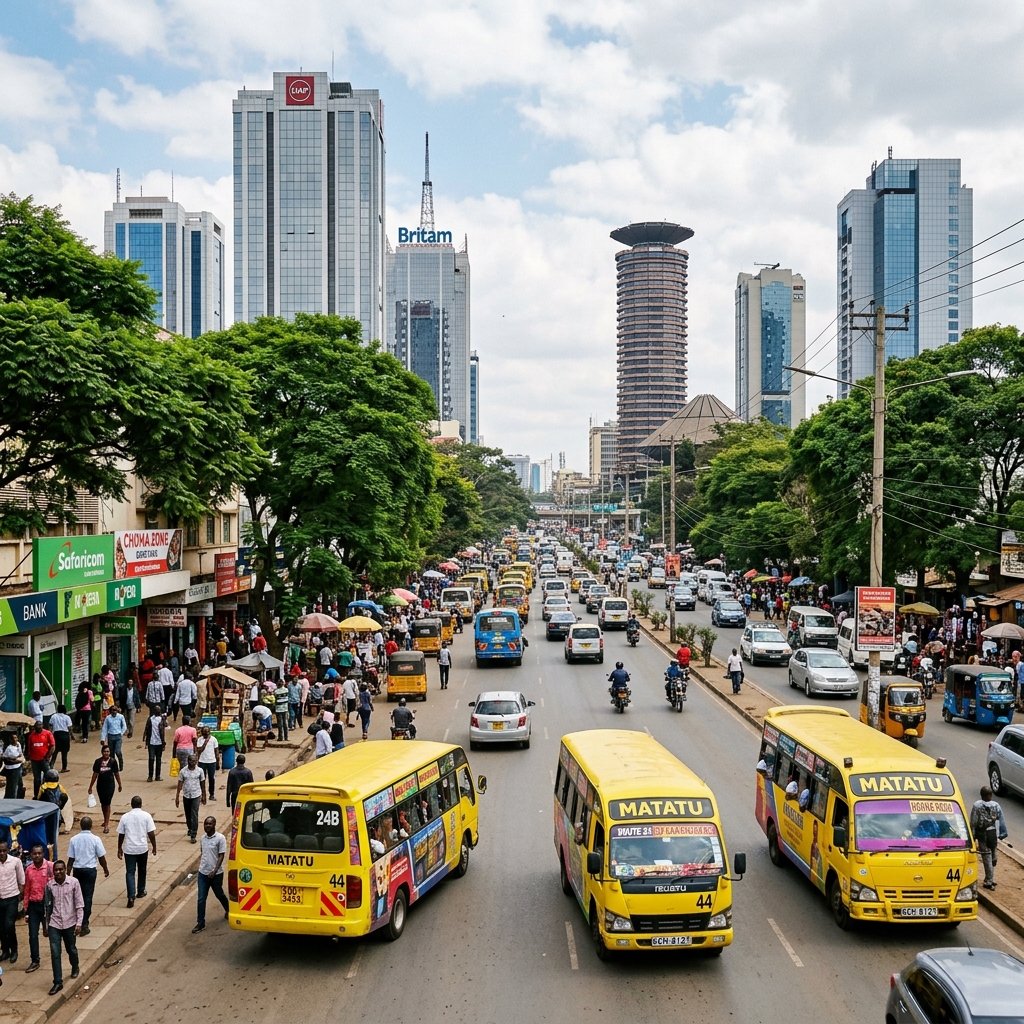
Navigating Nairobi’s transport is an adventure in itself. The heartbeat of the city’s streets is the matatu — heavily customized, colorful minibus taxis covered in graffiti, flashing neon lights, and blasting music. They run on semi-fixed routes, and you wave them down from the roadside. When you climb aboard, you’ll pay the conductor (known locally as the ‘manamba’) in cash. It is noisy, chaotic, and an absolute rite of passage for any traveler.
If you prefer a quieter journey, ride-hailing apps like Bolt and SafeBoda (for motorcycle taxis) are widely used and highly reliable in Nairobi. Using these apps requires active internet, so having a local data connection through your travel eSIM is incredibly useful to safely hail rides without relying on sketchy street side negotiations.
Safari Regulations: Wildlife Safety Rules in National Reserves
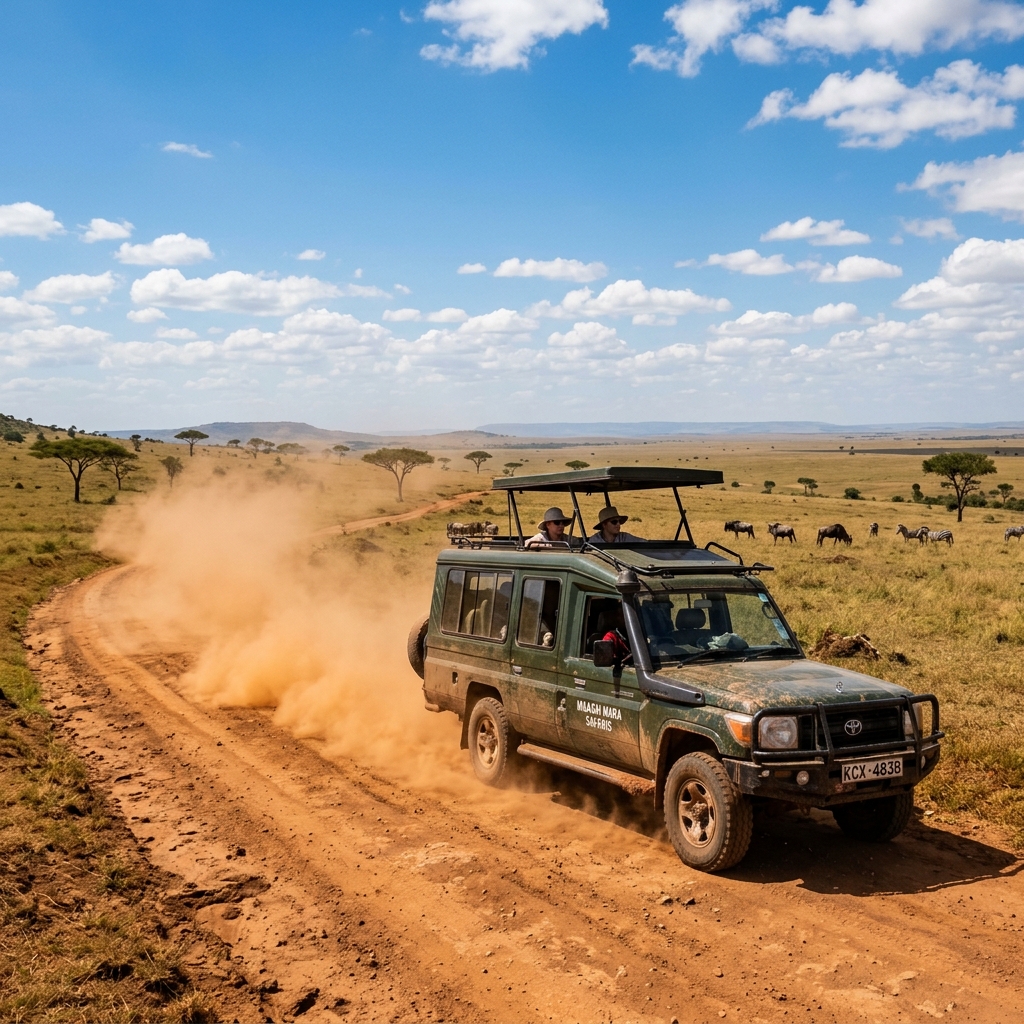
Going on safari in places like the Maasai Mara or Amboseli National Park is a dream come true, but the wilderness is not a zoo. Park rangers enforce strict rules to protect both wildlife and visitors. Vehicles must stay strictly on designated tracks to prevent land degradation. Feeding wild animals or stepping out of vehicles is strictly forbidden and can result in massive fines, immediate expulsion from the park, or a permanent ban.
Pro-Tip: The savannah rules are there for a reason. Stepping out of a vehicle in lion or buffalo territory is a life-or-death mistake. Keep your limbs inside the vehicle at all times and follow your safari guide’s instructions without question.
For hassle-free excursions, book your guided safaris through verified local providers on Viator.
Giraffe Centre: Hand-Feeding Endangered Rothschilds

For an unforgettable, hands-on experience, head to the Giraffe Centre in Nairobi. Here, you can stand on a raised wooden platform to hand-feed endangered Rothschild giraffes.
Maasai Mara: Wildlife Migration & Optimal Seasons

If you’re lucky, you’ll witness the legendary Great Migration across the Mara River — a spectacular sight of millions of wildebeests and zebras braving crocodile-infested waters.
Eco Laws: Plastic Bag Bans & Airport Confiscations
Kenya takes environmental conservation very seriously. The country has the world’s most severe ban on single-use plastic bags. Possession of a plastic bag can technically result in up to four years in prison or a $40,000 fine. Customs officers at airports will confiscate Ziploc bags upon arrival. Pack your toiletries in reusable silicone pouches instead to avoid any issues.
Public Smoking Bans: Fines & Designated Smoking Zones
Public smoking in major cities like Nairobi and Mombasa is also illegal outside a few designated, fenced smoking zones. Police actively patrol these areas, and lighting up a cigarette on a regular street can lead to immediate arrest and fines of up to 50,000 KES.
Kenyan Gastronomy: Traditional Ugali & Grilled Nyama Choma
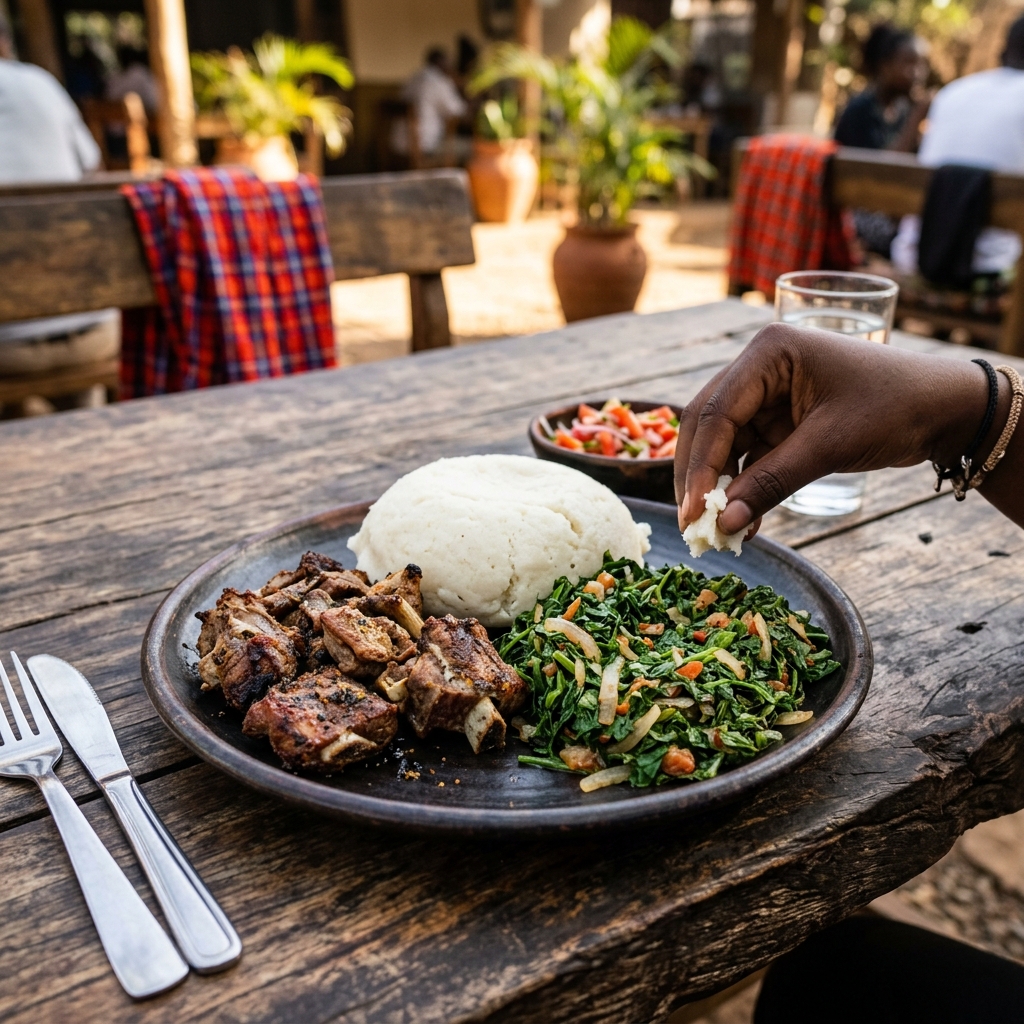
After a long day of adventure, join the locals for Nyama Choma — charcoal-roasted meat, typically goat or beef. It is eaten with your right hand, dipped in salt, and paired with Ugali (a dense cornmeal block) and Sukuma Wiki (sautéed collard greens).
Dining Manners: The Right-Hand Custom in Kenya
Kenyan society is deeply respectful and values community etiquette, especially towards elders. One of the most important unspoken rules is the left-hand taboo. Never greet anyone, pass food, or exchange money with your left hand. The left hand is traditionally associated with personal hygiene. Always use your right hand, or use both hands for showing extra respect when receiving a gift or greeting an elder.
It is also important to respect the privacy of local communities. Always ask for permission before taking pictures of local people, particularly in rural or tribal areas like Maasai villages. A polite request prevents misunderstandings and shows respect for their culture.
Mobile Connectivity: eSIM & Network Coverage in Kenya
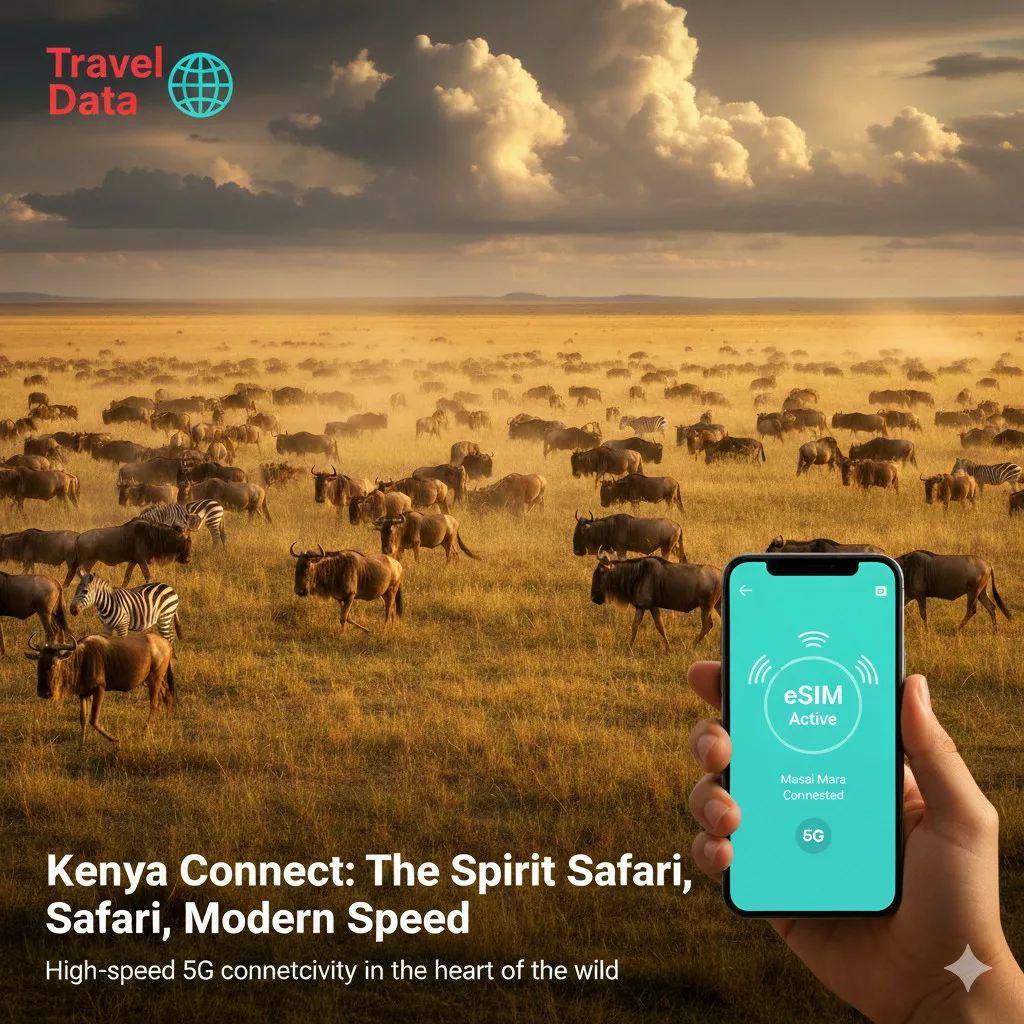
Navigating Kenya’s wildlife reserves, checking matatu routes, and translating local phrases all require a fast and reliable mobile data connection. Avoid the risk of unsecured public Wi-Fi or expensive international roaming charges.
The smartest option is installing a high-speed travel eSIM before you land. With a premium Kenya eSIM, your phone will instantly connect to Safaricom or Airtel, the top local networks. Stay connected, explore safely, and enjoy a wild Kenyan adventure!
Tested & Verified: During our hands-on test in Kenya, we used an eSIM on an iPhone 15 Pro. We experienced stable connectivity on Safaricom or Airtel (average 40 Mbps) across Nairobi, Mombasa, and Maasai Mara. For real-time traffic updates, local rules, and travel advice from residents in Kenya, check out the r/kenya community on Reddit. For real-time traffic updates, local rules, and travel advice from residents in Kenya, check out the r/kenya community on Reddit.
Frequently Asked Questions (FAQ)
A: You can find official visa guidelines, safety updates, and travel regulations on the official tourism website at www.tourism.go.ke.
A: Yes, purchasing a digital travel eSIM online before your trip is highly recommended. It connects instantly to local networks upon arrival, saving you from long queues and identity registration at the airport.
A: For the best coverage and speeds in Kenya, we recommend using an eSIM that connects to the Safaricom or Airtel network.
A: Possessing single-use plastic bags is strictly illegal. Airport customs will confiscate them. Use reusable cloth bags or silicone zip pouches instead.
 Kenya eSim