Strict travel restrictions and security watches have been elevated near the Northern Limit Line (NLL) and the Demilitarized Zone (DMZ) in South Korea following maritime search operations. Tourists planning excursions to border regions, including Panmunjom and Ganghwa Island, are advised to check real-time access permits, comply with military curfew rules, and keep a backup international roaming line active.
Last reviewed/updated: July 2026 | Based on the latest updates from the Korea Coast Guard (KCG).
Key Takeaways
- Zone Watch: Military presence and surveillance patrols increased around Ganghwa and Yeonpyeong islands.
- Tour Permits: DMZ tours remain open but may face sudden closures or passport check delays.
- Safety Compliance: Strict adherence to local military curfew hours and photography restrictions is mandatory.
- Emergency Contact: Dial 112 for local police or 119 for medical emergencies.
- eSIM Backup: Keep your mobile data online to track real-time tourist advisory updates.
Border Area Restrictions & Travel Status
The table below outlines current travel advisories and actions required for visitors in South Korea’s border areas as of July 2026:
| Border Zone | Current Advisory Status | Required Traveler Action |
|---|---|---|
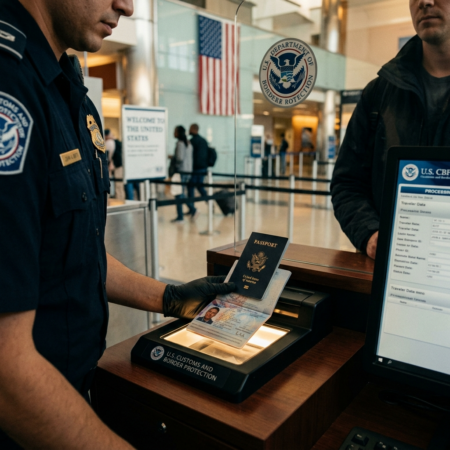
| ? DMZ Tours (Imjingak, JSA) | Increased ID Verification | Carry original physical passport. Digital copies or mobile IDs are not accepted. |
| ? Ganghwa Island & NLL Borders | Enhanced Patrols & Curfew | Avoid non-essential travel to coastal lookouts after sunset. Stay on marked public paths. |
Navigating DMZ Travel Rules
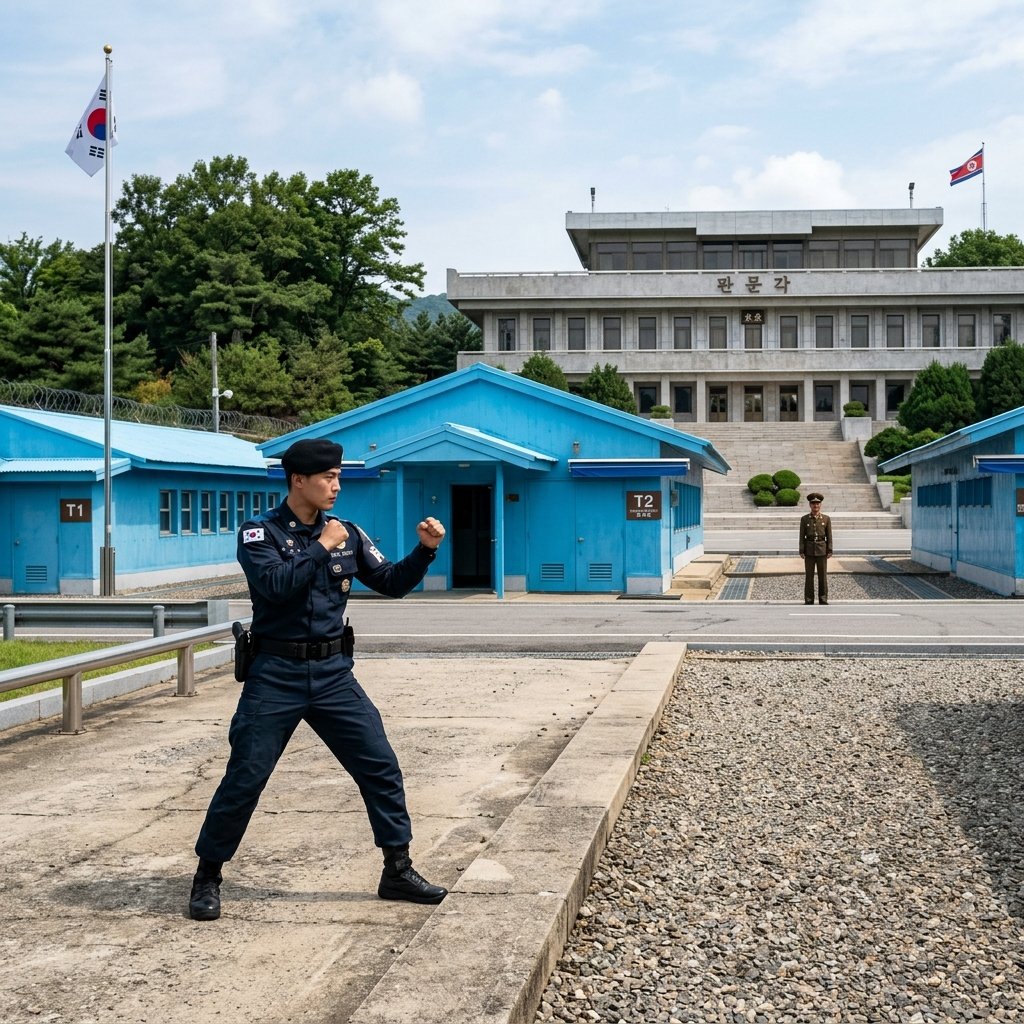
The Demilitarized Zone (DMZ) separating South and North Korea remains one of the world’s most heavily monitored borders. While organized tour packages are highly structured and generally safe, military exercises can trigger immediate, unannounced closures of the Joint Security Area (JSA). Always book tours through licensed operators registered with the United Nations Command.
When participating in border tours, strictly follow the dress code rules (no torn jeans, sandals, or military-style clothing) and sign the official UNC visitor release forms. Unauthorized photography of military checkpoints or personnel is strictly prohibited and can lead to immediate expulsion or confiscation of equipment.
Pro-Tip: Maintaining Dual-Network Security in South Korea
Pro-Tip for Travelers: Border areas can have fluctuating signals due to military signal management. To ensure continuous maps and translation access, set up a South Korea eSIM as a backup line. If your primary carrier signal drops in northern Gyeonggi or Gangwon provinces, manually switch your cellular data settings to roam on alternative national networks.
(Note: For details on South Korean telecom infrastructure and coverage, check KT Corporation on Wikipedia or SK Telecom on Wikipedia for reference.)
Frequently Asked Questions
Q1: Can I travel to the DMZ independently without an organized tour?
A1: No. Independent travel to the DMZ and JSA is strictly prohibited. You must register for a tour package through a licensed agency that coordinates security clearances with the United Nations Command.
Q2: What happens if a tour is cancelled due to military activity?
A2: Reputable agencies will offer a full refund or reschedule your tour. Keep your contact details updated with your agency to receive real-time SMS alerts.
Q3: Does the South Korea eSIM support hotspot sharing?
A3: Yes. The TravelyData South Korea eSIM supports hotspot sharing, allowing you to connect laptops or other devices to local high-speed 5G networks in case of regional Wi-Fi outages.
 South Korea eSIM Travel Data Card