Amid persistent heatwave temperatures, the French government has approved the carbon neutrality roadmap for 2050. Regional water use cuts remain in place in central and southern departments.
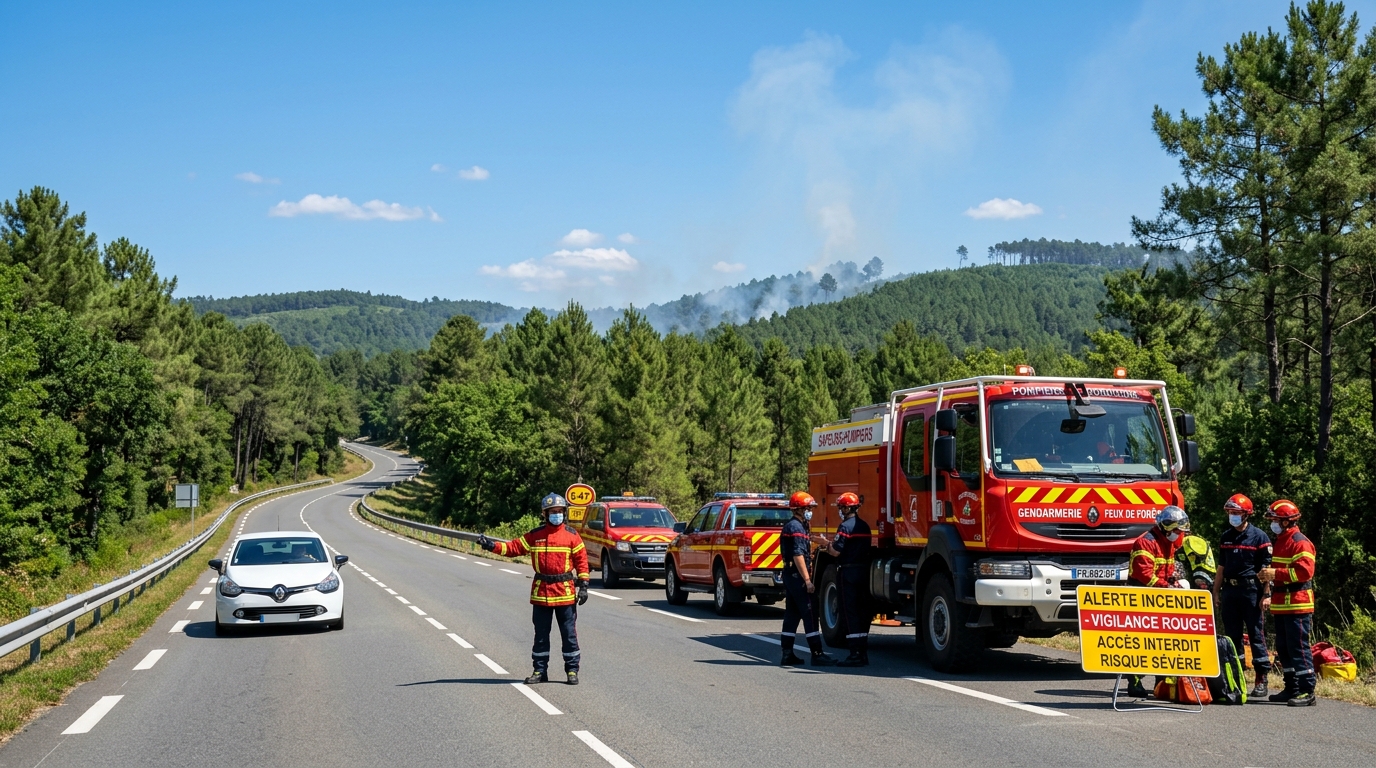
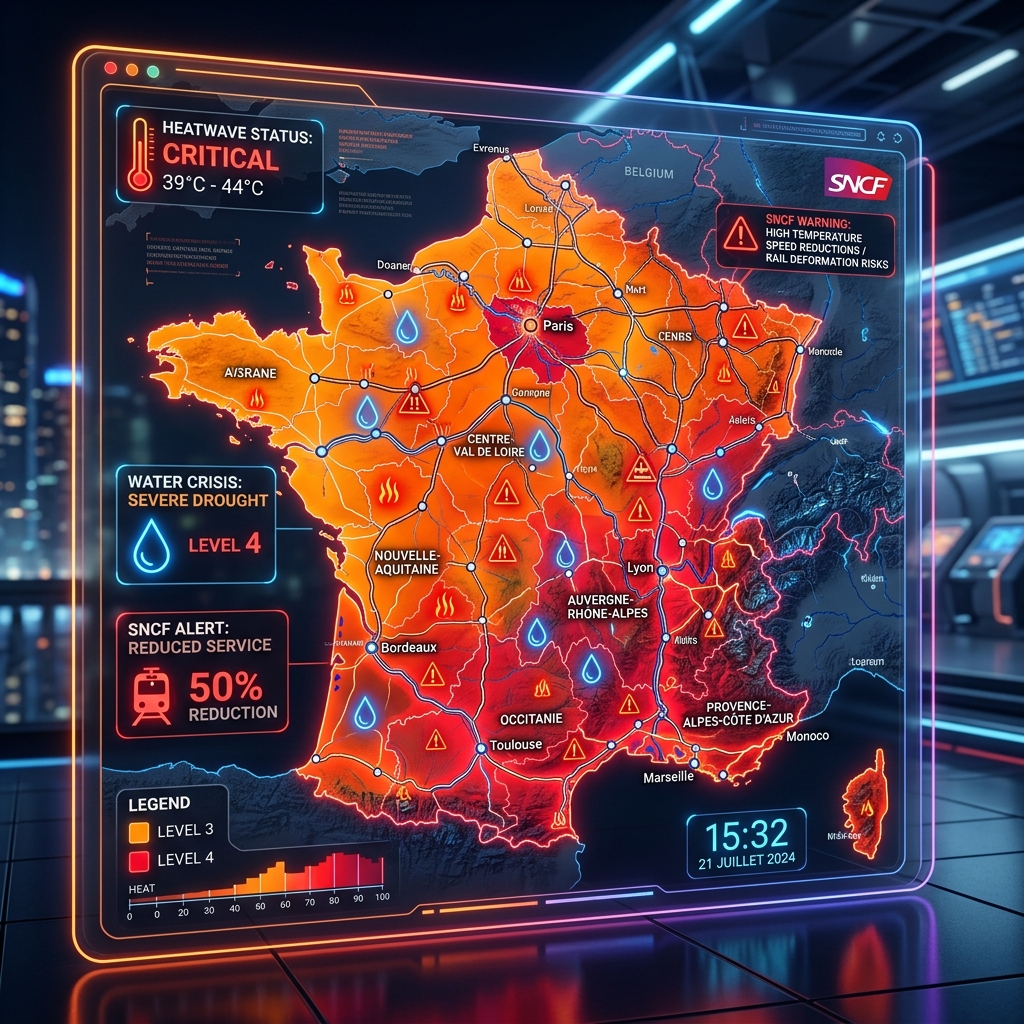
A severe heatwave has swept across France, placing municipal water supply networks under extreme strain and prompting local restriction advisories in major tourist regions. Travel hubs are experiencing peak summer crowds amidst elevated temperatures, and authorities warn of potential rail track bucking delays. Travelers are advised to monitor regional water usage rules, restrict outdoor excursions during peak hours, and keep backup connectivity ready.
Last reviewed/updated: July 2026 | Based on official alerts from Météo-France.
Key Takeaways
- Alert Status: Orange heatwave alerts issued across southern and central France by Météo-France.
- Water Restrictions: Irrigation and non-essential water usage banned in high-alert areas.
- Rail Operations: SNCF warns of potential heat-related speed restrictions and speed reduction delays.
- eSIM Backup: Keep your mobile data online to track real-time alerts and ticket rebookings.
- Emergency Number: Dial 112 for all European emergency services.
Current Regional Weather & Travel Impacts
The table below summarizes the heatwave threat levels and traveler workarounds in France as of July 13, 2026:
| Region / Destination | Current Threat Status | Traveler Advisory & Workaround |
|---|---|---|
| ? Southern France (Provence, Riviera) | Severe Drought & Heat (102°F+) | Strict water limits in place. Carry bottled water; expect closing of public fountains. |
| ? Paris Metropolitan Area | High Temperatures & Air Quality Warnings | Limit strenuous outdoor activity. Use air-conditioned indoor museums during midday. |
| ? Central France (Loire Valley) | Moderate Heatwave Warnings | Monitor river cruise timetables. Water levels may affect some navigation channels. |
Navigating Drought Rules & Heat Safety
Drought decrees are active across numerous departments in France. Under these rules, travelers are strictly prohibited from washing rental vehicles, filling portable pools, or wasting water at campsites. Authorities are conducting active spot-checks, and violators can face hefty administrative fines.
For rail travelers, high temperatures can cause steel rails to expand and buckle. To prevent derailments, the national railway operator (SNCF) often mandates speed reductions, resulting in cascading delay times. Check the SNCF mobile app regularly before heading to major stations.
Pro-Tip: Securing Stable Roaming Data During Peak Summer
Pro-Tip for Travelers: Crowded summer destinations can congest local public Wi-Fi networks. To ensure you can book museum slots, translate local signage, and call rideshares, activate a prepaid France eSIM. This gives you direct access to high-speed 5G local data without standing in long queues at airport telecom booths.
(Note: For local mobile operator details and emergency networks, see Orange France on Wikipedia or SFR on Wikipedia for reference.)
Frequently Asked Questions
Q1: Can I still visit public pools and hotel spas during the drought?
A1: Most large hotel pools remain open, but municipal pools may operate on reduced hours or restrict capacity to conserve local water grids. Check with your accommodation ahead of time.
Q2: How do I claim a refund for SNCF train delays caused by the heat?
A2: If your train is delayed by more than 30 minutes, you are eligible for compensation under the G30 policy. Request a delay certificate via the TGV INOUI app or at station kiosks.
Q3: Does the France eSIM work in other European countries?
A3: Single-country eSIMs are restricted to France. However, if you are visiting multiple EU nations, you can select a European regional eSIM pack that automatically roams across all member states.
Q4: What are the symptoms of heat exhaustion?
A4: Look out for heavy sweating, rapid pulse, dizziness, nausea, and headache. If you experience these, seek shade immediately, drink cool water, and call 112 if symptoms persist.
 France eSim