Answer-First Summary
A powerful magnitude 7.3 earthquake has struck off the coast of Chiapas, Mexico, on July 17, 2026, prompting localized tsunami advisories and disrupting regional transit. Travelers in coastal areas near Chiapas and Puerto Madero should relocate to higher ground immediately and monitor warnings from local emergency officials. Normal flight schedules at major hubs may experience delays due to safety checks.
Key Takeaways
- Current Status: Tsunami warning and coastal alert active in Chiapas, Mexico, as of July 17, 2026.
- Seismic Impact: Magnitude 7.3 quake recorded with epicenter off the southern coast.
- Airport Status: Tapachula Airport (TAP) undergoing structural safety evaluations; check flight status.
- Emergency Contact: Dial 911 for all emergency services in Mexico.
- Connectivity Tip: Telecom towers may experience peak load during regional warnings; have a backup Mexico eSIM ready.
Phase 1: Airport Arrivals and Flight Advisory
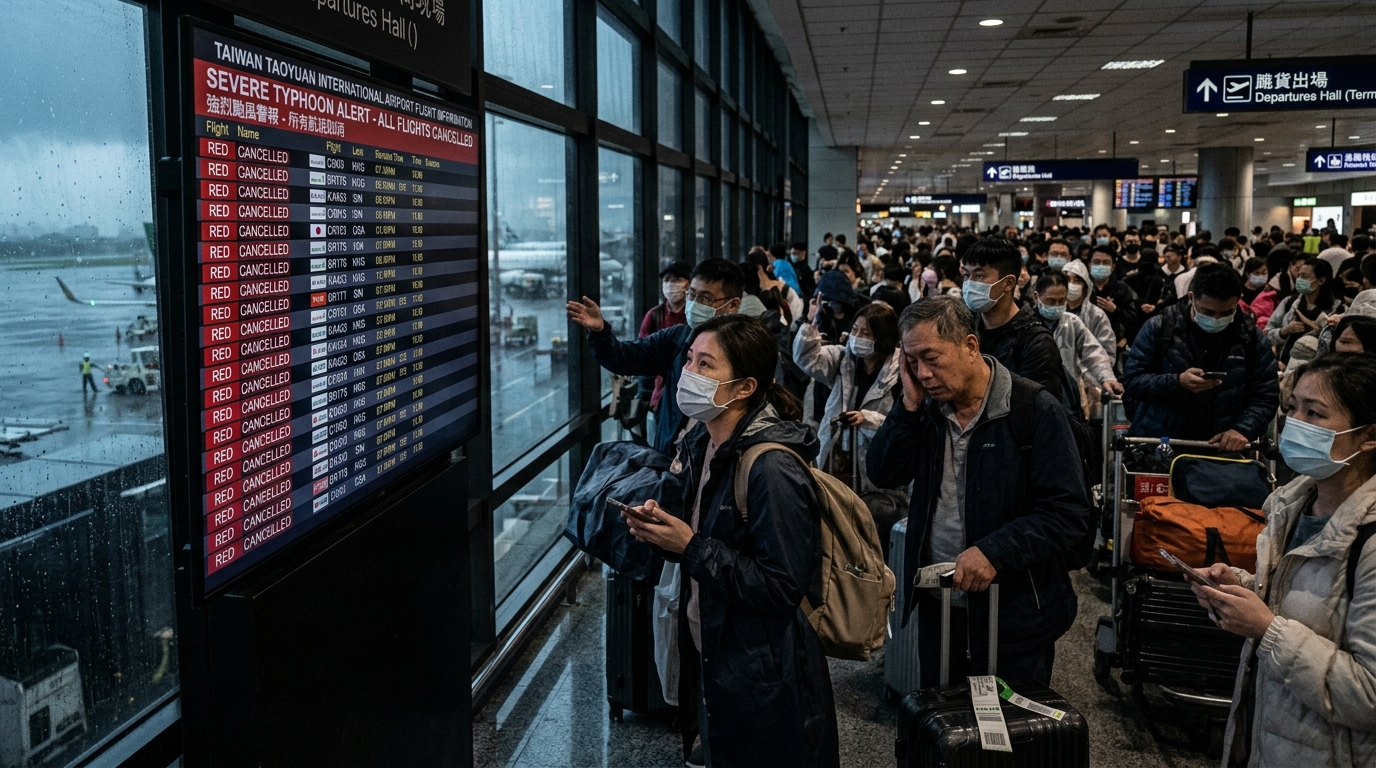
Following the major earthquake, regional flight operations in southern Mexico may experience temporary delays as ground crews conduct runway inspections. Travelers arriving at Tapachula Airport (TAP) or nearby hubs in southern Mexico should verify flight statuses before heading to the airport. Minor trembles can occur after the main shock, so pay attention to local announcements.
For international visitors entering Mexico, ensure you keep your migration details handy. Make sure to activate a local cellular data plan or backup eSIM to receive immediate push alerts and notifications regarding evacuation zones from local civil protection authorities.
Phase 2: Transiting Safely Through City Commutes
Earthquakes can damage road infrastructure and disrupt traffic light networks in urban areas. If you are traveling through Chiapas or surrounding cities, be alert for cracked road surfaces, falling debris, or blocked lanes. Avoid using underpasses or older bridges until civil engineers have cleared them.
When booking transport, rely on local ride-hailing applications that display real-time road conditions and detours around emergency zones.
Phase 3: Postponing Regional Excursions and Road Warnings
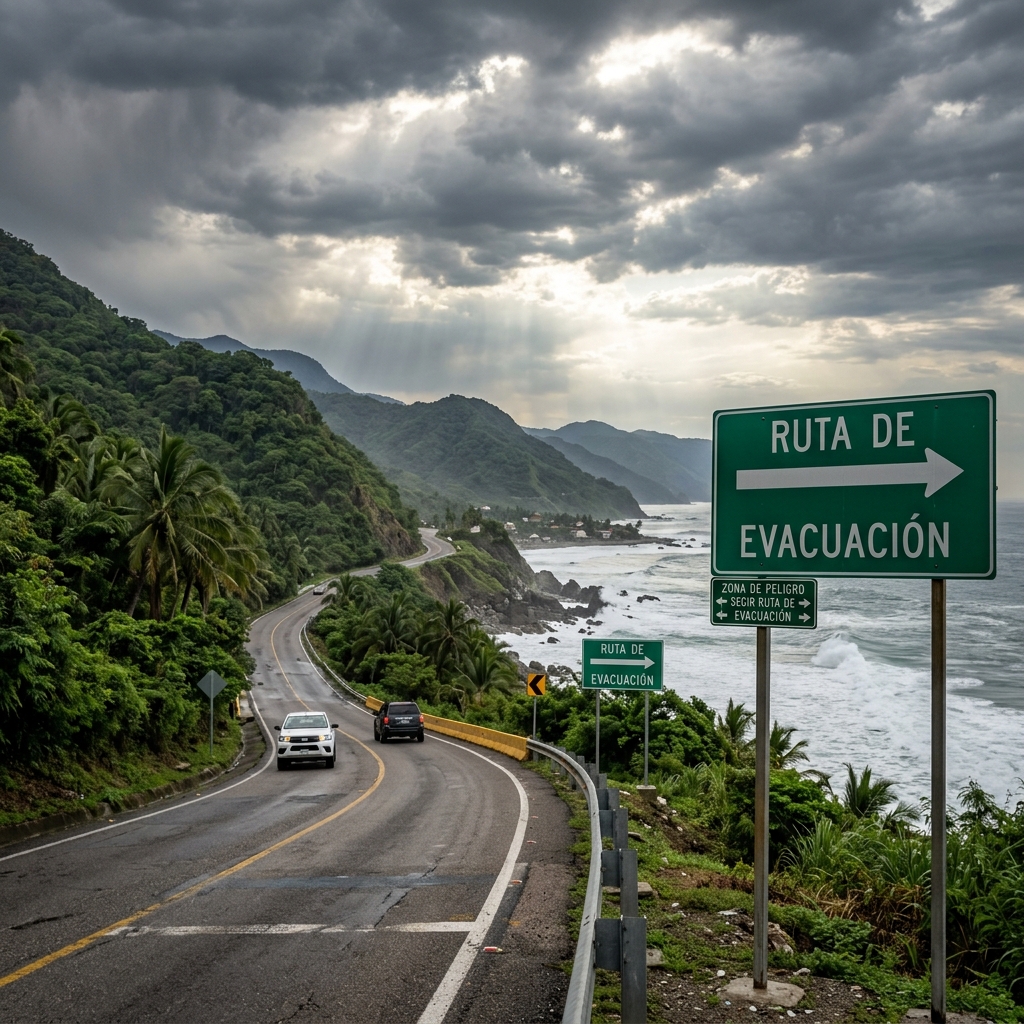
Coastal excursions and marine activities near Puerto Madero should be suspended immediately due to active tsunami waves reaching up to 0.3 meters. The National Seismological Service of Mexico recommends staying away from beaches and coastal roads. Mountainous highway routes in Chiapas are also prone to landslides after major seismic activity; avoid intercity driving where possible.
Verify active highway advisories via the official federal police and civil protection communication channels.
Phase 4: Savoring Local Food and Dining Tipping While Sheltering
Sheltering in your hotel or a designated safe open space is the safest course of action during active aftershocks. If ordering food delivery while sheltering, please be patient as riders navigate traffic restrictions. Tipping delivery riders 10% to 15% is customary and highly appreciated in Mexico, especially during regional emergency operations.
Although mobile payments are common in tourist areas, local grid issues could temporarily disable card readers. Keeping physical Euro or Peso cash is recommended for emergency purchases.
Current Safety & Transit Status
| Location / Transit Hub | Current Advisory Status | Action Required for Travelers |
|---|---|---|
| 📶 TravelyData eSIM | Active Emergency Backup | Ensure roaming is active; switch partners if signal drops |
| 📶 Coastal Chiapas / Beaches | Tsunami advisory active | Move inland and seek higher ground immediately |
| 📶 Tapachula Airport (TAP) | Safety checks in progress | Confirm flight details with airline before traveling |
Frequently Asked Questions
Q1: What should I do if a tsunami warning is issued while I am at a beach in Mexico?
A1: Move inland immediately and seek higher ground (at least 30 meters or 100 feet above sea level). Follow the directions of local lifeguards and civil protection wardens.
Q2: Are high-speed trains or buses operating in Chiapas after the quake?
A2: Long-distance bus routes may experience delays due to road inspections. Check with your bus company or ticket agent before departing.
Q3: How do I contact local emergency services in Mexico?
A3: You can dial 911 from any local phone or active eSIM to reach police, medical, or fire services.
 Mexico eSim