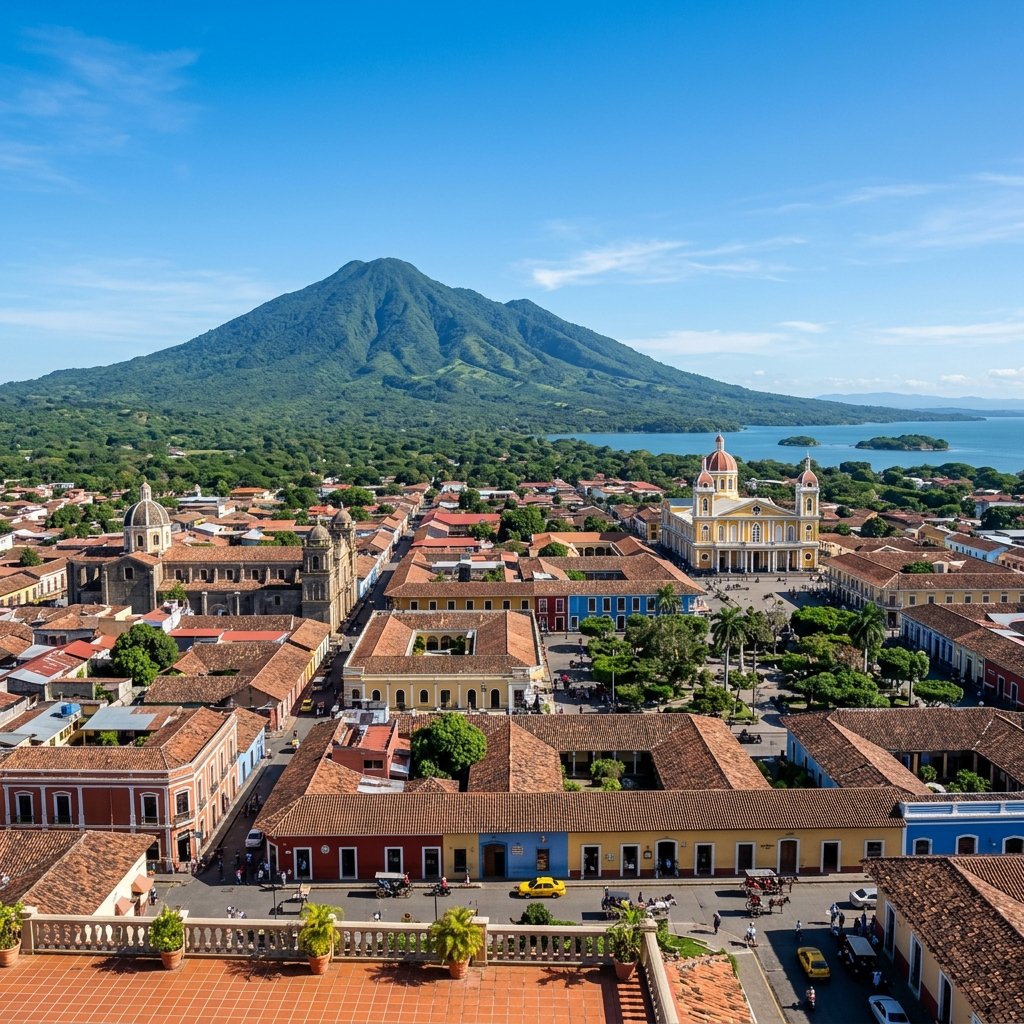
Nicaragua Travel Summary: From Managua Airport, flat rate taxis cost $15-$20 USD. Rideshares (InDrive, Aventón) cost $8-$12. Claro offers wide LTE, but TravelyData eSIM provides hassle-free connection without KYC.
| Carrier | Coverage | eSIM Suitability |
|---|---|---|
| 📶 Claro | Wide LTE | Requires registration |
| 📶 Tigo | Strong city speed | Requires registration |
| 📶 eSIM TravelyData | Auto-switch | Zero KYC, instant |
| Route/Option | Cost | Rules/Pickup |
|---|---|---|
| Airport Taxi (White/Blue) | $15-$20 Flat | Negotiate before boarding |
| InDrive / Aventón | $8-$12 | App booking, confirm pickup area |
| City Bus | C$ 2.50 | Requires TUC card (Cashless) |
Nicaragua Survival Cheat-Sheet
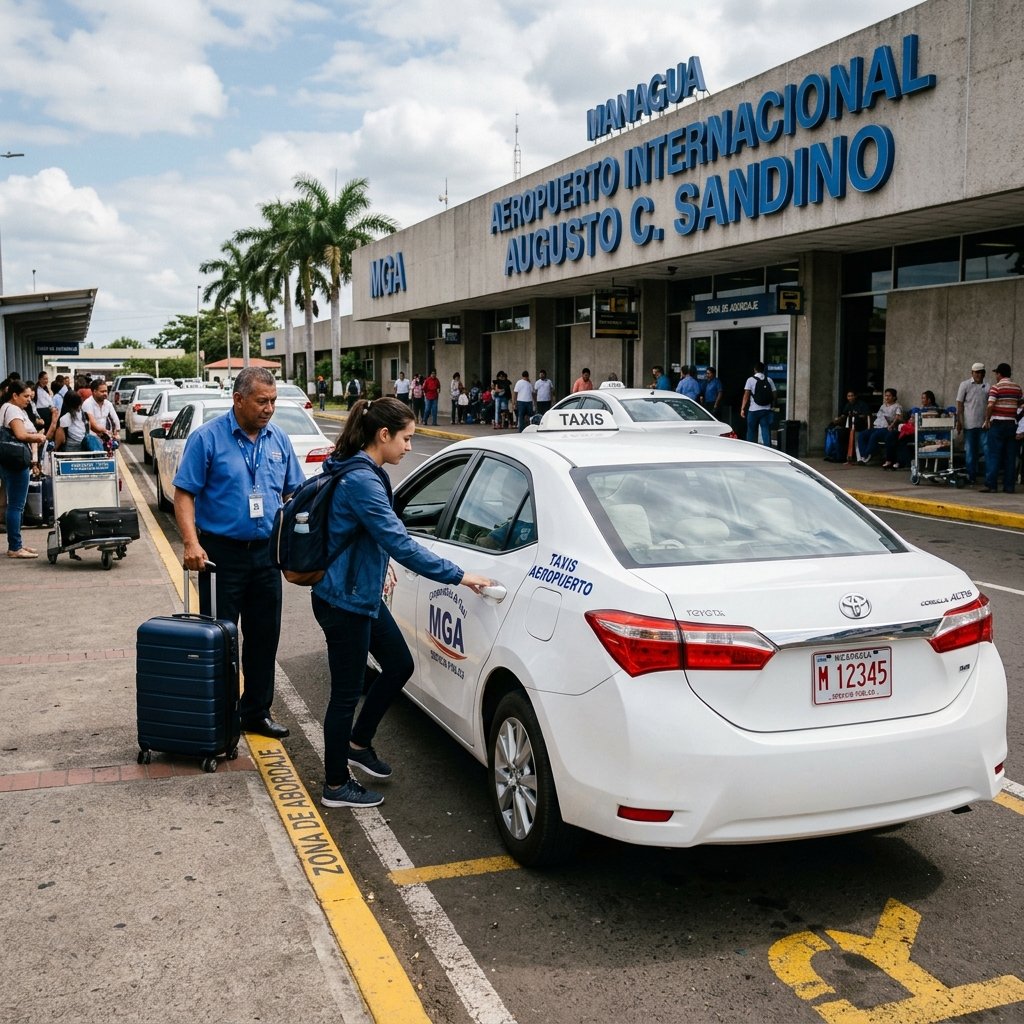
Silvio Pettirossi Airport (MGA): Official airport cabs (white sedans with blue stripes) charge flat rates of $15 to $20 USD to downtown Managua, payable in cash. Uber and Grab do not operate in Nicaragua; instead, download InDrive or Aventón for booking private rides.
Cashless City Buses (TUC): Local public colectivos within Managua do not accept cash. You must buy and top up a contactless TUC card at authorized retail kiosks before boarding. Regional buses accept cash.
Strict USD Rules: US Dollars are widely accepted in tourist spots, but merchants and banks will strictly reject any banknote that has the slightest tear, fold, crease, or mark. Credit card usage often triggers a 3% to 5% surcharge.
Stepping out of the terminal in Managua, the humid tropical air carries a distinct scent of volcanic soil and sweet nacatamales. But as you look around for an Uber or Grab, the realization hits: neither of these global giants operates in Nicaragua. Instead, cooperative taxi drivers in white sedans with distinctive blue stripes call out to arriving travelers. Navigating transportation and daily transactions in this Central American gem is highly rewarding but requires understanding local payment rules. From the strict rejection of slightly creased US dollar bills to bargaining on local ride-hailing apps like InDrive, here is your essential guide to staying connected and traveling smoothly from Managua to Granada and beyond.
Touchdown in Managua: Airport Cabs, InDrive Apps, and Chicken Bus Transit
Augusto C. Sandino International Airport (MGA) in Managua is the primary entry point for international tourists. Upon exiting the arrivals hall, you will find official airport taxis waiting.
These white cabs with blue stripes are cooperative-operated and generally safe, but they do not use meters. Instead, they charge flat fares to Managua city center, typically ranging from $15 to $20 USD. Always negotiate and confirm the price before stepping into the vehicle. While Uber and Grab do not operate in Nicaragua, you can use the local app InDrive or Aventón to book private rides with pre-negotiated, transparent pricing within Managua and Granada. For official updates, see the official Nicaragua Tourism Portal.
For budget-conscious travelers heading to León, Granada, or Rivas (for San Juan del Sur), intercity microbuses and converted North American school buses—famously called “chicken buses”—are the default transport. These buses are incredibly cheap (typically less than $2 USD for a two-hour journey) but are strictly cash-only. In Managua, the city’s urban public bus system operates strictly cashless using the TUC card (Tarjetas del Transporte Urbano Colectivo). You must buy and top up a TUC card at authorized retail kiosks before boarding, as city bus drivers are prohibited from accepting cash fares. Compare this to the contactless transport systems in our Panama travel guide or the chicken buses in our El Salvador travel guide.
The National Police and the Institute of Tourism (INTUR) regulate official cooperative taxis at Augusto C. Sandino Airport. For city-wide transit, InDrive is legally authorized but operates on a driver-passenger bid system. Travelers are advised to verify the driver’s license plate and rating prior to entry.
Cash vs Card Surcharges: The Strict Rule on Damaged Dollar Bills
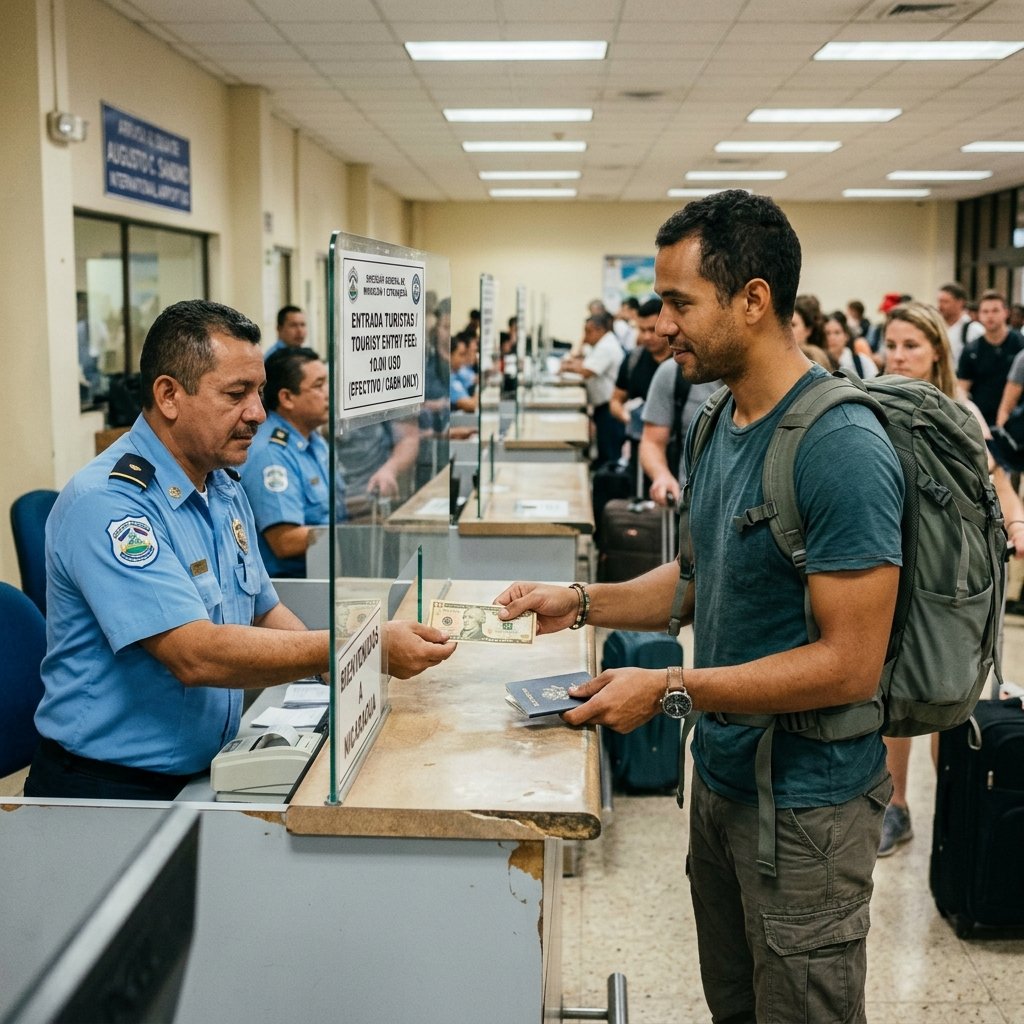
Visa and Mastercard are accepted at modern supermarkets and malls, but cash is mandatory for street vendors, and US dollar bills must be in pristine condition.
Nicaragua’s official currency is the Córdoba (NIO), but US Dollars (USD) are widely accepted in tourist hubs like San Juan del Sur, Granada, and Ometepe. However, there is a strict rule that catches many travelers off guard: vendors, hotels, and banks will reject any USD banknote that has the slightest tear, crease, mark, or sign of wear. Ensure you carry pristine, low-denomination dollar bills ($1, $5, $10, and $20) or exchange them for Córdobas at local banks (Banpro or LAFISE). ATMs are common in cities but charge a steep transaction fee of $4 to $6 USD for international credit cards. Check ATM and card usage tips in our Honduras travel guide.
Claro vs Tigo: Best Mobile Coverage for Volcano Boarding and Ometepe
Claro Nicaragua provides the widest national coverage in rural regions, while Tigo offers competitive speeds in urban centers. Avoid registration times with a travel eSIM.
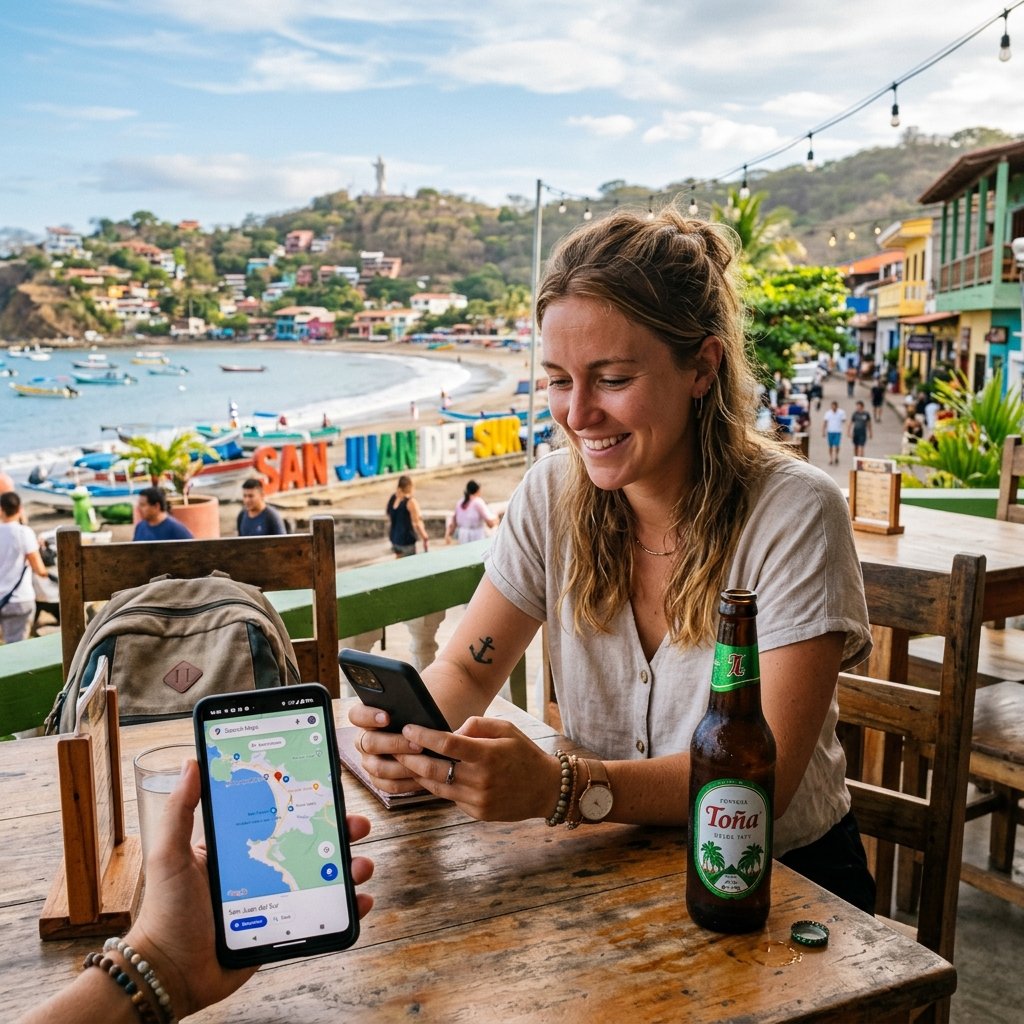
Staying connected is vital for using InDrive to book rides or navigating your way through the colonial streets of Granada. Nicaragua’s telecommunications market is a duopoly shared by two major operators: Claro Nicaragua and Tigo Nicaragua. Both companies operate independent cellular infrastructure across the country, providing extensive 4G LTE coverage in urban centers. Claro Nicaragua is widely considered to have the superior rural coverage, especially in remote tourism hotspots like Ometepe Island, the Corn Islands, and the volcanic slopes of Cerro Negro near León. Tigo Nicaragua offers competitive speeds in Managua and Granada but can experience signal drops in mountainous regions. Buying a physical SIM card locally requires presenting your passport at an official store for KYC registration. To avoid these queues, purchasing a pre-activated travel eSIM from TravelyData is highly recommended. If you plan to explore southern neighbors, check out our Costa Rica eSIM page.
Volcano Boarding and Nacatamales: Staying Safe on Nicaragua Trails
Excursions like volcano boarding at Cerro Negro require cash in local currency for guides. Traditional nacatamales served on banana leaves are cash-only.
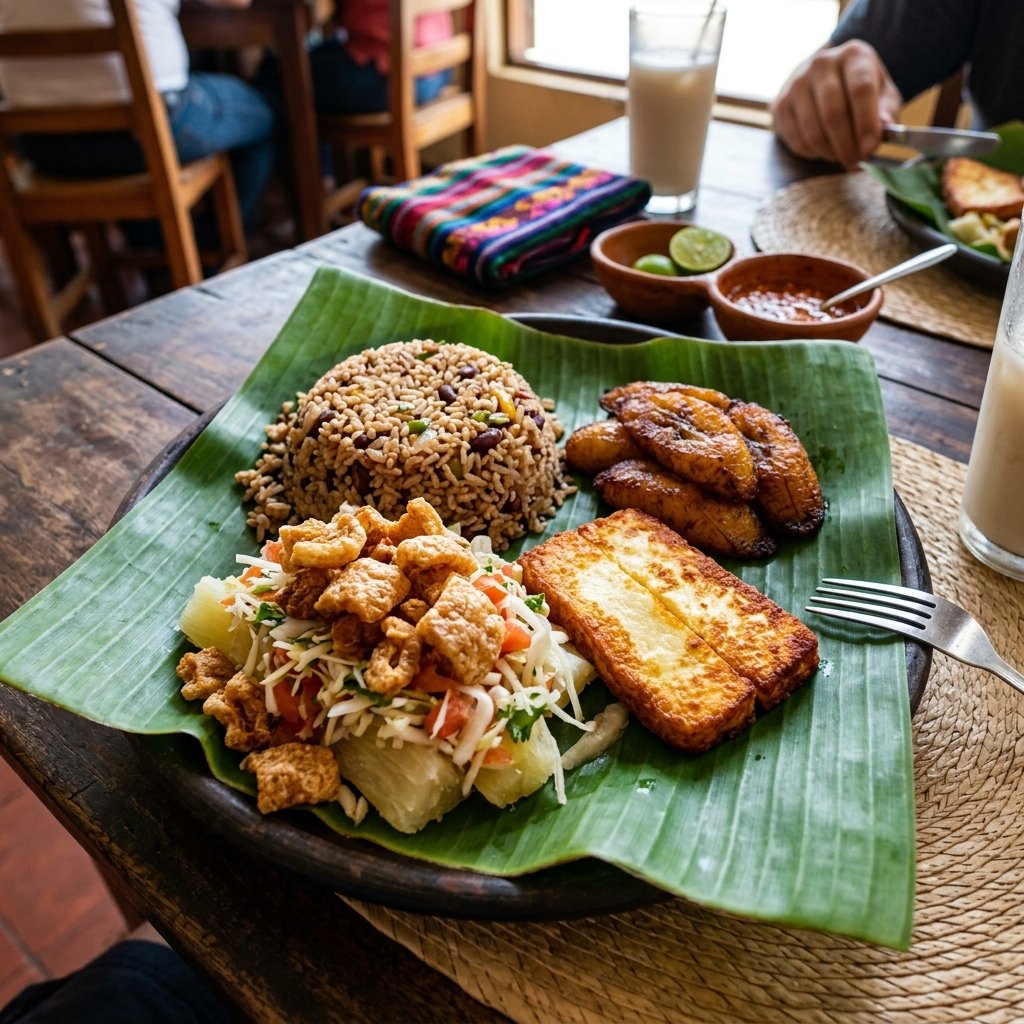
Nicaragua is a land of lakes and volcanoes, offering unique adventures like volcano boarding down Cerro Negro. For these excursions, safety equipment is rented locally, and guides are highly recommended. Always carry cash in Córdobas to tip your local guides and buy refreshing drinks at the trailheads, as credit card readers are non-existent in volcanic parks. After a long hike, there is nothing better than a traditional Nicaraguan breakfast of **Nacatamales**—corn dough filled with pork, rice, potatoes, and raisins, wrapped in banana leaves and slow-cooked. These hearty meals are typically sold on weekend mornings directly from local family homes and small comedores. Like volcano boarding guides, these local culinary spots are strictly cash-only, making physical currency an absolute necessity during your journey.

Frequently Asked Questions (FAQ)
Do Uber and Grab operate in Nicaragua?
No. Neither Uber nor Grab operates in Nicaragua. To book private rides with transparent, negotiated pricing, travelers should download InDrive or use Aventón.
Can I use US Dollars in Nicaragua?
Yes. US Dollars are widely accepted alongside local Córdobas in most tourist hubs. However, vendors will strictly reject any bills that are torn, marked, creased, or damaged. Ensure you carry clean, low-denomination bills.
Are credit cards widely accepted in Nicaragua?
Credit cards are accepted in high-end hotels, supermarkets, and upscale restaurants in major cities. However, many merchants add a 3% to 5% processing surcharge. Small family comedores, local taxis, and chicken buses are strictly cash-only.
Which mobile carrier has the best coverage in rural Nicaragua?
Claro Nicaragua generally provides the most reliable network coverage and signal strength in rural destinations, such as Ometepe Island, León’s surroundings, and northern mountain zones.
 Nicaragua eSim