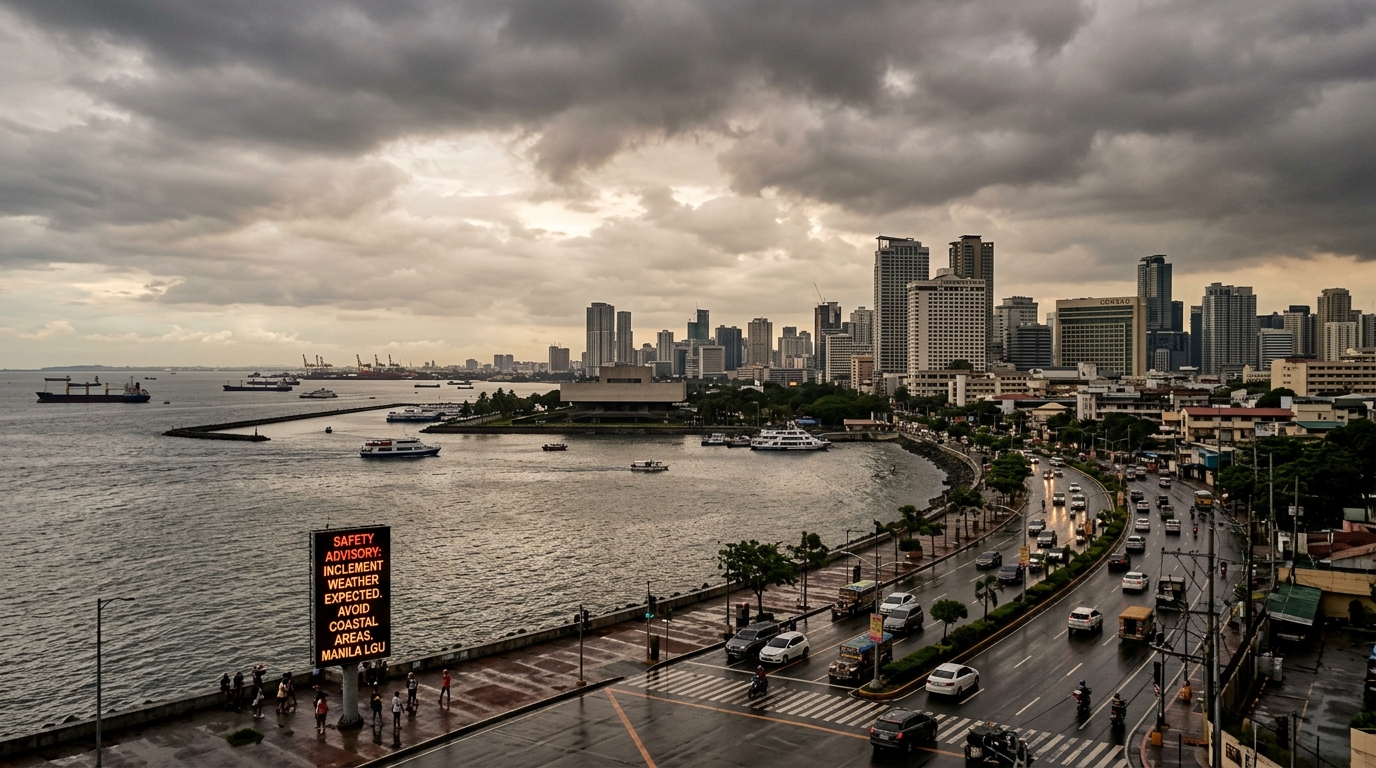
A series of moderate to strong seismic events, including a Magnitude 6.3 earthquake off coastal Philippines, has prompted regional travel warnings across Luzon and the Visayas. While major transport hubs like Manila Ninoy Aquino International Airport (MNL) remain operational, structural safety inspections are triggering temporary delays on high-speed rail lines and local inter-island ferry services. Travelers in the Philippines must stay updated on official safety alerts, inspect hotel integrity, and ensure dual-carrier mobile data backup for uninterrupted emergency communication.
Last Verified: August 7, 2026 based on Philippine Institute of Volcanology and Seismology (PHIVOLCS) & Civil Aviation Authority reports | Written by Travely Safety Board
Key Takeaways: Philippines Travel Safety & Transit Status
- Seismic Warning Status: PHIVOLCS reports multiple aftershocks following the 6.3M offshore tremor; coastal areas are under routine seismic monitoring.
- Manila & Regional Airports (MNL, CEB): Flight operations remain active, but structural runway checks may cause 30–60 minute ground delays.
- Inter-Island Ferries: Coast Guard safety advisories have temporarily paused ferry departures between Batangas, Mindoro, and Boracay transit points during wave surges.
- Emergency Contacts: Dial 911 for National Emergency Response or contact your embassy in Manila.
- Connectivity Backup: Local cellular networks can experience heavy congestion during seismic warnings; maintaining an active roaming travel eSIM is critical for emergency GPS maps and translation.
Current Status: Philippines Seismic Activity & Airport Operations
According to updates released by the Philippine Institute of Volcanology and Seismology (PHIVOLCS), tremors reaching Magnitude 6.3 and 5.6 were recorded offshore, with seismic shocks felt across Metro Manila, Batangas, and coastal Visayas. Civil aviation authorities confirmed that airport infrastructure at Ninoy Aquino International Airport (MNL) and Mactan-Cebu International Airport (CEB) sustained no major structural damage, though cautionary terminal safety sweeps caused temporary flight stacking.
Transit Disruptions & Ferry Warnings
While domestic flights are resuming scheduled times, maritime transport authorities have issued precautionary holds on light watercraft and inter-island passenger ferries in affected coastal regions. Below is the current transit status across key Philippine travel corridors:
| Location / Transit Hub | Current Advisory Status | Action Required for Travelers |
|---|---|---|
| Manila Airport (MNL) | Operational (Minor Delays) | Arrive 3 hours before flight; check airline app status updates. |
| Cebu Airport (CEB) | Normal Operations | Standard check-in applies; monitor onward connecting flights. |
| Batangas / Boracay Ferries | Cautionary Hold | Verify Coast Guard clearances before traveling to ferry ports. |
| Metro Manila Commuter Rail | Speed Restriction Active | Expect 20–30 min delays on LRT/MRT lines during track inspections. |
During seismic advisories, local physical SIM cards can suffer network congestion as thousands attempt local calls simultaneously. Equipping your smartphone with an international travel eSIM that supports dual-network roaming (such as Smart and Globe) allows your device to automatically switch to the strongest available signal tower, ensuring instant access to Google Maps, messaging apps, and emergency embassy lines without queuing at airport booths.
Emergency Action Plan: If Seismic Aftershocks Occur
- Drop, Cover, and Hold On: If inside a building during an aftershock, take cover under a sturdy desk or table away from glass windows.
- Inspect Accommodation Integrity: Follow hotel management instructions and locate emergency stairwell exit routes immediately.
- Avoid Coastal Lowlands: Stay clear of beaches and sea walls if a tsunami marine advisory is issued by PHIVOLCS.
- Keep Mobile Devices Charged: Maintain a power bank charged to 100% and keep your mobile data roaming active.
Frequently Asked Questions
Are flights to Manila (MNL) cancelled due to the earthquake?
No, major international airports in Manila and Cebu are open and operating. However, brief ground delays may occur while safety sweeps take place.
Is it safe to travel to Boracay or Palawan?
Island destinations remain accessible by air. Check local Coast Guard bulletins if your journey requires inter-island ferry transfers.
How do I get emergency internet access in the Philippines during disasters?
Activating a travel eSIM prior to arrival or via Wi-Fi provides instant cellular roaming access across both major national networks (Smart and Globe) without needing local registration.

Philippines eSIM
PRICE & SPEED COMPARISON
⏳ 30+ min queue
$15.00+
⚡ Instant Link
$4.00
🔔 Get Alerts for Philippines eSIM
SELECT DATA PLAN
$4.00