Answer-First Summary
An extreme heatwave and a fast-moving wildfire in Spain’s Aragon region have triggered safety advisories as of July 16, 2026, causing localized transit delays, road closures, and reduced visibility near transport corridors. Travelers in northeastern Spain are advised to avoid affected zones, monitor real-time warnings from AEMET, and secure alternative mobile connectivity in case of local network overloading. Short-stay visitors should keep in touch with hotel staff and shelter indoors.
Key Takeaways
- Current Status: Orange and Red heat warnings active across Aragon, Spain, as of July 16, 2026.
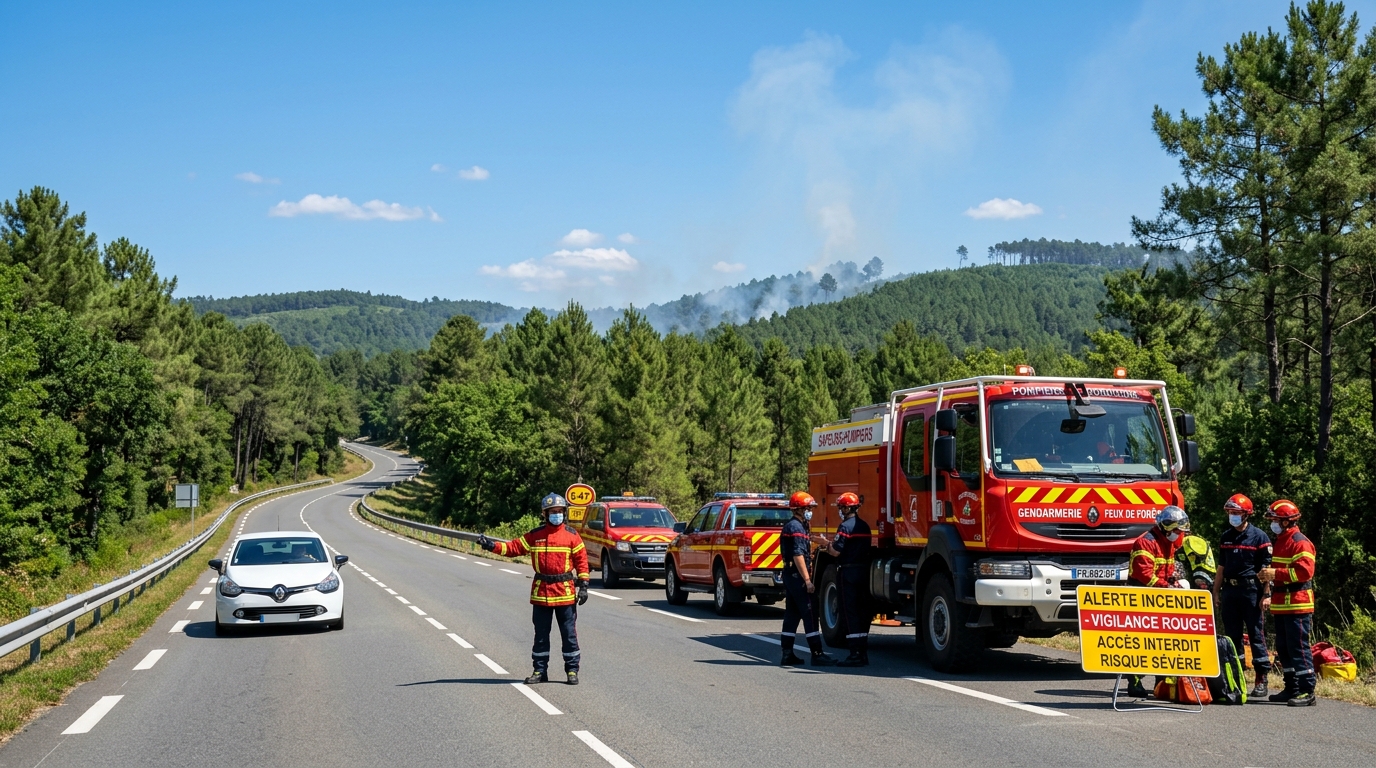
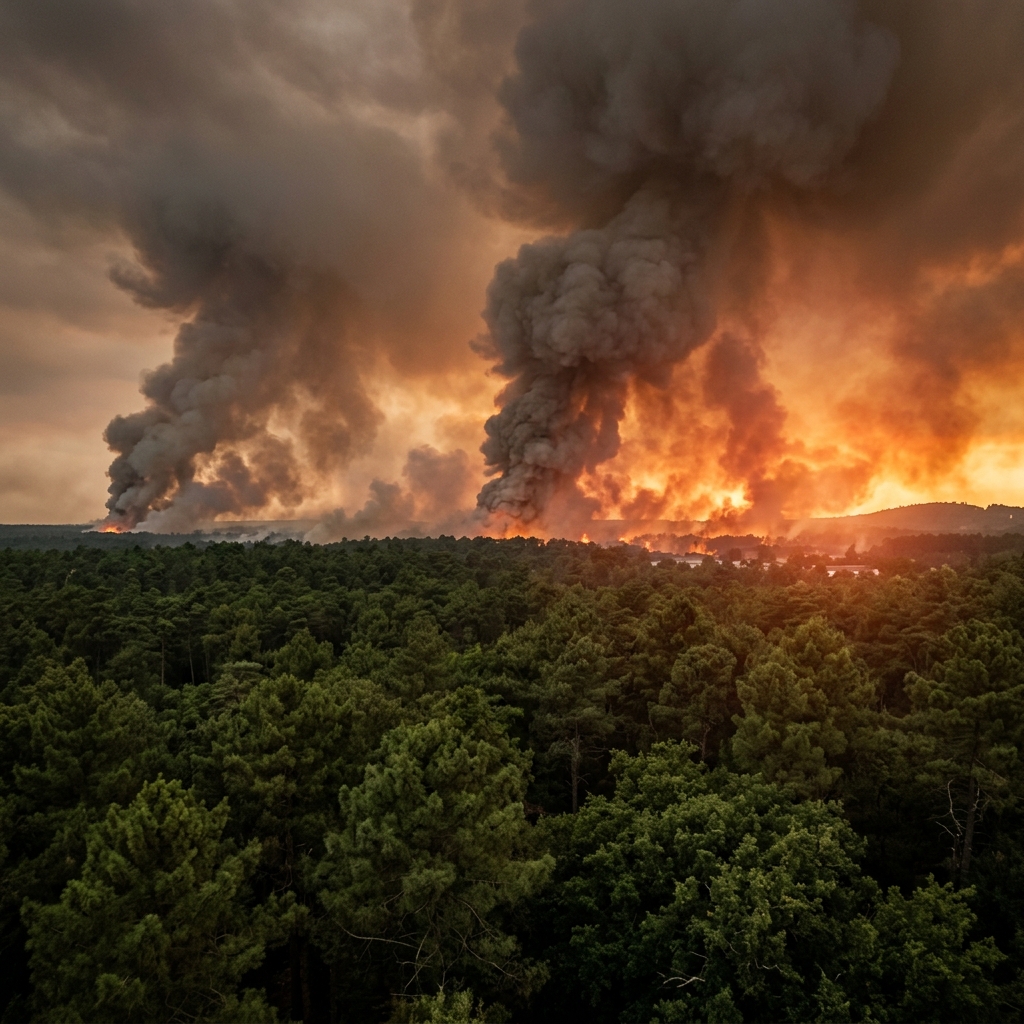
- Wildfire Impact: Major fire near Aragon forest borders causing smoke plumes and reduced visibility on regional transit routes.
- Road Closures: Specific secondary highways in the Zaragoza province are restricted; check local transit portals before driving.
- Emergency Contact: Dial 112 for all emergency services in Spain.
- Connectivity Tip: High heat and emergency coordination can stress local cellular networks; keep a backup Spain eSIM ready.
Phase 1: Airport Arrivals and Flight Advisory
When landing in northeastern Spain, particularly at Zaragoza Airport (ZAZ) or transit hubs like Madrid-Barajas (MAD) and Barcelona-El Prat (BCN), travelers should be prepared for potential minor delays due to air traffic control adjustments during extreme heat. It is critical to stay updated on flight statuses before departing for the airport.
For international arrivals, especially those entering under Spain’s Schengen visa-free rules, ensure you have your accommodation details and emergency contact numbers saved offline. Before leaving the terminal, verify that your mobile data is active so you can receive real-time weather and safety alerts from local authorities.
Phase 2: Transiting Safely Through City Commutes
Extreme summer temperatures exceeding 40°C (104°F) can put a strain on public transportation systems, leading to slower train speeds and increased congestion. If you are commuting within Zaragoza or neighboring towns, avoid walking outdoors during peak afternoon heat.
Stay inside air-conditioned metro stations and transit hubs where possible. When booking ride-hailing services or taxis, ensure the driver is aware of any local road blocks or active smoke alerts in the immediate vicinity of your destination.
Phase 3: Postponing Regional Excursions and Road Warnings
Travelers are strongly advised to postpone all non-essential road trips and hiking excursions in rural Aragon. The local State Meteorological Agency, AEMET (Agencia Estatal de Meteorología), has issued strict warnings against entering forested areas due to high ignition risks.
Several provincial roads in Zaragoza and Huesca have experienced temporary closures or police checkpoints. Always consult the official Spain traffic authority (DGT) website for live road status maps before embarking on any intercity travel.
Phase 4: Savoring Local Food and Dining Tipping While Sheltering
During peak heat hours, sheltering in your hotel or a local indoor market is the safest option. If you choose to order food via delivery apps to avoid the mid-day heat, it is customary to tip delivery riders who are working under extreme weather conditions. A tip of 10% to 15% is highly appreciated in Spain for courier services during adverse weather.
Most local businesses, restaurants, and cafes accept major credit cards and mobile payments. However, keeping a small amount of Euro cash is recommended, as high heat or local power grid instability can occasionally disrupt electronic payment systems.
Current Safety & Transit Status
| Location / Transit Hub | Current Advisory Status | Action Required for Travelers |
|---|---|---|
| 📶 TravelyData eSIM | Active Emergency Backup | Toggle to secondary operator if primary signal drops |
| 📶 Zaragoza Airport (ZAZ) | Operational with minor delays | Monitor airline app for visibility and schedule updates |
| 📶 Aragon Regional Roads | Partial closures in Zaragoza province | Avoid secondary highways near active wildfire zones |
| 📶 Zaragoza Central Station | High-speed trains operating at reduced speeds | Check Renfe schedules online; expect minor delays |
| 📶 Metro & Public Buses | Normal air-conditioned service | Stay indoors; use public transit only during cooler hours |
Frequently Asked Questions
Q1: What should I do if my travel plans to Aragon are disrupted by wildfires?
A1: Monitor the official warnings from AEMET and check road conditions via the DGT portal. Contact your hotel or tour operator immediately to reschedule. If your flight or train is cancelled, request a cancellation certificate online to claim a refund or file an insurance claim.
Q2: Will my mobile phone work near active wildfire zones in Spain?
A2: Emergency services may prioritize network bandwidth, or physical towers could be damaged. Having a backup Spain eSIM that supports multiple local networks (like Orange and Vodafone) allows you to manually select the strongest network provider in your phone’s settings.
Q3: Where can I check real-time fire and weather warnings in Spain?
A3: Always check the official website of the Spanish State Meteorological Agency, AEMET on Wikipedia, or follow their official Twitter/X handles. For road conditions, refer to the Dirección General de Tráfico (DGT).
 Spain eSim