Updated: 28 November 2026 (Asia/Bangkok) · By: TravelyData Editorial Team
Five technology developments published between 24 and 27 November: Neuralink’s FDA-authorized pivotal BCI study, Anthropic’s new MCP capabilities, Firefox 161 privacy controls, a Kioxia–NVIDIA storage proof of concept and Netweb’s new enterprise workspace platform. This is an editorial selection, not a verified ranking from X or Google Trends.
At a glance
FDA authorizes a pivotal study of an investigational brain-computer interface.
Skills are in public beta; Tasks and Elicitation are generally available in Claude.
Per-site VPN rules join new reading and browsing controls.
A proof of concept uses SSD storage to extend GPU-accessible data capacity.
An India-launched workspace platform targets apps, containers and AI/HPC workloads.
Neuralink wins FDA authorization to begin its first pivotal BCI study
What happened
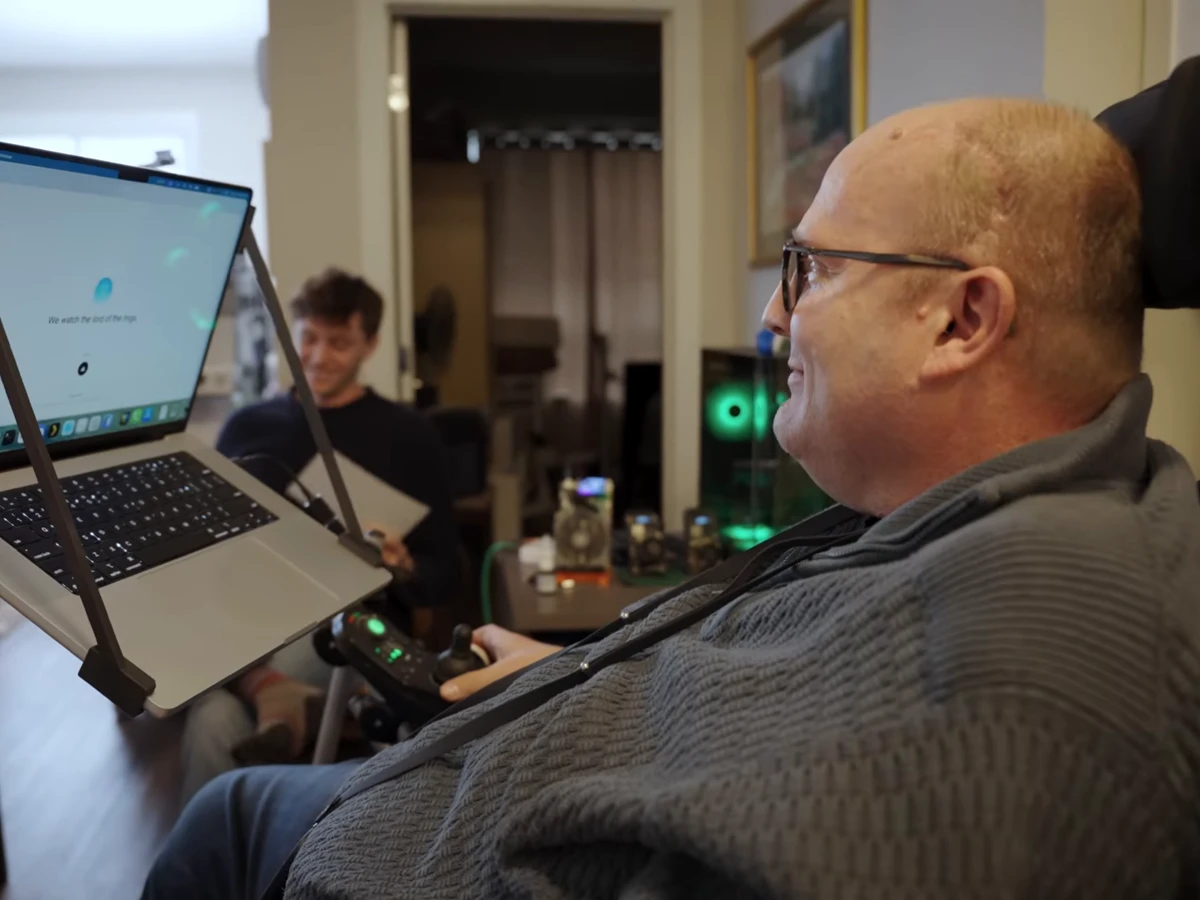
On 25 November, Neuralink said the U.S. Food and Drug Administration had authorized it to launch the LINK Pivotal Study, which the company describes as its first pivotal U.S. trial for an implantable brain-computer interface. The study is intended to evaluate safety and effectiveness for people with severe paralysis caused by amyotrophic lateral sclerosis (ALS).
The company says participants will be assessed on using the interface to control digital devices, with attention to functional outcomes and long-term safety. FDA authorization here is permission to run a clinical study; it is not approval to sell the device. Neuralink’s own clinical-trials page still describes its devices as investigational.
Why it matters
A pivotal study is a later clinical evidence step than an early feasibility trial, but results, safety follow-up and regulatory review still determine whether the device can become a marketed product. For people with severe paralysis, the study tests whether digital control can improve independence in daily tasks.
Video credit: Neuralink participant footage linked from the company’s study announcement. Watch the original video.
Sources: Neuralink announcement, 25 November 2026; Neuralink clinical-trials page and device status.
Anthropic adds Skills, Tasks and Elicitation to MCP workflows
What happened
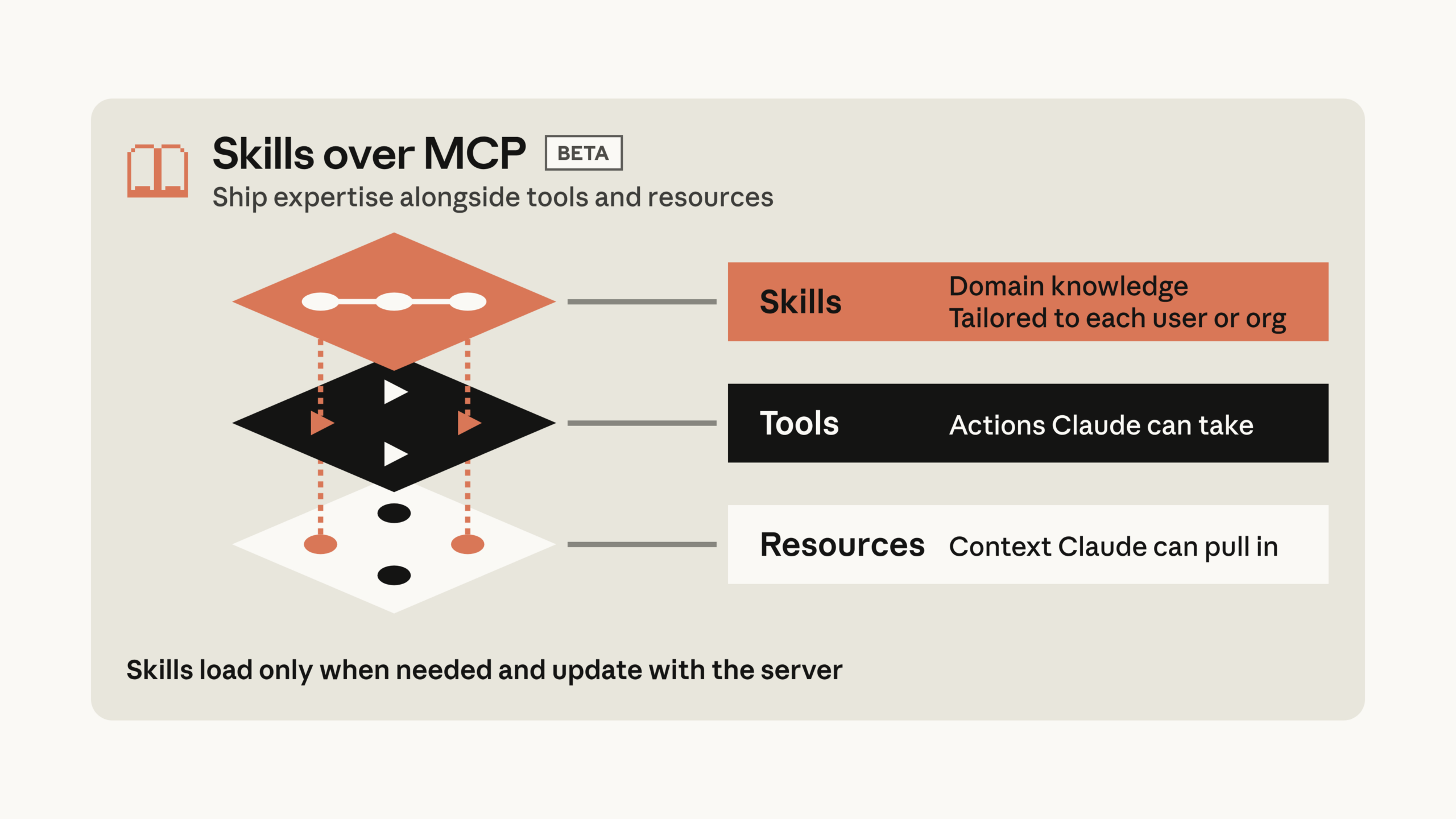
Anthropic announced on 24 November that Skills over MCP had entered public beta in Claude and Claude Code. The feature lets an MCP server publish task-specific guidance alongside the tools it exposes. The same update made MCP Tasks and Elicitation generally available for Claude’s Pro, Max and Ultra plans, with rollout to Team and Enterprise customers continuing. File Uploads are planned for a later rollout.
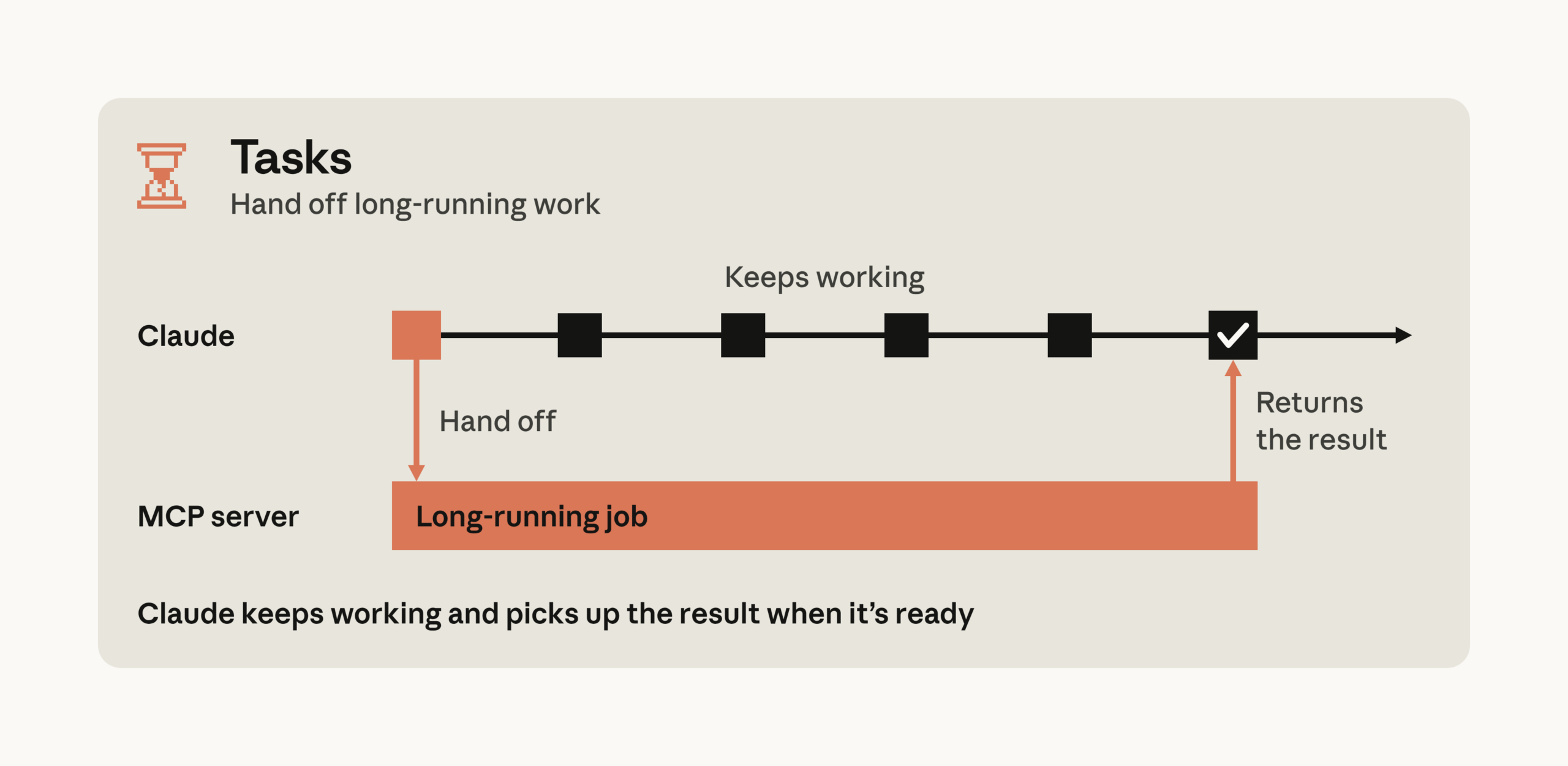
Tasks allow a server to continue longer-running work in the background while the client moves on. Elicitation lets a server pause and request user input or approval before continuing a step such as spending money or deleting data. These capabilities are extensions of the open MCP ecosystem, but each client and server still has to implement the relevant feature.
Why it matters
Agent integrations are moving beyond a list of callable tools toward longer jobs, approvals and file exchange. That makes user consent and task status part of the protocol design, rather than details each application has to invent independently.
Sources: Anthropic product update, 24 November 2026; Model Context Protocol Tasks specification.
Firefox 161 adds per-site VPN rules and new privacy shortcuts
What happened
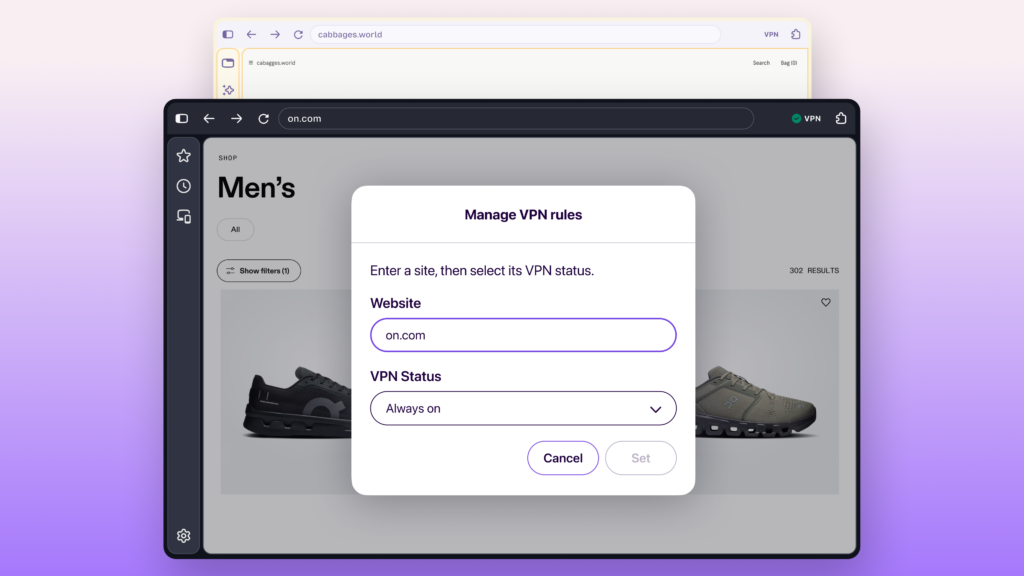
Mozilla’s 24 November Firefox 161 update lets desktop users set sites to always use or bypass Firefox’s built-in VPN. Mozilla also says Reader View’s Read Aloud feature is rolling out on Android, and that Firefox uses on-device voices so page text and audio remain on the device.
The release also brings a data-clearing “Fire” button to Firefox’s desktop Classic Window and makes Firefox available from Google Play on cars with Google built-in while the vehicle is parked. Mozilla says VPN data is unlimited through 31 January 2027 in supported regions during the promotion.

Why it matters
These changes put more privacy and convenience controls directly in the browser toolbar. The built-in VPN applies to Firefox browsing, not every app on a user’s device, and feature availability varies by platform and rollout stage.
Sources: Mozilla Firefox 161 update, 24 November 2026; Firefox 161 release notes; Mozilla’s explanation of the built-in VPN’s scope.
Kioxia and NVIDIA test SSD-backed GPU data access at petabyte scale
What happened
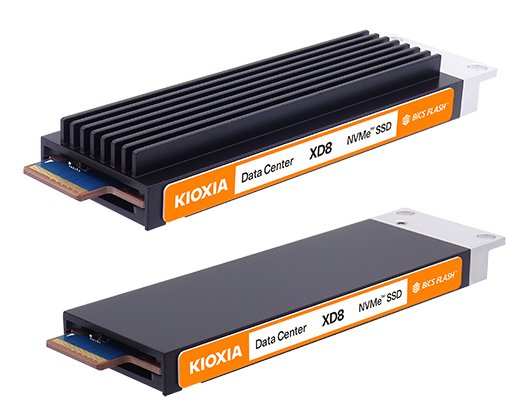
Kioxia’s 27 November European release describes a proof of concept with NVIDIA using SCADA software and 144 XD8 Series 7.68 TB NVMe SSDs in an NVIDIA GB200 NVL72 system. The SSDs provide about 1.1 petabytes of raw flash capacity; Kioxia says the configuration demonstrated processing a database of two trillion 512-byte vectors.
The release calls the work an evaluation of NVIDIA’s Storage-Next approach, which uses SSDs to extend the data a GPU can access beyond HBM alone. Flash storage is a different memory tier from HBM, with different latency and performance characteristics. The announcement does not say a 1.1 PB product is available for purchase.
Why it matters
AI systems increasingly need to keep large vector and graph datasets close to accelerators. The test explores whether fast SSDs can expand usable data capacity, while leaving real-world latency, throughput, workload fit and commercial availability as open questions.
Video credit: KIOXIA’s XD8 product overview from its official product page. This is product footage, not a recording of the November proof of concept. Watch the original video.
Sources: Kioxia Europe proof-of-concept announcement, 27 November 2026; Kioxia America announcement, 25 November 2026; Kioxia XD8 product page and video.
Netweb launches an AI-focused enterprise workspace platform in India
What happened
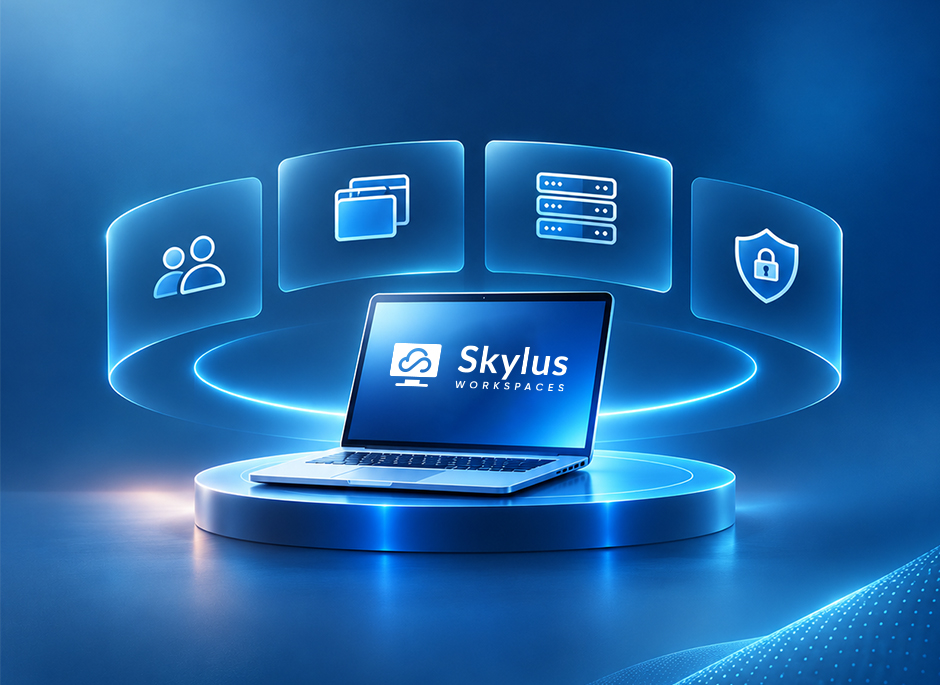
Netweb Technologies announced Skylus Workspaces on 27 November. The company describes it as an enterprise digital-workspace platform that brings virtual desktops, business applications, containerized environments and access to AI and high-performance computing resources into a centrally managed environment.
Netweb says the platform is designed for on-premises and private-cloud deployments with browser-based access, role-specific environments and centralized security controls. Its exchange filing lists India as the current launch market; the feature list and performance claims are the company’s descriptions, not independent test results.
Why it matters
Companies are looking for ways to give developers and analysts access to GPU-backed environments without placing high-end hardware at every desk. The practical questions will be how the service performs under real workloads, how it integrates with existing identity and security systems, and what it costs to operate.
Sources: Netweb product announcement, 27 November 2026; Netweb exchange filing, 27 November 2026; Skylus launch page and platform diagram.
Frequently asked questions
Does the Neuralink FDA decision mean its implant is approved for sale?
No. It authorizes Neuralink to run the LINK pivotal clinical study. The company says its devices remain investigational.
Will Anthropic’s MCP features work in every AI client?
No. MCP is an open protocol, but clients and servers must implement the relevant extensions before users can use them together.
Does Firefox’s built-in VPN cover every app on a device?
No. Mozilla describes it as a browser feature. Its availability and rollout depend on a user’s platform and region.
Is Kioxia’s 1.1 PB GPU-memory expansion commercially available?
The November announcement describes a proof of concept using SSDs and NVIDIA software. It does not announce a finished 1.1 PB product or a commercial launch date.
Where is Netweb currently launching Skylus Workspaces?
Netweb’s exchange filing lists India as the current launch market.