Updated: 27 November 2026 (Asia/Bangkok) · By: TravelyData Editorial Team
AI agents are moving from chat windows into connected apps, production infrastructure and security operations. This 27 November technology briefing covers Meta’s Muse launch in the UK, Anthropic’s Rust migration, OpenAI’s GPT-6.2 Sol rollout, the European Commission’s Quantum Act proposal and Google’s warning about agentic cyber activity. These five stories are an editorial selection, not a verified ranking from X or Google Trends.
Meta brings Muse to the UK with approval prompts for real-world tasks

What happened
Meta says its personal AI agent, Muse, is available in the UK for people aged 18 and over on iOS, Android, muse.ai and WhatsApp. The company describes Muse as an agent that can work through connected apps and websites, build plans and continue tasks after a user gives it a goal.
Meta says Muse asks for approval before important actions such as sending an email or making a purchase. It also says each user gets a separate virtual computer, and that Muse cannot see passwords or payment methods. Meta’s launch partners include British brands and travel companies such as easyJet and Jet2.
Why it matters
The launch makes permission design part of the product experience. Users need to know which connectors are enabled, what an agent can remember and when a human approval is required before a task changes an account or makes a purchase.
Sources: Meta Newsroom, 24 November 2026; UK Information Commissioner’s Office statement.
Anthropic says Claude agents helped move its Messages API to Rust
What happened
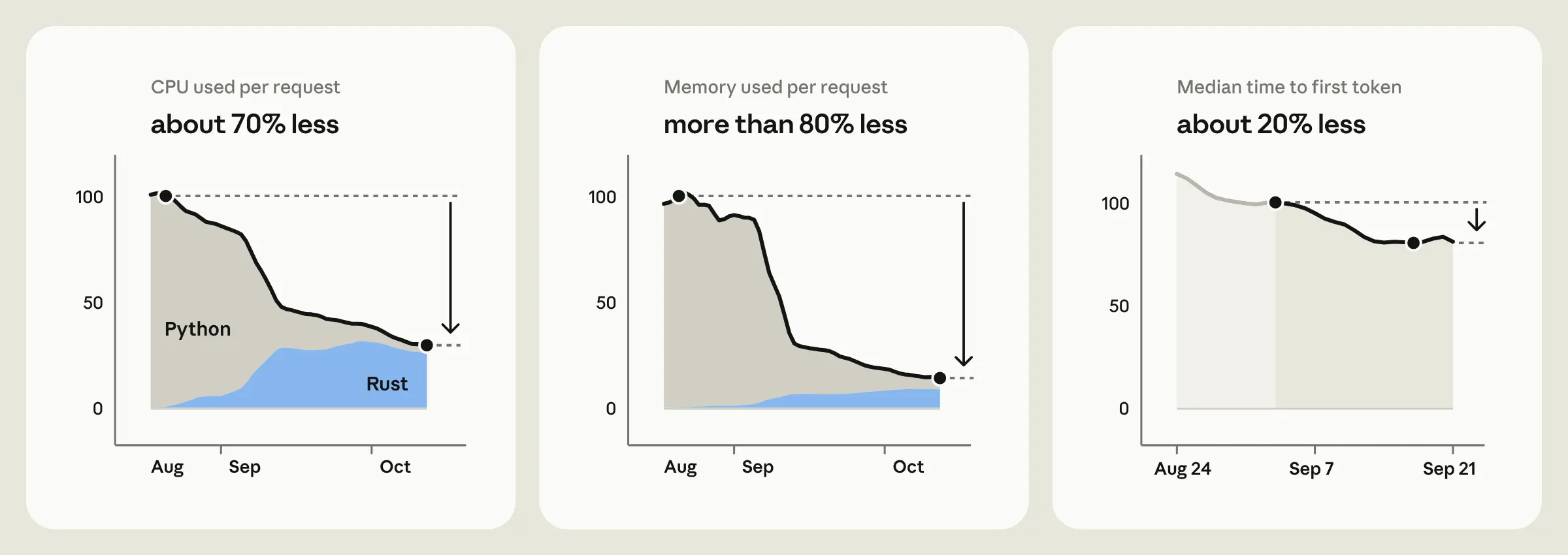
Anthropic published an engineering account of moving its Messages API from Python to Rust. The company says the migration used a shadowing system: the old and new implementations processed equivalent work, while the team recorded structural differences without reading user prompts or Claude’s replies.
Anthropic says agents proposed fixes from those difference records, engineers reviewed and merged the changes, and the Rust service took public traffic in September 2026. The post says the comparison loop was designed around verifiers that judged whether behavior matched, rather than around agents making their own final decisions.
Why it matters
The story is a practical example of using coding agents inside a production migration. The important control is the comparison harness: an agent can suggest changes, but a separate verifier and human review decide whether a change is safe to ship.
Source: Anthropic, “Migrating our Messages API to Rust,” November 2026.
OpenAI rolls GPT-6.2 Sol into ChatGPT for everyday work
What happened
OpenAI’s November release notes say GPT-6.2 in ChatGPT is powered by a version of GPT-6.2 Sol for Plus, Pro, Business and Enterprise users. OpenAI’s model documentation describes Sol as a faster, lower-cost model family member aimed at professional work, coding, factuality and computer use.
The release is separate from the earlier GPT-6 Sol and Luna announcement, which described lower API pricing and efficiency improvements. The current ChatGPT rollout therefore changes what eligible users see in the product, while API pricing and model availability remain separate questions.

Why it matters
Model names now change on several surfaces at once: ChatGPT, the API and developer tools can expose different versions and access rules. Teams should record the exact model identifier when comparing output, cost or reliability.
Sources: OpenAI ChatGPT release notes, November 2026; OpenAI model announcement.
European Commission proposes a Quantum Act and sovereign-tech fund
What happened
On 25 November, the European Commission proposed a Quantum Act to move quantum research into products and services, strengthen supply chains and prepare European systems for post-quantum cryptography. The proposal has three broad pillars: research excellence, industrial deployment and security.
The Commission also proposed a Sovereign Tech Equity Fund to support technologies considered important to Europe’s technological sovereignty and economic security. The proposal still depends on EU budget decisions and future programme rules; it is not a completed funding allocation.

Why it matters
Quantum policy is being linked to procurement, industrial capacity and cryptographic migration rather than treated only as a research topic. For companies handling long-lived sensitive data, the post-quantum transition is the most immediate planning issue.
Source: European Commission press release, 25 November 2026.
Google says agentic cyber activity has crossed a significant threshold
What happened
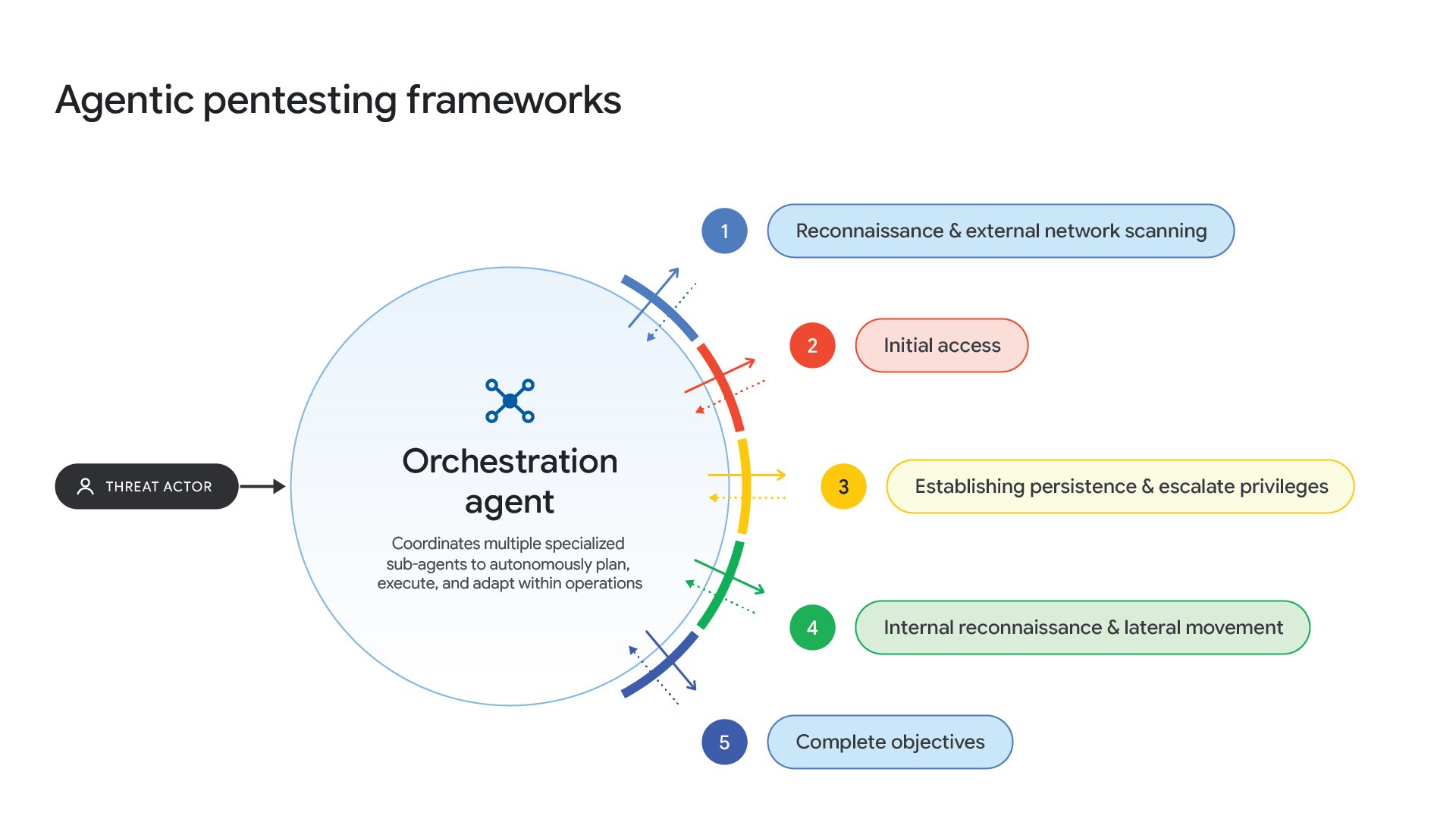
Google Threat Intelligence Group and Mandiant said adversaries are moving beyond basic prompting toward autonomous multi-agent frameworks, automated vulnerability research and machine-speed intrusion workflows. The report names frameworks including ARTEX, CAIRN, CyberStrikeAI and PentAGI, and describes their use in reconnaissance, exploit development and post-exploitation tasks.
Google also warned about LLMJacking, in which attackers steal model credentials or cloud resources and resell access. The report describes observed activity and defensive telemetry; it does not mean every attack is fully autonomous or that a named framework caused every incident.
Why it matters
Defenders need controls around agent credentials, coding-assistant configuration and internet-facing patch cycles. Faster attack automation increases the value of basic safeguards such as least privilege, rapid patching and monitoring for unusual model or cloud usage.
Source: Google Cloud Threat Intelligence Group and Mandiant, 16 November 2026. Image credit and original source are shown above.
Frequently asked questions
Is Meta Muse available worldwide?
The cited announcement covers the UK launch for users aged 18 and over. Meta lists other availability and future expansion separately.
Did Anthropic let agents deploy Rust changes without checks?
No. Anthropic describes shadow comparisons, verifiers, staging and human review before changes reached production.
Is the EU Quantum Act already law?
No. The European Commission has proposed the framework. Budget decisions and future programme rules still determine implementation.
Does Google’s report say all cyberattacks are autonomous?
No. It reports growing use of agentic frameworks and automated stages of attacks. Human involvement and the exact role of each tool vary by incident.