Updated: 29 November 2026 (Asia/Bangkok) · By: TravelyData Editorial Team
Five technology developments reported from 25–28 November point to a busy week for AI deployment: Meta is bringing Instagram viewing to Indian TVs, OpenAI has begun a small Private Inference test, and a new benchmark measures computer agents across operating systems. A UK government cyberattack and a Los Angeles school district’s temporary AI Overview suspension show how security and control shape real-world adoption.
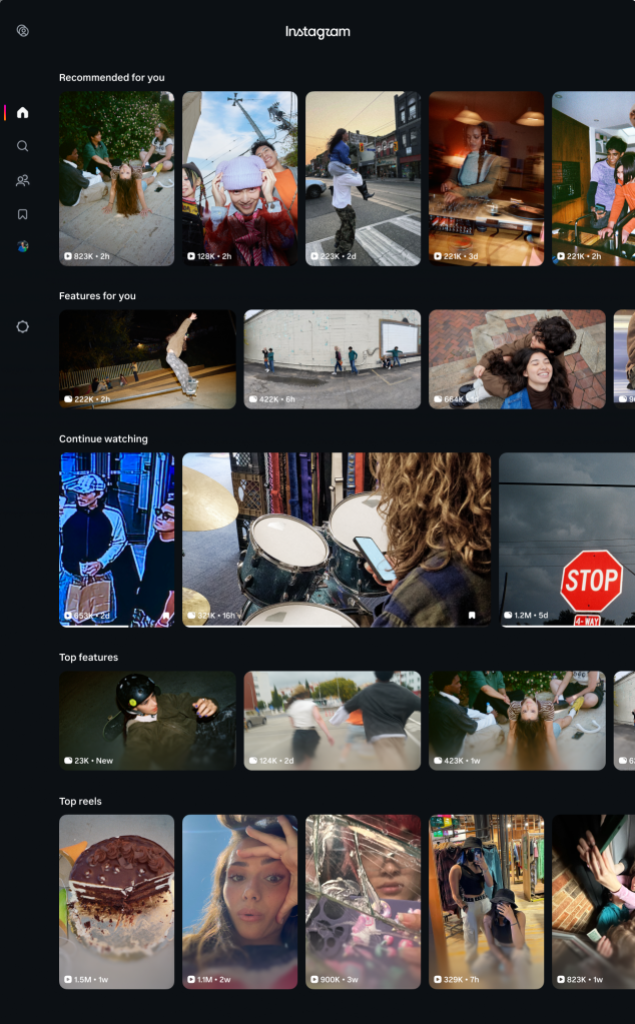
Featured image: Meta’s Instagram for TV product preview, showing a Reels interface—not a photograph of the India launch. Original image source.
This is an editorial selection from verified company, government, research and newsroom sources. It is not a ranked list from X or Google Trends.
At a glance
Meta says its Reels-and-Stories app is coming to supported TVs in India.
OpenAI is testing the privacy offering with a small customer group.
Researchers measure long workflows across six operating-system environments.
The UK department says an attempted unauthorised access disrupted online services.
LAUSD temporarily suspended AI Overviews on district devices, AP reports.
Meta is bringing Instagram for TV to India
What happened
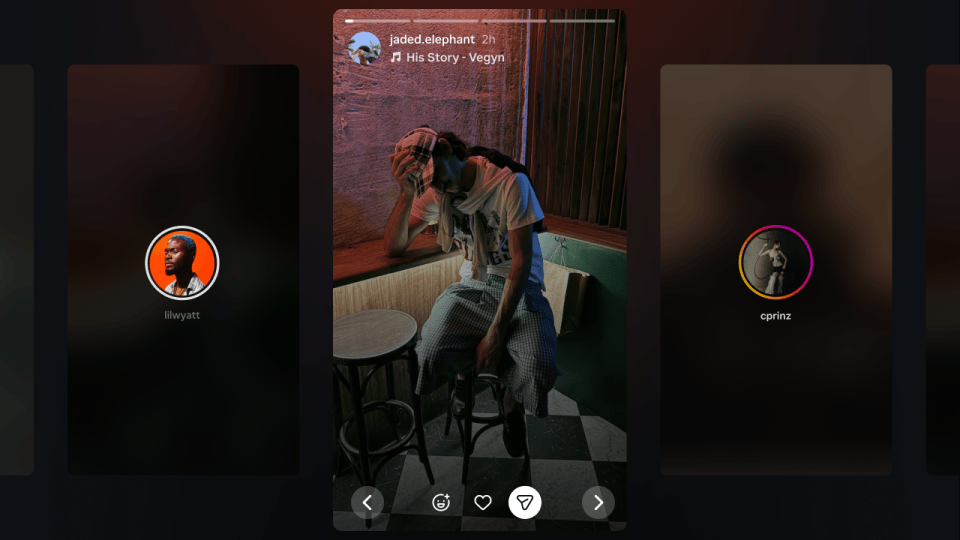
Meta announced on 27 November at its House of Instagram event in Mumbai that Instagram for TV would soon be available in India on supported Apple TV, Amazon Fire TV and Google TV devices. The company said the India experience will focus on Reels and Stories, with interest-based channels, horizontal video, casting from a phone and room for up to five accounts on one TV. Meta did not give a specific launch date; its post said the app would arrive “in a few days.”
Why it matters
The move takes Instagram video beyond phone screens and frames Reels as shared living-room viewing. The rollout is limited to supported TV platforms in India at first. Meta also says teen protections and usage reminders are intended to mirror safeguards in its mobile app.
Source: Meta Newsroom, 27 November 2026.
OpenAI begins a small-customer test of Private Inference
What happened
On 25 November, OpenAI CEO Sam Altman wrote that the company was testing Private Inference, part of OpenAI Private Intelligence, with a small group of customers. OpenAI’s current Private Intelligence page labels Private Inference an alpha and describes it at a high level as confidential computing with strict controls intended to protect prompts and responses while the model processes them. The public materials do not name test customers or explain the full implementation.
OpenAI says the feature is in a limited customer test. Its product page provides a high-level description, not a detailed implementation specification or general-availability date.
Read Sam Altman’s original post on X and OpenAI’s Private Intelligence overview.
Why it matters
Privacy controls can determine whether regulated organizations are willing to use hosted AI for sensitive work. Until OpenAI publishes technical and contractual details, the announcement establishes a test and a stated goal—not an independently verifiable guarantee for every deployment.
Video credit: OpenAI's Private Intelligence page. This Glean customer story is not a demonstration of Private Inference. Watch “Glean customer story on OpenAI Private Intelligence” on Vimeo.
Sources: Sam Altman on X, 25 November 2026; OpenAI Private Intelligence page.
OS-Omni benchmark tests computer agents across six platforms

What happened
A research team posted OS-Omni to arXiv on 25 November. Version one contains 300 tasks: 48 each for Windows, Ubuntu, macOS, iOS, Android and the web, plus 12 workflows pairing a desktop with an Android phone. The benchmark checks whether tasks leave the intended application state behind, not just whether an agent completed a visible click sequence.
The authors report that their strongest evaluated agent, Claude Opus 5.5, achieved 68.5% average success compared with a 77.3% human reference. They also report uneven platform results: frontier models beat the human reference on Linux but trailed it by more than 25 percentage points on iOS and macOS. These are the paper’s v1 results, not an independent replication or a universal ranking of computer-use systems.
Why it matters
Many practical tasks cross apps and devices and depend on saved state—sending a message, updating a calendar or completing a purchase. A benchmark that tests those final outcomes can expose reliability gaps hidden by short, single-screen demos.
Sources: OS-Omni paper on arXiv, submitted 25 November 2026; HTML paper and methodology; official project site and trajectory explorer. The paper’s figures are linked at source rather than republished here.
UK DWP confirms a cyberattack after taking some online services offline
What happened
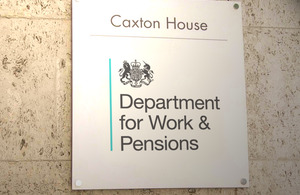
The Department for Work and Pensions updated its GOV.UK notice on 28 November to say it was investigating a cyberattack and an attempt to gain unauthorised access to its systems with the National Cyber Security Centre and Government Cyber Coordination Centre. Some online services remained unavailable. DWP said regular benefit and pension payments would continue as normal and told customers needing help to call their usual benefit line.
The Associated Press reported that DWP had found no evidence that personal details were compromised as of its 28 November report. The cause, actor and full operational impact remained under investigation; DWP’s notice warned customers to be alert to scam messages and phishing.
Why it matters
Government services are part of critical digital infrastructure, and taking systems offline can be a protective response while an incident is assessed. The public-facing update is also a reminder to verify outage messages through official channels rather than links sent by unsolicited texts or emails.
Sources: Department for Work and Pensions incident notice, updated 28 November 2026; Associated Press, 28 November 2026; GOV.UK content licence terms.
Los Angeles schools temporarily disable Google AI Overviews on student devices
What happened
The Associated Press reported on 26 November that Los Angeles Unified had temporarily suspended Google’s AI Overviews on school-issued devices. The district told AP the change was intended to keep student experiences age-appropriate and safe, and said it continually evaluates digital safeguards, including third-party tools. AP reported that the adjustment did not disable Google Search itself and that the district had made no formal public announcement about the change.
Why it matters
The issue highlights a practical governance question for schools: can administrators turn off one generative-AI feature while keeping the underlying search product? The suspension is described as temporary, so its scope and duration may change.
Video credit: ABC7/KABC, ‘LAUSD blocks Google AI features in search,’ 28 November 2026. Original video. This is ABC7 news coverage, not footage captured inside LAUSD devices.
Sources: Associated Press, 26 November 2026; Los Angeles Times, 27 November 2026.
Frequently asked questions
Is Instagram for TV available in India now?
Meta said on 27 November that the app would arrive on supported Apple TV, Fire TV and Google TV devices “in a few days.” It did not give an exact release date in that announcement.
Can businesses use OpenAI Private Inference today?
OpenAI described a test with a small group of customers. The announcement did not provide broad availability, customer eligibility or a technical specification.
What did OS-Omni measure?
Its first release measures long computer-use workflows across six operating-system environments and checks whether the task’s final application state is correct.
Did the DWP cyberattack stop benefit payments?
DWP said regular benefit and pension payments would continue as normal while some online services were unavailable.
Did LAUSD disable all Google Search for students?
No. AP reported a temporary suspension of Google AI Overviews on district devices, while the underlying search service remained available.