Answer-First Summary
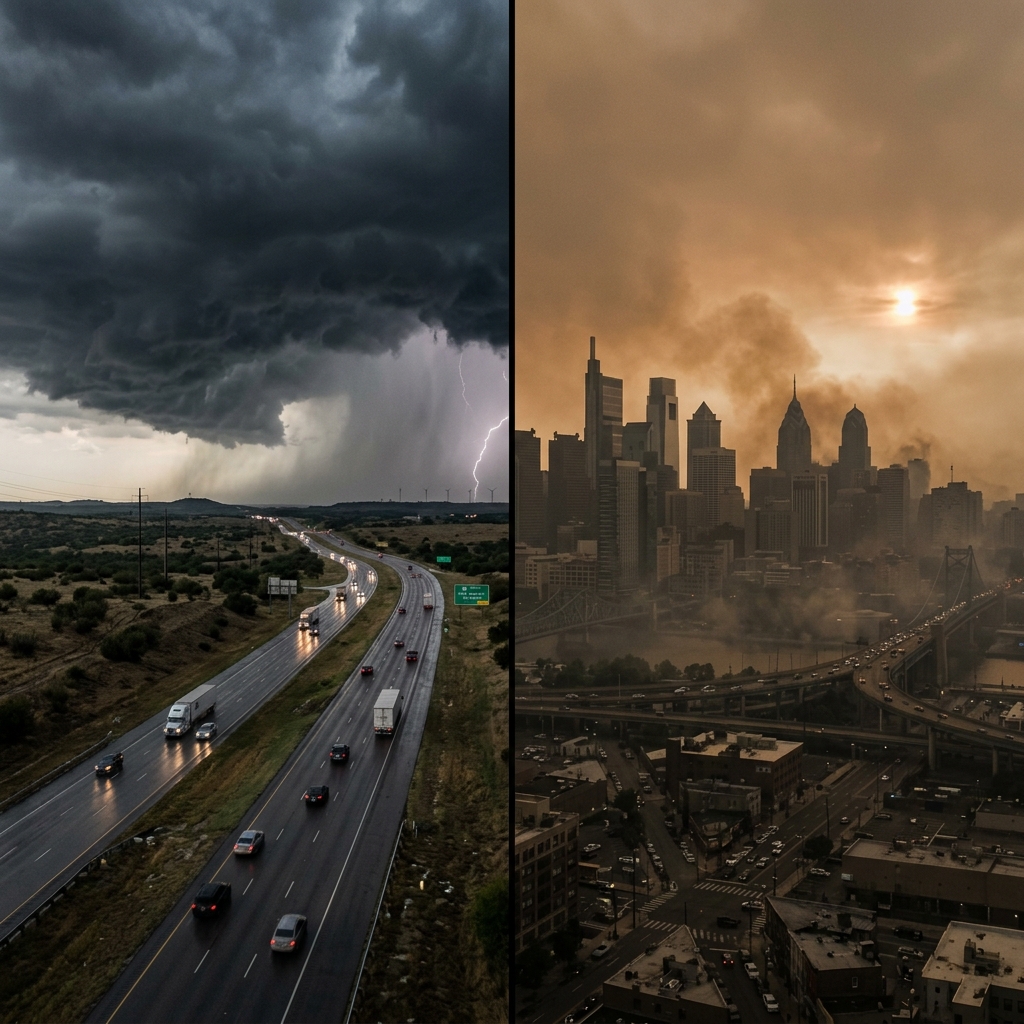
Overlapping summer weather threats—including floods in Texas, wildfire smoke in the East, and high heatwaves—have disrupted regional transit systems in the United States as of July 17, 2026. Travelers are advised to anticipate flight delays at major hubs, avoid flooded road sectors, and keep emergency backups activated. International visitors should monitor official alerts from local weather offices.
Key Takeaways
- Current Status: Triple weather alerts (smoke, heat, floods) active across the US as of July 17, 2026.
- Transit Impact: Road closures in Texas hill country and flight delays in East Coast airports.
- Safety Advice: Avoid driving through standing water and limit outdoor activity under high haze.
- Emergency Contact: Dial 911 for immediate emergency assistance in the US.
- Connectivity Tip: Heavy cellular traffic during storm disruptions can load network towers; have a backup US eSIM ready.
Phase 1: Airport Arrivals and Flight Advisory
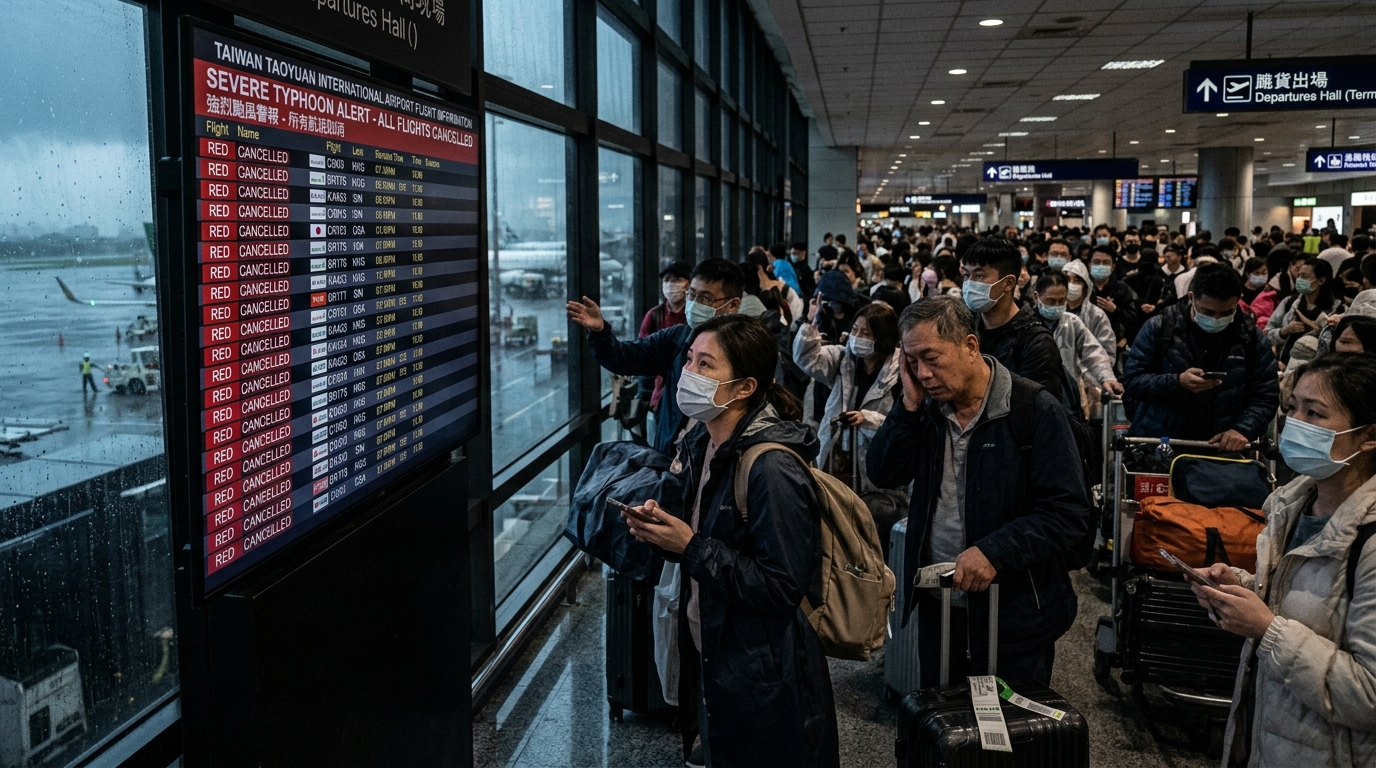
Travelers arriving at major East Coast airports should prepare for flight delays and potential scheduling changes due to low visibility from drifting wildfire smoke. If you are landing at JFK, Newark, or Boston Logan, check your flight status via your airline’s portal before leaving for the airport. Ground delays are active in multiple states.
Ensure you have activated your mobile data upon landing. Getting connected immediately will help you stay updated with notifications from air traffic control and weather agencies.
Phase 2: Transiting Safely Through City Commutes
In addition to air quality issues in the East, intense summer storms have triggered localized flooding in the South, particularly in Texas. Avoid transiting through underpasses or driving along low-water crossings. If you encounter flooded roads, turn around immediately.
When booking rideshare services in storm-affected areas, confirm with your driver that they are using updated navigation routes that bypass blocked avenues.
Phase 3: Postponing Regional Excursions and Road Warnings
National parks and scenic highway drives in several states have faced alerts for fire, smoke, or water damage. The National Weather Service has urged the public to stay informed on regional warnings. Consider postponing regional camping or hiking activities until weather warnings clear.
Check the latest alerts on the National Weather Service portal before embarking on any intercity road trips.
Phase 4: Savoring Local Food and Dining Tipping While Sheltering
If you are sheltering in your hotel or rental home to avoid poor air quality or rain, ordering food delivery is a safe option. Delivery drivers in storm or haze-affected areas face additional safety hazards. In the US, it is standard practice to tip delivery couriers 15% to 20% for their services, especially during severe weather conditions.
Mobile and contactless credit card payments are widely accepted on all US delivery platforms, allowing you to manage transactions easily.
Current Safety & Transit Status
| Location / Transit Hub | Current Advisory Status | Action Required for Travelers |
|---|---|---|
| 📶 TravelyData eSIM | Active Emergency Backup | Enable data roaming; switch partner carriers if signal drops |
| 📶 Texas Hill Country Roads | Flooding closures active | Do not drive through standing water; use highway detours |
| 📶 East Coast Airports (JFK/EWR) | Low visibility; flight delays | Check flight status on airline app before departing |
Frequently Asked Questions
Q1: What should I do if I see a flooded road while driving in Texas?
A1: Do not attempt to cross it. Even shallow water can sweep a vehicle away. Turn around and find an alternate route.
Q2: How can I protect myself from poor air quality due to the wildfire smoke?
A2: Stay indoors with windows closed, run air conditioning on internal recirculation, and wear an N95 mask if you must go outside.
Q3: How do I know if my travel insurance covers weather-related flight cancellations?
A3: Contact your insurance provider. You will need to request a formal cancellation certificate from your airline to support your claim.
 United States eSim