Answer-First Summary
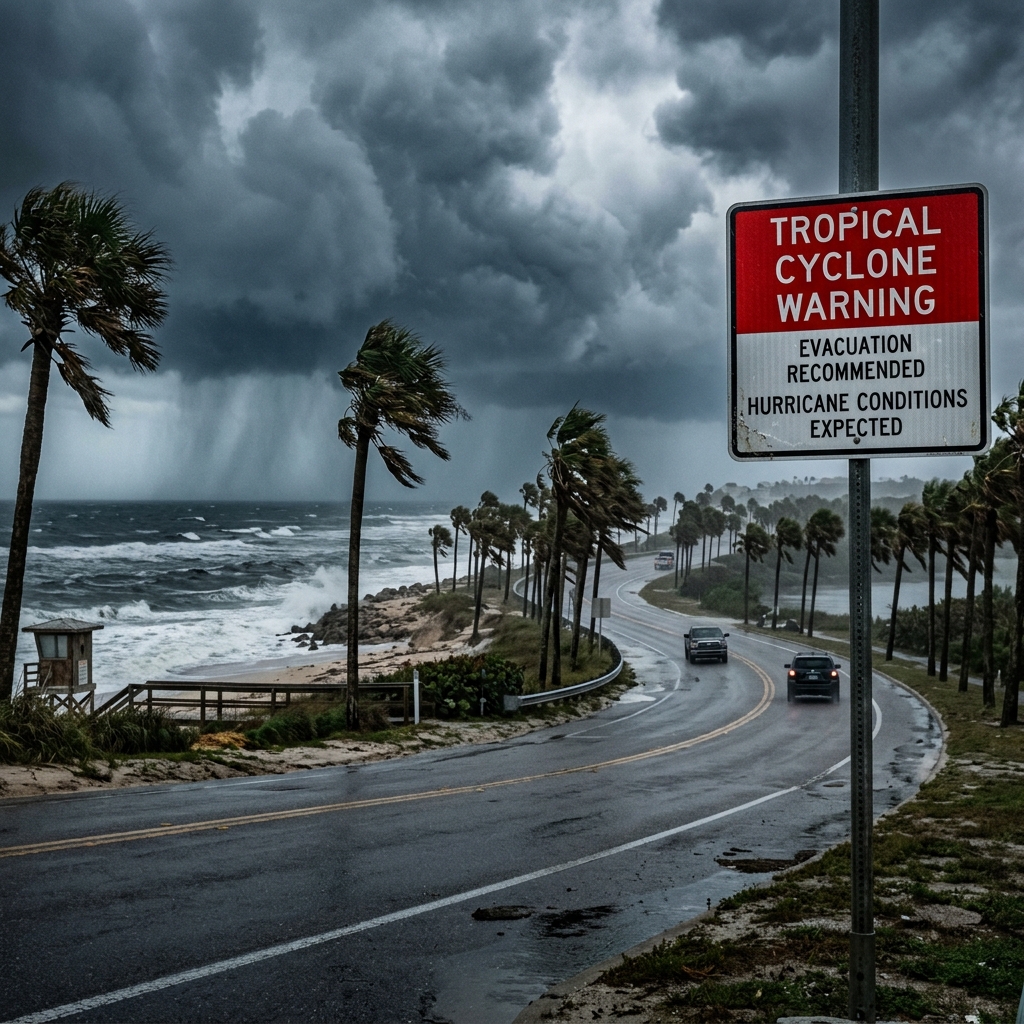
The National Hurricane Center has issued a warning of an 80% chance of a tropical cyclone forming near Florida as of July 19, 2026, threatening flights and coastal transportation. Travelers are urged to verify airline itineraries, avoid beach areas during storm warnings, and secure a backup mobile connection to receive emergency bulletins.
Key Takeaways
- Current Status: 80% probability of tropical cyclone formation near the Florida coast as of July 19, 2026.
- Transit Impact: Flight cancellations and delays possible at Miami (MIA) and Orlando (MCO) airports.
- Safety Measures: Evacuate low-lying beaches if advised; follow local county emergency orders.
- Emergency Contact: Dial 911 for immediate rescue or emergency services in the US.
- Connectivity Tip: Severe winds can impact public internet services; keep a secure US eSIM loaded for private lookup.
Phase 1: Airport Arrivals and Flight Advisory
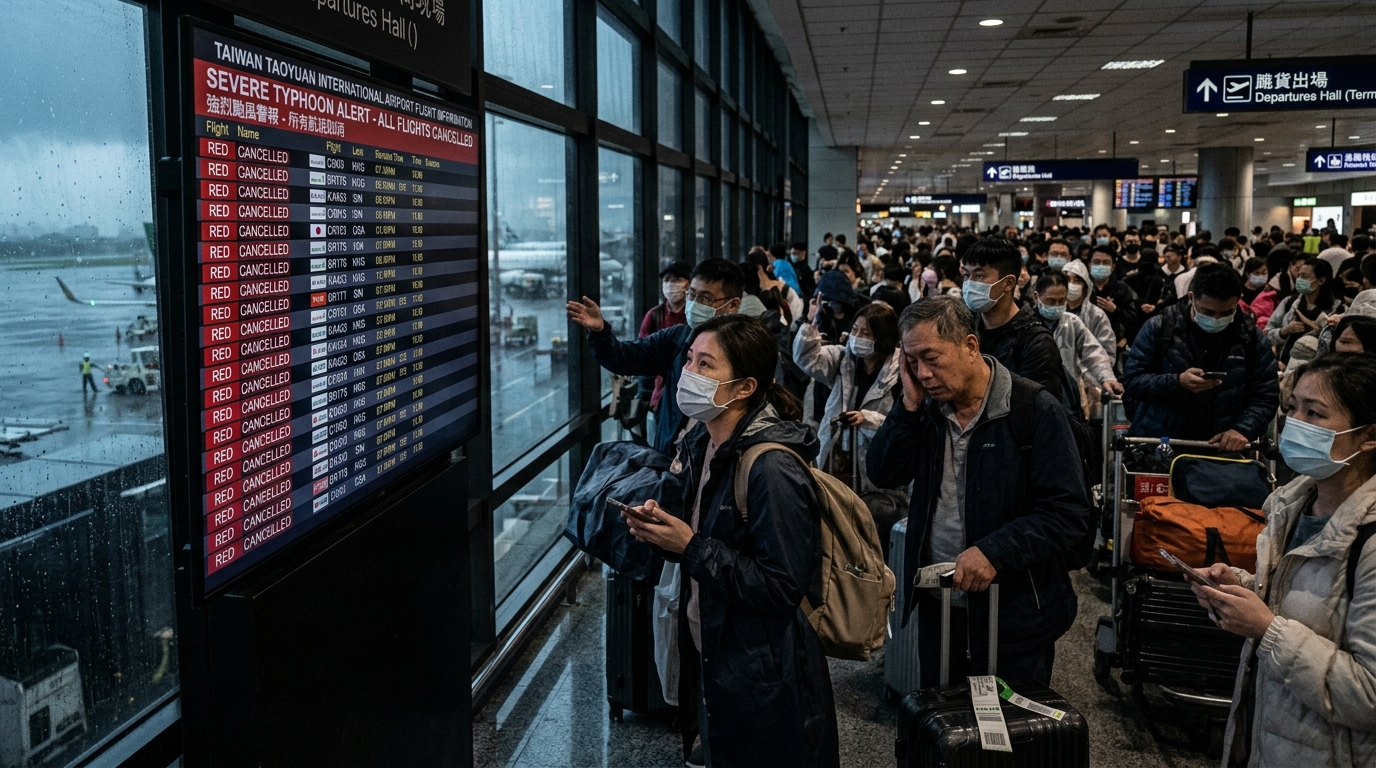
If you are planning to land in Florida over the next 48 hours, monitor your flight status closely. The National Hurricane Center on Wikipedia notes that cyclones can rapidly intensify. Major hubs like Miami (MIA), Fort Lauderdale (FLL), and Orlando (MCO) may suspend runway operations if sustained winds exceed safety thresholds. Confirm ticket rebooking options with your airline before heading to the terminal.
Ensure your mobile device has a secure cellular network connection immediately upon landing, as regional airports can restrict public Wi-Fi access during emergency alerts.
Phase 2: Transiting Safely Through City Commutes
Severe rainfall associated with developing tropical systems can trigger sudden street flooding, especially along coastal highways and low-lying intersections in Miami Beach. If renting a car, check local weather updates before starting your route. Avoid driving through standing water.
Keep a close watch on local news for updates on draws or bridge closures that could disrupt regional commutes.
Phase 3: Postponing Regional Excursions and Road Warnings
Avoid beach excursions or marine activities during high surf warnings. State parks along the coastline are subject to early closures. Keep your vehicle’s fuel tank full, and keep a paper copy of local evacuation routes in your glove compartment. Follow all local evacuation notices immediately.
Always consult local meteorological bulletins before traveling near coastal counties.
Phase 4: Savoring Local Food and Dining Tipping While Sheltering
If sheltering in your hotel or vacation rental, rely on delivery services if they remain active. Please consider the safety of delivery riders in severe weather conditions. In the United States, tipping between 18% and 22% is customary for delivery couriers, especially during weather warnings.
Electronic credit card processors are generally reliable, but having some cash is recommended in the event of brief local power grid failures.
Current Safety & Transit Status
| Location / Transit Hub | Current Advisory Status | Action Required for Travelers |
|---|---|---|
| 📶 TravelyData eSIM | Active Emergency Backup | Verify roaming is active; manual select operators if needed |
| 📶 Miami Airport (MIA) | Potential delays; operations active | Confirm flight departure times online before leaving for terminal |
| 📶 Florida Coastal State Parks | Temporary storm closures possible | Check park status portals; avoid coastal excursions |
Frequently Asked Questions
Q1: Will theme parks in Orlando close during the cyclone warning?
A1: Theme parks generally remain open during initial watches, but outdoor rides may close if lightning or high winds are reported. Monitor official park apps for updates.
Q2: How do I access official emergency weather alerts in Florida?
A2: You can download the FEMA app or check the National Hurricane Center website. Local county alert systems are also active.
Q3: Should I keep cash on hand in Florida during storm alerts?
A3: Yes. Localized power outages can disable POS terminals at shops and gas stations. Having a reasonable amount of USD cash is highly recommended.
 United States eSim