Answer-First Summary
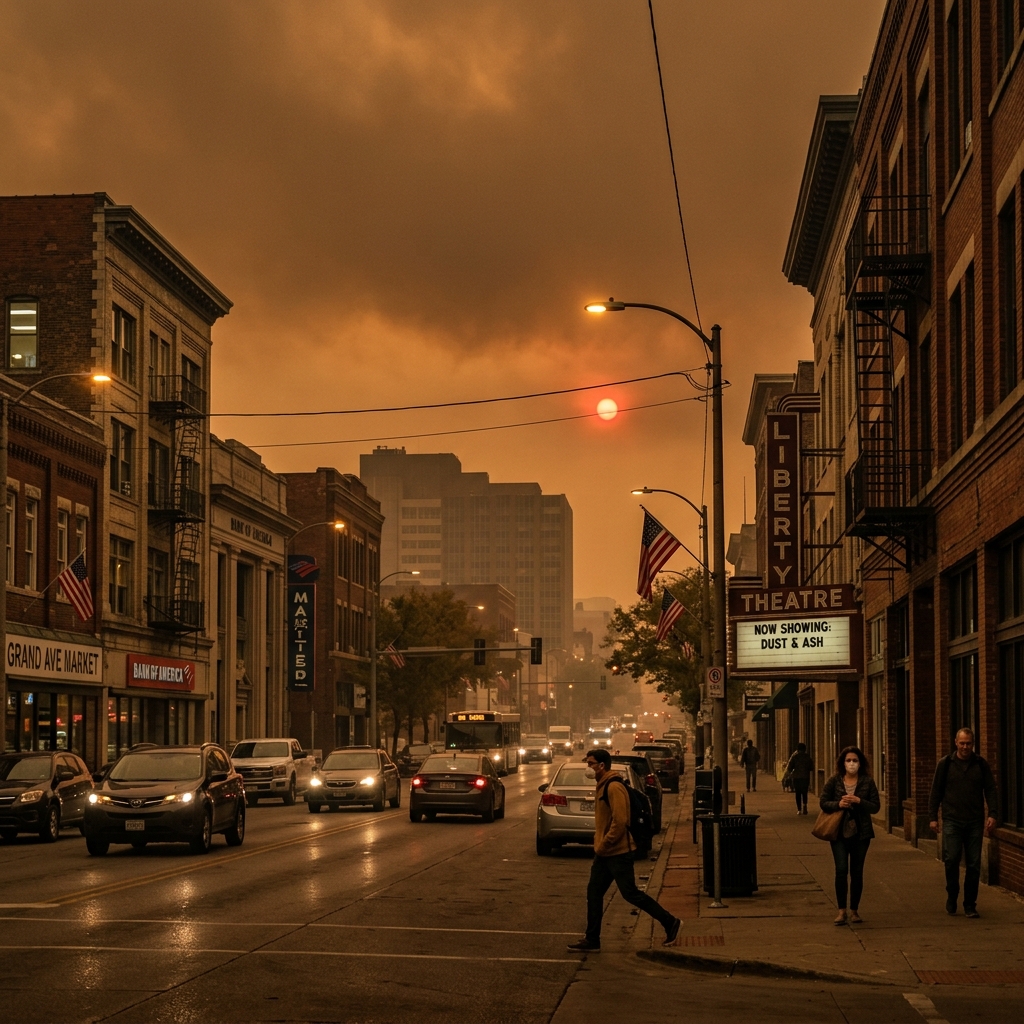
A major air quality advisory has been issued across 20 US states as smoke from Canadian wildfires drifts southward, affecting major travel hubs from the Midwest to the East Coast as of July 17, 2026. Travelers are advised to monitor flight delays, limit outdoor excursions, and secure reliable cellular connectivity backups. Short-stay visitors should keep in touch with airlines and check local pollution indexes before traveling.
Key Takeaways
- Current Status: Air quality alerts active in 20 US states as of July 17, 2026.
- Airport Disruptions: Flight delays reported at Chicago O’Hare (ORD) and New York (JFK) due to reduced visibility.
- Safety Areas: Travelers advised to stay indoors in high-index states (Midwest to Mid-Atlantic).
- Emergency Contact: Dial 911 for health or emergency services in the US.
- Connectivity Tip: Cellular network loads may increase during transit delays; keep a backup US eSIM active.
Phase 1: Airport Arrivals and Flight Advisory
As smoke from massive forest fires in Canada continues to sweep across the northern and eastern borders of the United States, several major airports are reporting low-visibility conditions. Travelers arriving at Chicago O’Hare (ORD), Newark Liberty (EWR), or New York JFK should anticipate ground delay programs. It is highly recommended to check your flight status via your airline’s mobile app before leaving your hotel.
For international visitors entering the United States, keeping track of air quality alerts is essential for planning transit. Ensure you have activated your mobile data upon arrival so you can receive localized safety advisories from the environmental protection agencies.
Phase 2: Transiting Safely Through City Commutes
Poor air quality can trigger health warnings, especially in highly populated urban transit corridors. If you are traveling through cities in the Midwest or the Northeast, limit outdoor commutes during peak haze hours. Consider using closed, air-conditioned public transportation like subways rather than walking or biking.
When booking rideshare services, ensure the vehicle’s air circulation is set to internal recirculation mode to avoid breathing in fine particulate matter (PM2.5).
Phase 3: Postponing Regional Excursions and Road Warnings
If you have planned outdoor excursions to national parks or mountain regions in the affected states, consider rescheduling them. The thick haze can significantly reduce scenic visibility and present respiratory hazards. Monitoring the official air quality index (AQI) reports is crucial before embarking on any intercity driving.
Check the national park advisory portals or state department of transportation websites for real-time visibility warnings on major interstate highways.
Phase 4: Savoring Local Food and Dining Tipping While Sheltering
Staying indoors during peak air quality alerts is the safest option. If you choose to shelter in your hotel or apartment and order food delivery, please consider tipping your delivery courier generously. Courier services operating in unhealthy air conditions are working under strain, and a tipping rate of 15% to 20% is standard and appreciated in the United States.
Electronic and contactless card payments are widely accepted across all delivery platforms, making it easy to handle transactions without needing to go outside for cash.
Current Safety & Transit Status
| Location / Transit Hub | Current Advisory Status | Action Required for Travelers |
|---|---|---|
| 📶 TravelyData eSIM | Active Emergency Backup | Toggle to secondary operator if primary signal drops |
| 📶 Chicago O’Hare (ORD) | Visibility alerts; minor delays | Confirm flight status online before departing |
| 📶 New York JFK Airport | Haze advisory; ground delays | Allow extra transit time; expect schedule updates |
| 📶 Midwest Interstate Highways | Reduced scenic visibility | Drive with headlights on; check AQI maps |
Frequently Asked Questions
Q1: How can I check if my flight is affected by the wildfire smoke?
A1: Check your flight status directly via the airline’s official app or website. You can also monitor general airport delays on the Federal Aviation Administration (FAA) status portal.
Q2: Is it safe to travel outdoors during an air quality warning?
A2: If the AQI exceeds 150, outdoor activities should be minimized. Wear a protective mask (N95 or equivalent) if you must go outside, and stay in air-conditioned environments where possible.
Q3: Will my prepaid eSIM help me stay connected during network outages?
A3: Yes. TravelyData eSIMs often support multiple partner carriers in the US, allowing you to manually switch carriers in your phone’s network settings if one operator’s tower experiences local congestion.
 United States eSim