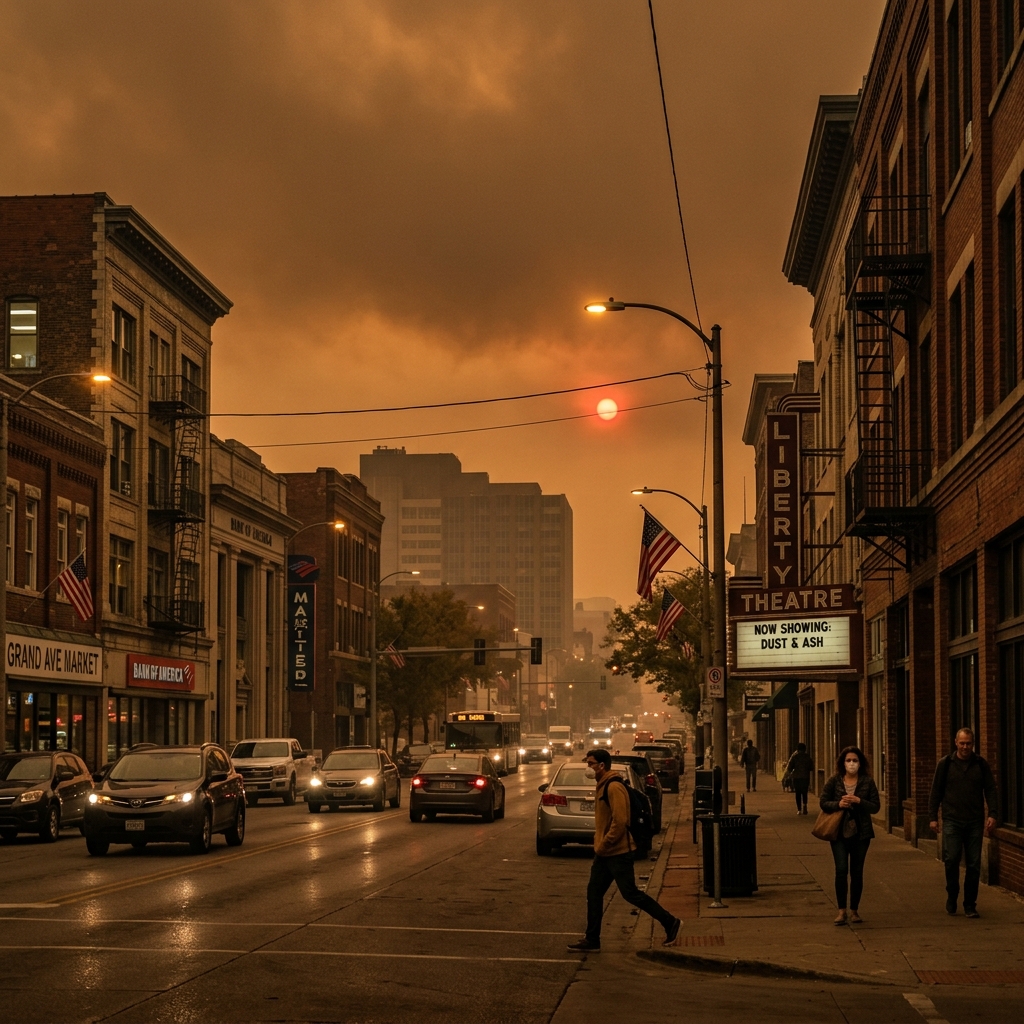
Heavy smoke drifting from forest fires in Canada has blanketed metropolitan areas in the US Midwest and Northeast, prompting health advisories and outdoor activity restrictions. Travelers visiting Chicago, Detroit, or New York should monitor local AQI alerts.
Last reviewed/updated: July 2026 | Based on reports from the US Environmental Protection Agency (EPA) and regional travel notices.
Key Takeaways
- Haze Coverage: Smoke plumes are causing poor visibility and high PM2.5 levels across multiple US states.
- Health Warnings: High-risk individuals should stay indoors. Outdoor sports events may experience schedule shifts.
- Aviation Delays: Flight schedules at major airports like Chicago O’Hare (ORD) are running but subject to smoke-related congestion.
- eSIM Backup: Use high-speed mobile data to check real-time AirNow forecasts and flight updates.
US Midwest & Northeast Haze Status
The table below summarizes regional haze status and safety guidelines as of July 2026:
| US Regional Zone | Haze Alert Status | Safety Rules for Visitors |
|---|---|---|
| ? Midwest Cities (Chicago, Detroit) | Very Unhealthy AQI | Wear N95 masks for outdoor walks. Keep hotel ventilation systems set to recirculate. |
| ? Northeast Corridor (New York, Boston) | Unhealthy for Sensitive Groups | Check status of outdoor events and concerts. Carry protective eyewear if sensitive to haze. |
Navigating Travel During Haze and Wildfire Smoke Events
Wildfire smoke contains fine particulate matter that can irritate the respiratory system and cause burning eyes. When visiting affected US cities, use the official AirNow.gov portal to verify hourly pollution ratings before planning walks. If outdoor conditions are poor, explore indoor cultural sites, such as the Art Institute of Chicago or NYC museums.
Pro-Tip: Keeping Connected to Real-Time Air Quality Apps in the US
Pro-Tip for Travelers: Smog conditions can shift rapidly with wind gusts. To download air quality index widgets and book rides via local transit apps, set up a United States eSIM. It connects to T-Mobile or Verizon for stable mobile coverage.
(Note: For details on Midwest regional geography and travel options, see the page on Midwestern United States on Wikipedia for reference.)
Frequently Asked Questions
Q1: Are outdoor sights like Central Park in NYC closed because of the smoke?
A1: No. Parks remain open, but recreational activities are discouraged when AQI levels exceed orange or red warning thresholds.
Q2: Will airlines waive change fees if I reschedule my flight due to smoke haze?
A2: Airlines typically only waive fees if flight operations are severely disrupted. Contact your carrier directly to check active travel waivers.
 United States eSim