Touchdown in the United Kingdom means tapping a contactless card or phone at Tube barriers (never a paper ticket), filing an ETA (£20) if you are visa-exempt, and ordering at the bar in pubs — not waiting for table service. For instant, queue-free data the moment you land, activate a TravelyData eSIM before you fly — it logs onto Britain’s four nationwide networks (EE, Vodafone, Three, O2) automatically.
Touchdown in Britain: the ETA, the Border and Your eSIM
Before you board, visa-exempt travellers must hold a UK Electronic Travel Authorisation (ETA).
Apply only on the official gov.uk portal or the UK ETA app. The fee is £20 per person — including babies and children — and the authorisation is digitally linked to your passport for two years, permitting multiple stays of up to six months. Broker sites that imitate the government portal will charge you extra, so always check the URL ends in gov.uk and apply at least 72 hours before departure.
At the border your passport must be an electronic e-Passport valid for your stay, and if you are carrying £10,000 or more in cash (or equivalent) you must declare it — failing to do so can lead to confiscation and steep fines.
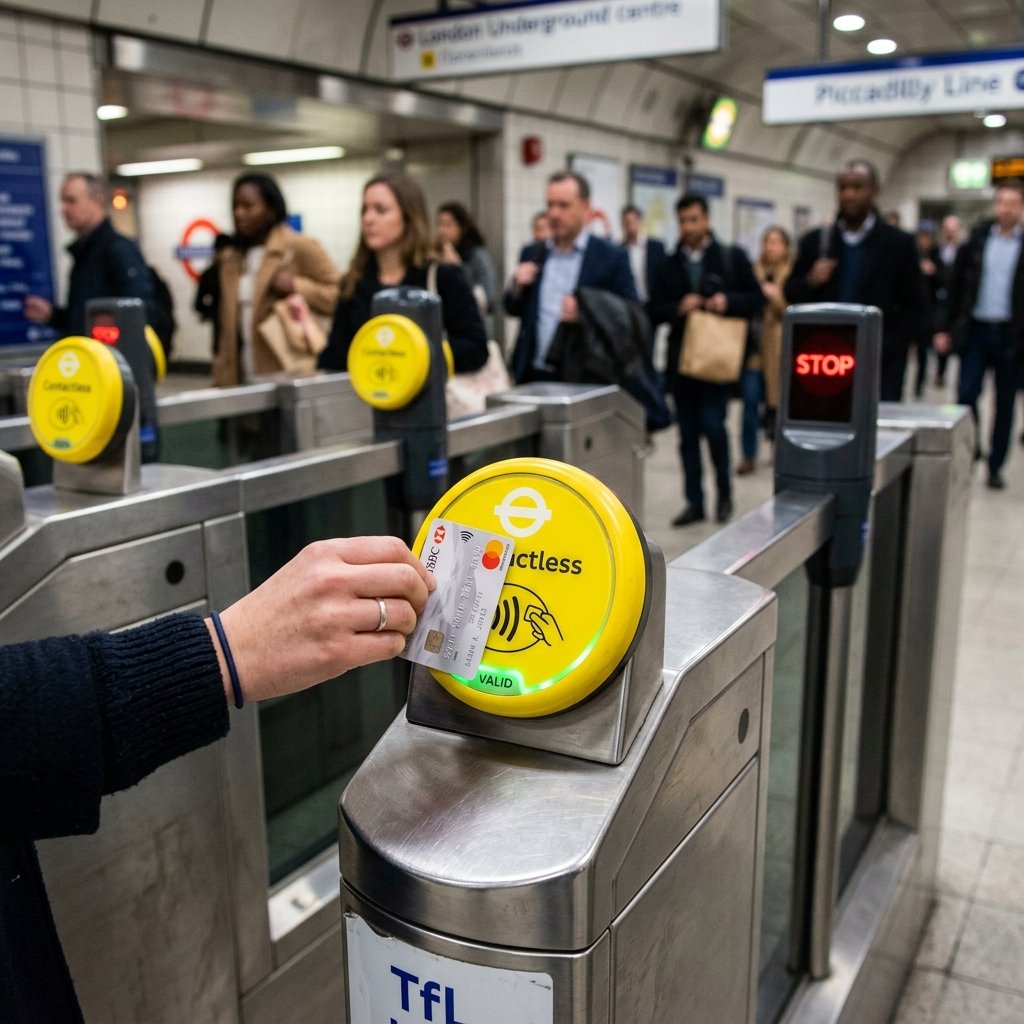
Taming the Transit: Contactless Taps and Train Hacks
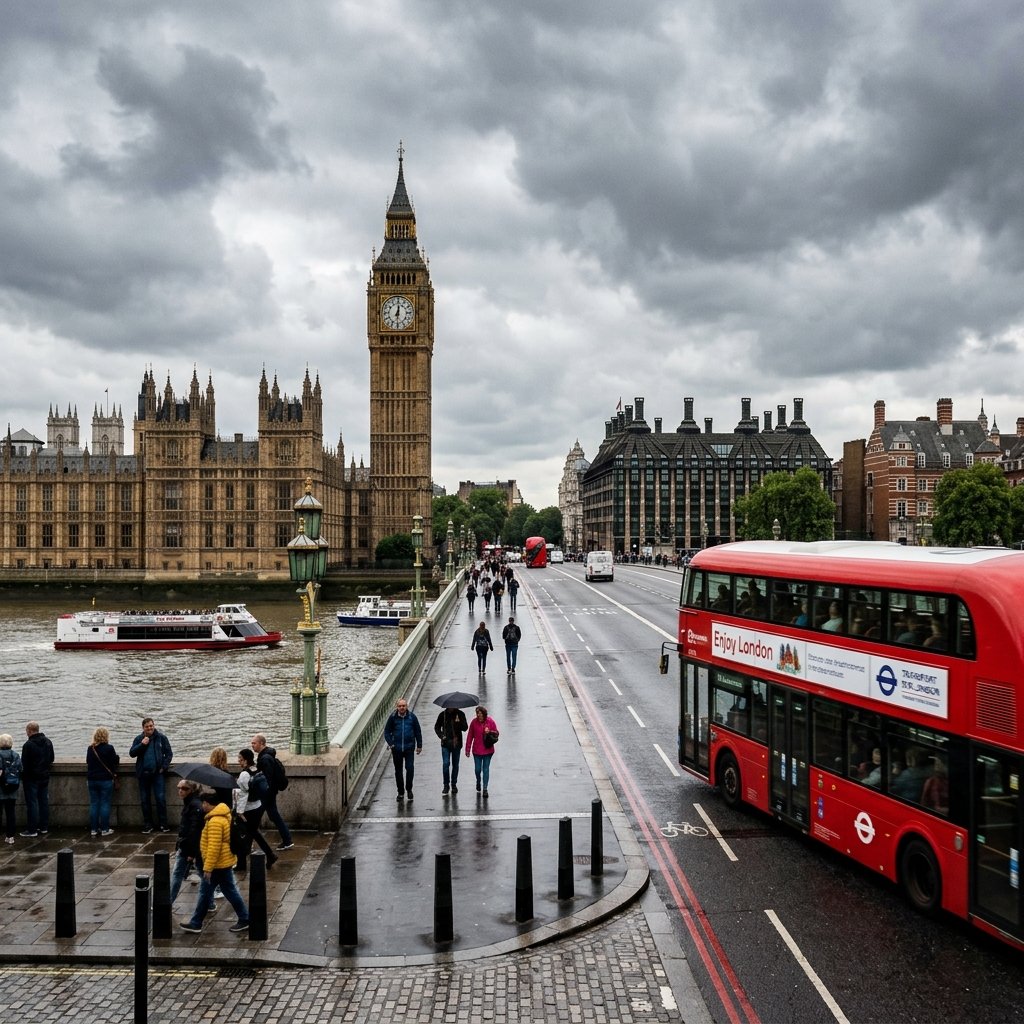
London transit is open-loop and cashless — tap a contactless card or phone at the barrier and go.
Daily and weekly fares are capped automatically, so you always pay the cheapest rate without buying anything in advance. The one golden rule: tap in and out with the same device. Tap in with your phone and out with your watch, and the system sees two different cards and charges you two maximum fares.
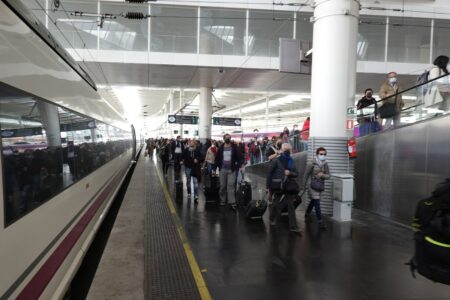
From Heathrow, skip the heavily advertised Heathrow Express (~£25 walk-up) and take the Elizabeth line instead — roughly £12.80 off-peak on the same tracks, about 30 minutes, no booking needed. For intercity rail, search Trainline but buy direct from the operator (LNER, Avanti West Coast, GWR) to dodge booking fees and make Delay Repay claims simple.
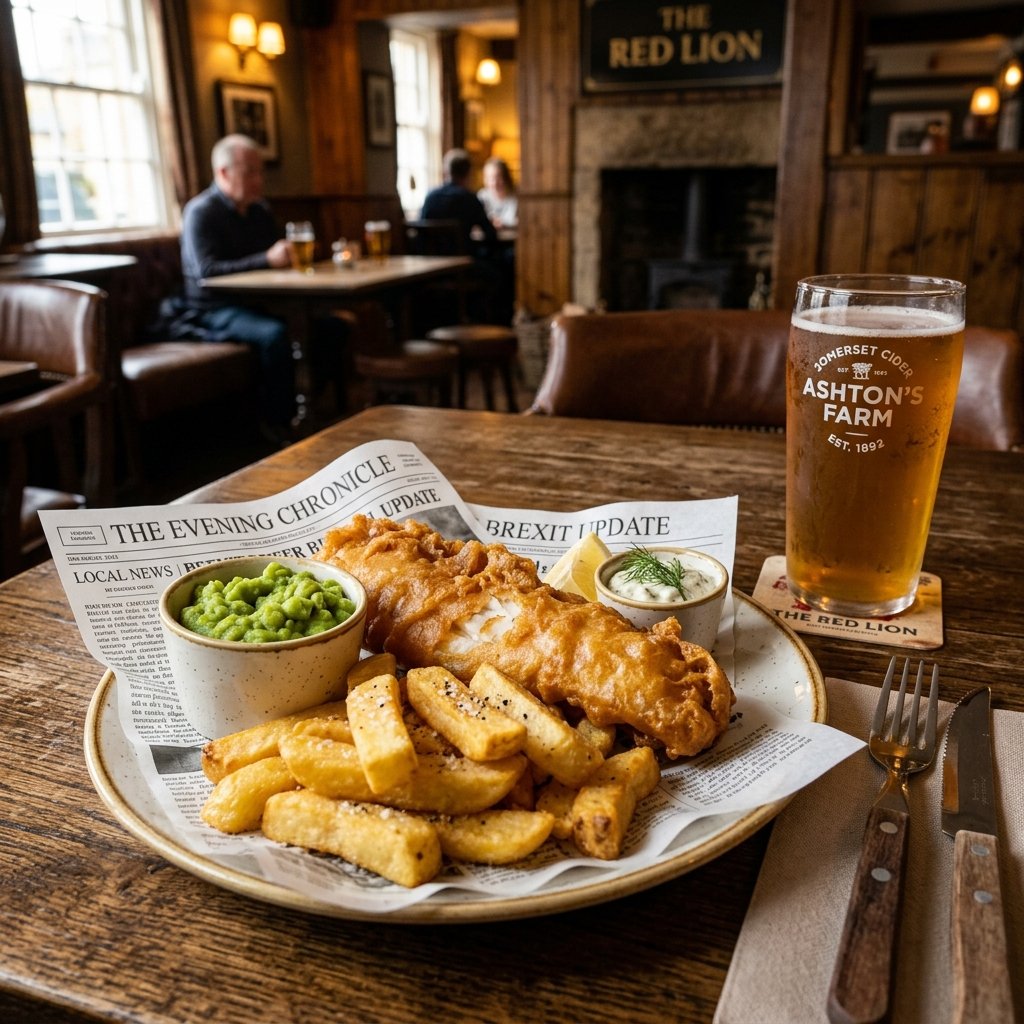
The Cashless Revolution, Pub Etiquette and Tipping
Britain has gone largely cashless — London buses take no cash at all, and many pubs and cafes are “Card Only”.
Carry a little cash for small purchases, but be aware that Scottish and Northern Irish banknotes, while legal currency across the UK, are sometimes refused by English shops — try to keep Bank of England notes. Tell your bank you are travelling, as a burst of foreign contactless taps can trigger a fraud freeze.
In a pub there is no table service: find a table, note its number, then order drinks and food at the bar and pay as each round is poured. Tipping at the bar is not expected — just pay the price of your pint.
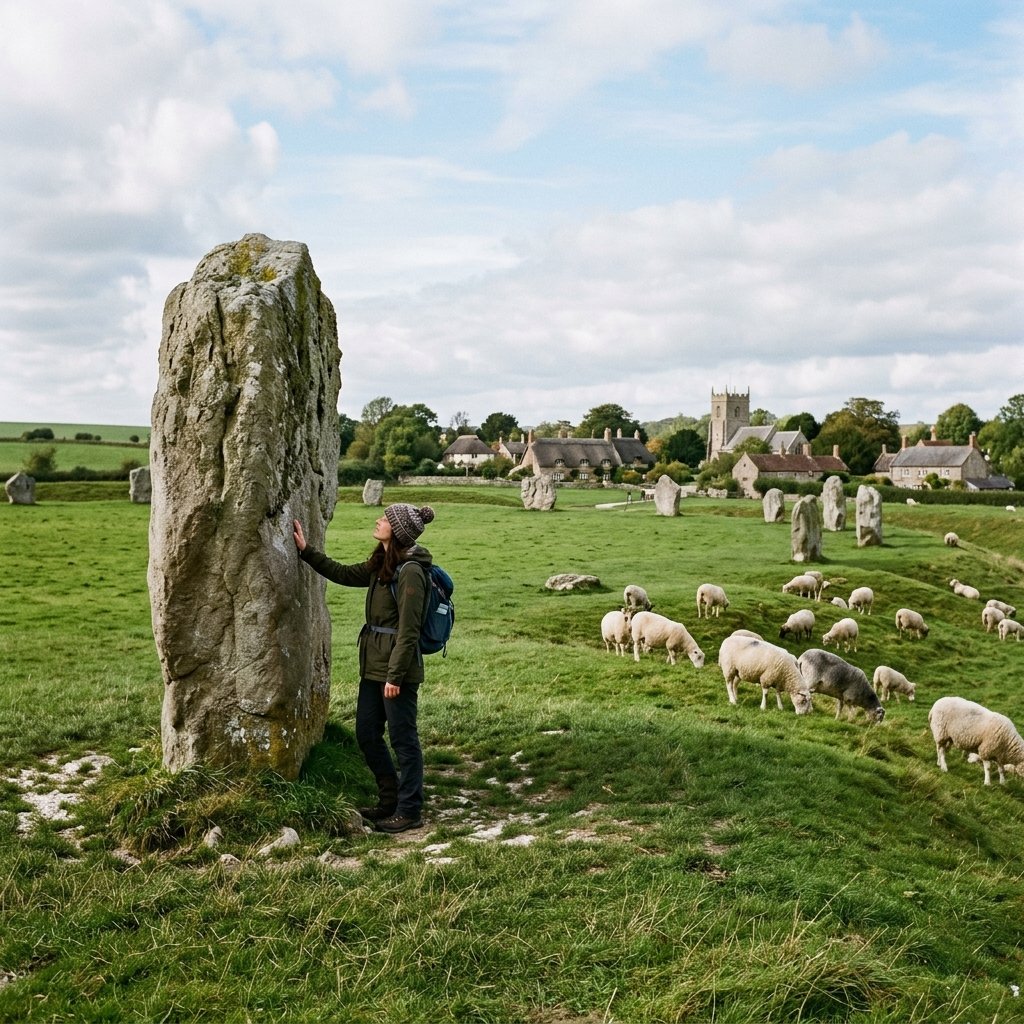
Queues, Escalators and Touchable Ancient History
British public life runs on quiet, unspoken rules — stand right on escalators, queue properly, and never cut in line.
On escalators the left side is for walking; standing on the left blocks busy commuters. Queueing is sacred — find the back and wait your turn. Jaywalking, by contrast, is legal in the UK, but traffic drives on the left, so look right first before stepping off the kerb.
For ancient history you can actually touch, skip the roped-off Stonehenge and head to the Avebury Stone Circle in Wiltshire — you can walk among the stones for free.
Frequently Asked Questions
Do I need an ETA to travel to the UK?
Yes — most visa-exempt visitors must apply online for an Electronic Travel Authorisation (ETA) before boarding. It costs £20 and is valid for two years.
Can I pay with cash on London buses?
No — London buses are completely cashless. Pay with a contactless card, mobile wallet, or a preloaded Oyster card.
How can I save money on train travel in the UK?
Book national rail tickets in advance directly with the train operator (LNER, GWR, Avanti) instead of third-party apps like Trainline, and travel off-peak for much cheaper fares.
Which mobile network is best in the UK?
The four nationwide networks are EE, Vodafone, Three and O2. A TravelyData eSIM switches between them automatically, so you stay connected without buying a local SIM.
 United Kingdom eSim