Answer-First Summary
A series of three consecutive heatwaves has prompted travel warnings across France as of July 18, 2026, causing railway speed restrictions and high electricity loads. Travelers are advised to carry adequate water, avoid outdoor excursions during peak afternoon sun, and prepare for minor transit delays. Having secure backup mobile data is essential for offline translation and alerts.
Key Takeaways
- Current Status: Extreme high temperature warnings active across central and southern France as of July 18, 2026.
- Transit Impact: SNCF high-speed trains running at reduced speeds on specific sectors to protect rail lines.
- Safety Measures: Shelter in air-conditioned spaces; hydrate regularly and avoid direct sun.
- Emergency Contact: Dial 112 for immediate medical or fire services in France.
- Connectivity Tip: Power fluctuations during heat peaks can affect public routers; keep a personal France eSIM active.
Phase 1: Airport Arrivals and Flight Advisory
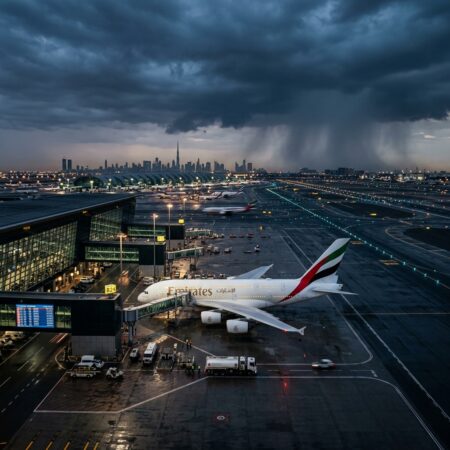
Travelers arriving in France should prepare for extreme temperatures, particularly when transiting through Charles de Gaulle (CDG) or Orly (ORY) in Paris. Allow extra time for baggage pickup and transfer terminals, as ground crews operate under strict hot-weather safety limits. Hydrate immediately upon arrival.
For visitors arriving under Schengen rules, ensure your mobile data connection is established before exiting the airport. Real-time access to transportation updates is vital during weather alerts.
Phase 2: Transiting Safely Through City Commutes
High temperatures can impact city transit systems. Some older metro lines in Paris lack air conditioning, which can make travel uncomfortable. Try to schedule your transit in the morning or late evening hours. Keep water with you at all times.
When booking private taxis, confirm that the vehicle’s air conditioning is fully operational before embarking on long commutes.
Phase 3: Postponing Regional Excursions and Road Warnings
Avoid hiking and other strenuous outdoor activities in southern France during peak heat alerts. The national weather agency, Météo-France, recommends staying indoors and reducing physical strain. Wildfire risks are elevated in forested regions due to dry conditions.
Check the national meteorological portal before embarking on intercity travel along southern French highways.
Phase 4: Savoring Local Food and Dining Tipping While Sheltering
If you are sheltering in your accommodation, ordering local food or groceries via delivery apps is highly recommended. It is customary to tip delivery riders, and a tip of 10% is standard and appreciated in France during severe weather conditions.
Contactless card payments are widely accepted by local merchants, but keeping a small amount of cash is recommended in case of localized POS terminal outages.
Current Safety & Transit Status
| Location / Transit Hub | Current Advisory Status | Action Required for Travelers |
|---|---|---|
| 📶 TravelyData eSIM | Active Emergency Backup | Verify roaming is active; switch network operators if coverage weakens |
| 📶 SNCF Train Network | Speed restrictions active on specific routes | Check train status online before arriving at station |
| 📶 Southern Forested Paths | Access restricted; high fire risks | Avoid all mountain trails; obey local forestry rules |
Frequently Asked Questions
Q1: Why are French high-speed trains running slower during heatwaves?
A1: Rail lines can expand under extreme heat. To prevent tracks from buckling and ensure passenger safety, the SNCF imposes speed limits on specific sectors.
Q2: How do I call emergency medical services in France?
A2: You can dial the European emergency number 112 or the national medical service (SAMU) at 15 from any active phone or eSIM.
Q3: Will local museums remain open during heat waves?
A3: Most major museums remain open and are air-conditioned, making them excellent locations to shelter from the heat. However, verify ticketing policies online first.
 France eSim