Kyrgyzstan Travel Summary: From FRU Manas Airport, Yandex Go rideshares cost 600-1,000 KGS, while taxis are 800-1,500 KGS (Cash only). O! has the best rural coverage, but TravelyData eSIM offers seamless auto-switching.
| Carrier | Coverage | eSIM Suitability |
|---|---|---|
| 📶 O! | Best rural | Requires passport |
| 📶 Mega | Strong in cities | Requires passport |
| 📶 eSIM TravelyData | Auto-switch | Zero KYC, instant |
| Route/Option | Cost | Rules/Pickup |
|---|---|---|
| Yandex Go | 600-1,000 KGS | Walk 10 min to designated zone |
| Airport Taxi | 800-1,500 KGS | Cash only, negotiate first |
| Minibus (Marshrutka) | 40 KGS | Cash only, crowded |
Kyrgyzstan Survival Cheat-Sheet
Manas Airport (FRU) Transit: Yandex Go ride-hailing app offers the most transparent fare (600 – 1,000 KGS, approx. $7 – $12 USD) but requires walking 10 minutes outside the terminal gate due to parking area construction. Official/negotiated taxis charge 1,000 – 1,500 KGS. Avoid unlicensed drivers in the arrival hall.
Offline Navigation: Google Maps is outdated in Kyrgyzstan. You MUST download 2GIS for accurate offline routing, address tracking, and public marshrutka schedules in Bishkek and Osh.
Cash Habits & 2026 Visas: Cash (Kyrgyz Som) is mandatory for shared taxis, marshrutkas, bazaars, and yurt camps. Visa-free stay is limited to 30 days in a 60-day window (no visa runs). Migration police registration (OVIR) is not required for the 30-day stay, but verify passport entry stamps.
Touchdown in Bishkek: Airport Taxi Scams, Yandex Construction Walk, and 2GIS App Navigation
Manas International Airport (FRU) is the primary gateway to Kyrgyzstan, presenting tourists with unique airport taxi negotiations, ride-hailing parking modifications, and local navigation app requirements.
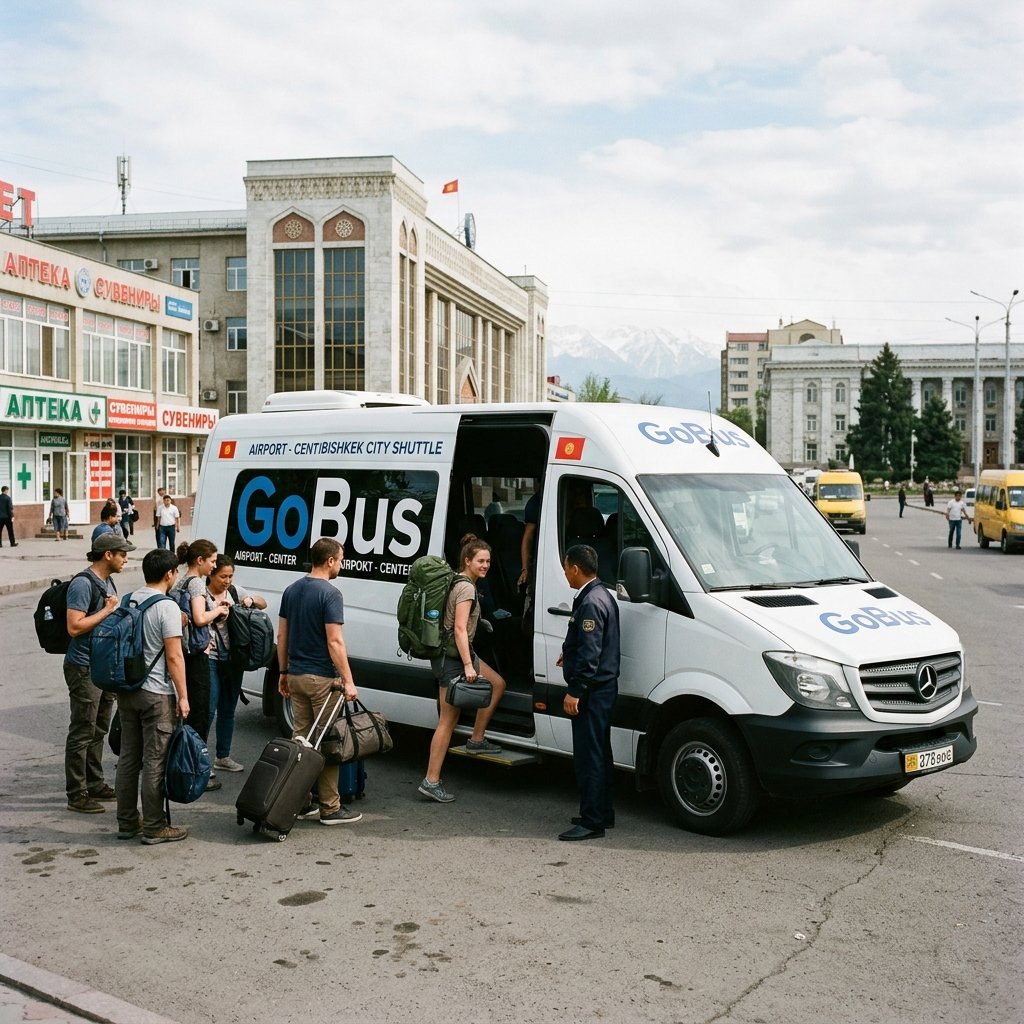
Upon landing at Manas Airport, you will find that standard global ride-hailing services like Uber, Bolt, or Grab do not operate in Kyrgyzstan. To avoid aggressive unlicensed drivers inside the arrival terminal offering inflated rates of 2,000 KGS or more, open the local ride-hailing app Yandex Go. A standard ride from the airport to central Bishkek costs between 600 and 1,000 KGS (approximately $7 to $12 USD). However, due to ongoing airport terminal expansions and parking zone construction, ride-hailing vehicles are restricted from picking up directly at the terminal curb. Be prepared to follow the signs and walk approximately 10 minutes to the designated ride-hailing pickup area outside the construction gates. If you prefer a traditional cab, negotiate a flat fare of 800 to 1,500 KGS before entering the vehicle, and ensure you have cash in Kyrgyz Som (KGS) as drivers do not accept foreign credit cards. For official travel guidelines, refer to the official Kyrgyzstan e-Visa portal.
To navigate Bishkek’s network of marshrutkas (minibuses), municipal buses, and trolleybuses, you must download the local mapping app 2GIS (Dva GIS). Google Maps is heavily outdated in Kyrgyzstan, often showing missing bus lines, incorrect building entrances, and inaccurate street layouts. 2GIS works fully offline and lists exact bus numbers, routes, and building footprints. Compare this offline mapping requirement to the local transit rules in our Uzbekistan taxi guide or the connectivity setup in our Kazakhstan travel guide.
The Bishkek City Administration manages public marshrutkas and trolleybuses. Fares are cash-only (around 15-20 KGS). The 2GIS application is the officially recognized routing tool used by locals and is updated daily with transport modifications.
Kyrgyz Som Realities: ATMs, local Bazaars, and Cashless Yurt Gaps
Kyrgyzstan is a cash-dominated economy where carrying local Kyrgyz Som (KGS) is essential for local guesthouses, public marshrutkas, and traditional bazaars.
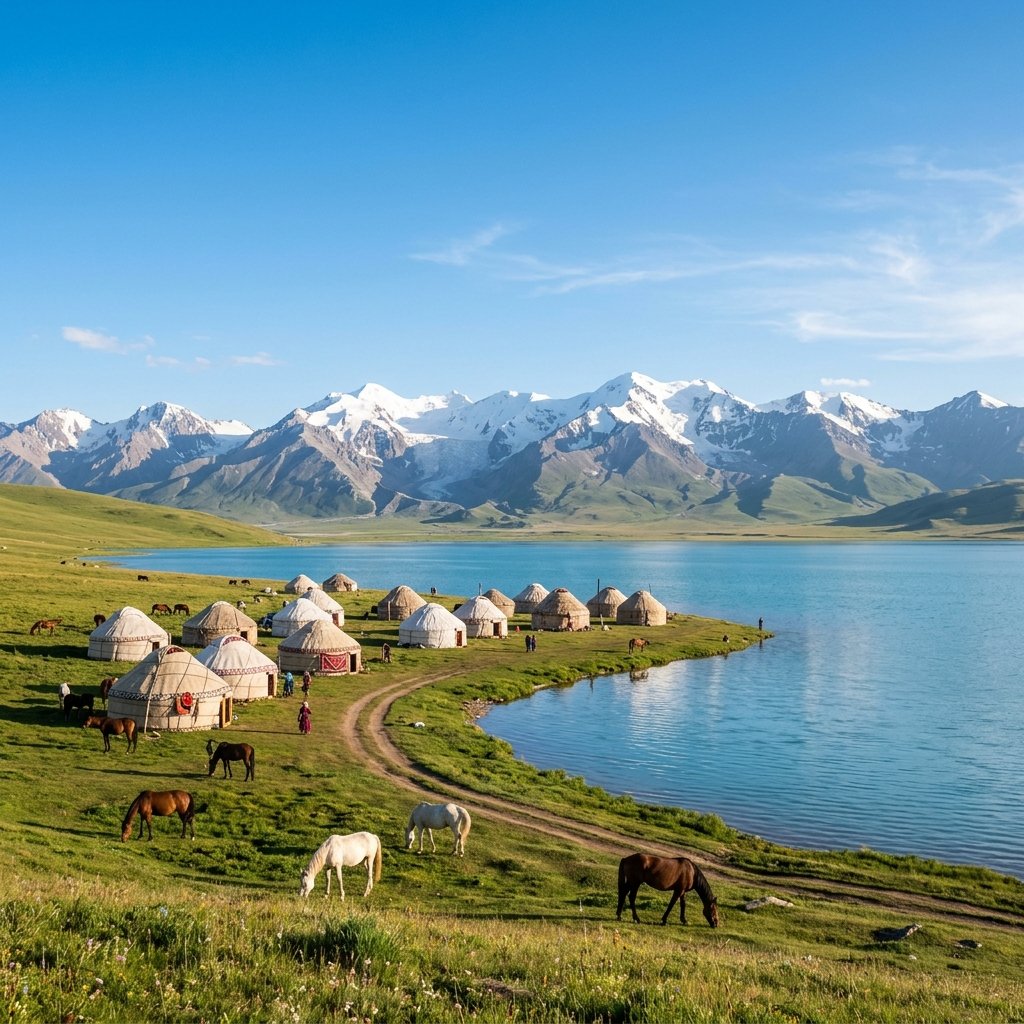
While high-end hotels, major supermarkets, and select western-style cafes in central Bishkek accept international visa or mastercards, credit cards are virtually useless once you leave the capital. Cash is mandatory for purchasing local souvenirs at the historic Osh Bazaar or Dordoy Bazaar, hiring shared taxis to Karakol, or paying national park entrance fees. If your itinerary involves trekking through the stunning Ala-Archa Gorge, horse riding around Song-Kul, or staying in a traditional nomadic yurt camp, you must carry enough physical Som to cover all food, lodging, and local guide fees. When withdrawing local currency, local ATMs will dispense Kyrgyz Som bills. Always reject the ATM’s Dynamic Currency Conversion (DCC) option to avoid conversion markups of 5% to 12%. Learn more about cash requirements in our Uzbekistan travel guide or review our connectivity tips in the Kazakhstan travel guide.
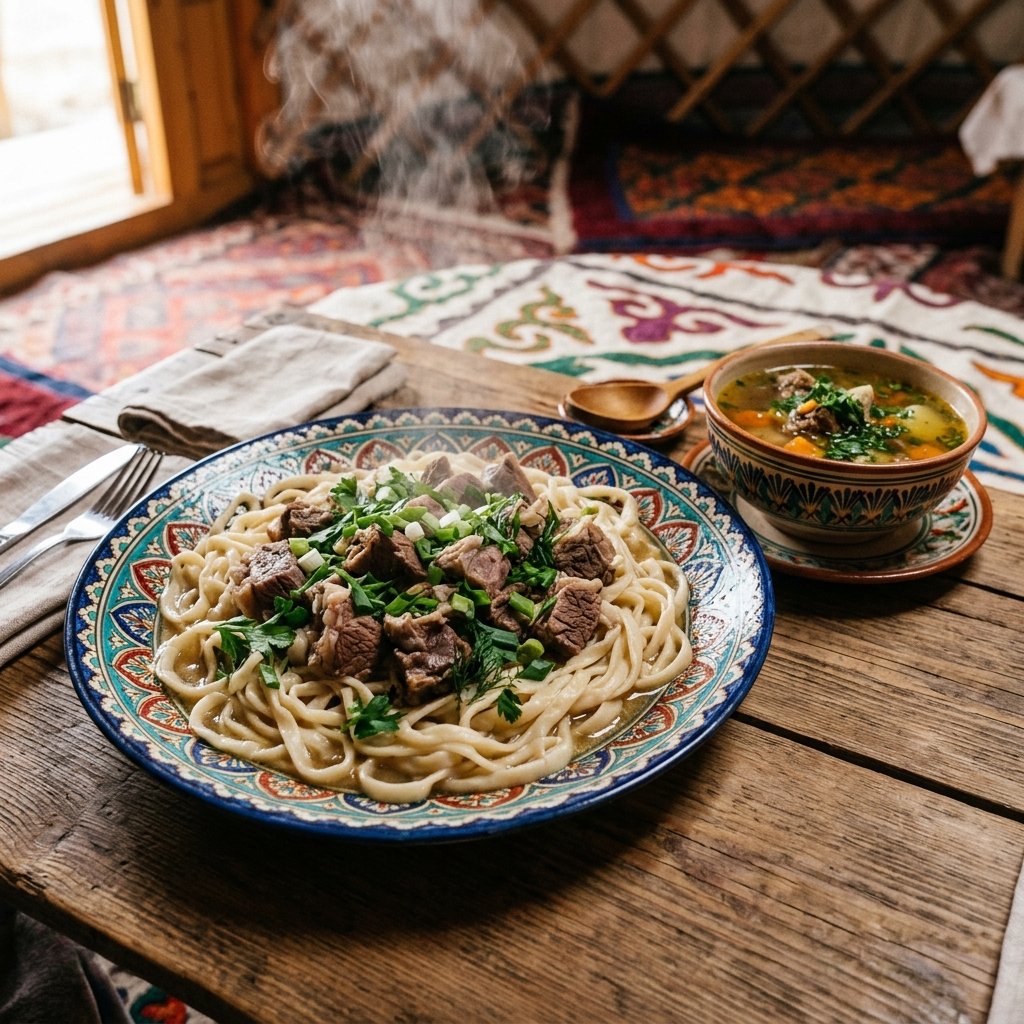
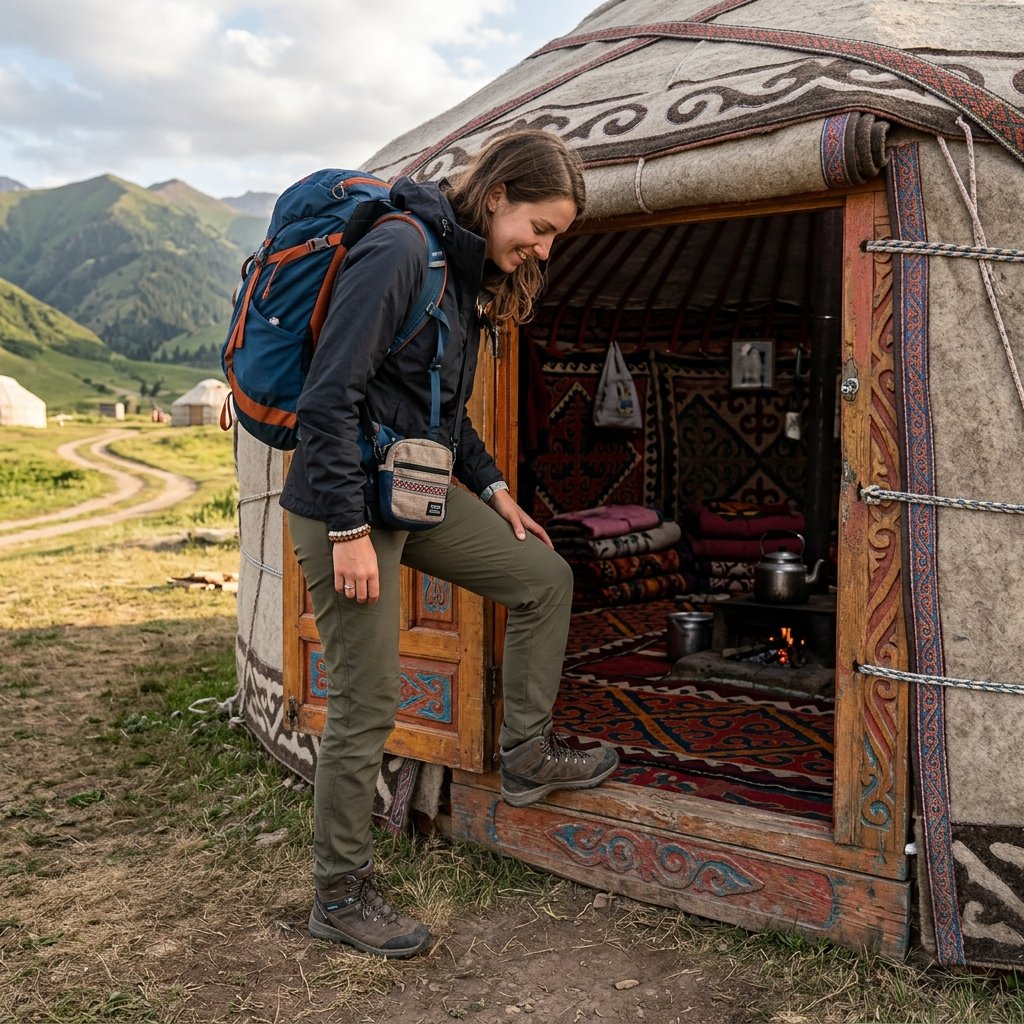
Most rural guesthouses (homestays) and nomadic yurt camps do not possess point-of-sale (POS) terminals or reliable electricity. They operate exclusively on cash. Transactions must be made in Kyrgyz Som (KGS).
Local Mobile Operators: O! vs Mega (MegaCom) Coverage Realities
The Kyrgyz mobile market is led by O! and Mega (formerly MegaCom), each offering different strengths depending on whether you stay in urban areas or hike in remote mountains.
Staying connected is vital for using translation apps and Yandex Go in Kyrgyzstan. The local network landscape is shared between O! (Nur Telecom), Mega (Alfa Telecom), and Beeline Kyrgyzstan. O! is highly popular in cities, providing the fastest urban LTE speeds and convenient tourist packages. However, if you plan to travel outside Bishkek or trek around high-altitude lakes like Issyk-Kul and Song-Kul, Mega offers the most reliable rural coverage. For details on local carriers, you can consult Nur Telecom on Wikipedia or Mega Kyrgyzstan on Wikipedia.
By Kyrgyz law, purchasing a local physical SIM card requires mandatory passport registration and biometric face scanning at a brand outlet or airport kiosk, which can take up to 30 minutes of wait time. Travelers can completely bypass these queues and identity check requirements by installing a pre-activated TravelyData eSIM before arrival, ensuring instant internet access as soon as the flight lands.
2026 Visa Rules: Reduced Stay Limits and Mandatory Entrance Stamps
Kyrgyzstan implemented strict new visa-free limits for international travelers starting January 1, 2026, requiring careful stay monitoring.
Effective January 1, 2026, the previous 60-day visa-free allowance for nationals of 55 countries (including the EU, US, UK, Canada, Australia, and Japan) was reduced to a strict limit of 30 calendar days within any rolling 60-day window. The practice of “visa runs” to border countries like Kazakhstan to reset the stay has been completely abolished. If you plan to stay longer than 30 days, you must apply for a type “J” (Sapar) visa on the official e-visa portal prior to arrival. Although visa-free tourists are exempt from registering their stay with the migration police (OVIR) during their 30-day limit, it is crucial to verify that border officers correctly stamp your passport with your entry date to avoid heavy exit fines at the airport.
FAQ: Kyrgyzstan Connectivity & Travel
Get answers to the most common questions about currency exchange, SIM registration, and Yandex Go taxis in Kyrgyzstan.
Do tourists need to register with the police in Kyrgyzstan in 2026?
Citizens of the 55 visa-free nations are exempt from migration police (OVIR) registration for stays up to 30 days. Always ensure you receive an entry stamp in your passport upon arrival to verify your entry date.
What is the best mapping app to use in Bishkek?
You must download 2GIS. Google Maps has outdated road mapping and lacks transit route listings for marshrutkas in Kyrgyzstan.
Is ridesharing available in Bishkek?
Yes. Uber and Bolt do not operate, but you can use Yandex Go for metered local taxis and private ride bookings.
 Kyrgyzstan eSim