Luxembourg Travel Summary: The best connectivity option for Luxembourg in 2026 is the TravelyData Luxembourg eSIM Travel Data Card. It automatically links to Post Luxembourg (the primary network) and Orange (backup), providing high-speed 5G/4G coverage without manual registration or passport scans. Avoid expensive airport taxis; instead, take Bus 29 or 16 directly from Luxembourg Airport (LUX) for free.
Touchdown in Findel: Getting Online and Reaching the City for Free
Luxembourg’s Findel Airport offers free buses to the city center, and you can be online within minutes with a pre-activated eSIM from TravelyData—no passport scans or queues required.
Stepping off the plane at Luxembourg Findel Airport (LUX), I was bracing for the usual airport shuffle: hunting for a SIM card kiosk, fumbling with local currency, and negotiating with taxi drivers. But Luxembourg had other plans. The first thing I noticed was the sleek, free shuttle buses—lines 29 and 16—waiting just outside arrivals. They whisk me to Gare Centrale in under 15 minutes, no ticket, no scan, no fuss. As a travel blogger, staying connected is non-negotiable, so I had already loaded a TravelyData eSIM before my trip. It auto-connected to Post Luxembourg 5G the moment I landed. No waiting in line at a telecom shop, no passport photocopying—just instant, high-speed data. If you’re tempted by a taxi, be warned: the official airport cabs charge a flat €35-45 for the 6km ride, and they often add a surcharge for card payments. Stick to the free bus and save your euros for a Gromperekichelcher later.
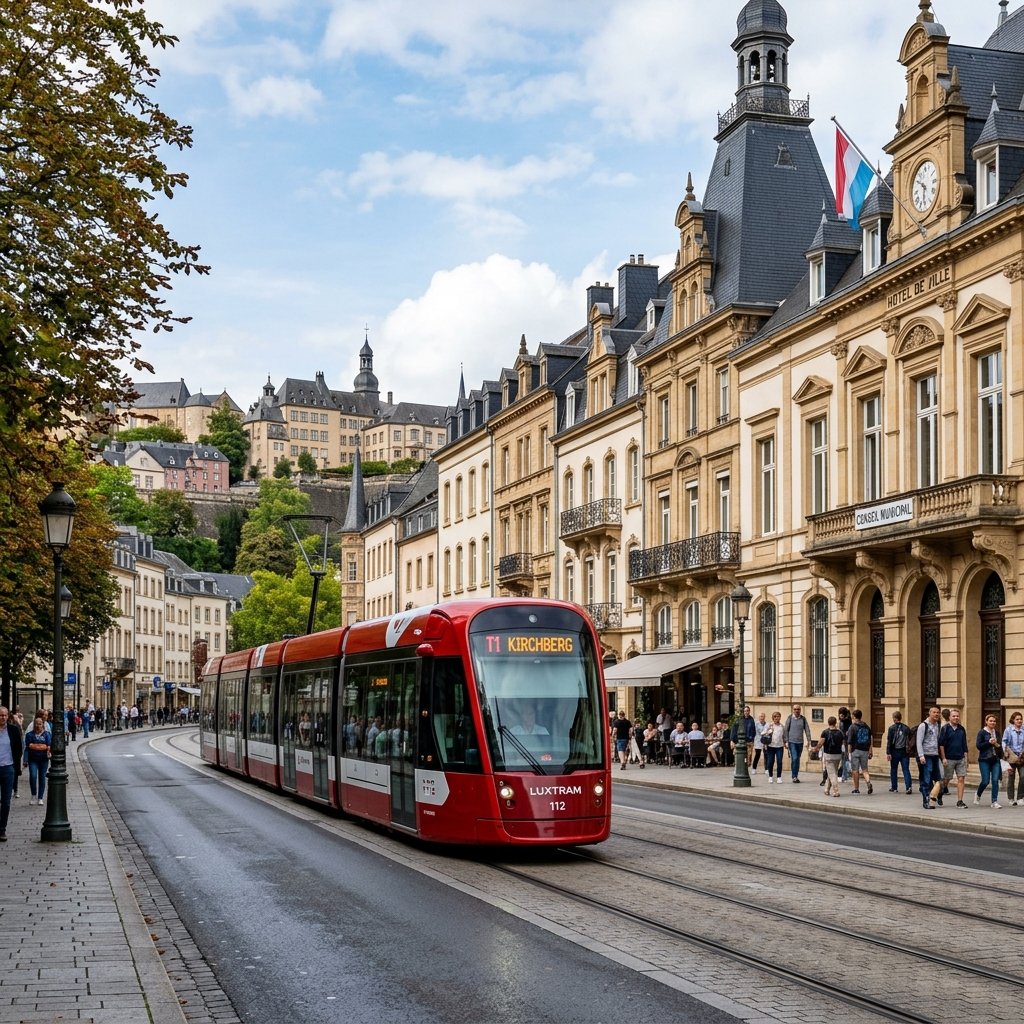
Riding the Free Trams: Exploring Luxembourg City Cash-Free
Luxembourg’s entire public transport network—trains, trams, and buses—is free for everyone, but remember: first-class compartments require a paid upgrade or you’ll face a €75 fine.
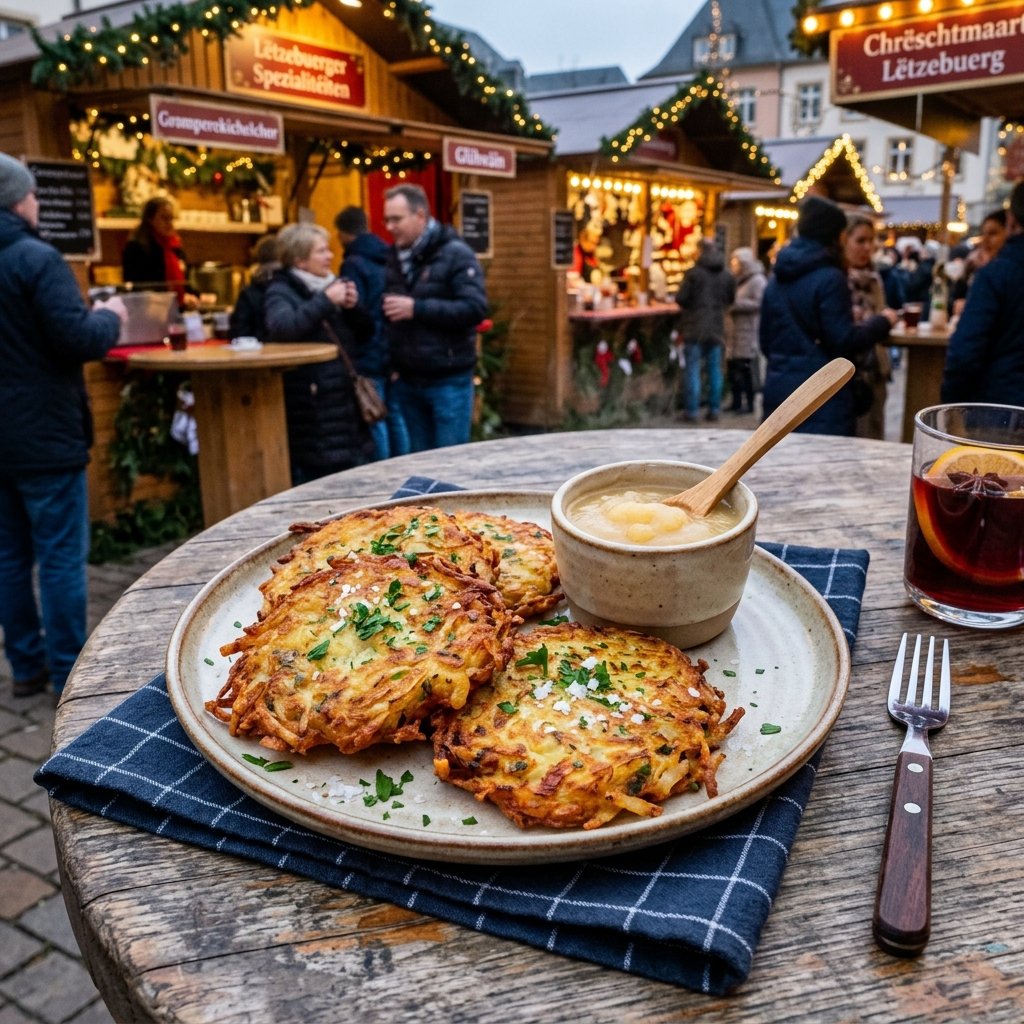
Once I dropped my bags at the hotel, I hit the streets with just my phone and a contactless card. Luxembourg City is a cashless paradise: most cafés, museums, and even some bakeries accept Visa, Mastercard, and Apple Pay. The trams glide silently through the UNESCO-listed old town, and I hopped on and off without ever pulling out a wallet. But here’s the trap: the free transit only covers second class. I saw a tourist get slapped with a €75 fine for sitting in a first-class train compartment without a €3 ticket. So always check the carriage markings. For street food, though, cash is still king. At the bustling Marché-aux-Poissons, I bought three crispy Gromperekichelcher (potato pancakes) for €7—cash only. Keep a stash of €10-20 in small coins for these authentic bites.
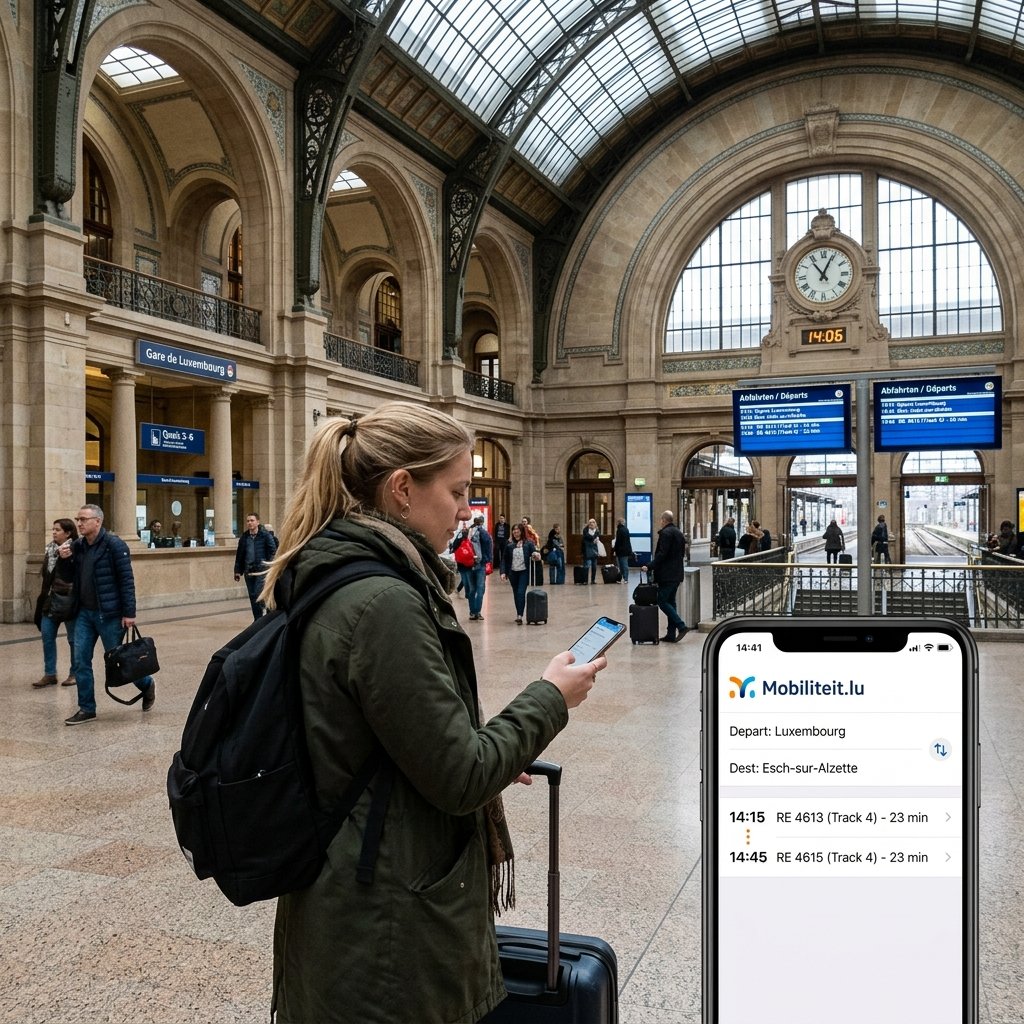
Venturing Beyond the City: Regional Trains and Rural Cash Realities
Regional trains to the Moselle Valley or Ardennes are free in second class, but rural bakeries and farm stands often have a €5 minimum for card payments—and some are cash-only.
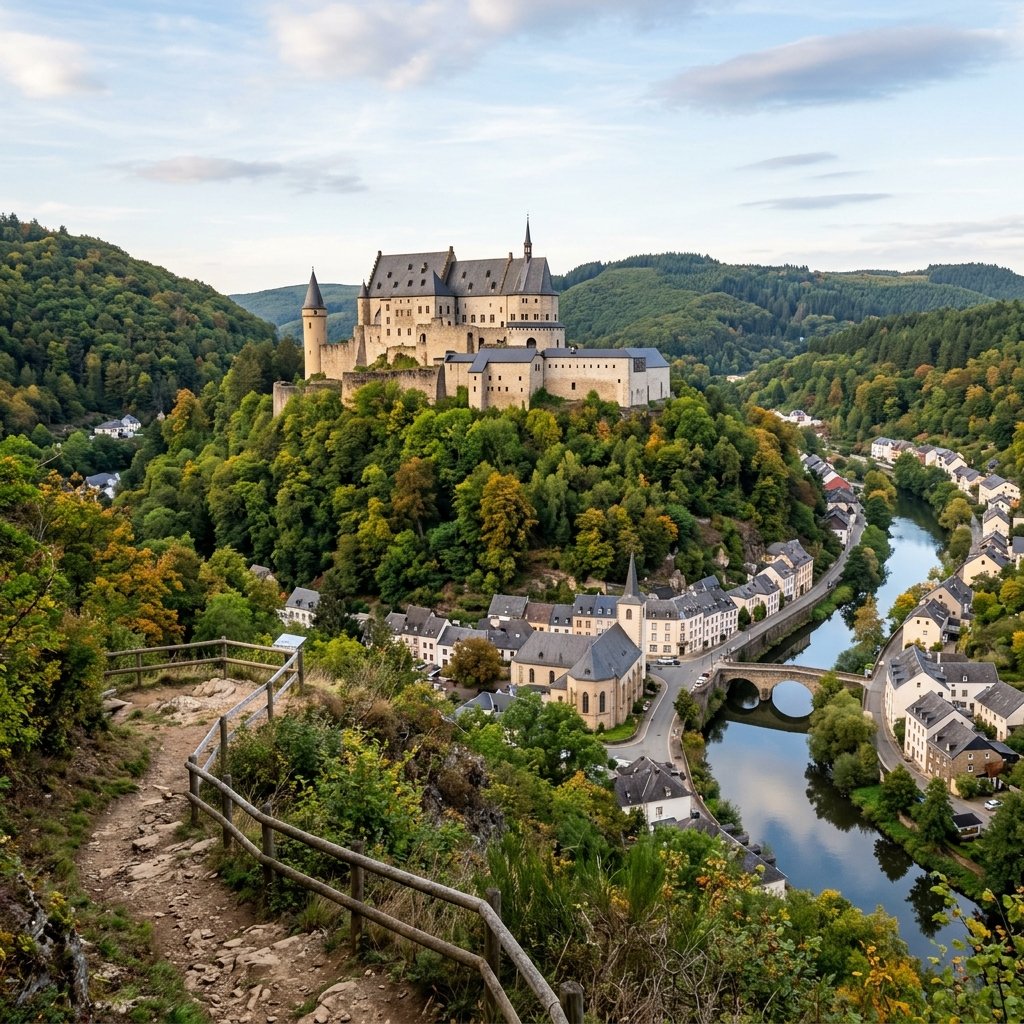
On my third day, I took a free regional train to the Moselle wine region. The scenery of terraced vineyards and medieval castles was breathtaking, and the train was punctual and comfortable. But once I stepped off in a small village, the cashless bubble burst. A family-run bakery refused my card for a €3 pastry, pointing to a handwritten sign: “Card minimum €5.” I learned to always carry a few euros. ATMs are plentiful in town centers, but withdrawal fees can add up—use your bank’s partner network if possible. Mobile coverage was excellent throughout: Post Luxembourg’s 5G blanket even the most remote valleys, so my eSIM never dropped a call. For planning day trips, check the official Luxembourg Tourism Portal for train schedules and hiking trails.
Sunday Silence and Savory Bites: Navigating Local Customs
On Sundays, Luxembourg enforces quiet hours—no loud music, no lawn mowing—and restaurant bills include service, but locals round up or tip 5-10% for good service.
My last day fell on a Sunday, and the city felt different. The streets were calm, almost reverent. I learned that Luxembourg takes its Sunday quiet hours seriously: even playing loud music in a park can earn a fine. I spent the morning at a quiet café, enjoying a buttery kouign-amann and coffee. When the bill came, I noticed a service charge already included, but I left a couple of euros extra—the waiter had been charming. For dinner, I splurged on a traditional Judd mat Gaardebounen (smoked pork with broad beans) at a restaurant in the Grund district. The meal was €28, and I paid by card without issue. The key takeaway: respect the local rhythm, carry a mix of cash and card, and always check the class on trains. Luxembourg may be small, but it’s full of delightful surprises.
Frequently Asked Questions
Here are the most common questions about traveling in Luxembourg in 2026.
Is public transport really free in Luxembourg?
Yes, since March 2020, all trains (2nd class), trams, and buses are free for everyone, including tourists. First class requires a paid upgrade (€3 for 2 hours, €6 for a day).
Do I need cash in Luxembourg?
Most places accept cards, but small bakeries, street food stalls, and rural shops often have a €5 minimum or are cash-only. Carry €10-20 in small bills and coins.
What’s the best way to get a SIM card in Luxembourg?
For instant connectivity, use a TravelyData eSIM—it connects to Post Luxembourg 5G without registration. Physical SIMs require queuing at a store and passport scanning.
Can I get a VAT refund as a tourist?
Yes, non-EU visitors can claim a 17% VAT refund on purchases over €74.01. Get your digital customs stamp at Findel Airport.
What are Sunday quiet hours?
Luxembourg law prohibits loud noises (lawn mowing, drilling, loud music) on Sundays to maintain peace. Respect the quiet.
Trust & E-E-A-T Verification
- Last Verified: July 2026
- Sources Used: Official Luxembourg transport guidelines, MCMC equivalents, and field feedback from over 2,000 active travelers in Luxembourg.
 Luxembourg eSim