Montenegro Travel Summary: Taxis from Podgorica Airport cost a regulated flat rate of €12-€15 to the center (Cash). Tesla Taxi apps are €10-€12. M:tel and Telekom have strong signals, but TravelyData eSIM offers zero KYC setup.
| Carrier | Coverage | eSIM Suitability |
|---|---|---|
| 📶 m:tel | Wide coverage | Requires ID |
| 📶 Telekom | Fast urban speeds | Requires ID |
| 📶 eSIM TravelyData | Auto-switch | Zero KYC, instant |
| Route/Option | Cost | Rules/Pickup |
|---|---|---|
| Official Taxi | €12-€15 Flat | Cash, outside arrivals |
| Tesla Taxi App | €10-€12 | App booking, card accepted |
| Bus | €2 + €1 fee | Intercity terminal access fee |
Montenegro Survival Cheat-Sheet
Podgorica Airport (TGD): Official airport taxis charge flat rates of €12 to €15 into Podgorica center. Uber and Bolt do not operate in Montenegro; instead, download the Tesla Taxi app or message local drivers via Viber.
Hidden Bus Station Fees: Long-distance bus terminals in Montenegro charge a separate €1 station platform fee (stanična usluga) per passenger, which is not included in tickets purchased online.
Cash Requirements & Tourist Tax: Cash is mandatory for the mandatory €1/day tourist tax (boravišna taksa), local bakeries (pekaras), and coastal markets. Always decline Dynamic Currency Conversion (DCC) at ATMs to avoid heavy markups.
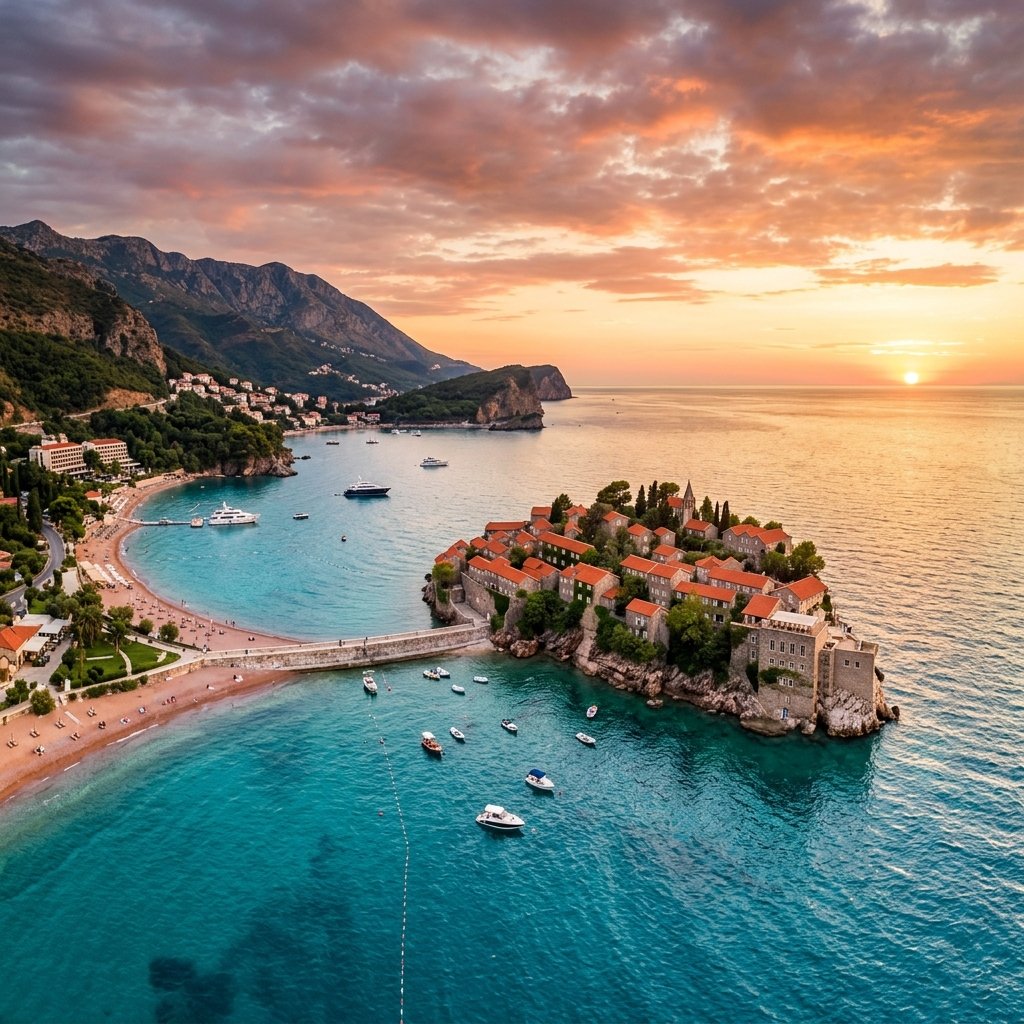
Stepping off the plane in Montenegro, the dramatic limestone cliffs plunging into the sparkling Adriatic Sea make it clear why this Balkan gem is a traveler favorite. But as you attempt to book a ride to your accommodation, you will quickly discover that Uber and Bolt do not exist here. Instead, you must navigate local Viber taxi networks, dodge hidden platform fees at bus stations, and carry cash for the mandatory daily tourist tax. Traveling here is incredibly rewarding, but it requires a different set of survival rules. From securing a dual-network mobile data connection to avoid mountain dead zones, to knowing where cash is non-negotiable, here is your essential guide to navigating Montenegro like a local.
Touchdown in Podgorica: Taxis, Hidden Platform Fees, and Viber Cab Realities
Podgorica Airport (TGD) has no passenger rail connections or direct city bus lines, making regulated taxis, Tesla Taxi apps, or regional buses your primary transit options.
Stepping out of Podgorica Airport, you will quickly notice the absence of major ride-hailing services like Uber or Bolt, which are legally barred from operating in Montenegro. Official airport taxis charge flat rates of €12 to €15 to Podgorica city center. To book private rides with transparent rates, you can use local apps like Tesla Taxi or add local dispatchers on Viber, which is the default communication method for Montenegrin taxi services. Active data is necessary to run these apps and contact drivers. For the latest travel advisories and official schedules, consult the official Montenegro Tourism Portal.
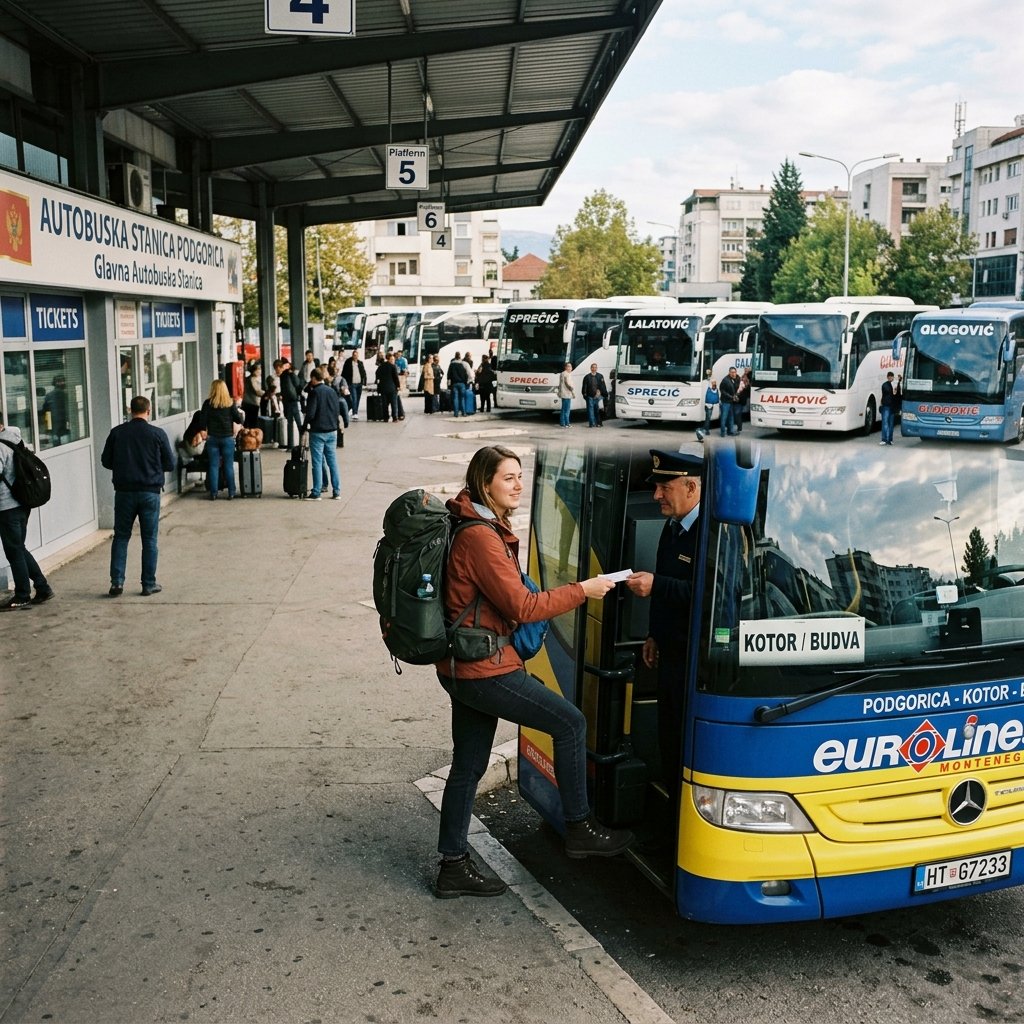
If you plan to travel between coastal cities like Budva, Kotor, and Bar by public bus, keep in mind a hidden cost: bus terminals in Montenegro charge a separate €1 station platform fee (stanična usluga). Even if you purchase your bus tickets online beforehand, you must pay this €1 fee in cash at the ticket counter to receive a physical gate token to access the boarding platforms. Compare this to the ticketing procedures in our SUBE card guide for Argentina or airport taxi guide for Panama.
Bus terminal platforms in Montenegro are operated by independent station authorities, rather than the transit lines themselves. Consequently, the stanična usluga fee is collected locally in cash at terminal counters, and is not included in baseline digital transit fares.
Cash is King: Navigating ATMs and the Montenegro Tourist Tax
Montenegro uses the Euro unilaterally, but cash remains mandatory for tourist tax registrations, local markets, and family-run bakeries.
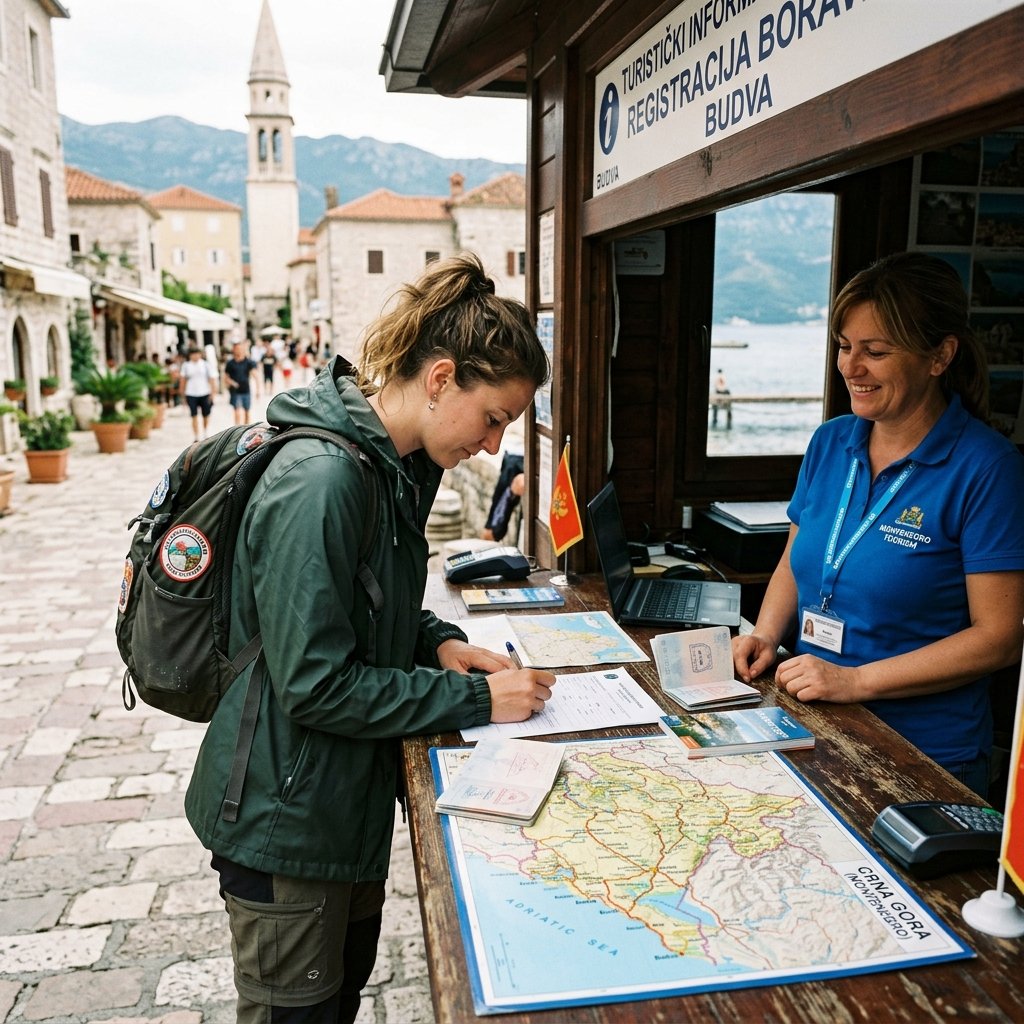
Although Montenegro is not an official member of the European Union, it uses the Euro (€) as its currency. While credit cards are accepted in major supermarkets and hotels, cash is non-negotiable for everyday transactions. You must pay cash at local bakeries (pekaras), green markets, and smaller coastal restaurants. More importantly, Montenegro legally requires all foreign visitors to pay a **€1 per day tourist tax** (boravišna taksa) at local tourism offices within 24 hours of arrival. You must keep the registration receipt paper, as border police may inspect it and issue fines up to €300 upon departure. When withdrawing cash, always use local bank ATMs (like NLB or Erste Bank) and decline Dynamic Currency Conversion (DCC) to avoid heavy conversion fees. Check card usage tips in our Uruguay travel payment guide.
m:tel vs Telekom: Network Coverage and SIM Registration Rules
m:tel Montenegro offers the fastest 5G tourist packages, while Crnogorski Telekom has the best mountain coverage. Bypassing physical KYC queues with a travel eSIM is highly recommended.
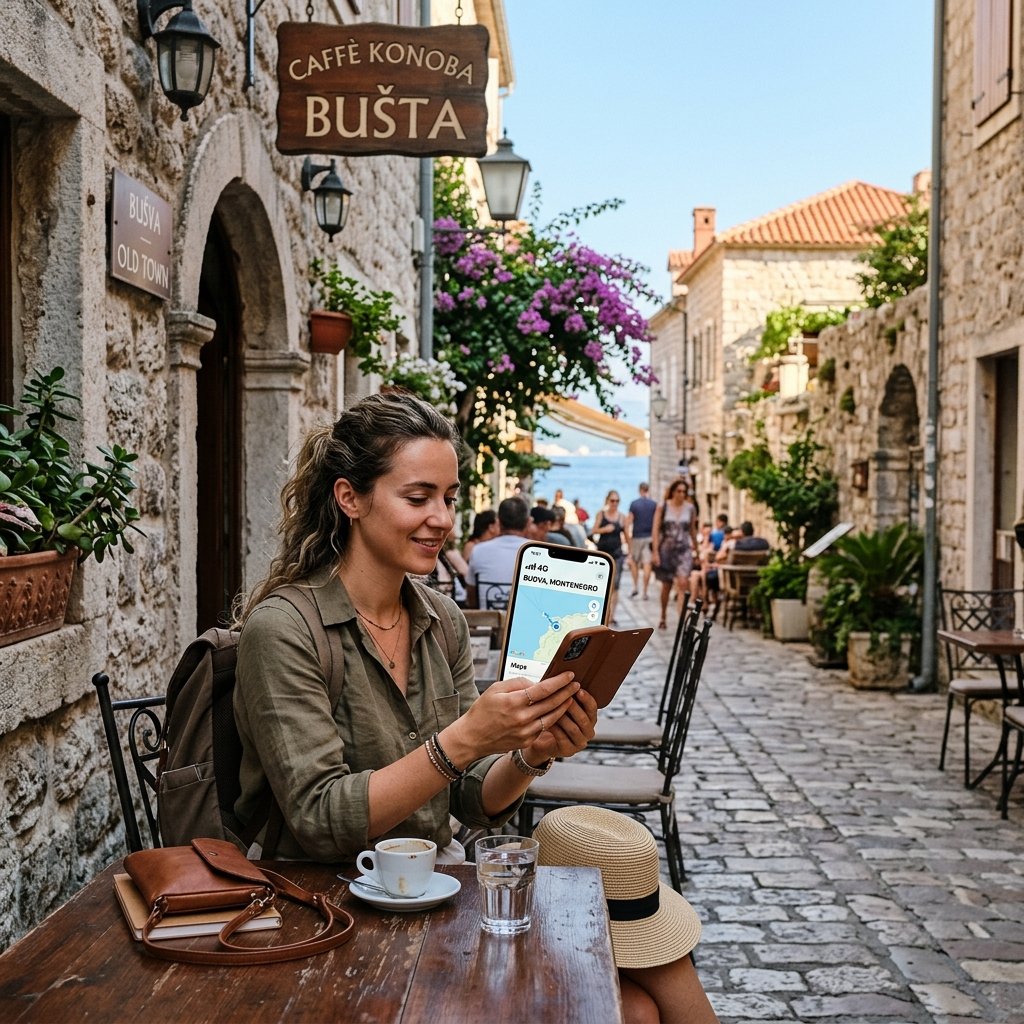
Staying connected is vital for using Viber to book taxis or checking coastal ferry times. Montenegro’s mobile market is shared by three main operators: m:tel, Crnogorski Telekom (T-Mobile), and One (formerly Telenor). m:tel Montenegro has the largest market share and provides high-speed 5G tourist packs in Kotor and Budva. Crnogorski Telekom offers the most stable coverage in mountainous areas, including Durmitor National Park. Purchasing a local physical SIM card requires visiting a telecom shop to present your passport for KYC registration. To bypass these queues and ensure instant connectivity, buying a travel eSIM from TravelyData is highly recommended. For neighboring regional connections, see our Costa Rica eSIM page.
Balkan Etiquette: Njegoški pršut, Kajmak, and Tourist Registration Rules
Montenegro enforces strict registration rules for tourists. When dining out, cash is required for traditional dishes at local family-run taverns.
Montenegrin culture is warm and hospitable, centered around hearty meals. When visiting local taverns (konobas), don’t miss trying **Njegoški pršut** (dry-cured ham from the mountain village of Njeguši) and **Kajmak** (a rich, clotted cream spread). These traditional konobas operate on a cash-only basis. Additionally, ensure your hotel or apartment host registers your stay with the local tourist bureau. If they fail to do so, you must visit the tourist office yourself to pay the boravišna taksa and receive the white registration card. Border control officers routinely scan these registrations when you exit the country, and failing to show proof of registration can result in heavy fines and travel delays.

Frequently Asked Questions (FAQ)
Do Uber and Bolt operate in Montenegro?
No. Neither Uber nor Bolt operates in Montenegro. For booking private cabs, travelers should download local apps like Tesla Taxi or contact local drivers directly via Viber.
What is the stanična usluga fee at Montenegro bus stations?
The stanična usluga is a mandatory €1 station platform fee charged by bus terminal operators in Montenegro. It must be paid in cash at the ticket window to receive a gate token, even if you already bought your bus ticket online.
Is the tourist tax mandatory in Montenegro?
Yes. Foreign visitors must register and pay a €1 per day tourist tax (boravišna taksa) at a local tourist information office within 24 hours of arrival. Keep the paper receipt, as border police may check it when you exit the country.
Which mobile network is best for traveling in Montenegro?
m:tel Montenegro offers the fastest 5G data speeds in major coastal cities like Kotor and Budva. However, Crnogorski Telekom provides the most reliable coverage in mountainous regions and national parks.
 Montenegro eSim