Rwanda Travel Summary: Kigali Airport taxis charge 10,000-15,000 RWF (Cash). Yego Cab app costs 6,000-9,000 RWF. MTN has the widest coverage; Airtel is fast in the city. TravelyData eSIM connects instantly without KYC.
| Carrier | Coverage | eSIM Suitability |
|---|---|---|
| 📶 MTN | Widest coverage | Passport required |
| 📶 Airtel | Fast city LTE | Passport required |
| 📶 eSIM TravelyData | Auto-switch | Zero KYC, instant |
| Route/Option | Cost | Rules/Pickup |
|---|---|---|
| Yellow Stripe Taxi | 10k-15k RWF | Cash only, outside terminal |
| Yego Cab App | 6k-9k RWF | Metered, card/mobile money |
| City Bus | Varies | Requires Tap&Go card |
Rwanda Survival Cheat-Sheet
Kigali Airport (KGL): Official airport cabs charge flat rates of 10,000 to 15,000 RWF (approx. $8–$12 USD) to Kigali center. Uber does not operate in Rwanda; instead, download the Yego Cab app or hail local moto-taxis (motos) for quick city transit.
Tap&Go Bus Cards: Public city buses in Kigali do not accept cash. You must buy a Tap&Go transit card at designated bus terminals (like Nyabugogo) and top it up before boarding.
Credit Card Surcharges & Cash: Cards are accepted in major Kigali hotels and high-end restaurants, but carry a 3% to 5% processing surcharge. US Dollars are accepted if printed in 2013 or later, but local Rwandan Francs (RWF) are mandatory for park fees and local brochette dinners.
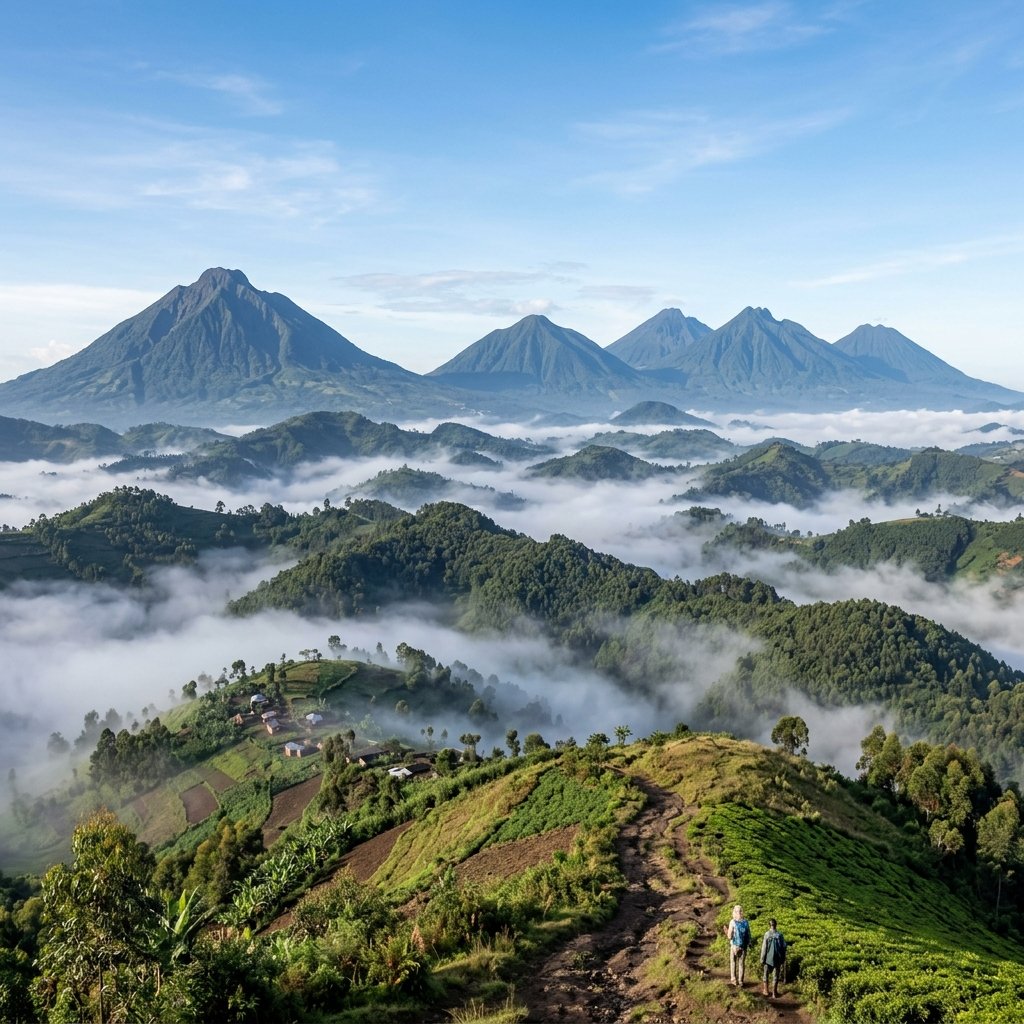
Walking out of Kigali International Airport, the clean mountain air and spotless streets instantly tell you why Rwanda is known as the Singapore of Africa. But as you pull out your phone to call a ride, you will discover that Uber or Bolt do not exist here. Instead, taxi drivers in official yellow stripes wait at the curb, and red-helmeted moto-taxis (motos) buzz along the city roads. Navigating transportation and daily transactions in this clean, forward-thinking country is a smooth experience once you learn the local guidelines. From the mandatory cashless bus transit rules to dodging credit card surcharges, here is your essential guide to staying connected and traveling from Kigali to the gorilla trails of Volcanoes National Park.
Touchdown in Kigali: Airport Taxis, Yego Apps, and Tap&Go Bus Cards
Kigali International Airport (KGL) is the gateway to Rwanda, offering regulated airport taxis, local ride-hailing apps, and a cashless bus network.
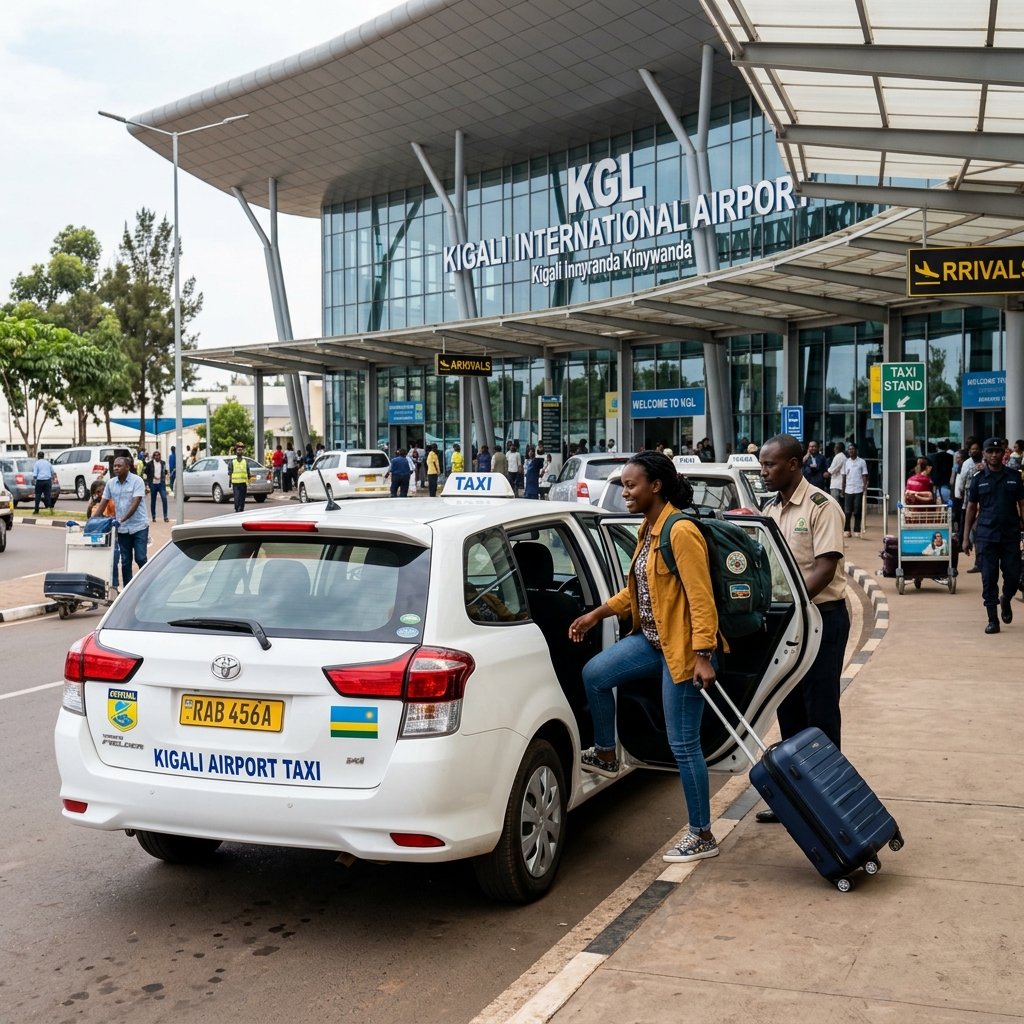
Upon arrival, official airport taxis (marked with a yellow stripe) charge a flat fare of 10,000 to 15,000 RWF (about $8–$12 USD) to Kigali city center, payable only in cash. While Uber and Bolt are unavailable, you can use Yego Cab (the local government-approved ride-hailing app) to book private taxis with metered pricing. For solo travelers, hailing a local moto-taxi (moto) is the fastest way to get around town, with fares starting at just 500 RWF. Active mobile data is essential for booking rides or checking navigation routes. For official tourism updates, check the official Rwanda Tourism Portal.
To navigate Kigali’s public buses, cash is not accepted on board. Instead, you must purchase a **Tap&Go card** at local bus terminals (such as Nyabugogo or Kigali Downtown) and top it up at kiosks before boarding. Simply tap the card on the reader when entering the bus. Compare this to the cashless transit card in our South Africa cashless travel guide or the airport taxi rules in our Morocco travel guide.
The Rwanda Utilities Regulatory Authority (RURA) regulates Kigali’s public transport network. Bus drivers are strictly prohibited from accepting cash fares under municipal transport rules. All passengers are required to hold a preloaded Tap&Go card.
Cash vs Mobile Money: Navigating Card Surcharges in Kigali
Visa and Mastercard are accepted at major Kigali hotels and restaurants, but cash is mandatory for street food and taxi rides.
Rwanda’s official currency is the Rwandan Franc (RWF). While credit cards are widely accepted at modern hotels and supermarkets, most high-end establishments add a **3% to 5% processing surcharge** on international card transactions. To avoid these fees, it is best to carry cash or pay using Mobile Money (MoMo), which is the default payment method for locals. US Dollars are widely accepted for national park entries, but banks and merchants only accept crisp USD bills printed in 2013 or later. Check cash and card usage tips in our Morocco travel payment guide.
MTN vs Airtel: Network Coverage and SIM Registration Rules
MTN Rwanda offers the widest 4G LTE national park coverage, while Airtel provides fast speeds in Kigali. Avoid local biometric queues with a travel eSIM.
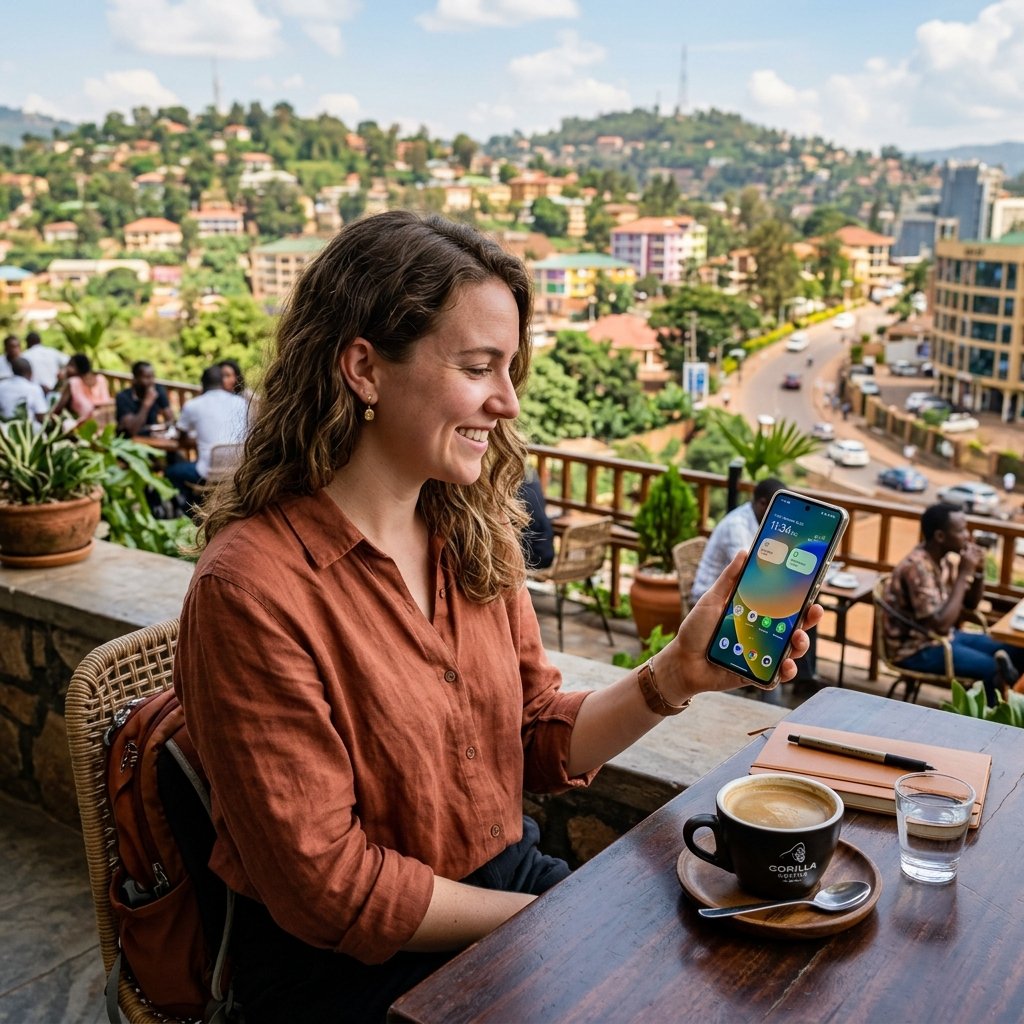
Staying connected is vital for using Yego Cab or checking national park maps. Rwanda’s mobile market is shared by two main operators: MTN Rwanda and Airtel Rwanda. MTN Rwanda has the largest network footprint, providing reliable signals across Volcanoes National Park, Nyungwe Forest, and Akagera National Park. Airtel Rwanda offers fast LTE data in Kigali but signal strength can drop significantly in rural areas. Buying a local physical SIM card requires visiting an official brand store to present your passport for biometric KYC registration, which can involve long queues. To bypass these delays, purchasing a pre-activated travel eSIM from TravelyData is highly recommended. If you plan to explore other African destinations, see our Morocco eSIM page or eSIM Egypt.
Kigali Etiquette: Akabanga Chili, Plastic Bag Bans, and Umuganda Saturdays
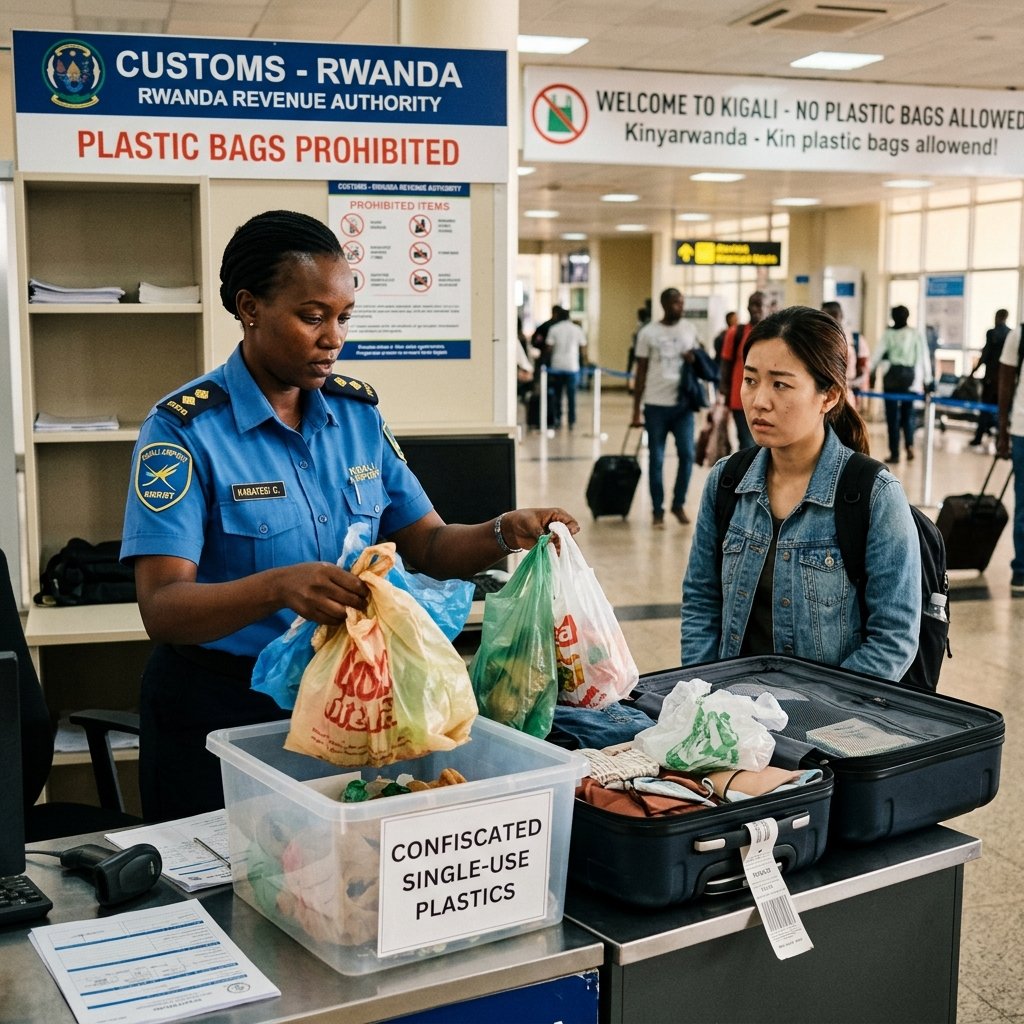
Plastic bags are strictly banned at Rwandan customs. On the last Saturday of every month (Umuganda), shops and transport shut down for community cleanup.
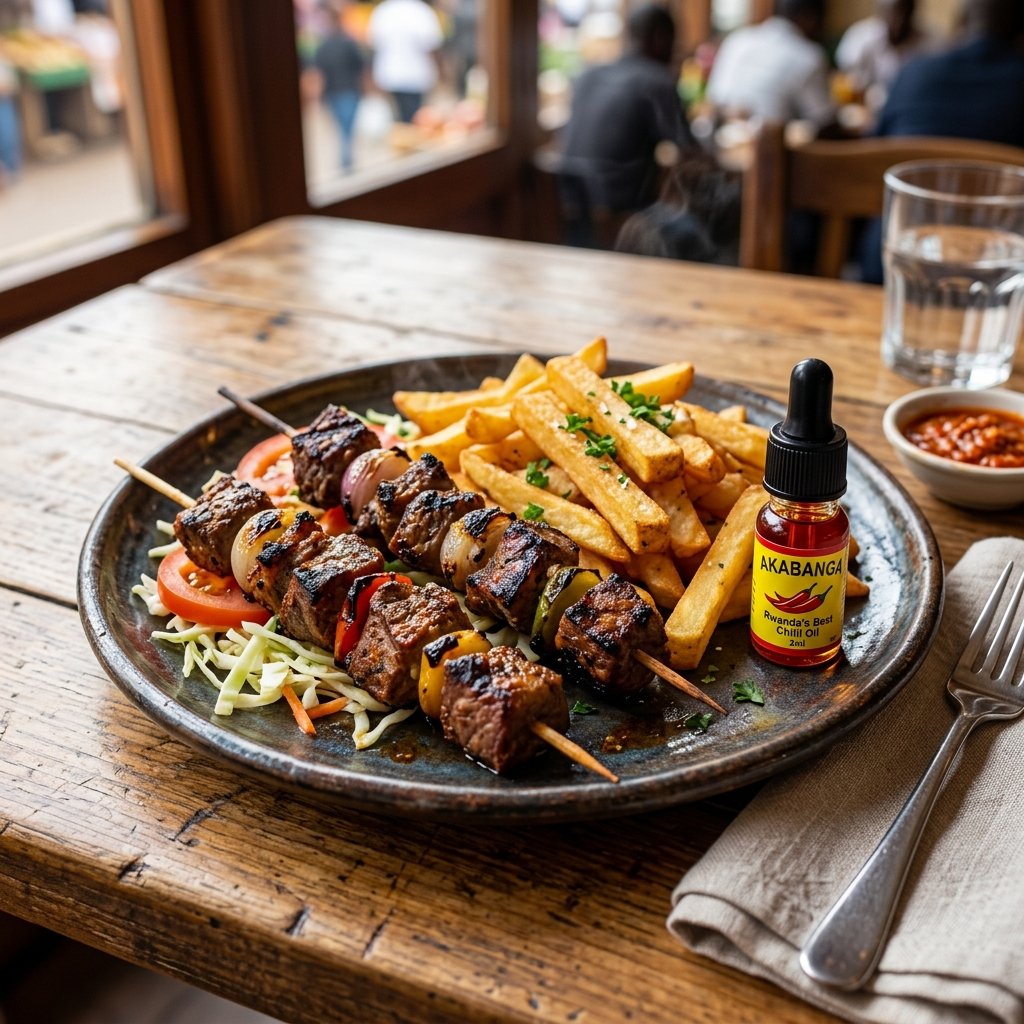
Rwanda has strict environmental laws. Single-use plastic bags are completely illegal; customs officers at Kigali Airport will search your luggage and confiscate any plastic bags. When dining out, do not miss trying traditional **Brochettes** (skewered goat or beef cooked over charcoal) paired with a drop of **Akabanga**, a highly potent local chili oil made from yellow lantern peppers. These street food spots are cash-only. Additionally, pay close attention to local calendars: on the last Saturday morning of every month, the entire nation participates in **Umuganda**—a mandatory community service day. From 8:00 AM to 11:00 AM, all shops, businesses, and public transport shut down. Do not plan travel or hikes during this window, as you will find the roads completely empty and blockaded.

Frequently Asked Questions (FAQ)
Do Uber and Bolt operate in Rwanda?
No. Neither Uber nor Bolt operates in Rwanda. For booking private cabs, travelers should download the local Yego Cab app or hail local moto-taxis for quick city transit.
Can I pay with cash on Kigali city buses?
No. Public city buses in Kigali strictly operate on a cashless Tap&Go card system. Bus drivers are legally prohibited from accepting cash fares. You must buy and top up a Tap&Go card at local kiosks before boarding.
Are US Dollars widely accepted in Rwanda?
US Dollars are accepted for national park entry fees and safari bookings, but only if the banknotes are clean, uncreased, and printed in 2013 or later. For daily city transit, local dining, and tips, you must use Rwandan Francs (RWF).
What is Umuganda and how does it affect travel?
Umuganda is a mandatory community work day held on the last Saturday of every month from 8:00 AM to 11:00 AM. During this time, all businesses, stores, public transit, and roads are completely shut down. Travelers should plan to stay at their hotel until noon.
 Rwanda eSim