Serbia Travel Summary: At Belgrade Airport, buy an official taxi voucher (3,000 RSD flat). Car.Go or Yandex Go cost 1,800-2,500 RSD. A1 and Yettel are popular, but TravelyData eSIM gives seamless auto-switching.
| Carrier | Coverage | eSIM Suitability |
|---|---|---|
| 📶 A1 | Fast 4G | ID registration |
| 📶 Yettel | Reliable everywhere | ID registration |
| 📶 eSIM TravelyData | Auto-switch | Zero KYC, instant |
| Route/Option | Cost | Rules/Pickup |
|---|---|---|
| Official Taxi | 3,000 RSD (Zone 1) | Buy voucher at arrivals desk |
| Car.Go / Yandex Go | 1,800-2,500 RSD | App booking, designated area |
| Shuttle A1 / Line 72 | 300 / 50 RSD | SMS 9011 (Local SIM) or Paper |
Serbia Survival Cheat-Sheet
Belgrade Airport (BEG): Official taxis charge a flat rate of 3,000 RSD (approx. $28 USD) to city center. Go to the taxi voucher desk inside arrivals. Uber and Bolt do not operate in Serbia; instead, download Car.Go or Yandex Go.
Belgrade Bus Kiosk Tickets: Public city buses use a cashless SMS-ticketing system that requires a local Serbian SIM. Tourists must purchase paper bus tickets at designated kiosks (marked Moj Kiosk) before boarding.
Cash Requirements & Tourist Tax: Serbian Dinars (RSD) are required for local bakeries (pekara), green markets, and street food. Ensure your host registers you at the local police station to receive your white registration card (Beli karton).
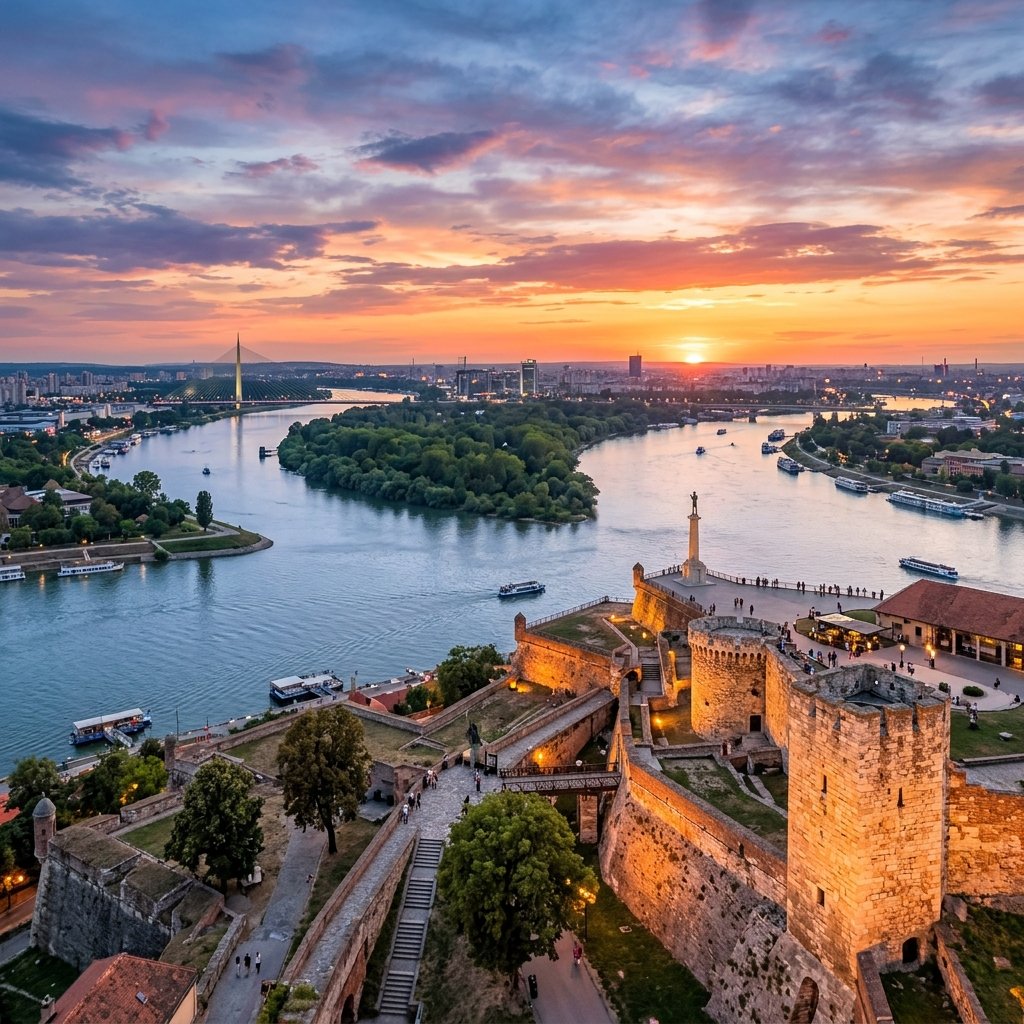
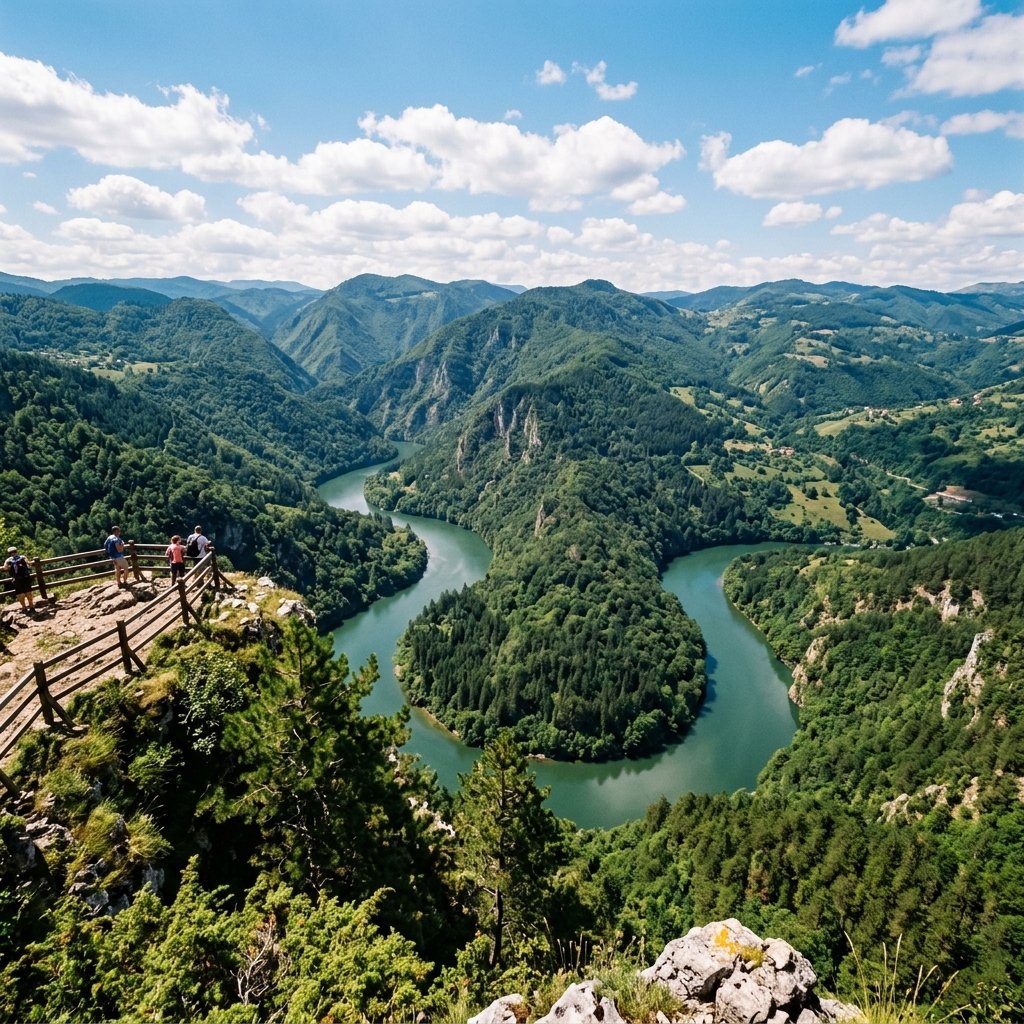
Stepping off the plane in Serbia, the bustling streets of Belgrade and the warm hospitality of the Balkans welcome you. But as you prepare to navigate this vibrant country, you will quickly discover that standard ride-hailing services like Uber do not operate here. From buying bus tickets at street kiosks to carrying physical dinars for traditional grill houses, traveling in Serbia requires a specific set of survival rules. Whether you are exploring Belgrade’s historic fortress or hiking in Tara National Park, here is your essential guide to navigating Serbia like a local.
🇷🇸 Touchdown in Belgrade: Airport Vouchers, Cashless SMS Bus Traps, and Car.Go Apps
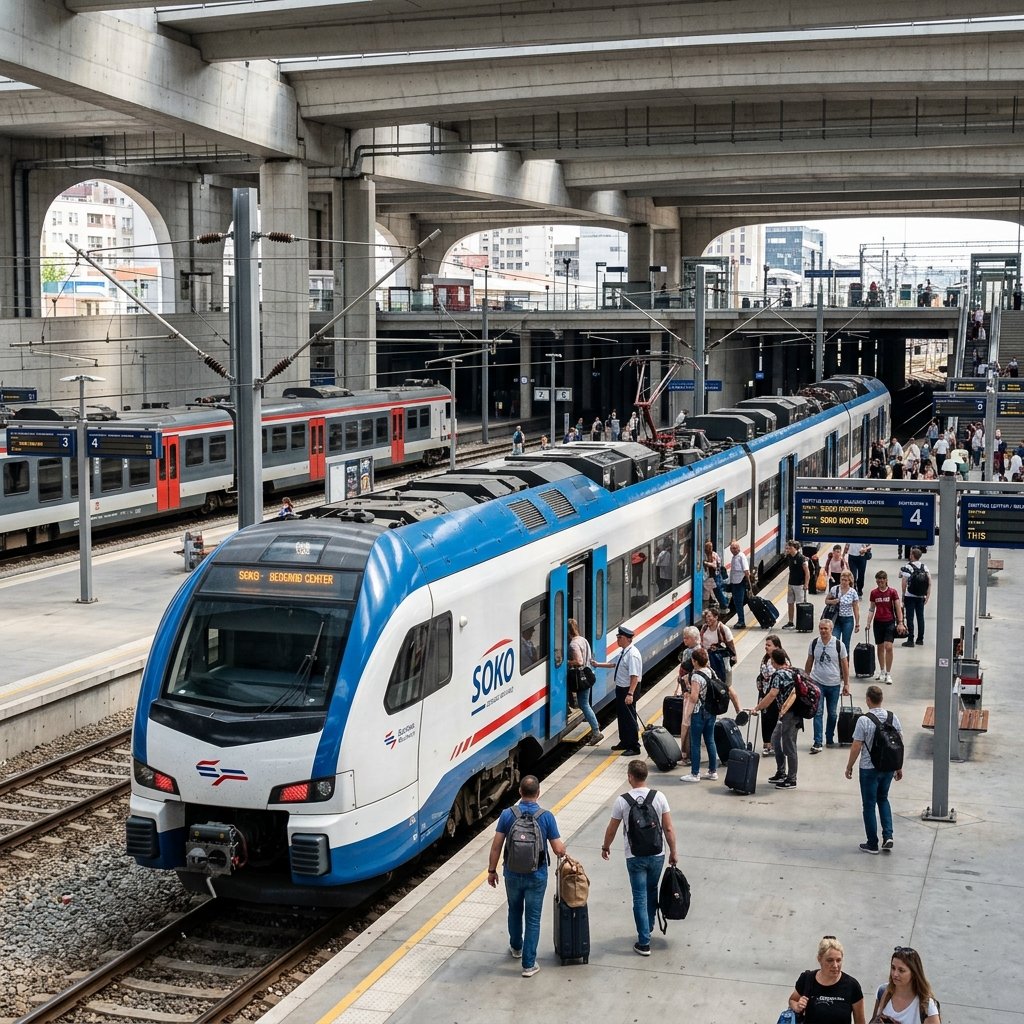
Belgrade Nikola Tesla Airport (BEG) is the main entry point to Serbia, offering regulated airport taxi vouchers, local ride-hailing alternatives, and a cashless municipal bus network.
Stepping out of Belgrade Airport, you will quickly notice the absence of major ride-hailing apps like Uber or Bolt, which are legally prohibited from operating in Serbia. To reach the city center safely, head to the official taxi voucher desk inside the baggage reclaim area or the arrivals hall. Do not accept rides from drivers offering taxi services directly in the terminal hall; instead, request a voucher at the counter for zone 1 (city center), which has a regulated flat fare of 3,000 RSD (about $28 USD / €25). You will pay the driver with this voucher and cash/card at the end of the trip. For getting around Belgrade, you can use local ride-hailing alternatives like Car.Go or download Yandex Go to book metered cabs. Active data is necessary to run these apps and contact drivers. For the latest travel advisories and official schedules, consult the official Serbia Tourism Portal.
If you plan to navigate Belgrade’s public city buses, trams, and trolleybuses, keep in mind a major transit trap: the local ticketing system is entirely cashless and relies on sending an SMS to the municipal shortcode `9011`. However, because international phone numbers cannot send SMS to local shortcodes, tourists without a local Serbian SIM card cannot pay for tickets this way. Instead, you must purchase a paper bus ticket (Beogradska kartica) in cash at designated street kiosks marked **Moj Kiosk** before boarding. Compare this to the ticketing procedures in our SUBE card guide for Argentina or airport taxi guide for Panama.
The City of Belgrade (Sekretarijat za javni prevoz) manages the Belgrade public transport network. Bus drivers are strictly prohibited from accepting cash fares. Tourists must buy paper tickets at Moj Kiosk or use a local SIM card with loaded credit to pay via SMS to 9011.
🇷🇸 Cash is King: Navigating ATMs and the Serbian Dinar
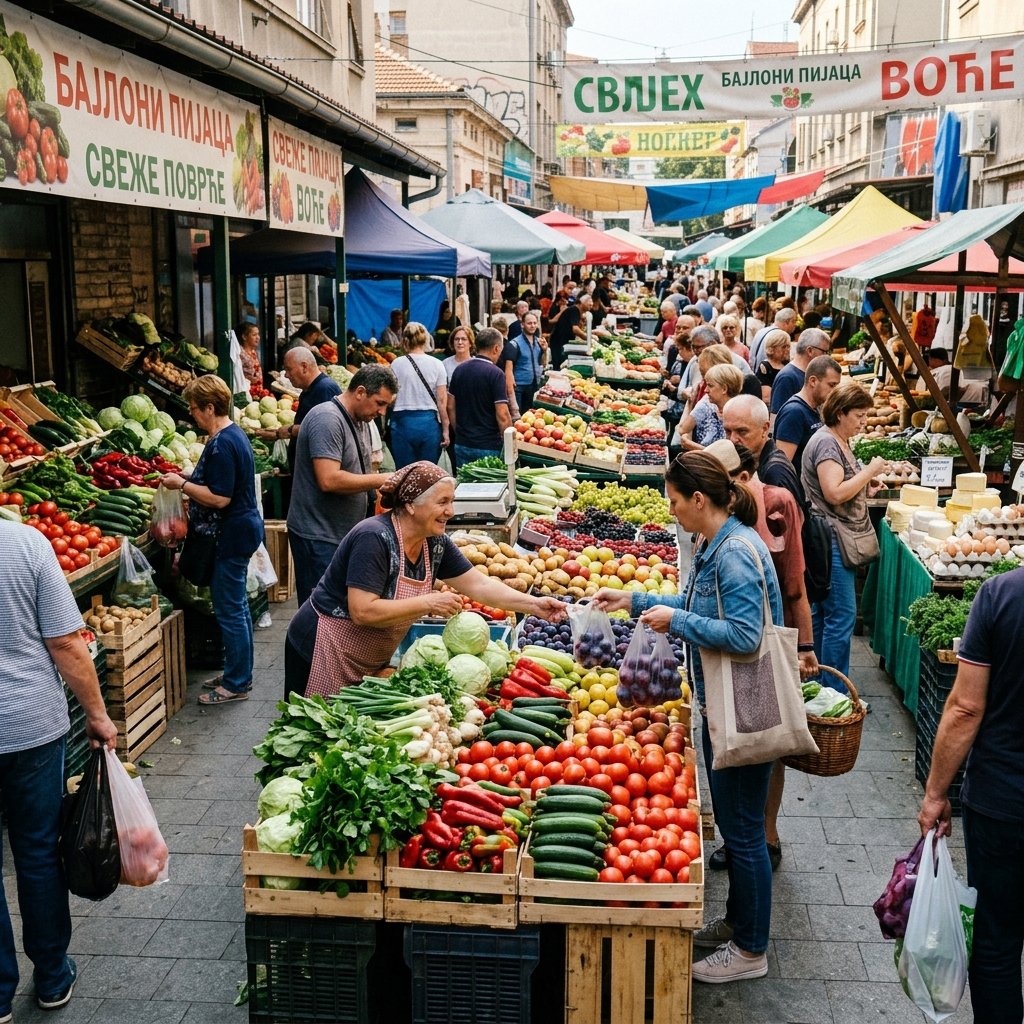
Serbia operates strictly on the Serbian Dinar, and carrying physical cash is mandatory for local bakeries, green markets, and tips.
While major restaurants, hotels, and supermarkets in Serbia accept international credit cards, cash is non-negotiable for everyday life. You will need Serbian Dinars (RSD) to buy pastries at local bakeries (pekaras), purchase fresh produce at open-air green markets (pijacas), and pay for street food. Additionally, tipping in Serbian cafes and restaurants is custom and paid in cash. When withdrawing dinars from ATMs, always use official bank ATMs (such as Erste Bank or Mobi Banka) and decline Dynamic Currency Conversion (DCC) to avoid high conversion markups. Check card usage tips in our Uruguay travel payment guide.
🇷🇸 A1 vs Yettel: Network Coverage and SIM Card Registration Rules
A1 Serbia offers the fastest 5G tourist packages, while Yettel provides highly stable rural coverage. Bypassing physical KYC queues with a travel eSIM is highly recommended.
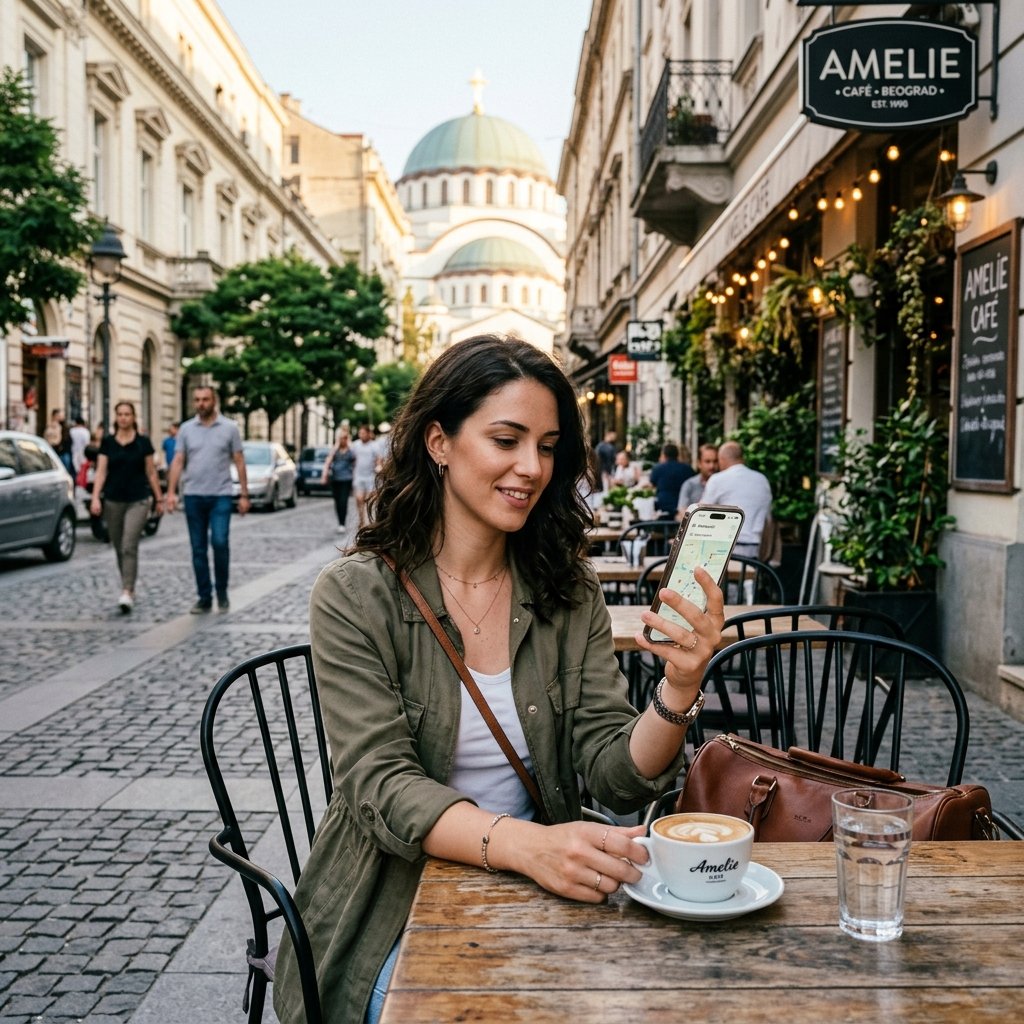
Staying connected is vital for using Car.Go to book rides or checking bus timetables. Serbia’s mobile network is shared by three main operators: MTS (state-owned), Yettel (formerly Telenor), and A1 (formerly Vip Mobile). A1 Serbia provides top-tier 5G speeds in Belgrade and Novi Sad. Yettel offers the most reliable LTE coverage in national parks like Tara and Kopaonik. Purchasing a local physical SIM card requires visiting a brand outlet to present your passport for KYC registration. To bypass these queues and ensure instant connectivity, buying a travel eSIM from TravelyData is highly recommended. For neighboring regional connections, see our Costa Rica eSIM page. Learn more about A1 Serbia on Wikipedia and Yettel Serbia on Wikipedia.
🇷🇸 Balkan Etiquette: Ćevapi Dinners and Mandatory White Card Registrations
Serbia enforces strict tourist registration rules. When dining out, cash is required for traditional dishes at local family-run taverns.
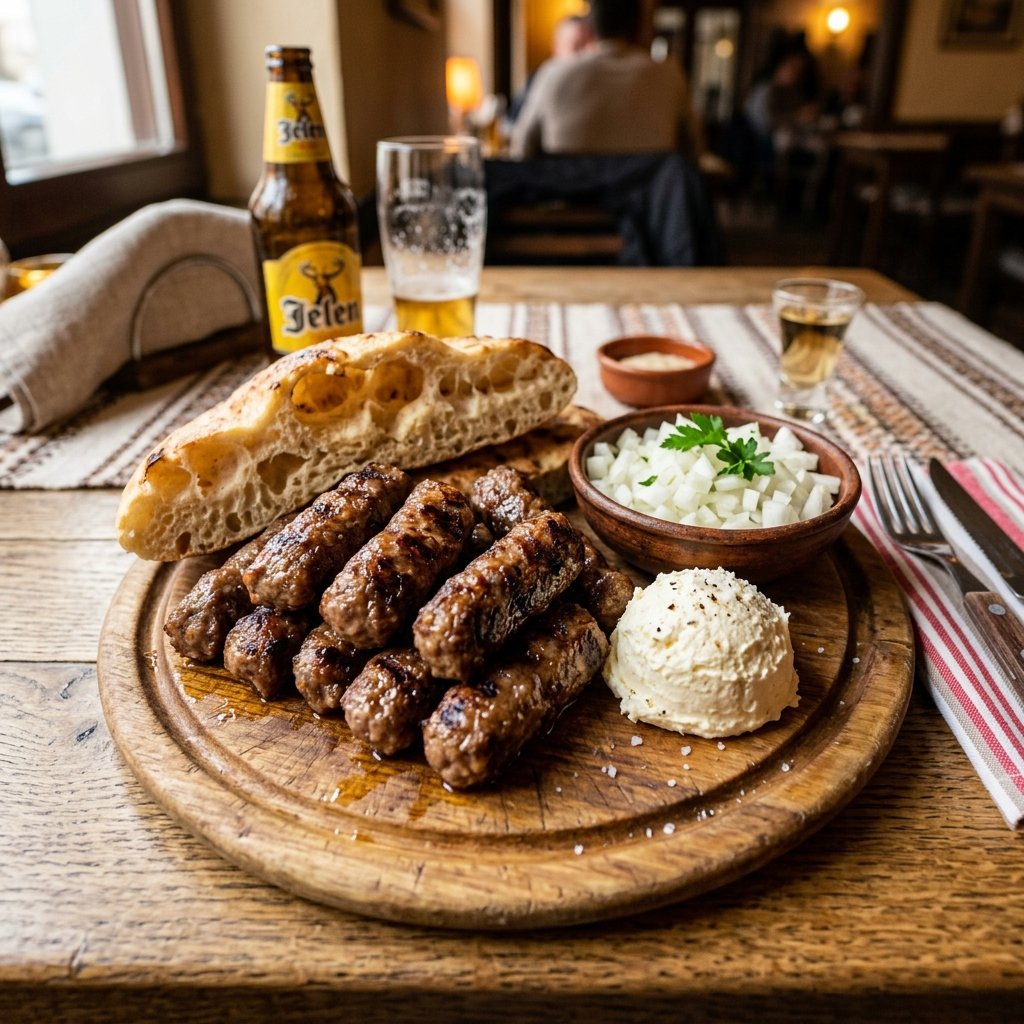
Serbian food culture is rich and centered around grilled meats. When visiting local taverns (kafanas), don’t miss trying **Ćevapi** (grilled minced meat sausages) and **Pljeskavica** served inside **Somun** flatbread with **Ajvar** and **Kajmak**. Most traditional kafanas operate on a cash-only basis. Additionally, ensure your host registers your stay at the local police station within 24 hours of arrival to receive your **Beli karton** (White Card). Border control officers scan these registrations when you exit the country, and failing to show proof of registration can result in fines and delays.
Frequently Asked Questions (FAQ)
Do Uber and Bolt operate in Serbia?
No. Neither Uber nor Bolt operates in Serbia. For booking private rides, travelers should download local apps like Car.Go or Yandex Go.
How do tourists pay for Belgrade city buses?
Belgrade buses use an SMS payment system (code 9011) that requires a local SIM. Tourists without a local SIM must buy paper tickets (Beogradska kartica) in cash at street kiosks (Moj Kiosk) before boarding.
Is tourist registration required in Serbia?
Yes. All foreign visitors must be registered with the local police within 24 hours. Your hotel or host should provide you with a paper registration slip (Beli karton) which you must keep until departure.
Which mobile network is best for tourists in Serbia?
A1 Serbia offers the fastest 5G speeds in urban areas like Belgrade. Yettel provides the most stable coverage in rural areas and national parks.
 Serbia eSim