Latvia Travel Summary: Riga International Airport (RIX) is connected to the city center via Bus 22, costing €1.50 (pre-bought) or €2.00 (on-board via card; drivers do not accept cash). Bolt is the primary ridesharing app, costing €10–€15 to the city. Card payments are universally accepted, making cash unnecessary except for small market stalls. While EU roaming rules apply, non-EU travelers should use a TravelyData eSIM to auto-switch between LMT and Tele2 for optimal coverage without KYC registration.
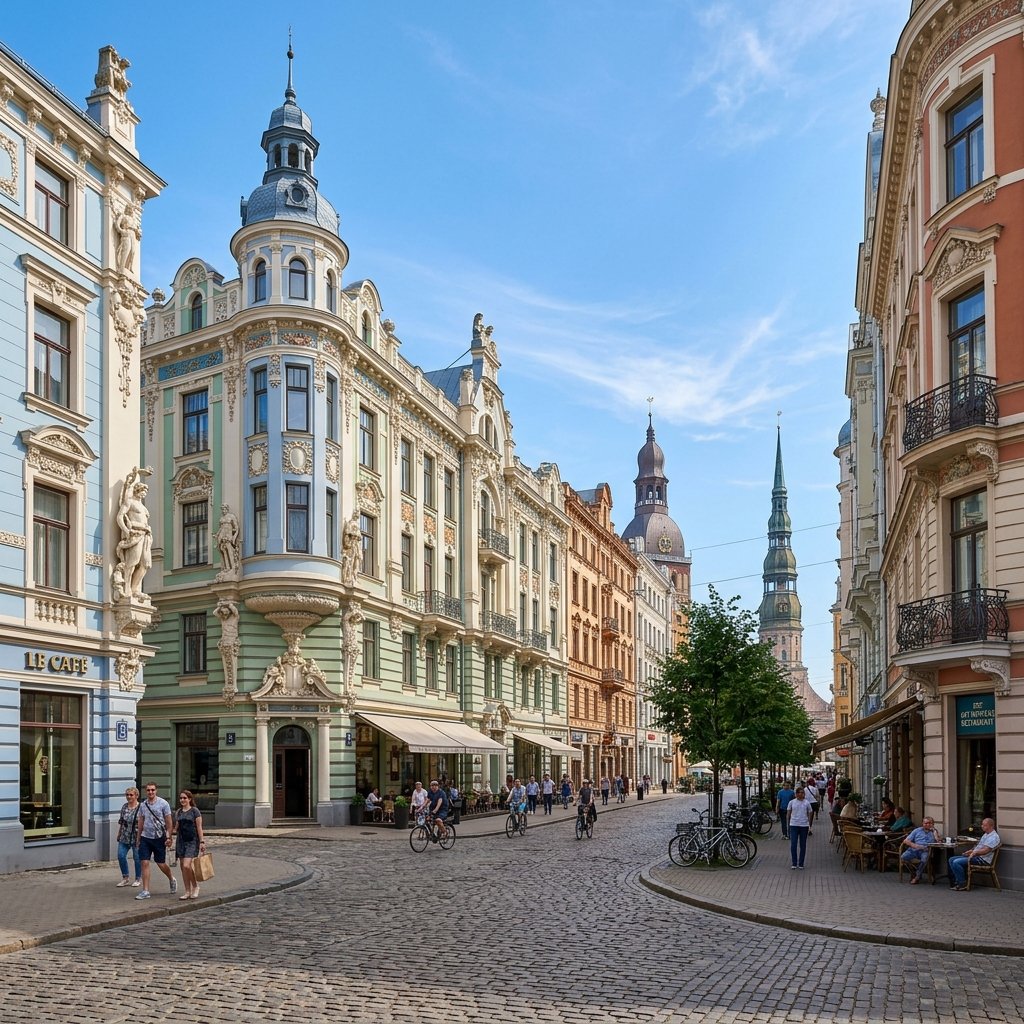
Latvia, the cultural heart of the Baltic states, represents a fascinating blend of medieval history and forward-thinking digital integration. From the Art Nouveau spires of Riga to the pristine, pine-fringed beaches of Jūrmala, the country is designed for seamless, modern exploration. However, while Latvia is exceptionally well-connected, international travelers often get caught in the “Baltic connectivity trap”—expecting seamless border-free roaming and cash-based public transit only to be met with strict registration rules and cash-free bus regulations.
Factual Proof: Baltic EU Roaming and Riga Transit Rules
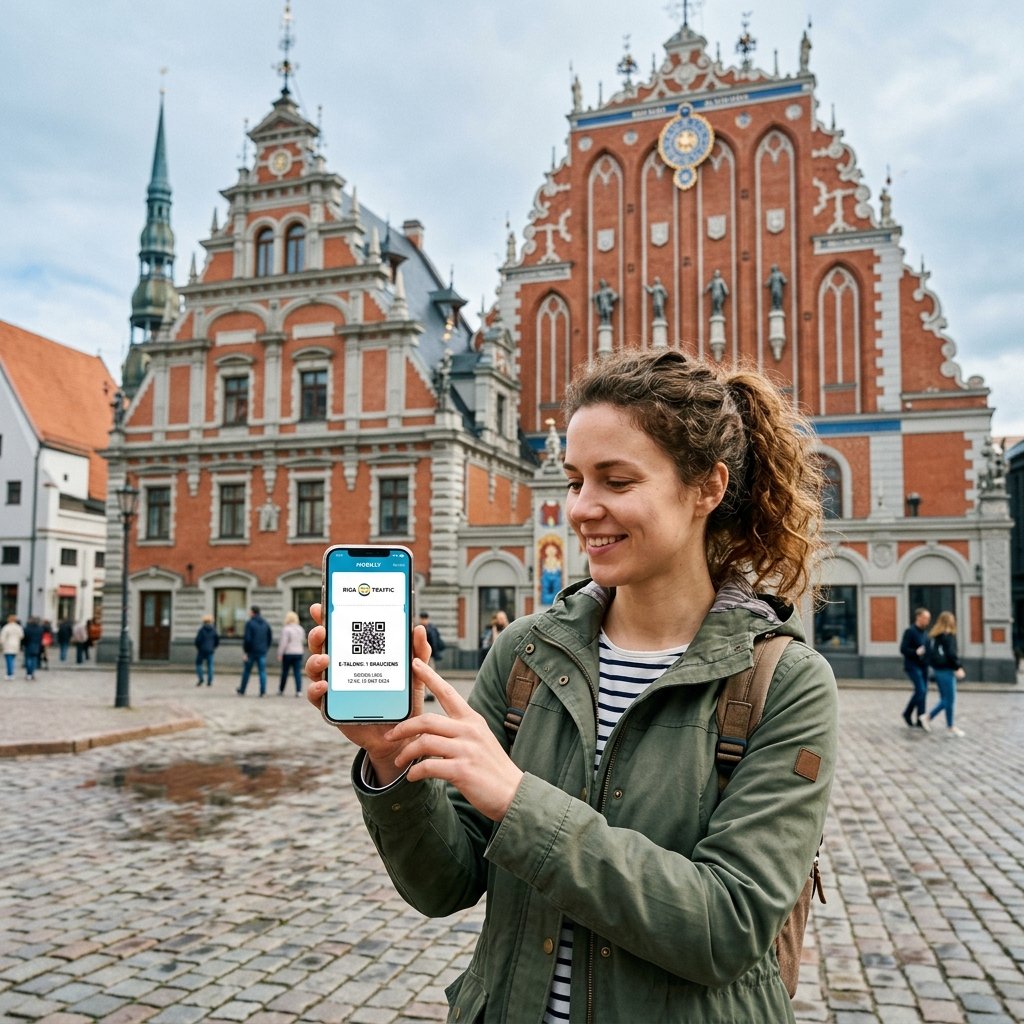
Under European Union regulations, Latvia belongs to the EU/EEA single roaming zone, meaning “Roam-Like-At-Home” allows visitors with European SIM cards to use their data packages without surcharge. However, visitors entering via non-EU neighbor countries (such as Russia or Belarus) face instant roaming fee spikes. Additionally, Riga Municipal Transit (Rīgas satiksme) has removed cash payments entirely from airport bus drivers; boarding Bus 22 requires a pre-purchased e-ticket or a cashless credit card payment.
Arriving at Riga Airport (RIX): Navigating Bus 22 and Bolt
Upon landing at Riga International Airport (RIX), your first travel decision will be how to reach the city center, located about 10 kilometers away. The cheapest option is municipal Bus Line 22, which departs directly from the terminal. In the past, travelers could pay the driver with cash coins. Today, cash is completely banned on-board. To ride, you must purchase a ticket in advance for €1.50 at the airport Narvesen kiosk, at the ticket vending machine at the bus stop, or via the Rīgas satiksme app. If you buy a ticket from the driver, it costs €2.00 and you must pay using a contactless card.
For a more direct route, ridesharing is incredibly popular and efficient in Latvia. Bolt is the dominant platform in the Baltics. A Bolt ride from RIX to the Old Town (Vecrīga) typically ranges between €10 and €15, depending on traffic and surge pricing. We recommend booking your ride inside the terminal and walking out to the designated rideshare pickup zone. Avoid unlicensed taxi solicitors who wait in the arrivals hall; they target tourists with unmetered vehicles and charge up to €50 for the same 15-minute journey.

The Baltic Roaming Trap: Why Local Registration is Painful
If you are traveling through Northern Europe, you might plan to cross borders from Latvia into Estonia or south into Lithuania. If you have an active SIM card from France, Spain, or any other EU country, you are protected by EU roaming regulations. Your phone will seamlessly connect to Latvian networks (usually LMT or Tele2) and use your home data allowance.
However, if you are visiting from the United States, Canada, Asia, or the United Kingdom, you cannot access EU roaming without a local solution. Buying a physical tourist SIM card in Riga requires visiting a telecom shop or a convenience store, presenting your passport, and waiting for manual KYC verification. In Latvia, prepaid cards like LMT Karte or Tele2 Zelta Zivtiņa offer good coverage, but the setup process can be time-consuming, and their network speeds are often throttled for prepaid users compared to postpaid subscribers.
Choosing a TravelyData eSIM bypasses this friction entirely. The eSIM activates instantly upon arrival, connects to the strongest available network, and allows you to travel across the Baltic borders without registration, identity checks, or hidden roaming charges.
Cashless Riga: When Cards Rule and Cash is Useful
Latvia has embraced the cashless revolution. From high-end restaurants in the Quiet Centre to public transit, cards are king. Contactless payments, Apple Pay, and Google Pay are standard. Even the smallest cafes and boutique shops in Old Riga expect card transactions. If you try to pay for a cup of coffee with a €50 bill, you will likely face a lack of change or a request for a card.
There are only a few instances where carrying a small amount of Euro cash is recommended. If you visit the historic Riga Central Market (Rīgas Centrāltirgus)—housed in massive repurposed German Zeppelin hangars—some independent produce, cheese, and smoked fish vendors only accept cash. Tipping in restaurants is also preferred in cash (typically 5–10% for good service), as some POS card terminals do not have a built-in tipping prompt.
Plan Your Journey Beyond Latvia
For travelers planning a broader Northern European tour, Latvia serves as the perfect geographical anchor. From Riga, you can easily take the Lux Express bus north to explore the digital fortress of Estonia, or travel south to discover the Baroque charm of Lithuania. If your itinerary extends further west, check out our guides on navigating the cashless transit system of Switzerland and purchasing digital vignettes in Austria to ensure a smooth, fine-free European vacation.


How do I get from Riga Airport to the city center?
Take municipal Bus Line 22 from the terminal. The journey takes 30 minutes. You must buy an e-ticket for €1.50 in advance at a Narvesen kiosk, or pay €2.00 on-board via contactless card (cash is not accepted by the driver).
Does my EU SIM card work in Latvia?
Yes. Since Latvia is part of the EU/EEA, European Union “Roam-Like-At-Home” regulations apply. You can use your domestic data and call allowance in Latvia at no extra cost.
Can I use cash to pay for bus tickets in Riga?
No. Rīgas satiksme has banned cash payments on-board public transit. You must pay using a contactless payment card or buy a preloaded e-ticket before boarding.
 Latvia eSim