Liechtenstein Travel Summary: Liechtenstein has no commercial airports or train stations within its borders. Travelers fly into Zurich Airport (ZRH) and take an SBB train to Sargans or Buchs SG, followed by a LIEmobil bus (Line 11 or 12) into Vaduz. Liechtenstein uses the Swiss Franc (CHF). While it is in the EEA and supports EU roaming, prepaid Swiss SIM cards from operators like Swisscom or Sunrise may charge heavy roaming rates on local Telecom Liechtenstein (FL1) towers if not covered. For a seamless experience, a TravelyData eSIM automatically activates on local grids without passport checks.
| Carrier | Network Coverage | KYC Check | Data Pricing |
|---|---|---|---|
| 📶 Telecom Liechtenstein (FL1) | Excellent nationwide 4G/5G | Passport scan required in-store | Expensive short-term plans |
| 📶 TravelyData eSIM | Auto-connects to Telecom Liechtenstein | None (Zero KYC registration) | Affordable pre-paid packages |
| Route Segment | Transit Operator | Typical Cost | Duration |
|---|---|---|---|
| Zurich Airport (ZRH) to Sargans | SBB Train (Swiss Federal Railways) | CHF 33 – CHF 45 | 75 mins |
| Sargans to Vaduz Post | LIEmobil Bus (Line 11 / 12) | CHF 5 – CHF 8 | 25 mins |
Arriving in the Rhine Valley: Swiss Train Connections, LIEmobil Bus Routes, and Border Realities
Liechtenstein lacks a commercial airport, requiring a flight into Zurich Airport (ZRH) followed by an integrated train and bus transfer. While EU free roaming laws apply to Liechtenstein, crossing from Switzerland on a Swiss SIM card can lead to unexpected roaming charges depending on your operator.
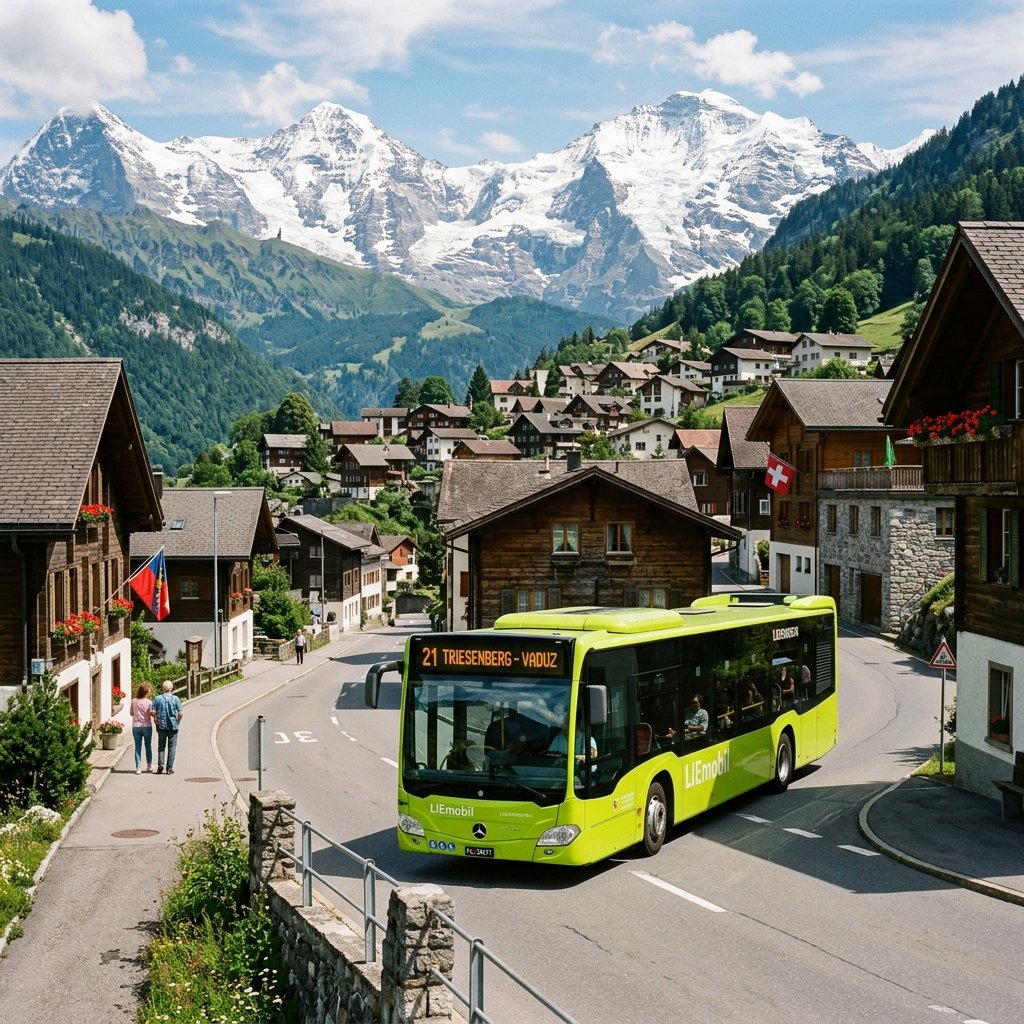
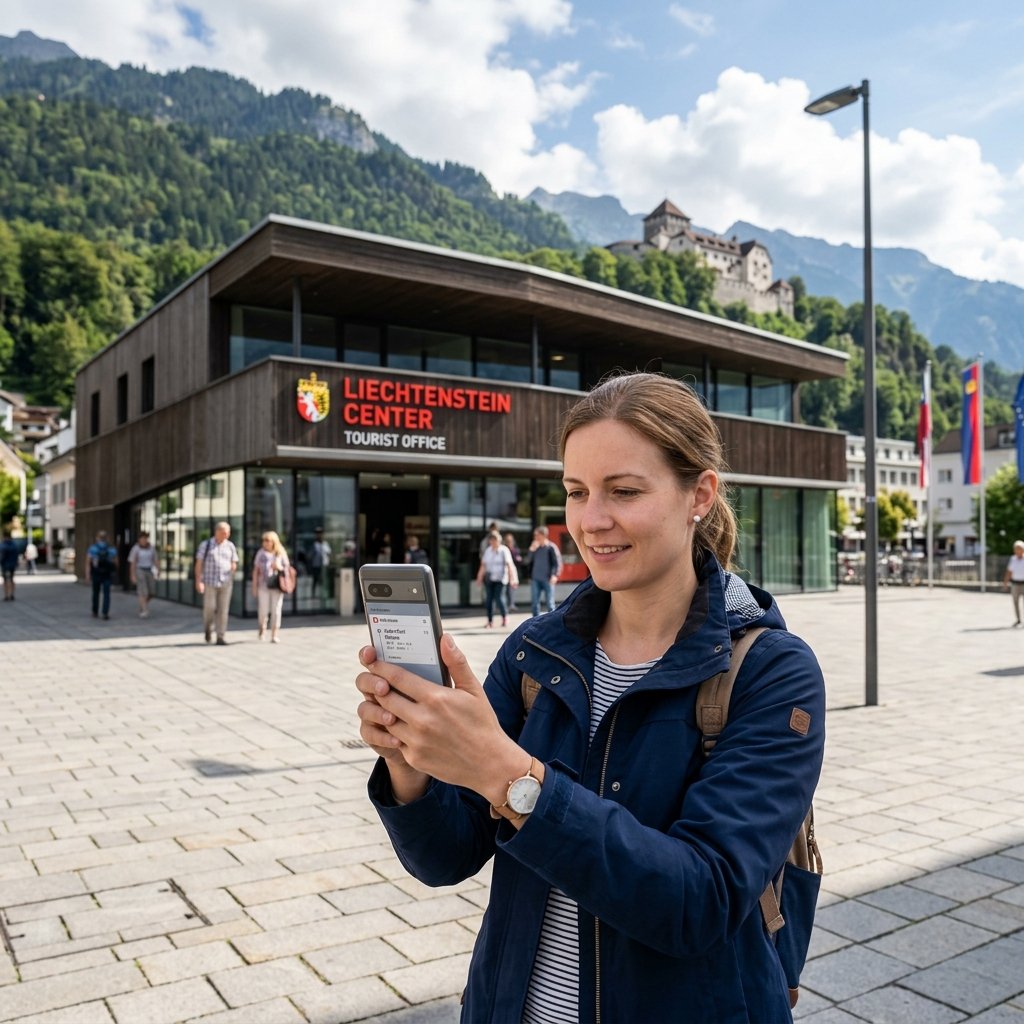
My journey into the principality started at Zurich Airport (ZRH). After retrieving my bags, I boarded the Swiss Federal Railways (SBB) InterRegio train bound for Sargans. The 75-minute train ride ran smoothly along the shores of Lake Zurich, ending at Sargans station, where the bright green LIEmobil bus (Line 11) was already waiting at the transfer terminal. As we crossed the Rhine river over the Swiss-Liechtenstein border, there were no passport checks because of the regional customs union. However, my phone’s connection quickly shifted from Swisscom to Telecom Liechtenstein. For travelers who bought a local Swiss SIM at Zurich, this transition often triggers non-domestic roaming rates if their Swiss provider treats Liechtenstein as a separate zone. Using a pre-installed travel eSIM ensures seamless connectivity across both borders. To compare transit card ticketing, read our cashless Switzerland guide and our Austria transit guide.
Although Liechtenstein is integrated into the Swiss customs area and uses the Swiss Franc, it is a member of the European Economic Area (EEA), whereas Switzerland is not. Under SBB and LIEmobil operational updates, Swisscom and Sunrise include Liechtenstein in national plans. However, discount Swiss prepaid SIM cards (such as Yallo or Lebara Switzerland) often charge standard non-domestic roaming rates (up to CHF 3.00/MB) when connecting to Telecom Liechtenstein (FL1) towers, unless an international option is active.
The LIEmobil buses are clean, efficient, and run every 15 to 30 minutes. The bus route winds through the scenic landscape, passing through villages like Balzers and Triesen before arriving at Vaduz Post, the central transit hub in the capital. While crossing from Austria (via Feldkirch), travelers also face different network boundaries where Austrian SIMs transition smoothly due to shared EEA status, but Swiss-specific MVNO SIM cards do not. Planning your data connection prior to crossing these alpine borders is essential to avoid bill shock.
Swiss Franc Transactions: Surviving Card Minimums at Alpine Refuges and Municipal Buses
Liechtenstein is in a currency union with Switzerland, utilizing the Swiss Franc (CHF) for all transactions. Cashless payments are standard, but travelers must carry coins for local bus ticketing and remote mountain huts.
Unlike neighboring Austria, which uses the Euro, Liechtenstein utilizes the Swiss Franc (CHF). Cards are accepted everywhere, from luxury hotels in Vaduz to souvenir shops. Most establishments support contactless Visa, Mastercard, and mobile payment apps. However, I found that small exceptions still exist where cash is necessary. For example, if you board a LIEmobil bus and do not have an active Swiss Pass or SBB app ticket, buying a single ticket directly from the driver requires cash coins unless you purchase via the regional ticket machines which accept cards. Additionally, if you hike up to the alpine refuges or buy fresh cheese from the self-service honor farm stands (Hofläden) scattered along the mountains, you will need physical Swiss Franc coins to deposit into the honor boxes.
Euros are widely accepted in tourist centers, but merchants will convert the rate to CHF (often unfavorably) and return your change in Swiss Francs. Carrying a small amount of cash coins (CHF 10 to CHF 20) in your pocket is highly recommended. To understand how card transactions are processed in the neighboring Alps, review our Austria cashless guide for similar local rules.
Exploring Malbun Valley: High-Altitude Network Traps and Swiss vs. EU Roaming Realities
The mountain resort of Malbun offers spectacular Alpine hiking, but its valleys create natural signal blocks. Travelers must rely on the dominant local operator, Telecom Liechtenstein (FL1), to maintain stable cellular data.
Malbun, nestled at 1,600 meters above sea level, is Liechtenstein’s premier alpine destination. During my trek around the valley, my connection dropped repeatedly as we walked behind the high peaks. In these valleys, only Telecom Liechtenstein on Wikipedia maintains active cell towers. If you are using a standard roaming SIM from an EU carrier (like Germany or Spain), your phone will connect to FL1, but the bandwidth can be restricted. Swisscom and Salt also share tower space, but signal quality drops quickly in the canyons.
For hikers, having a reliable offline map and active mobile data is a safety requirement. Activating an eSIM that automatically scans and switches to the strongest local cell tower ensures you have signal even on remote peaks. The regional network infrastructure is highly modern, with 5G active in Vaduz and main resort zones, but mountain terrain remains a challenge for general European roaming SIMs.
Traditional Liechtenstein Tavern Dining: Savory Käsknöpfle and Alpine Etiquette
Liechtenstein dining blends Swiss and Austrian culinary traditions, with local etiquette emphasizing privacy and outdoor respect. The national dish, Käsknöpfle, is a must-try Alpine comfort food.
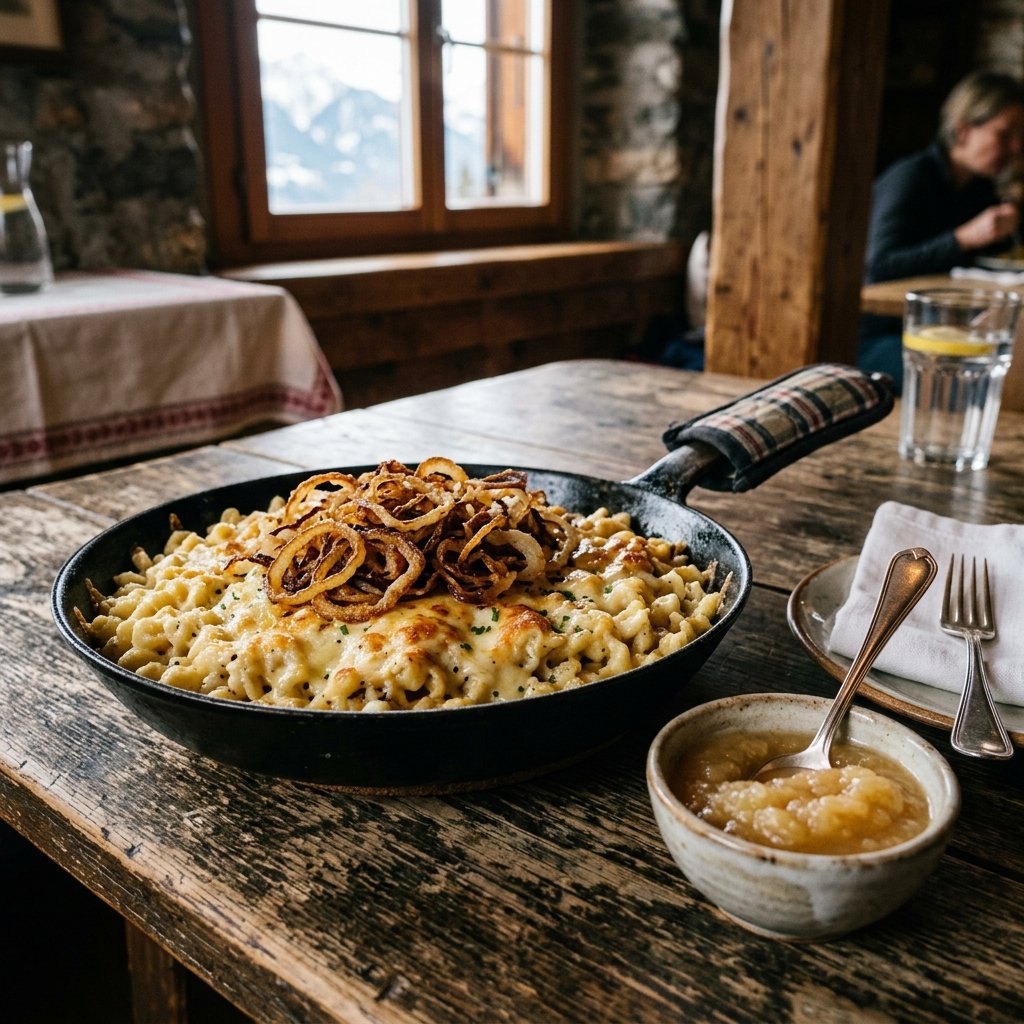
After a day of transit and hiking, I sat down at a traditional tavern in Vaduz to sample the local gastronomy. The national dish is Käsknöpfle, a rustic egg pasta similar to Austrian Spätzle, cooked with a mixture of local cheeses (often spicy Sour Cheese or Bergkäse) and topped with caramelized onions. It is rich, heavy, and perfect for cold mountain evenings. When dining in Liechtenstein, it is customary to wait for the host to seat you, and tipping (Trinkgeld) is generally included in the bill, though rounding up to the nearest Swiss Franc is appreciated for good service. You can learn more about official travel tips on the official Liechtenstein Tourism Portal.
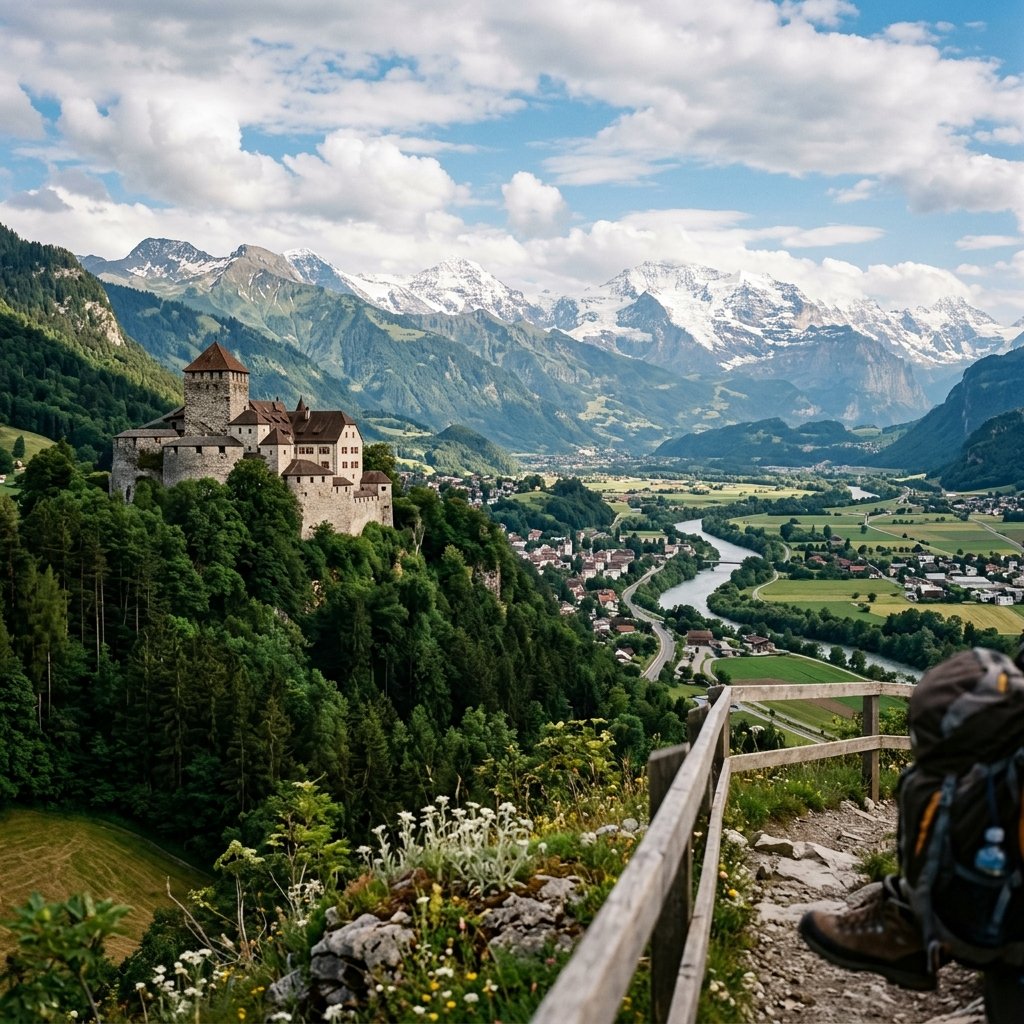
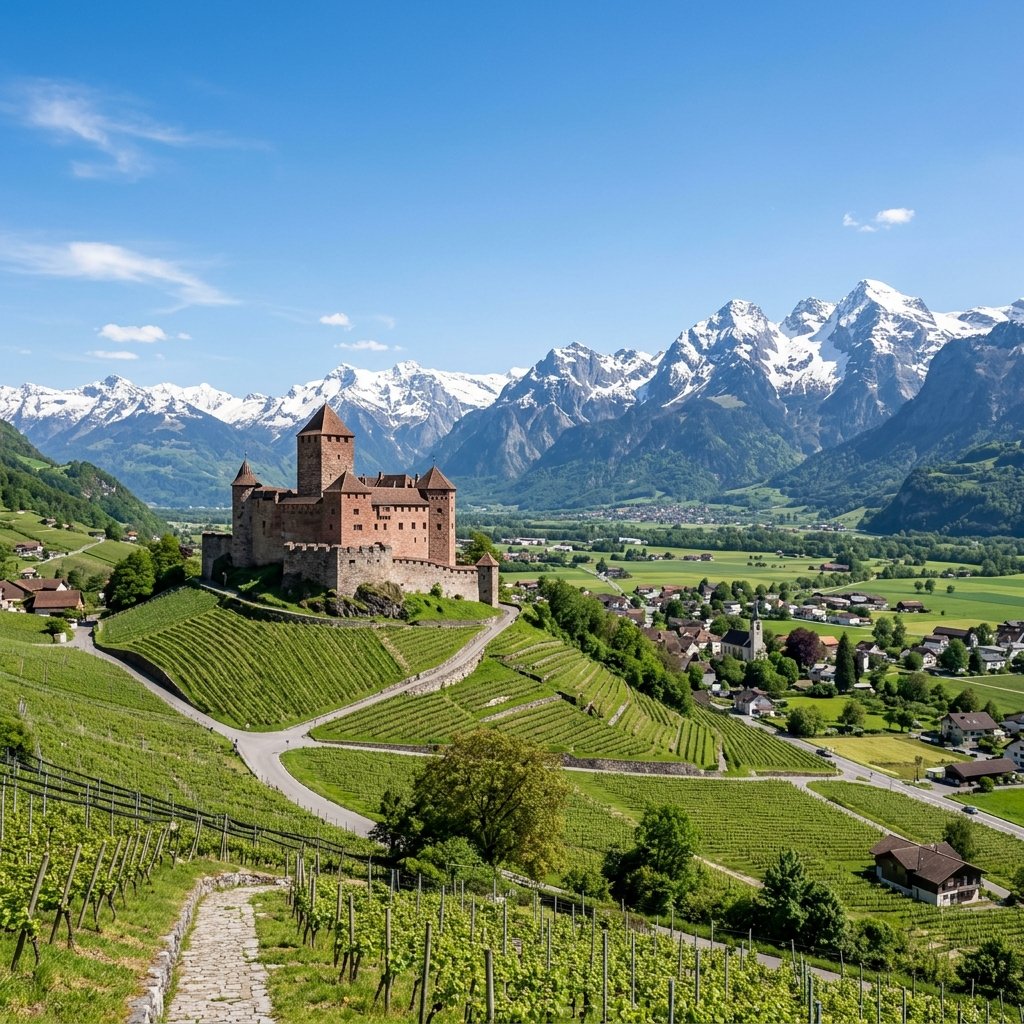
Liechtensteiners value their privacy and the quiet of their mountains. When visiting Vaduz Castle, remember it is the private residence of the Princely Family; taking photos of the private quarters or flying drones near the castle walls is strictly prohibited. Respecting these local boundaries ensures a warm welcome from the community.
Liechtenstein Travel FAQ
How do I get from Zurich to Liechtenstein?
Take the SBB train from Zurich Airport or Zurich Main Station to Sargans or Buchs SG (approx. 75 minutes), then transfer directly to the LIEmobil Bus Line 11 or 12 to Vaduz (approx. 25 minutes). The entire journey takes around 2 hours and costs between CHF 35 and CHF 50.
Does my EU SIM card work in Liechtenstein?
Yes. Liechtenstein is part of the EEA, so standard EU free-roaming regulations apply. However, if you are transiting from Switzerland, be careful, as Switzerland is not in the EU/EEA, and many Swiss prepaid SIMs do not include free data in Liechtenstein.
Can I pay with Euros in Liechtenstein?
Liechtenstein’s official currency is the Swiss Franc (CHF). Euros are accepted in main tourist locations, but you will receive change in Swiss Francs at a less favorable conversion rate. Credit and debit cards are widely accepted.
 Liechtenstein eSim