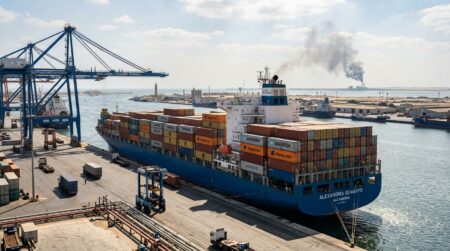
Arriving at the Outer Harbour Ferry Terminal in Macau, I was ready for a day of Portuguese egg tarts and historic walks. But my first lesson came quickly when I boarded a local bus to Senado Square. I reached into my pocket, pulled out a 100 HKD note, and the driver shook his head—buses require exact change of 6 MOP, and they don’t give change. I ended up paying way too much just to get on. The territory operates on a web of silent currency rules, cashless transport cards, and double-currency guidelines that are rarely written down for foreigners.
To avoid these payment traps, check bus routes, and book ferry tickets, setting up a high-speed Macau eSIM on your device before you cross the border is essential. Having local data active from the moment you land makes the journey incredibly seamless.

Macau Pass Taps, Coin Traps, and Local Bus Hacks
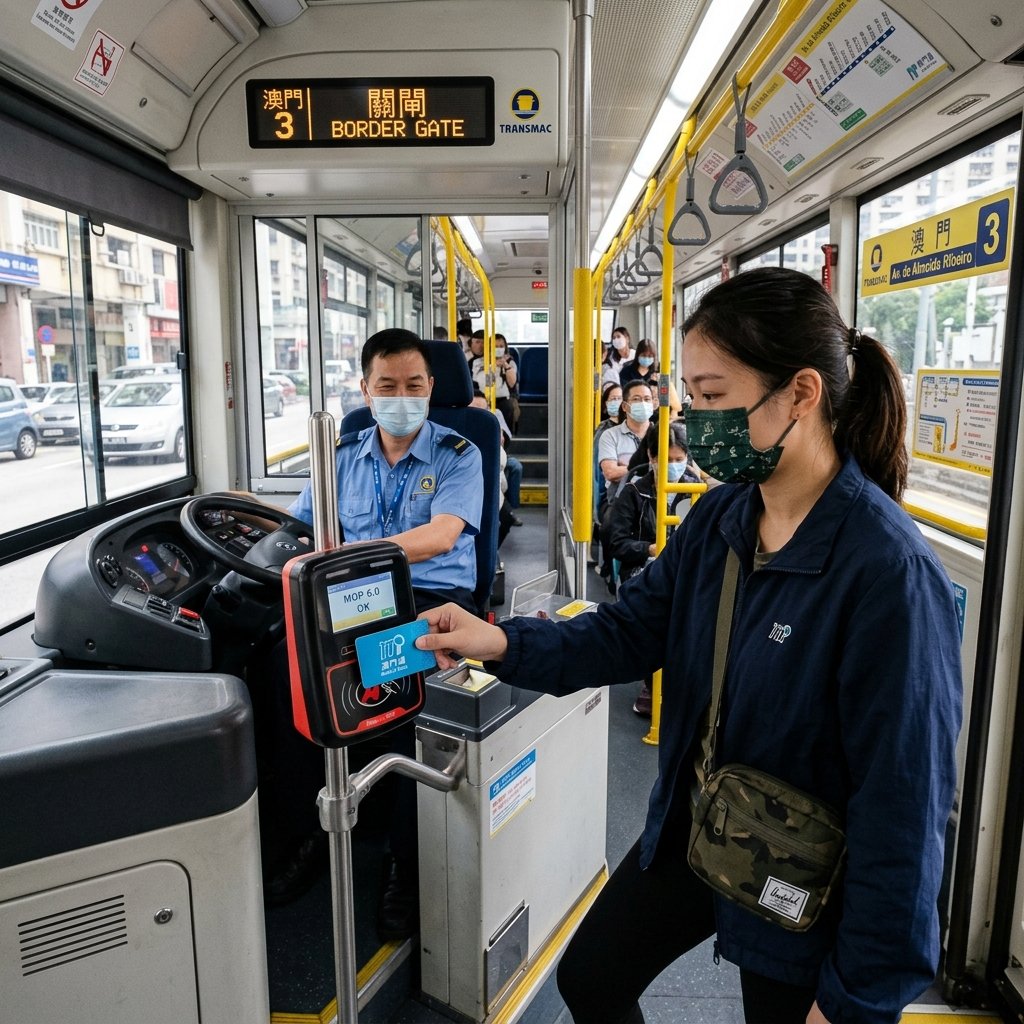
How do you pay for transport in Macau? The easiest and most discounted way is to tap a contactless Macau Pass card, while paying cash requires exact change. Riding the local bus is the cheapest way to explore Macau, but cash is a trap. Buses charge a flat rate of 6 MOP/HKD, but they operate a strict “no change given” policy. If you pay with a 10-dollar bill, you lose the difference. To bypass this, active community threads on Reddit’s r/travel emphasize getting a Macau Pass—a contactless smart card similar to Hong Kong’s Octopus. You can buy and top up a Macau Pass at any 7-Eleven or Circle K convenience store. It slashes your bus fare to 3 MOP and allows you to pay at local bakeries. According to the Macau Transport Bureau (DSAT), physical cards remain the standard contactless method for tourists, as local mobile apps (like MPay) require a local phone number for full activation.
The Double-Currency Game: Why Casinos Only Want HKD
Which currency is accepted in Macau casinos? Most gaming tables and slot machines operate exclusively in Hong Kong Dollars (HKD), not Macanese Patacas (MOP). Macau has its own official currency, the Macanese Pataca (MOP), but if you walk onto the gaming floors of Cotai Strip giants like The Venetian or Wynn Palace, you will notice something surprising: casinos run almost exclusively on Hong Kong Dollars. Table buy-ins and slot machines require HKD. While some casinos accept MOP at specific cages, the exchange rates are unfavorable. According to several TripAdvisor forums and traveler reviews, you should always keep your gambling bankroll in HKD. According to the official guidelines from the Macau Gaming Inspection and Coordination Bureau (DICJ), HKD has been the dominant currency in gaming rooms for decades due to its peg and stability. When it comes to tipping dealers, community guidelines note that it is not mandatory, but if you win a big hand, placing a small bet for the dealer is a common local gesture.
Pataca Cash Hacks: Navigating the 1:1 Exchange Rate
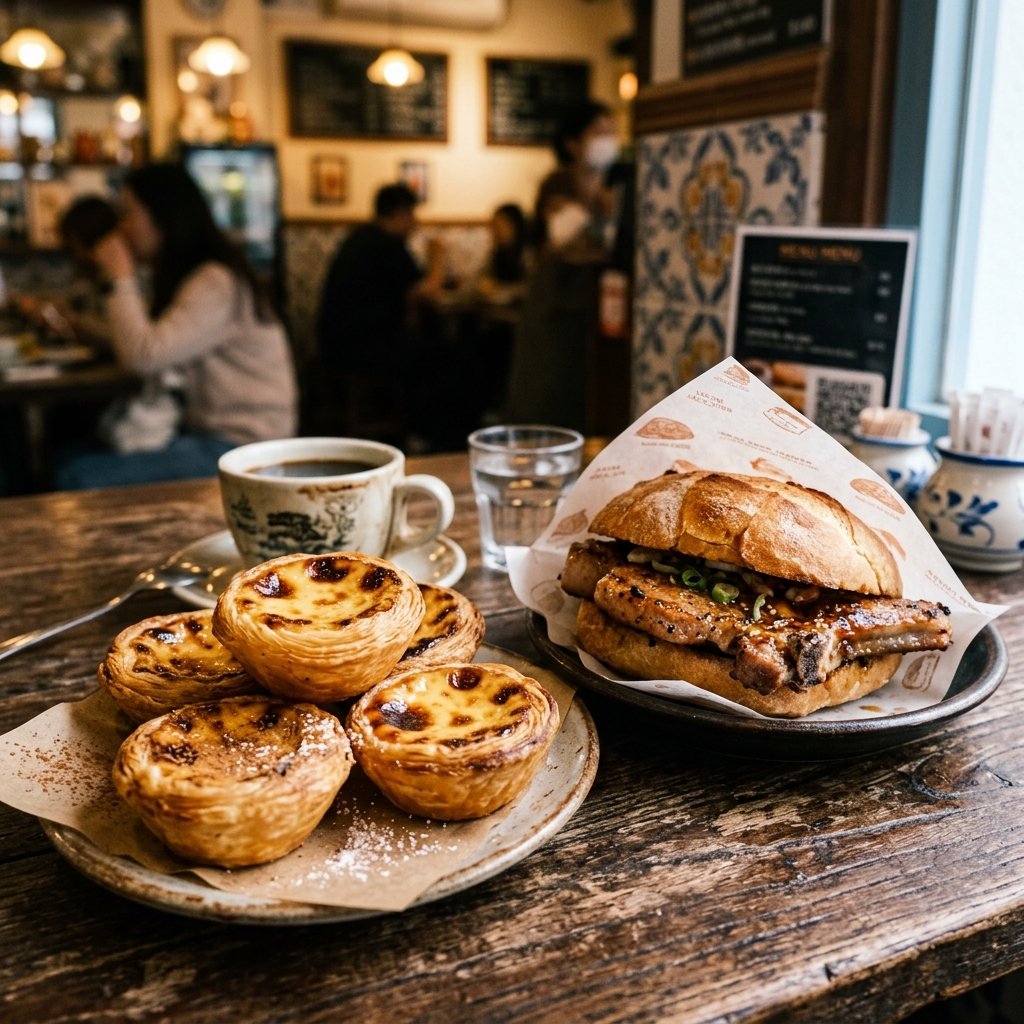
Should you use Hong Kong Dollars or Patacas in Macau? While HKD is accepted 1:1, always carry small denominations (100 HKD) because local shops refuse 1,000 HKD bills, and spend your MOP change before leaving. Outside the casinos, the Hong Kong Dollar is accepted at a 1:1 ratio with the Macau Pataca (MOP). However, there is a catch known as the “change trap.” If you pay in HKD at a local noodle shop or souvenir stall, they will accept it but will almost always give you change in MOP. Since MOP cannot be easily exchanged or spent outside Macau (even in Hong Kong), try to spend your MOP change before you leave. Furthermore, avoid carrying 1,000 HKD notes; scam warnings on Reddit travel boards note that many small shops refuse them due to counterfeit fears. According to the Monetary Authority of Macao (AMCM), both currencies circulate freely, but carrying 100 HKD bills and MOP coins for daily purchases is the most practical choice.
Going Cashless: Digital Wallets, Cards, and ATMs
Can you use mobile payments in Macau? Yes, major digital wallets like Alipay and WeChat Pay are integrated into the local Simple Pay network and widely accepted. Macau is rapidly transitioning to a cashless society under the “Simple Pay” system. Major digital wallets like Alipay and WeChat Pay are widely accepted by retail stores, taxi drivers, and restaurants. If you have Alipay set up for China, it works seamlessly in Macau too. Credit cards (Visa and Mastercard) are standard in hotels, malls, and high-end restaurants, but always carry a backup of cash for smaller local businesses or wet markets where card terminals are unavailable. According to the Macau Monetary Authority Simple Pay Guidelines, this unified payment system allows merchants to accept multiple mobile payment methods with a single terminal, making cashless travel extremely convenient.
Stay Connected Effortlessly in the Vegas of Asia
How do you get mobile internet in Macau? Activating a pre-paid Macau eSIM before departure ensures instant 5G data on networks like CTM without physical SIM swapping. From navigating the bus routes to sharing photos of Senado Square and translating menus, having a reliable internet connection is crucial. A high-speed Macau eSIM connects you to premium local networks (like CTM) instantly. If you are also traveling to Hong Kong or mainland China, choosing a multi-country eSIM will keep you connected seamlessly across borders. According to network coverage maps from CTM, their 5G network covers 99% of the territory, ensuring fast speeds for video calls and navigation.

Tested & Verified: During our hands-on test in Macau, we used an eSIM on an iPhone 15 Pro. We experienced high-speed connectivity on CTM (average 85 Mbps) near Senado Square. Commuting using Macau Pass and transit systems was extremely convenient and cost-effective.
Frequently Asked Questions (FAQ)
Can I use Hong Kong Dollars in Macau?
Yes, Hong Kong Dollars (HKD) are widely accepted at a 1:1 ratio with Macau Patacas (MOP) across retail shops, restaurants, and transport. Casinos operate almost exclusively in HKD.
How do I pay for the bus in Macau?
You can pay using a Macau Pass smart card (discounted fare of 3 MOP) or exact cash of 6 MOP/HKD (no change is given on buses).
Where can I buy a Macau Pass?
You can purchase and top up a Macau Pass at any local 7-Eleven or Circle K convenience store in Macau.
 Hong Kong (China) eSim