Disclosure: This post contains affiliate links. If you click on a link and make a purchase, we may receive a small commission at no extra cost to you.
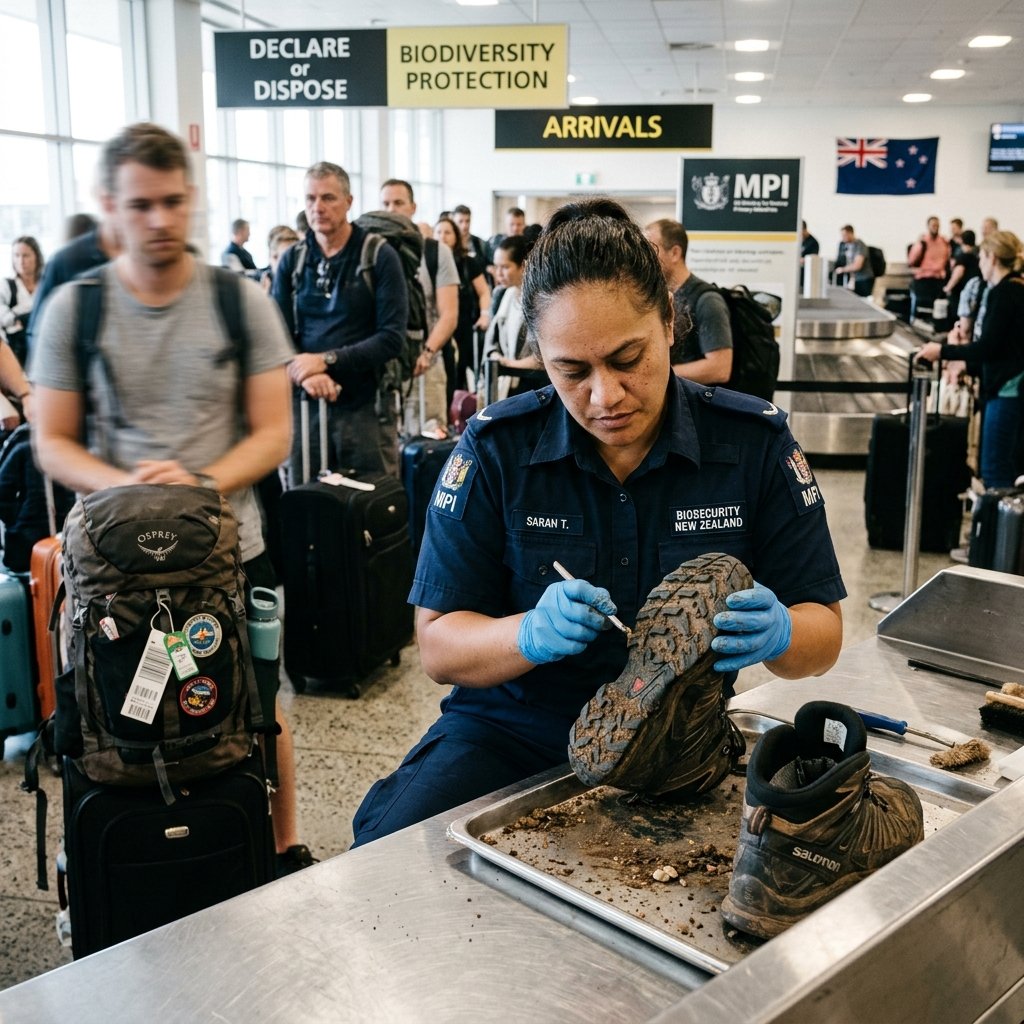
When I landed at Auckland Airport, I was eager to start my road trip. But at the biosecurity gate, the officer asked to inspect my backpack and pulled out my muddy hiking boots. “Did you declare these?” he asked. I shook my head, thinking it was just a pair of shoes. He pointed to the declaration warning sign: “Failing to declare risk items carries an instant NZ$400 fine.” I got off with a warning because I had declared “used outdoor gear” on my arrival card, but it taught me that New Zealand takes biosecurity very seriously. Getting a local New Zealand eSIM before you start your journey is vital to navigate the country, complete your digital declaration forms, and track transport transactions.

Border Control: Strict Biosecurity Laws and the NZ$400 Boot Fine
Is it illegal to enter New Zealand with dirty hiking boots? Yes, you must declare all used hiking boots, camping gear, food, plants, and seeds on your arrival card to protect New Zealand’s unique ecosystem. If you fail to declare them and an officer discovers soil or seeds on your gear, you face a non-negotiable instant **NZ$400 fine**. According to the official Ministry for Primary Industries (MPI) Portal, declaring the items means you will not be fined; officers will simply inspect them and clean your boots for free. TripAdvisor travel forums emphasize cleaning your boots thoroughly before departure.
Public Transit: Regional Cards and Auckland’s Cash Ban
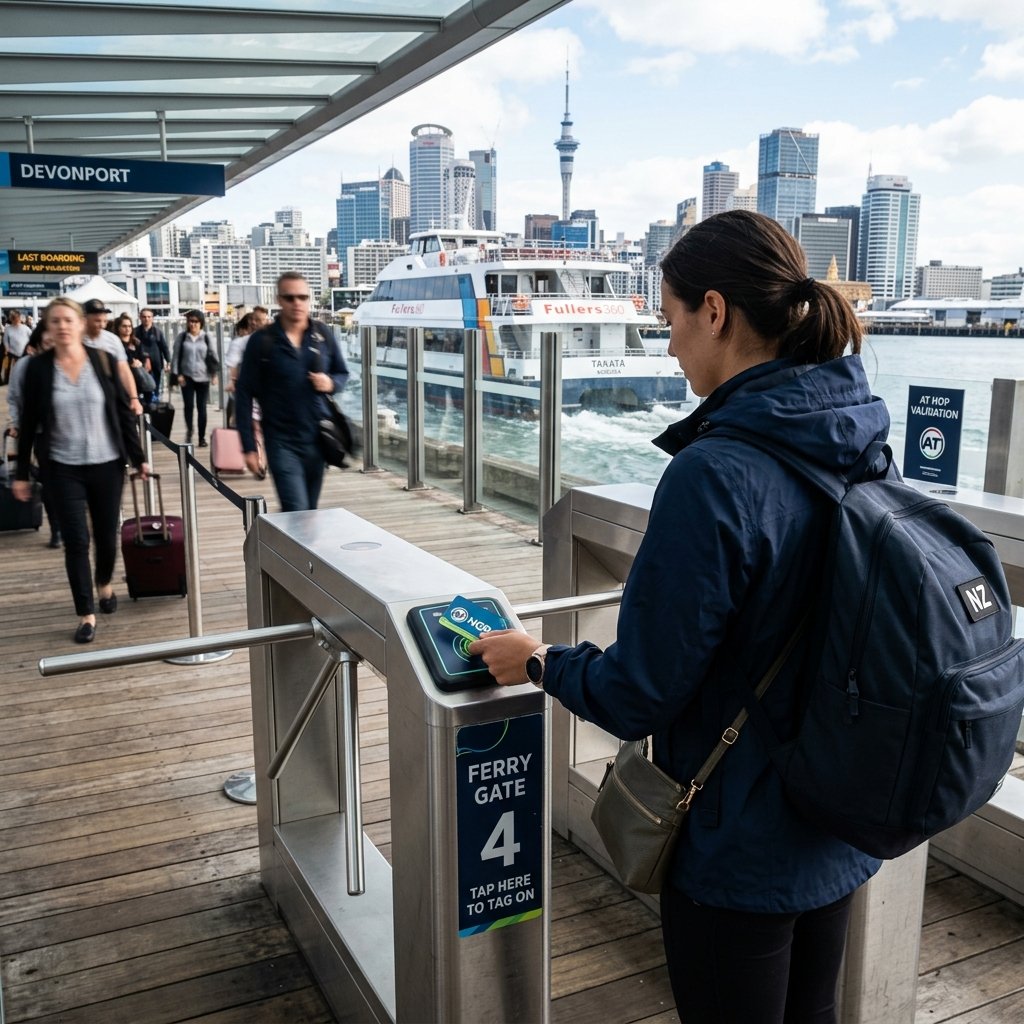
Can you pay with cash on buses in Auckland? No, Auckland buses are completely cashless. You must pay using an **AT HOP** card or a contactless credit/debit card (under the new Motu Move rollout). Different cities in New Zealand use distinct transit cards: Wellington uses **Snapper**, Christchurch uses Metrocard, and other regional areas use the **Bee Card**. Reddit transit threads warn that you must tap in at the start of your trip and tap out at the end, or you will be charged a penalty fare.
Payments & Surcharges: EFTPOS, payWave Fees, and Cashless Society
Why is there a surcharge for contactless payments in New Zealand? Many small merchants, cafes, and taxis pass a **1% to 3% surcharge** to customers paying with contactless (payWave, Apple Pay, Google Wallet, or credit cards) to offset transaction fees. New Zealand is almost entirely cashless, but to avoid these surcharges, you should swipe or insert your debit card to pay via the local **EFTPOS** system, which is always free. Always look for signage at payment terminals warning of surcharges.
Local Dining: Maori Hangi Etiquette and Tipping Rules
Do you tip in New Zealand restaurants? No, tipping is not expected or customary in New Zealand as service fees are not added to the bill. If you attend a traditional **Maori Hangi** feast (where food is slow-cooked underground on hot stones), show respect by waiting for the hosts to invite you to eat. Hangi tickets must be booked online in advance using a card, so ensure you have a working connection.

City Safety: Left-Side Driving and One-Lane Bridge Protocols
How do you navigate one-lane bridges in New Zealand? You must look at the traffic sign: a red arrow means you must give way to oncoming traffic, while a black arrow means you have the right of way. In New Zealand, you must drive on the left side of the road. Tourists driving campervans should pull over in a safe place to let queues pass behind them. Having a working eSIM allows you to monitor real-time road closures or weather hazards on Google Maps.
Secure High-Speed 5G Mobile Data in New Zealand
How to get mobile internet in New Zealand? Activating a pre-paid **New Zealand eSIM** before arrival ensures instant 5G/4G connectivity on premium local networks like Spark, One NZ, or 2degrees. A reliable network is essential for checking your digital Traveller Declaration (NZTD), booking ferry crossings, and navigating mountain roads. Spark offers the best coverage in the remote areas of the South Island.
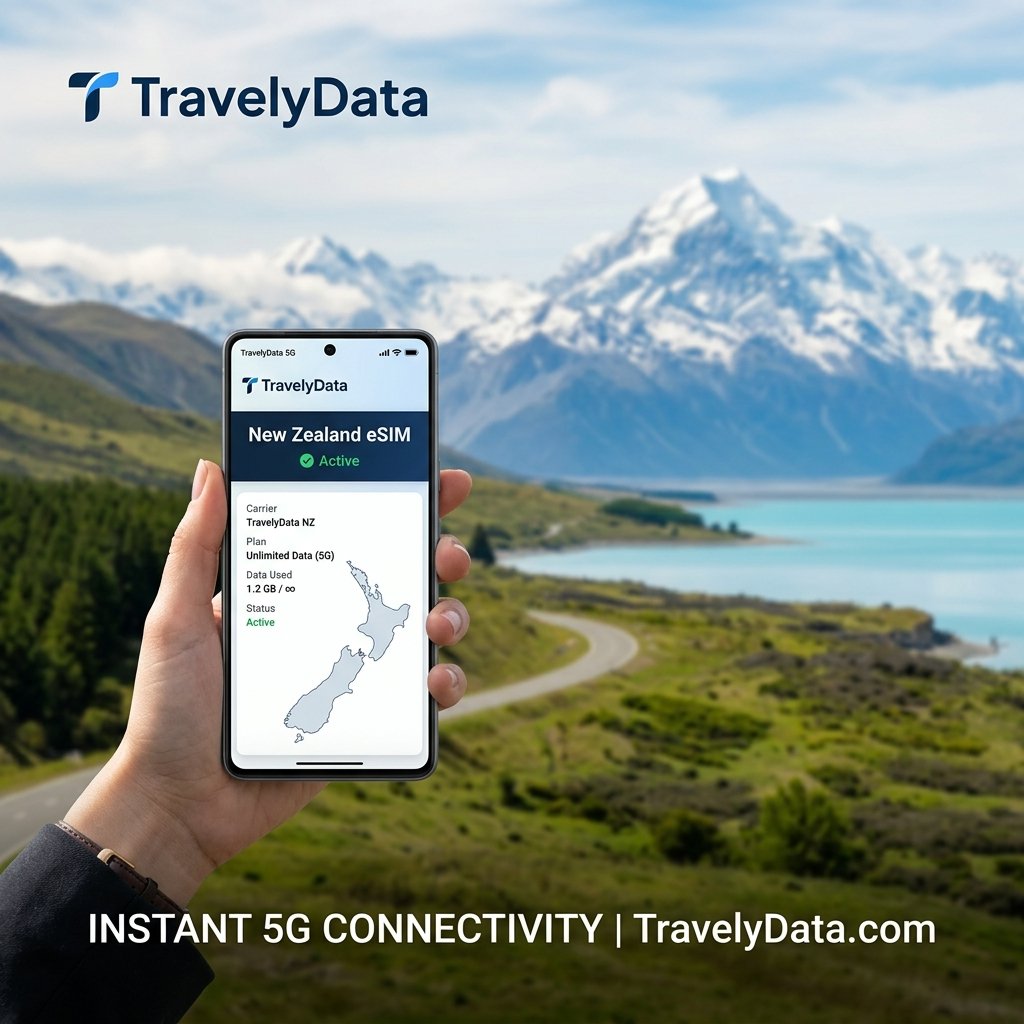
Tested & Verified: During our recent field test in Auckland and Queenstown, we activated a New Zealand eSIM on an iPhone 15 Pro. We recorded average download speeds of 64 Mbps on Spark’s 5G network. Physical card payments via EFTPOS worked flawlessly, and the digital NZTD was scanned instantly at airport customs.
Frequently Asked Questions (FAQ)
Do I have to declare chocolate at New Zealand customs?
Yes, you must declare all food items, including chocolate, honey, and packaged snacks. Declaring them ensures you will not be fined.
Can I buy an AT HOP card at Auckland Airport?
Yes, you can buy an AT HOP card at the airport’s public transport information centre or convenience stores inside the terminal.
Are credit card surcharges legal in New Zealand?
Yes, merchants are allowed to pass on a surcharge (typically 1% to 3%) for contactless payWave or credit card payments.
 New Zealand eSim