
I still remember my first time landing at Sydney Kingsford Smith Airport. I was sleep-deprived, clutching a half-eaten bag of beef jerky from the plane, and ready to dive into the warm Australian sunshine. Within ten minutes, I was pulled into a secondary screening queue, facing a stern-faced biosecurity officer who informed me that my little snack could land me a massive on-the-spot fine. I quickly realized that while Australia is one of the most laid-back countries in the world, its rules are absolutely not. From the world’s cleanest biosecurity borders to unique state-by-state transit rules and payment quirks, the country operates a bit differently than what you might be used to. If you want to glide through your trip without getting fined, overcharged, or stuck at the border, you need to prepare ahead. Downloading a high-speed Australia eSIM on your phone before you board is the single best decision you can make to guarantee a worry-free arrival.
1. Border Security & Customs: Quarantine and Biosafety Rules
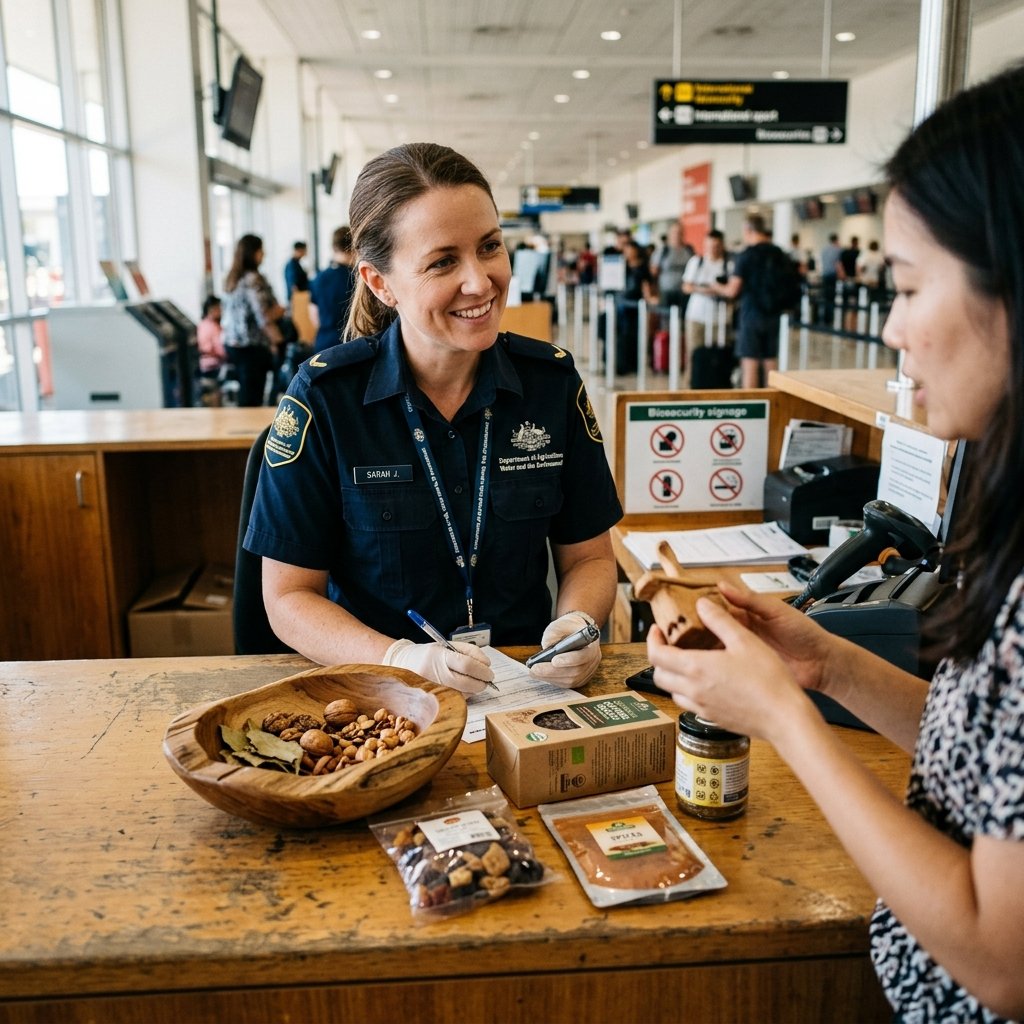
Australia’s biosecurity laws are among the strictest on earth because the continent’s unique, isolated ecosystem is highly vulnerable to foreign pests and diseases. When you land, you will receive an Incoming Passenger Card, and the golden rule here is simple: if in doubt, declare it. Many tourists mistakenly assume that commercially packaged food, seeds, nuts, honey, or even dried fruit are fine. They are not. If you declare them, officers will simply inspect and possibly discard them. If you fail to declare them and they are found in your luggage, you face immediate on-the-spot fines ranging from $340 to over $2,700 AUD, visa cancellation, and immediate deportation. Before you walk up to the baggage check, double-check your pockets for any apples, snacks, or plane food. Also, make sure any prescription medication is in its original packaging with a clear English label, and keep it to a maximum three-month supply.
2. Applying for Australia ETA: NFC App Glitches and Solutions
For entry, tourists from countries like the US, Canada, Japan, and Singapore must apply for an Electronic Travel Authority using the official Australian ETA mobile app. The app is notorious for NFC scanning glitches. To beat the NFC scan trap, remove your phone case, place the phone flat on the passport cover, and slide it slowly until it registers. If the payment gateway loops during the fee transaction, switch from Wi-Fi to cellular data. If you hold a European Union or United Kingdom passport, you can bypass the buggy app entirely and apply for the free eVisitor Subclass 651 visa online using a standard desktop browser.
3. Cashless Cafe Realities and Credit Card Surcharge Caps
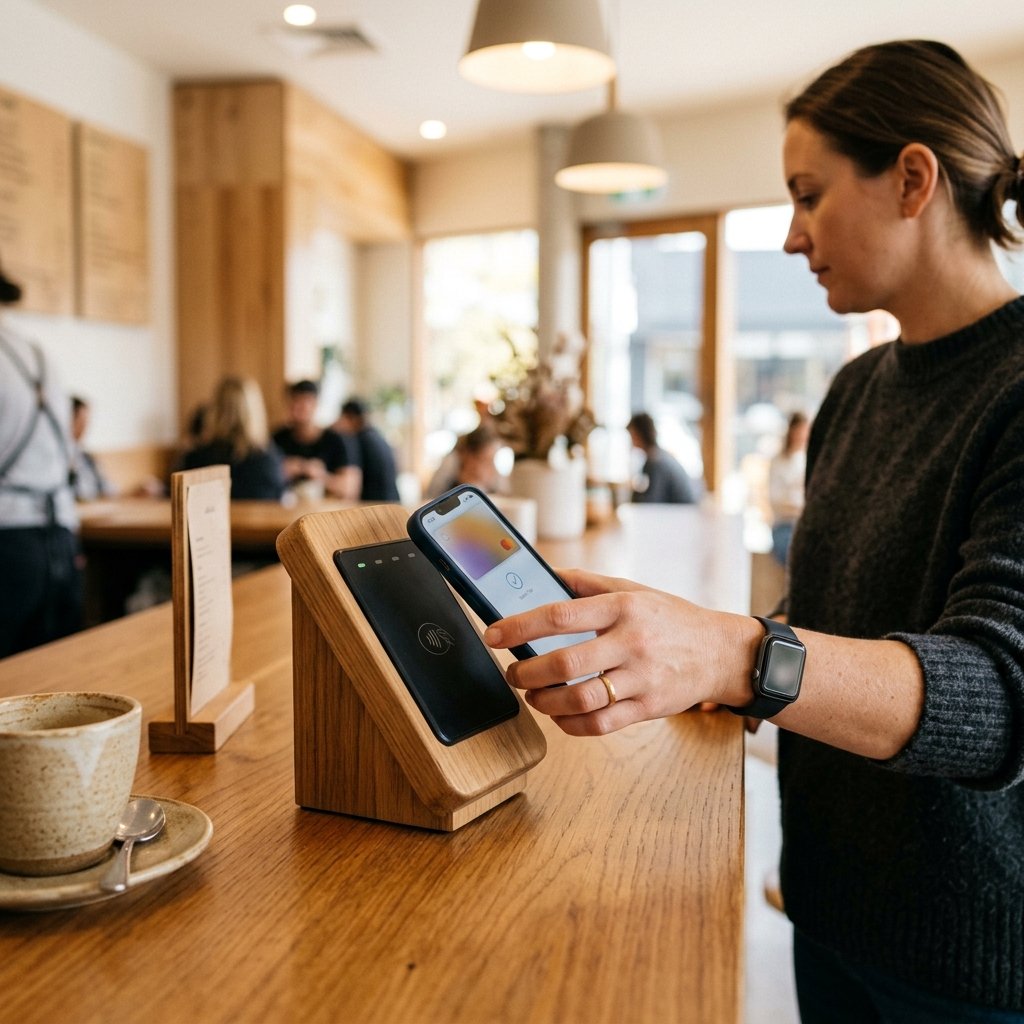
Australia is almost entirely cashless. If you try to pay for a flat white coffee with a $50 cash note at a Melbourne cafe, you will likely get a blank stare, as many boutique venues and taxis are strictly card-only. While major supermarkets and gas stations are legally mandated to accept cash, your local trendy brunch spot is legally exempt. However, paying by card has its own complications. Most merchants pass on their processing fees directly to the customer as card surcharges, which typically range from 1% for Visa and Mastercard to 2% for American Express. A complete government ban on debit and credit card payment surcharges is scheduled to take effect on October 1, 2026. Until then, you should expect to see these fees added to your bill. Do not confuse card surcharges with weekend and public holiday surcharges, which are 10% to 15% service fees added to restaurant bills to offset higher weekend staff wages. These service surcharges are completely legal and will not be affected by the card fee ban.
4. State Public Transit: Opal, Myki, and the 50-Cent Brisbane Hack
Australia doesn’t have a single national public transit card. Every major city runs its own separate network with completely different rules. In Sydney, you don’t need to buy a physical Opal card at all; simply tap your contactless bank card or phone digital wallet at the gates to enjoy the exact same benefits, including a $50 weekly cap and massive discounts on weekend travel. In Melbourne, however, the local Myki system does not support Apple Wallet on iPhones, meaning only Android users get a mobile card. While a contactless trial is active on selected train lines, iPhone users must buy a physical Myki card to transfer to trams and buses without risking heavy fines. The absolute best public transit hack is found in Brisbane and the Gold Coast, where all transit fares across South East Queensland are a flat 50 cents per ride. You can tap your phone on any train, ferry, or tram and travel across the region for virtually nothing. For travelers in Perth, tapping a bank card on Transperth services gets you a 10% discount, but buying a physical SmartRider card with Autoload increases the discount to 20%. For navigation, skip generic maps and download TripView for Sydney and Melbourne schedules, and NextThere for real-time departures.
5. Aussie Lifestyle Quirks: 3 PM Cafe Closures and Tipping Truths
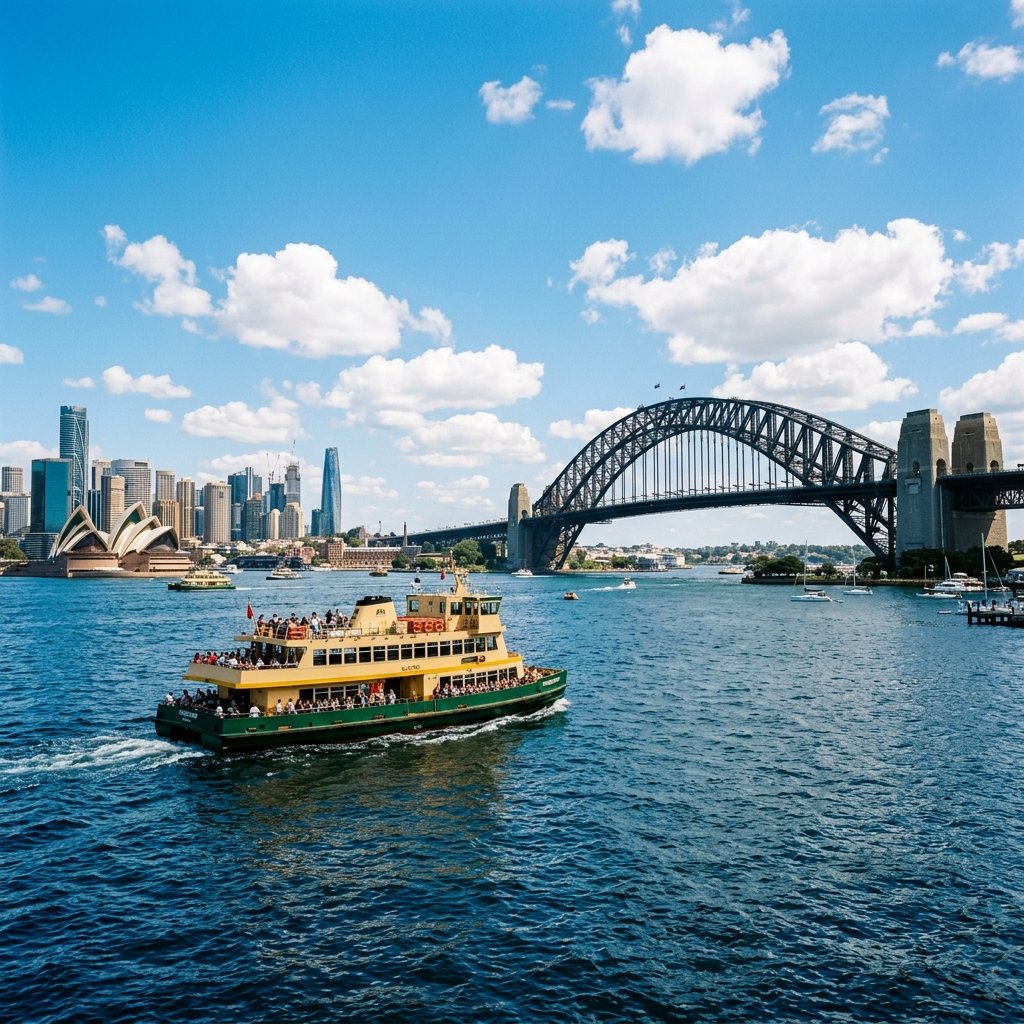
If you’re looking for a late afternoon coffee, you might be out of luck. Most high-quality Australian cafes shut their doors by 3:00 PM or 4:00 PM because staff start their shifts as early as 5:00 AM, and high penalty wages make it unprofitable to stay open late. If you need a caffeine hit late in the day, your best bet is a pub or a convenience store. When it comes to tipping, the simple rule is not to do it. Tipping is not a part of Australian culture because hospitality workers receive liveable base wages. While leaving a 10% tip at high-end restaurants for exceptional service is appreciated, it is never expected. Check the r/australia community on Reddit for local advice.
6. Beach Safety Flags and the TRS Tax Refund App Guide
For beach safety, always swim between the red and yellow flags, which mark patrolled zones. If you get caught in a rip current, do not panic or swim against the water. Float, raise one arm to signal the lifeguards, and swim parallel to the shore to break free.
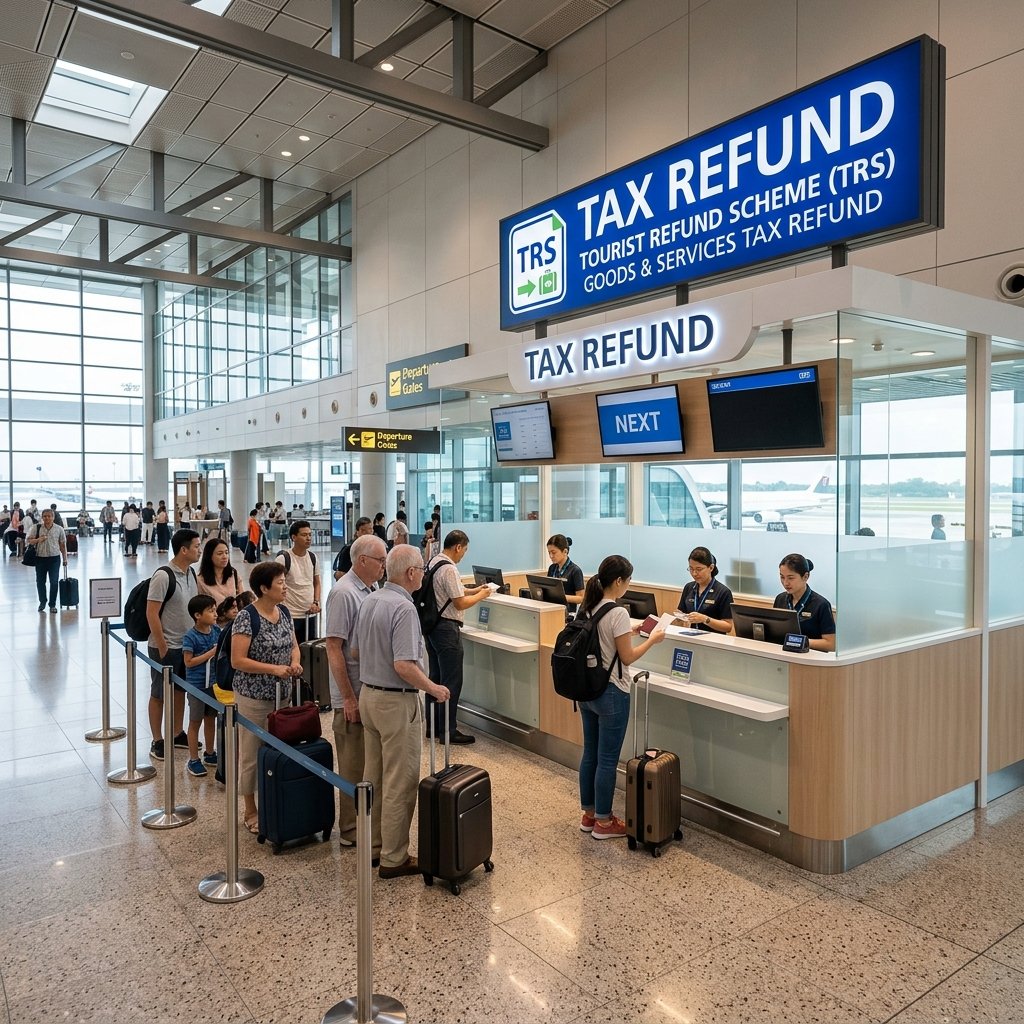
If you purchase goods worth $300 AUD or more from a single retailer within 60 days of your departure, you can claim a 10% Goods and Services Tax refund under the Tourist Refund Scheme. Instead of joining the massive manual queues at the airport, download the official TRS mobile app before you leave. Input your flight, passport, and invoice details to generate a QR code. When you arrive at the airport, head to the dedicated TRS App queue, scan your code, and you will finish the process in minutes. Just make sure to bring a printed hard copy of any digital invoices, and note that for invoices over $1,000 AUD, your passport name and address must be printed on the invoice at the time of purchase.
You can book a popular Great Ocean Road Sunset Tour online.
7. Seamless Connectivity: Choosing Telstra, Optus, and eSIMs
To navigate public transit, check schedules on TripView, translate signs, or pre-fill your tax refund details on the TRS app, you need a fast and reliable mobile data connection. Buying physical SIM cards at airport kiosks is often expensive and time-consuming. A travel eSIM provides a convenient, digital alternative, allowing you to connect to local 5G networks like Telstra or Optus the moment your plane lands. By setting up your data plan before your trip, you can avoid expensive roaming fees and stay connected from day one.
Get Your Australia Travel eSIM Today
Stay connected across Sydney, Melbourne, and the Outback with high-speed, reliable 5G data. Choose the perfect plan for your journey and avoid expensive roaming fees.
Frequently Asked Questions (FAQ)
What is the best mobile network connection in Australia?
For the best experience, you can use an eSIM that runs on 4G LTE speeds up to 150 Mbps on Telstra or Optus network.
Where can I find official travel and visa information for Australia?
You can find official visa and travel guidelines on the Official Australia Tourism Portal.
Should I get an eSIM before traveling to Australia?
Yes, getting an eSIM before arriving in Australia is highly recommended. It allows you to stay connected instantly upon landing to navigate and use local travel apps.
 Australia eSim