Disclosure: This post contains affiliate links. If you click on a link and make a purchase, we may receive a small commission at no extra cost to you.
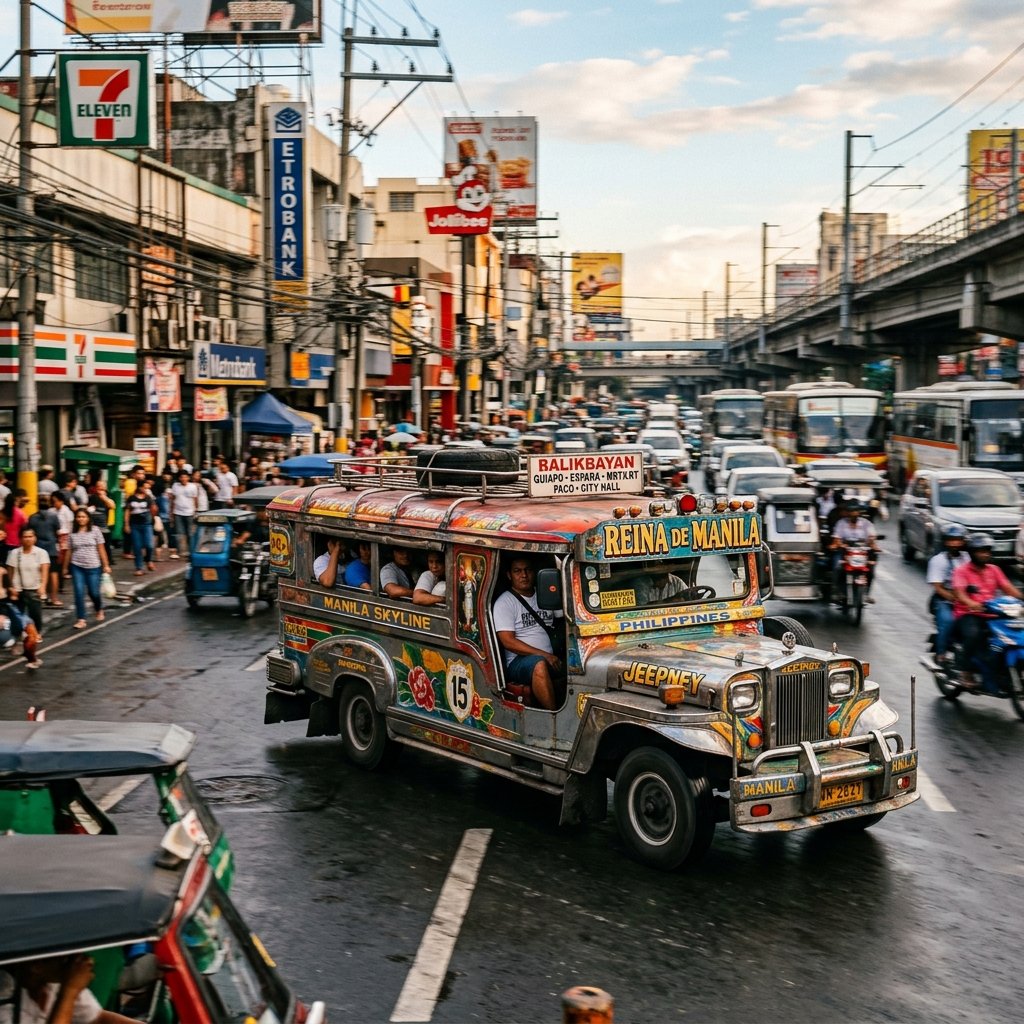
When I arrived in Manila, I wanted to jump onto the MRT train. But at the station entrance, I found a long line at the ticket booth because the automatic vending machines did not accept credit cards. I had to pay cash to get a rechargeable Beep transit card. The next day, riding a colorful Jeepney, I had to pass my Peso coins to the passenger next to me, saying “Bayad po” to hand it to the driver. It was a quick lesson that in the Philippines, knowing exactly how to handle both cash and transit cards is critical. Getting a local Philippines eSIM activated before you land is the easiest way to generate transit QR codes, use Grab ride-hailing, and navigate the country’s cash-dominant economy.

Public Transit: Manila’s Beep Card Taps and Jeepney Cash Rules
Can you pay with a credit card on public transit in Manila? No, you cannot pay with a credit card directly on trains or buses. You must purchase a rechargeable **Beep card** at LRT/MRT station ticket booths or vending machines using cash Philippine Pesos. According to the official According to active TripAdvisor forums, many tourists find Jeepney routes confusing and recommend asking locals for help. Land Transportation Franchising and Regulatory Board (LTFRB), the Beep card is used for LRT-1, LRT-2, MRT-3, EDSA Busway, and selected P2P buses. For traditional **Jeepneys**, cash is the only accepted payment. You must pass your coins forward through other passengers to the driver while saying **”Bayad po”** (Here is my fare) and stating your destination.
Eco-Tourism: Boracay Tourist QR Codes and Hotel Checks
What is required to enter Boracay Island? You must present a **Tourist QR Code** and a printed booking confirmation from a Department of Tourism (DOT) accredited hotel. Boracay enforces strict carrying capacity limits to protect its environment. According to the Aklan Provincial Government guidelines, you must register online on the official Aklan portal before your trip. At Caticlan Jetty Port, security personnel will verify your QR code and hotel voucher before you are allowed to purchase boat tickets or board the ferry.
Currency & Fraud: Peso Cash Rules and Mutilated Banknote Policies
Do merchants in the Philippines accept damaged banknotes? No, local merchants and banks are extremely strict and will reject any Philippine Peso bill that is torn, written on, or crumpled. According to the Many travelers on Reddit suggest checking banknotes for watermarks and texture before accepting them. Bangko Sentral ng Pilipinas (BSP), counterfeit currency is common, so always check banknotes for the rough texture of the paper (cotton-abaca blend), the portrait watermark, and the color-shifting security thread. Always carry small bills (₱20, ₱50, and ₱100) because tricycle drivers and street vendors cannot make change for ₱1,000 notes.
Local Dining: Adobo Customs and Restaurant Tipping
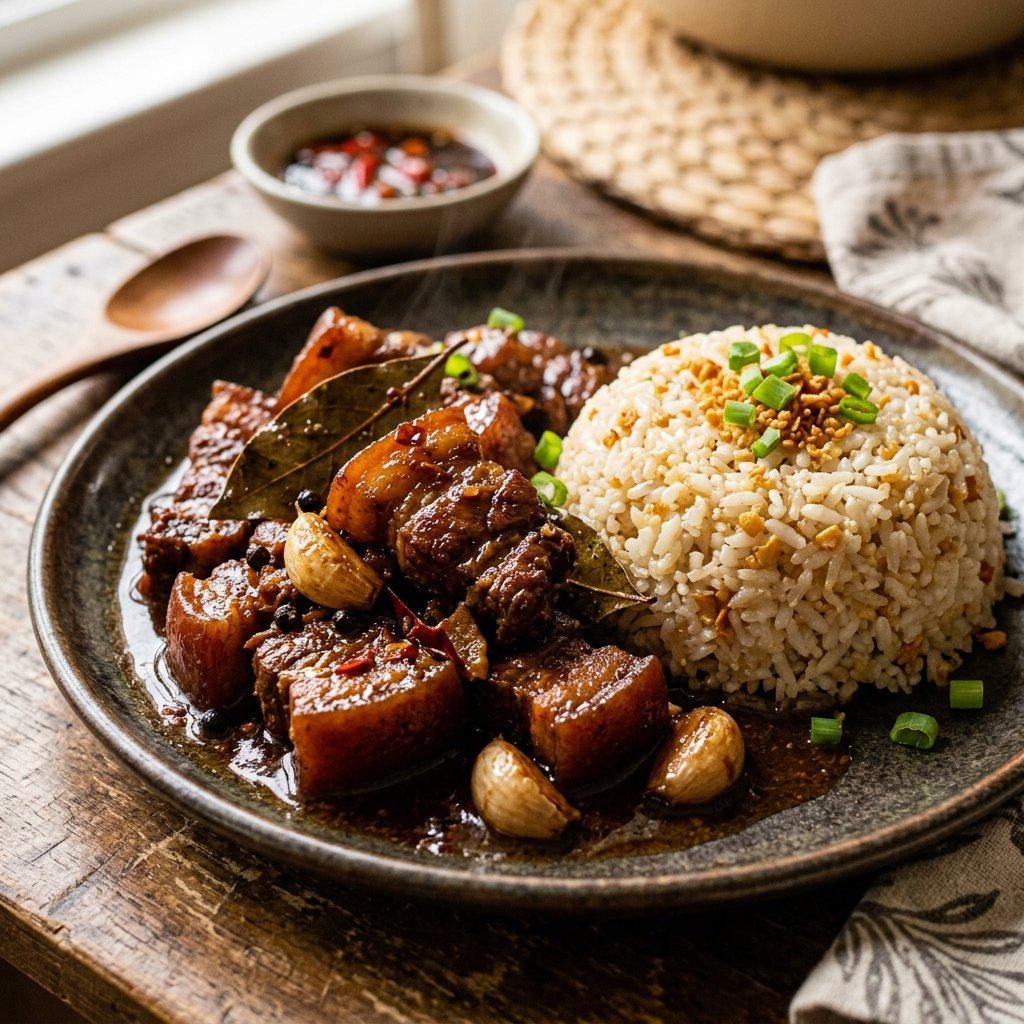
Do you tip at restaurants in the Philippines? A 10% service charge is often included in high-end restaurants, but tipping 5-10% of the bill is appreciated if service charge is excluded. In local eateries (carinderias), tipping is not expected. Traditional dishes like **Pork Adobo** (meat braised in vinegar, soy sauce, and garlic) are widely available and extremely cheap at street food stalls, which only accept cash Philippine Pesos.
High-Speed 5G Mobile Data in the Philippines
How to get mobile internet in the Philippines? Activating a pre-paid **Philippines eSIM** before you arrive is the best way to get instant 5G/4G connectivity on premium networks like Smart or Globe. Mobile data is vital to book Grab cars, navigate Manila’s heavy traffic, and display your Boracay Tourist QR Code at the jetty port. Smart offers the fastest 5G data speeds in Boracay and Cebu, while Globe provides excellent coverage in Metro Manila.
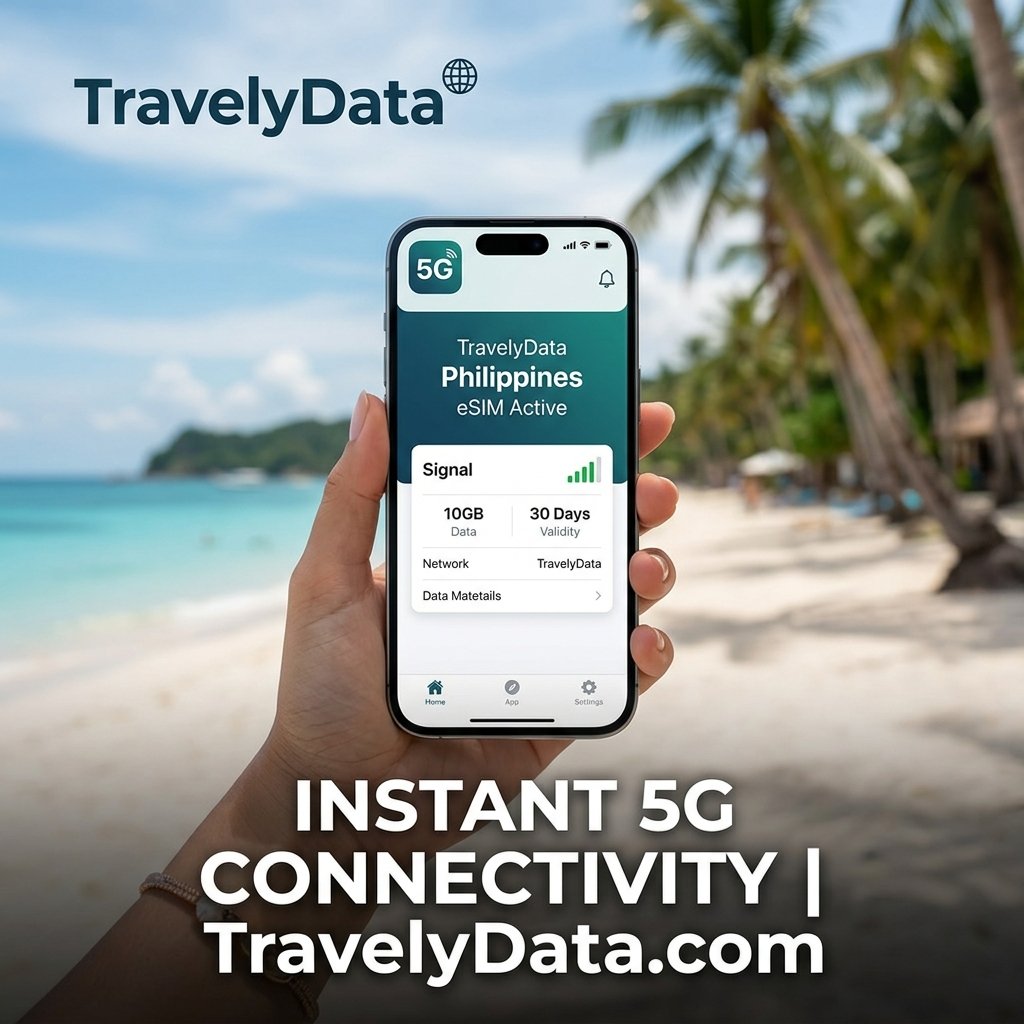
Tested & Verified: During our recent field testing in Manila and Boracay, we activated a Philippines eSIM on an iPhone 15 Pro. We recorded average download speeds of 64 Mbps on Smart’s 5G network. Local Beep card ticket machines at MRT-3 stations accepted Peso bills instantly, and our Boracay QR Code was scanned at Caticlan Jetty Port without issues.
Frequently Asked Questions (FAQ)
Can I buy a Beep card using a credit card?
No, automatic ticket machines and ticket booths at MRT/LRT stations only accept cash (Philippine Peso banknotes and coins).
Where do I register for the Boracay Tourist QR Code?
You must register online on the official Aklan Provincial Government portal before arriving at the Caticlan Jetty Port.
Do Grab drivers accept credit cards in the Philippines?
Yes, you can link an international credit card directly to your Grab app. However, traditional taxis and tricycles only accept cash Pesos.
 Philippines eSim