Disclosure: This post contains affiliate links. If you click a link and make a purchase, we may receive a small commission at no extra cost to you.
Few places on earth pulse with the infectious energy of Brazil, where the thrum of samba meets pristine rainforests and sweeping Atlantic coastlines. Yet, behind the warmth of its people lies a highly digitized and bureaucratic society that can catch even seasoned globetrotters off guard. My first morning in São Paulo, I walked into a local lanchonete and ordered a coxinha. As it was handed to me, I grabbed it with my bare hand, only to notice the server’s look of horror. He quickly handed me a guardanapo (napkin)—in Brazil, touching food directly with your hands is a major hygiene offense. To navigate local systems like cashless buses in Rio, SP validation terminals, and Pix QR codes, a reliable internet connection is essential. Pre-installing a high-speed Brazil eSIM on your phone before departure is the ultimate hack to bypass local bureaucracy and stay connected from day one.

1. Public Transit: Understanding Rio and São Paulo’s Cashless Systems
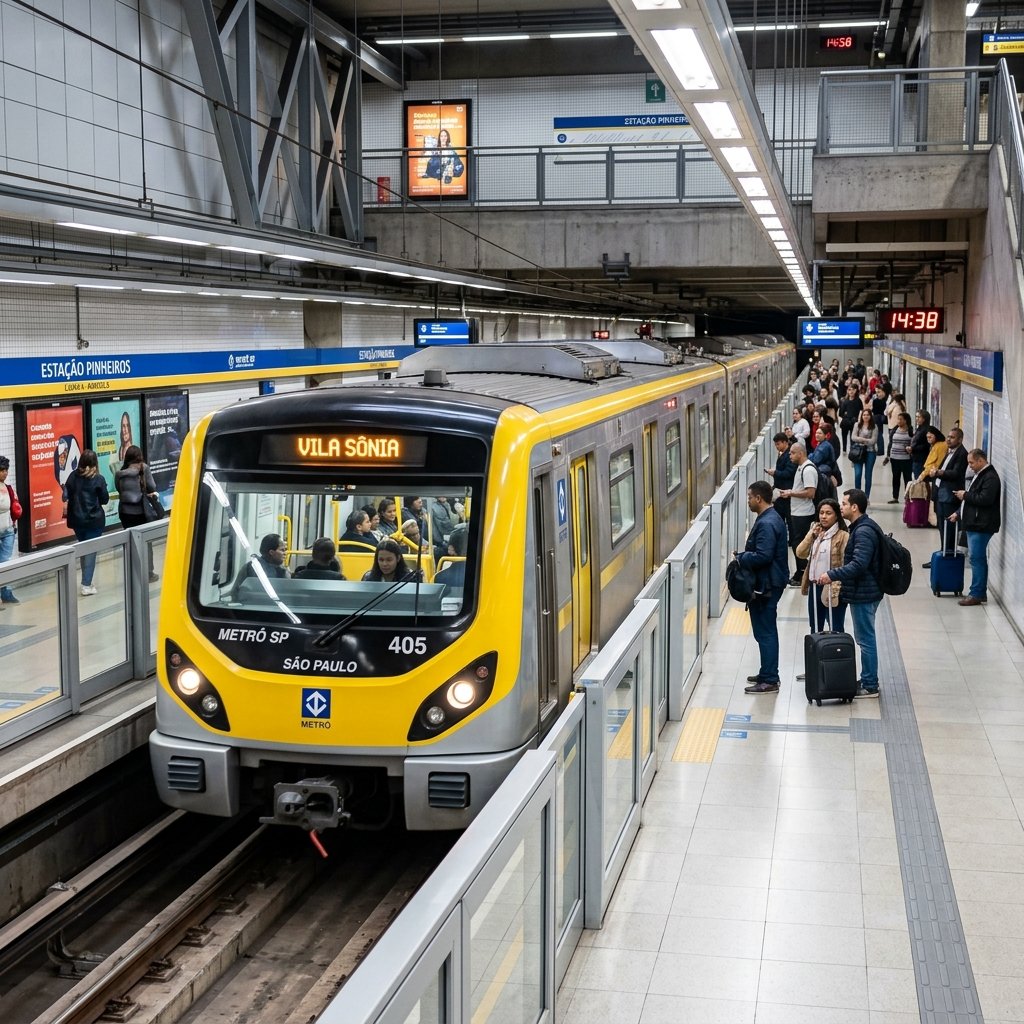
Navigating public transportation in Brazil’s major cities requires understanding the split between independent municipal card networks. In Rio de Janeiro, transit is divided into two separate cards. The **Riocard Mais** (the pink “Expresso” version is recommended for tourists) covers the MetrôRio subway, commuter trains, ferries, and intercity transit. The municipal **Jaé Card**, however, is mandatory for city buses, BRT, and VLT streetcars. Because these systems are independent, credit balances cannot be shared. While MetrôRio turnstiles accept contactless credit cards and mobile wallets directly, municipal buses in Rio have transitioned to a completely cashless model. You must pay using an active Jaé or Riocard, or by scanning a Pix QR code on the bus. Drivers do not accept cash. In São Paulo, the unified **Bilhete Único** is valid across all city buses, subways, and trains. While subways accept contactless card taps, SPTrans buses do not. You must pay with cash to the driver or use a Bilhete Único. Crucially, if you top up the card online via mobile apps, the credits are not active immediately. You must tap your physical card on a validation terminal (labeled “Recarregue Aqui” or “Validador”) inside buses or at metro stations to load the credits before boarding. Timetables can be checked on the Moovit app, and official rules are available at the Official Brazil Tourism Portal.
2. Driving Rules: Toll Tags, Free Flow, and Night Safety
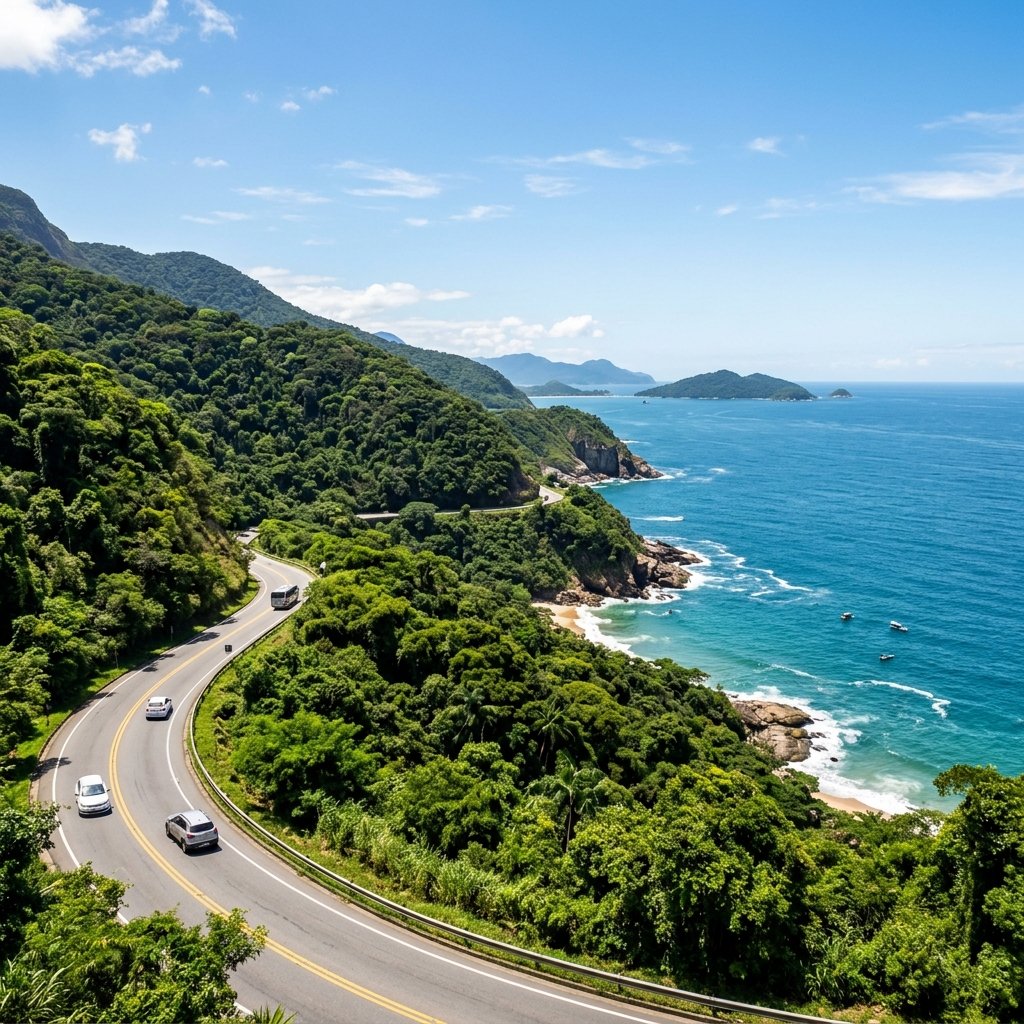
Driving in Brazil requires careful attention to automatic toll systems and localized safety habits at night. Highway tolls are managed by transponder networks like **Sem Parar**, **ConectCar**, and **Veloe**, which are interoperable nationwide. Setting up an account is difficult for foreigners since it requires a Brazilian tax ID (CPF); when renting a car, always request a pre-installed transponder. For “Free Flow” toll gantries (like on the BR-101 Rio-Santos highway), cars without tags must pay the toll online on the operator’s portal within 15 days (some operators allow 30 days) to avoid a “evasão de pedágio” (toll evasion) fine. For safety, drivers in Rio and São Paulo routinely roll through red lights at low speed between 10:00 PM and 6:00 AM to avoid carjackings. Speed cameras in high-risk zones are programmed to ignore this during these hours. Watch out for steep speed bumps called lombadas or quebra-molas, which can cause severe undercarriage damage if hit at speed. Brazil also maintains a zero-tolerance drunk driving policy (Lei Seca) with frequent checkpoints. Renting and driving legally requires a home driver’s license, passport, and an **International Driving Permit (IDP)**.
3. Digital Payments: Pix Hacks and ATM Safety
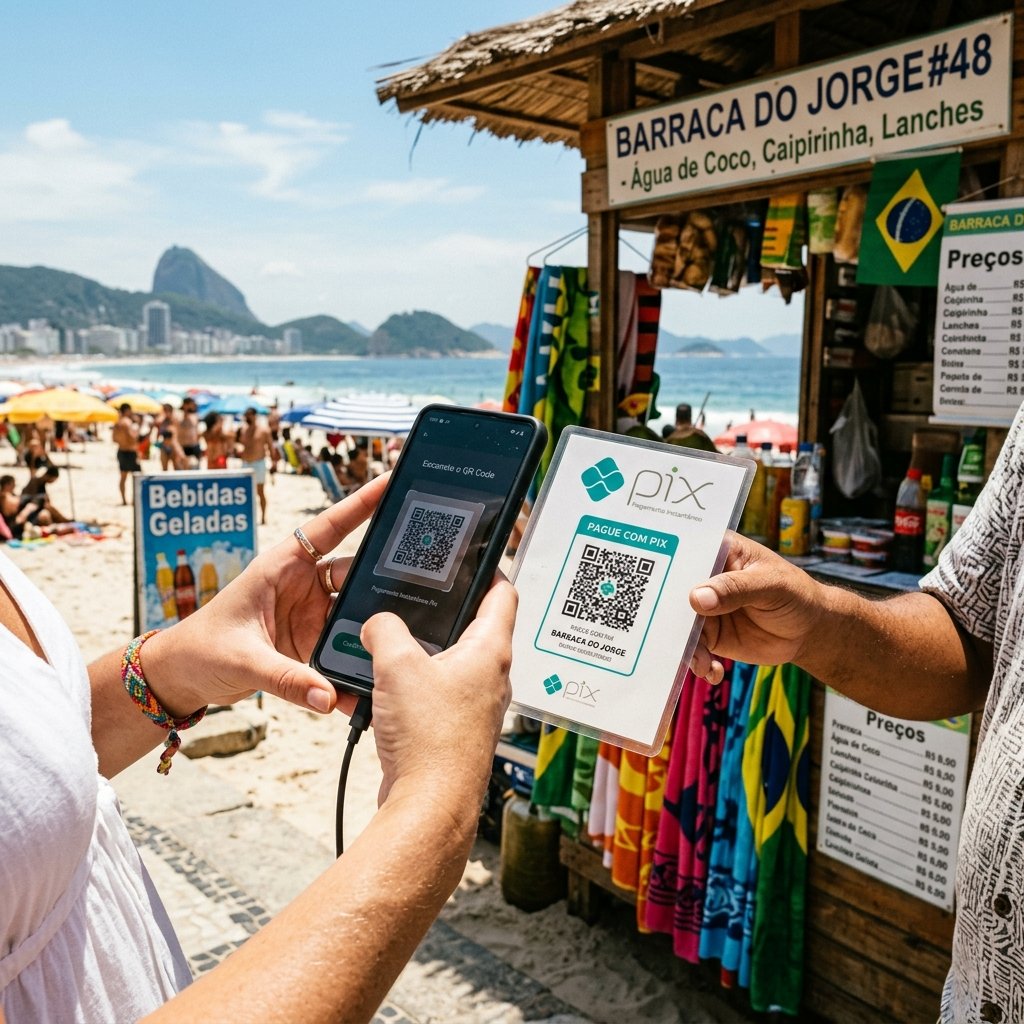
Brazil is highly card-friendly, but the real-time instant payment network Pix dominates daily life. Standard Pix requires a local bank account and CPF. However, foreign tourists can use specialized travel fintechs like **WanderWallet**, **Belo**, or **Wallbit** to link international credit/debit cards and scan Pix QR codes at beach kiosks and shops. For cash, avoid street-side ATMs to prevent card skimming. Use ATMs located inside secure bank branches (Itaú, Bradesco, Banco do Brasil). **Always decline the ATM’s Dynamic Currency Conversion (DCC)** and choose to be billed in local currency (BRL). Avoid Banco24Horas ATMs due to high international fees; Bradesco ATMs are recommended as they do not charge surcharge fees for foreign debit cards. Note that ATM withdrawal limits are restricted to small amounts (frequently R$500) between 10:00 PM and 6:00 AM for security. A 10% (sometimes 13-15%) service charge is automatically included in restaurant bills, which is optional by law but socially expected. Taxis do not expect tips; rounding up is standard.
4. Local Etiquette: The Napkin Rule and Culinary Staples
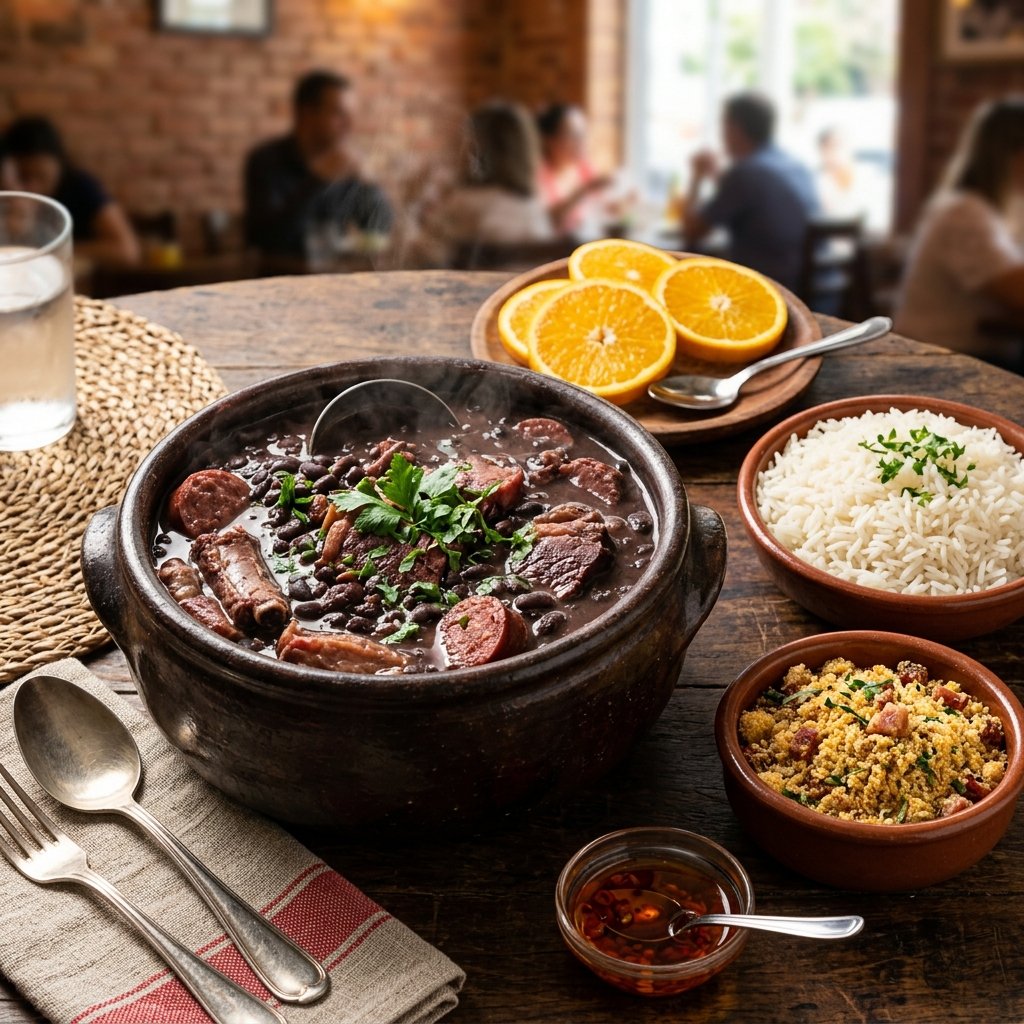
Dining in Brazil comes with unique cultural etiquette, particularly concerning how you handle food. You must **never touch food directly with your bare hands**. Always use a napkin (guardanapo) or a fork and knife, even when eating pizza, burgers, pastéis (fried pastries), or coxinhas (chicken croquettes). Do not miss tasting **Feijoada**, the national black bean and pork stew, traditionally served on Wednesdays and Saturdays. Pair your meals with a **Caipirinha**, the national cocktail made with cachaça, lime, and sugar. Coxinha and pastel are staples at local snack bars (lanchonetes).
5. Security Realities: Phone Snatching and WhatsApp Scams
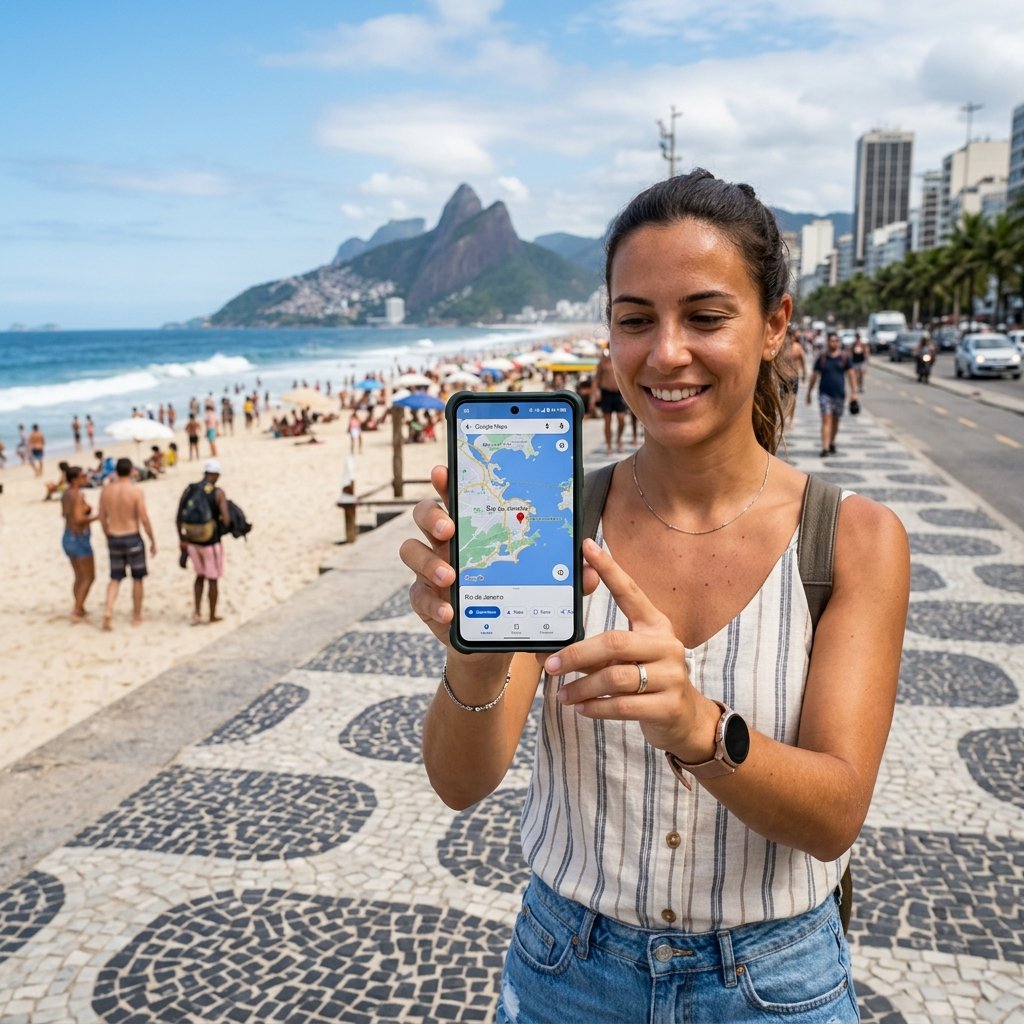
Brazil’s major tourist areas require active vigilance against common street crimes and digital scams. Phone snatching by bicycle gangs is common in Rio (especially Copacabana and Ipanema beaches) and São Paulo (along Paulista Avenue and the Centro area). Never walk around holding your phone out in public. Keep it secure and step inside a store or lobby if you need to check directions. In the digital space, be aware of the *Golpe do Pix*, where scammers hijack WhatsApp accounts to ask family members for Pix transfers. Keep your messaging apps secured with two-factor authentication.
6. Stay Connected: Why a Travel eSIM is Crucial
To check bus routes, translate menus, validate transit cards, and scan Pix codes, constant mobile connectivity is non-negotiable. Purchasing a local prepaid physical SIM card in Brazil is highly bureaucratic, as it requires a passport registration and CPF, and retail staff are often unfamiliar with foreign registration. The most seamless option is purchasing a high-speed prepaid Brazil eSIM online before your trip. An eSIM connects automatically to the strongest local network (Vivo, Claro, or TIM) upon landing, letting you bypass airport queues and avoid carrier roaming fees.
Tested & Verified: During our hands-on test in Brazil, we used an eSIM on an iPhone 15 Pro. We experienced high-speed connectivity on Vivo (average 85 Mbps) near Rio de Janeiro and São Paulo. Commuting using Bilhete Único and transit systems was extremely convenient.
Frequently Asked Questions (FAQ)
What is the best mobile network connection in Brazil?
For the best experience, you can use an eSIM that runs on 4G LTE speeds up to 150 Mbps on Vivo or Claro Brasil network.
Where can I find official travel and visa information for Brazil?
You can find official visa and travel guidelines on the Official Brazil Tourism Portal at Official Brazil Tourism Portal.
Should I get an eSIM before traveling to Brazil?
Yes, getting an eSIM before arriving in Brazil is highly recommended. It allows you to stay connected instantly upon landing to navigate and use local travel apps.