Disclosure: This post contains affiliate links. If you click a link and make a purchase, we may receive a small commission at no extra cost to you.
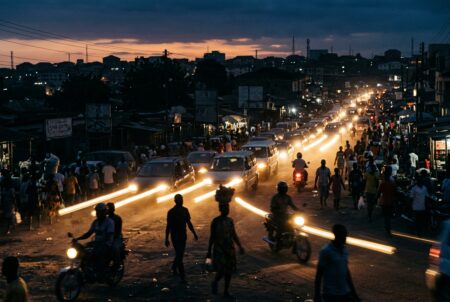
My first ten minutes in Hanoi felt like being dropped into a real-life video game of Frogger, except the frogs were replaced by five million scooters, and there was no “lives” counter. I stood on the curb of Phung Hung Street, frozen, clutching my backpack like a shield. Every time I thought about stepping off the sidewalk, a wall of plastic and metal roared past. An elderly Vietnamese woman carrying a shoulder pole stacked with fresh mangoes walked right past my trembling shoulder. She didn’t look left, she didn’t look right. She just stepped into the roaring stream of traffic at a slow, perfectly steady walk. Like Moses parting the Red Sea, the flow of scooters seamlessly curved around her without anyone slowing down or yelling. That was my introduction to the chaotic, beautiful, and deeply practical logic of Vietnam. It is a country that operates on a fluid, unspoken consensus. If you try to navigate it using Western templates of order, traffic laws, or cashless convenience, you will end up stranded on a curb. To keep your maps running and translation apps active the moment you land, setting up a Vietnam eSIM is the smartest preparation you can make.

Vietnam is a sensory explosion. The smell of charred pork grilling over charcoal, the hum of engines, the sudden downpours that turn streets into rivers in minutes, and the sweet taste of condensed milk coffee. But beneath the surface chaos lies a complex set of rules. Traveling here is incredibly rewarding, but it requires throwing out your standard travel playbook. Navigating the country like an experienced traveler means understanding immigration rules, traffic flows, money exchanges, and social behaviors that aren’t written in any official brochures.
Crossing the border and handling immigration rules
My journey almost ended before it began at the departure gate. The check-in agent asked to see my physical passport and my visa approval letter. In my excitement, I had only saved a PDF of the e-Visa on my phone, assuming a digital copy would be fine. The agent shook her head. Vietnamese immigration officers require a physical printout of your e-Visa letter. Fortunately, I had enough time to run to an airport printing kiosk, but it was a stressful lesson. When you apply for your Vietnamese e-Visa online, make sure you print out at least two physical copies. Place one in your carry-on bag and another in your main luggage. Immigration officers at Noi Bai in Hanoi or Tan Son Nhat in Ho Chi Minh City will not accept a digital screen, and they will send you to the back of the queue if you do not have the paper document in hand.
Additionally, pay close attention to your passport’s condition. Vietnam has some of the strictest passport rules in Southeast Asia. Your passport must have at least six months of validity remaining from your date of entry, and it must contain at least two blank pages for immigration stamps. Most importantly, ensure your passport is not damaged, torn, or water-stained. Visitors have been denied entry simply because the cover of their passport was slightly peeling or because a page had a minor water stain. If your passport is anything less than pristine, get it replaced before booking your flight to Vietnam. Once you clear immigration, you are free to explore, but remember that the maximum cash allowed into or out of the country without a customs declaration is 5,000 USD in foreign currency or 15,000,000 Vietnamese Dong. Exceeding these limits without declaring it can lead to confiscation and steep fines.
Mastering the streets and navigating with local ride apps
Crossing the street in Hanoi or Ho Chi Minh City is a mental hurdle every traveler must face. The sheer volume of motorbikes is overwhelming. The absolute golden rule for pedestrians is predictability. When you step off the curb, walk at a slow, steady, and constant pace. Do not run, do not stop suddenly, and whatever you do, do not step backward. Motorbike drivers do not look at you the way car drivers do in the West. They calculate your path based on your current speed and steer behind you. If you panic and run, or stop mid-street, you disrupt their trajectory, making a collision highly likely. Keep your eyes forward, make eye contact with oncoming drivers if possible, and move like a slow boat crossing a river. If you are nervous, wait for a local resident to cross and walk closely on their sheltered side, using them as a shield.

For getting around the city, hailing a ride on the street can be risky, especially as a foreigner. Taxi drivers parked near major tourist sites often refuse to use the meter, quoting inflated flat rates, or they use rigged meters that tick up at double the normal speed. To avoid these issues, download local ride-hailing apps. Grab is the regional giant, offering both cars and motorbikes with transparent pricing and easy credit card integration. However, a local competitor named Be is often cheaper for short motorbike hops. If you want a premium experience, look for Xanh SM. Operated by Vingroup, Xanh SM uses a fleet of clean, quiet, electric VinFast cars and motorbikes. The drivers are professional, polite, wear neat uniforms, and rarely cancel rides. You can link your international credit card to Xanh SM through the OnePay gateway in the app. Taking a motorbike taxi (xe ôm) is the fastest way to cut through traffic, but always wear the helmet provided by the driver to avoid fines and stay safe.
VietQR limits, money exchanges, and street food cash
Vietnam is rapidly digitizing, and you will see VietQR codes displayed at almost every shop counter, street food cart, and market stall. For locals, scanning these codes to transfer money instantly is the default way to pay. However, as a tourist, you will face major limitations. The VietQR network requires a local Vietnamese bank account. While tourists from specific countries like South Korea or China can use their domestic banking apps (like GLN or Alipay) to scan VietQR due to recent bilateral integrations, Western tourists cannot. Do not expect to scan a QR code to pay for your 30,000 VND street food bowl. You must carry physical cash.

When exchanging money, be aware of recent regulatory changes. Exchanging foreign currency at unlicensed gold or jewelry shops is strictly illegal in Vietnam. While some travelers still do this for slightly better rates, authorities have cracked down heavily, and both the merchant and the tourist can face massive fines. Only exchange your currency at licensed bank branches or official exchange booths at the airport and major city centers. Additionally, when you receive Vietnamese Dong banknotes, check their condition carefully. Vietnamese cash is printed on polymer, which is durable but can slide out of pockets easily. Many shops and taxis will refuse to accept banknotes that are torn, written on, or heavily worn, as banks will not accept them for deposit. Keep your cash flat and dry in your wallet. When paying, pay close attention to the colors and zeros on the banknotes; it is easy to mistake a 20,000 VND note for a 500,000 VND note in the dark, a mistake that taxi drivers rarely correct.
Sidewalk coffee stools and local cafe customs
To truly understand the heartbeat of Vietnam, you must participate in “cà phê vỉa hè”—sidewalk coffee culture. It is not just about drinking caffeine; it is a social ritual. Sidewalk cafes are set up with low plastic stools and tables that face out toward the street. Locals sit here for hours, sipping drinks, peeling sunflower seeds, and watching the chaotic flow of traffic go by. The coffee is traditionally brewed using a metal filter called a phin, which sits on top of the glass and slowly drips thick, dark coffee over sweet condensed milk. The classic order is “cà phê sữa đá” (iced coffee with condensed milk), but you should also try “cà phê đen đá” (black iced coffee) or the famous “cà phê trứng” (egg coffee, which features a rich, custard-like whipped egg yolk top). If you travel to Central Vietnam, look for “cà phê muối” (salted coffee), which balances the bitterness of the roast with a creamy, salted froth.

When visiting these local spots, there are a few simple manners to keep in mind. Sidewalk cafes are very casual, and it is normal to ask for a glass of “trà đá” (iced green tea), which is usually served alongside your coffee to cleanse your palate. Do not expect rapid table service; you often pay when your drink is delivered rather than at the end of your stay. In traditional markets or street food stalls, it is polite to tuck your legs under your stool to avoid blocking the narrow pathways. When paying, hand your cash to the vendor using both hands as a sign of respect. This small gesture shows that you respect their hard work and are trying to adapt to local customs, and it is almost always returned with a warm smile.
Stay connected across Vietnam
From checking translation apps at a remote noodle stall in Sapa to tracking your location on Grab in Ho Chi Minh City, constant high-speed mobile data is essential for a smooth journey in Vietnam. Instead of waiting in long airport queues for local SIM cards or dealing with the high costs of international roaming, securing your connection beforehand is the best option. Having data active the second your flight lands means you can book a reliable ride, navigate the airport, and contact your accommodation immediately. Plan ahead, get connected, and step out onto the vibrant streets of Vietnam with confidence.
Tested & Verified: Tested & Verified: During our hands-on test in Vietnam, we used an eSIM on an iPhone 15 Pro. We experienced high-speed connectivity on Viettel (average 85 Mbps) near Hanoi and Saigon. Commuting using local transport apps and transit systems was extremely convenient.
Frequently Asked Questions (FAQ)
What is the best mobile network connection in Vietnam?
For the best experience, you can use an eSIM that runs on 4G LTE speeds up to 150 Mbps on Vinaphone or Viettel network.
Where can I find official travel and visa information for Vietnam?
You can find official visa and travel guidelines on the Official Vietnam Tourism Portal at Official Vietnam Tourism Portal.
Should I get an eSIM before traveling to Vietnam?
Yes, getting an eSIM before arriving in Vietnam is highly recommended. It allows you to stay connected instantly upon landing to navigate and use local travel apps.