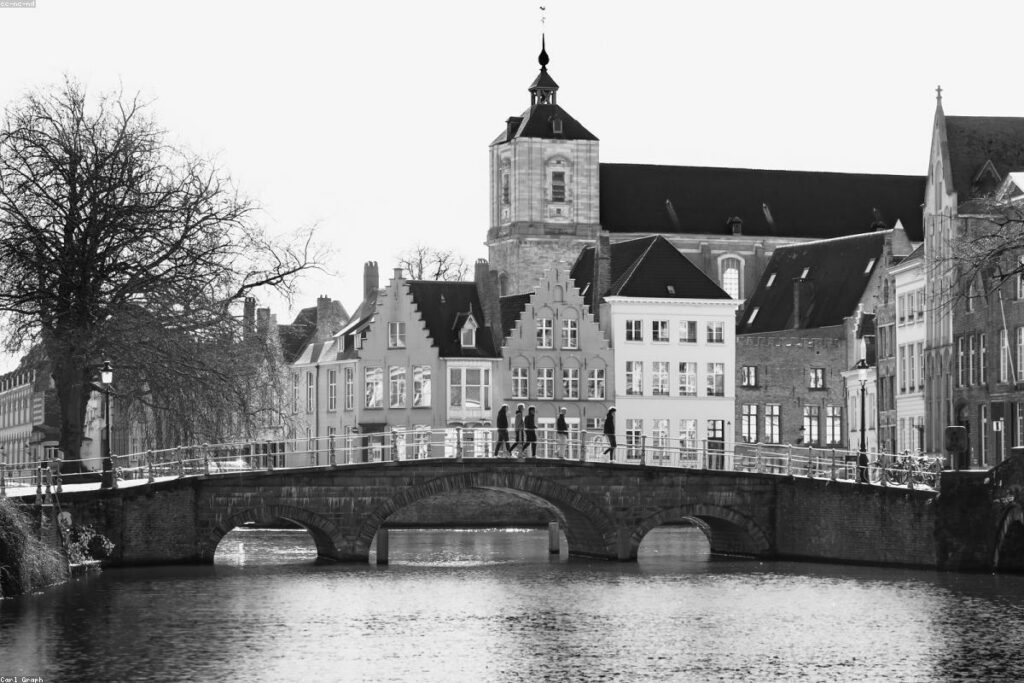
Stepping into Belgium means entering a world where medieval charm, Gothic architecture, and world-class culinary delights coexist with modern European administration. However, underneath this sleek facade, visitors in 2026 will find a complex transit and regulatory system. From Brussels’ strict MOBIB card validation rules to Wallonia’s complete lack of contactless transit payments, and the sudden national ban on onboard train ticket sales, getting around requires precise local knowledge. Driving comes with its own hurdles, including Antwerp’s Liefkenshoek Tunnel toll and mandatory online registrations for Low Emission Zones (LEZs). Activating a high-speed Belgium eSIM on your smartphone before departing is the easiest way to ensure you have 5G data from the moment you land or cross the border.
1. Rail Travel Warning: Avoiding the SNCB Train Ticket Fine Trap
Traveling between cities introduces national trains operated by SNCB/NMBS. There is no tap-on/tap-off system at railway platforms. In mid-2026, SNCB implemented a strict policy: all on-board ticket sales are discontinued. You must purchase your ticket before boarding (via the app or station machines). Boarding a train without a valid ticket results in an immediate €90 fine instead of a small surcharge. To keep your train tickets accessible and check platform updates on the go, having active data is essential. Using a digital map to track your departures makes navigating transit stations stress-free.
2. Local Transit: MOBIB Cards, De Lijn, and Brussels Metro Gate Protocol
Belgium’s public transport is highly integrated but varies by operator and region. The unified ticket carrier is the contactless MOBIB card. An anonymous MOBIB Basic card costs €5, requires no ID to purchase, is valid for 5 years, and can be shared. Unlike stored-value cards like London’s Oyster, MOBIB does not hold a cash balance; it is a “ticket carrier” that you must pre-load with tickets (e.g., a 10-ride pass) before riding. In Brussels, the local operator STIB/MIVB supports open-loop contactless “tap-to-ride” using bank cards or phones on grey validators. Tapping is required when boarding, and tapping off is mandatory when exiting metro stations to open the gates (but not on buses/trams). In Flanders, De Lijn uses white validators for contactless tap-to-ride. You can pay for up to 5 people using the same card by tapping multiple times within two minutes, which includes a 60-minute transfer window. Conversely, Wallonia’s TEC operator does not support contactless tap-to-ride on board; you must purchase tickets in advance via the TEC mobile app or vending machines.

3. Driving Regulations: Free Motorways and the Antwerp Liefkenshoek Toll
Driving on Belgian motorways is generally toll-free for passenger cars under 3.5 tonnes. The sole exception is the Liefkenshoek Tunnel on the R2 ring road around Antwerp. Cash payments are the most expensive option (around €6.00 to €8.00), while contactless card payments or automatic badge scanning reduce the toll to €4.40–€5.60. Heavy commercial trucks over 3.5 tonnes must use a satellite-based On-Board Unit (OBU) managed by Viapass. Do not purchase any physical toll stickers or vignettes, as passenger cars do not use them on Belgian motorways.
4. Low Emission Zones: LEZ Registration Rules for Brussels, Antwerp, and Ghent
Belgium enforces strict Low Emission Zones (LEZs) in major cities like Brussels, Antwerp, and Ghent. Foreign-registered cars must be registered online before entering these zones to avoid heavy penalties. For Brussels, you must register for free at lez.brussels. Failure to do so results in a €350 fine. For Antwerp and Ghent, register at lez.antwerpen.be. The Flemish database is shared, so registering in Antwerp also covers Ghent, but you must register separately for Brussels. Registration is free and must be done no later than the day after entering the zone. If your vehicle does not meet emission standards, you must purchase a LEZ Day Pass (approx. €35, maximum 24 times per year) and still register your license plate. You can book a popular Ghent and Bruges Day Trip from Brussels online.
5. Payment Laws: The Electronic Payment Mandate and Bancontact Cards
Belgium is a highly cashless country. Under a law enacted in July 2022, all merchants are legally required to offer at least one electronic payment option. While cash is still accepted, you can easily travel 100% cashless. Surcharges on card payments or minimum purchase amounts for card transactions are strictly illegal. While Visa and Mastercard are widely accepted, you may occasionally see smaller shops preferring the national debit scheme, Bancontact. When withdrawing cash, avoid independent Euronet ATMs, which charge exorbitant fees and markup rates. Look for the black-and-yellow Batopin (CASH points) ATMs, a unified network established by Belgium’s major banks. When using a foreign card, always choose to be billed in Euros (EUR) to decline DCC and avoid bad conversion rates.
6. Cash and Tipping: Finding Batopin ATMs and Belgian Dining Etiquette
Tipping is not required or expected in Belgium. A 16% service charge and VAT are already included in the bill by law at cafés and restaurants. However, if the service was excellent, rounding up the bill to the nearest €5 or €10 or leaving a small cash tip (5% to 10%) is appreciated. Tipping taxi drivers or hotel staff is not expected, though rounding up the fare is common.

Check the r/belgium community on Reddit for local advice.
7. Seamless Connectivity: Bypassing SIM Registration Rules with eSIMs
Having a reliable internet connection is crucial for checking train schedules, registering for LEZs, and using maps. Belgium’s mobile network is operated by three main providers: Proximus (best overall and rural coverage), Orange Belgium (excellent urban speeds), and Base. Following a 2016 anti-terrorism law, all prepaid SIM cards must be registered with a passport scan or ID check. Buying a local SIM card involves waiting in queues and submitting personal identification to local telecom databases. You can bypass this process by using a digital reliable Belgium eSIM. Travel eSIMs are data-only and do not include a local phone number, making them exempt from local registration laws. You can buy and activate your eSIM before departure, ensuring high-speed 5G/4G connectivity the moment you arrive.
Frequently Asked Questions (FAQ)
Frequently Asked Questions (FAQ)
Do I need to buy train tickets in Belgium in advance?
Yes, in 2026, SNCB train tickets must be purchased before boarding the train to avoid a steep €90 on-board ticket fine.
Where can I register my car for the Belgium Low Emission Zones (LEZ)?
Foreign vehicles must be registered online: register for Brussels at lez.brussels and for Antwerp/Ghent at lez.antwerpen.be. Registration is free.
Are credit cards accepted in Belgium?
Yes, credit cards are widely accepted cashless. Surcharges on card payments are strictly illegal under Belgian law.
 Belgium eSim