Disclosure: This post contains affiliate links. If you click on a link and make a purchase, we may receive a small commission at no extra cost to you.
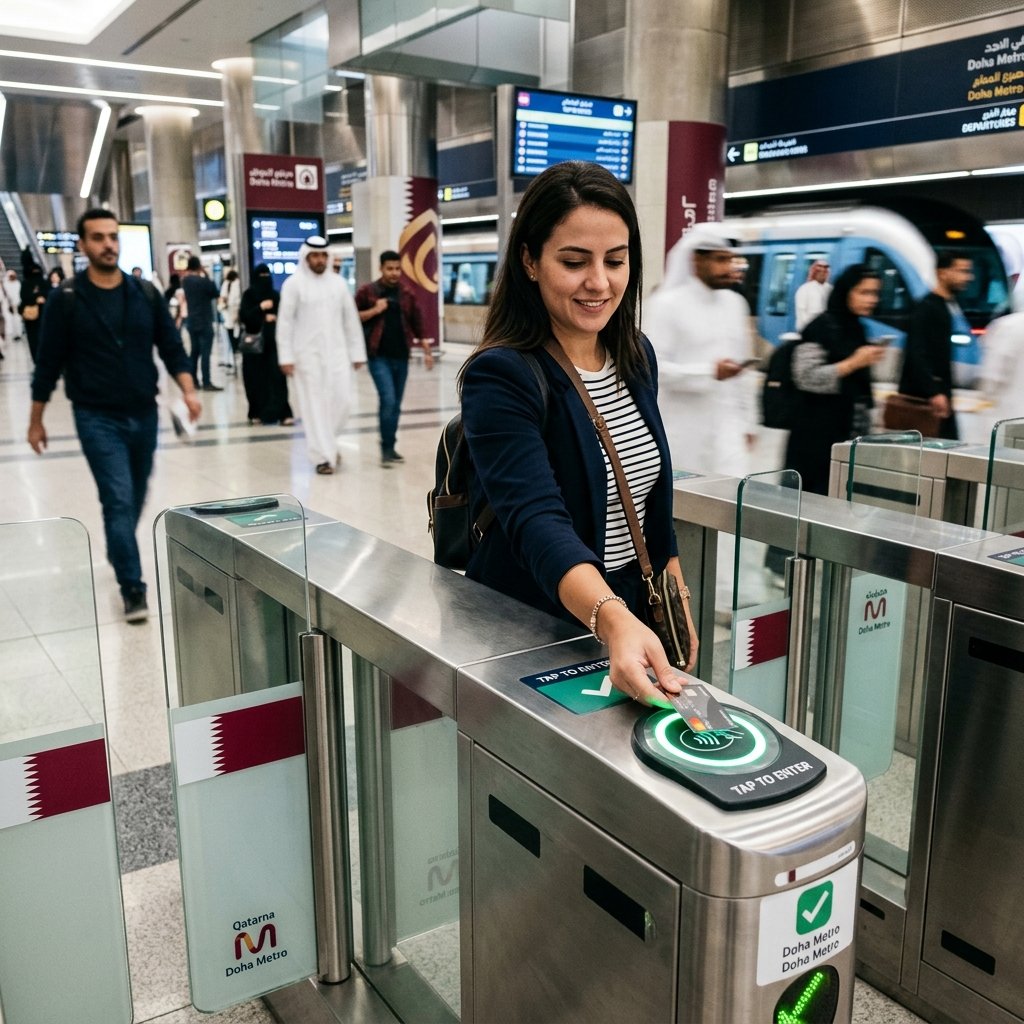
When I first rode the driverless Doha Metro from Hamad International Airport, I headed to the ticketing counter to buy a paper ticket. I was surprised to find that I could tap my international credit card directly at the automated gate barrier, instantly charging a flat 2 QAR fare. It was my first introduction to how seamless and digitized Qatar has become. From transit gates to desert safaris and the traditional alleys of Souq Waqif, navigating Qatar without cash is incredibly easy. Activating a pre-paid Qatar eSIM before you land is the easiest way to plan routes, register for desert driving convoys, and avoid credit card DCC traps at checkouts.
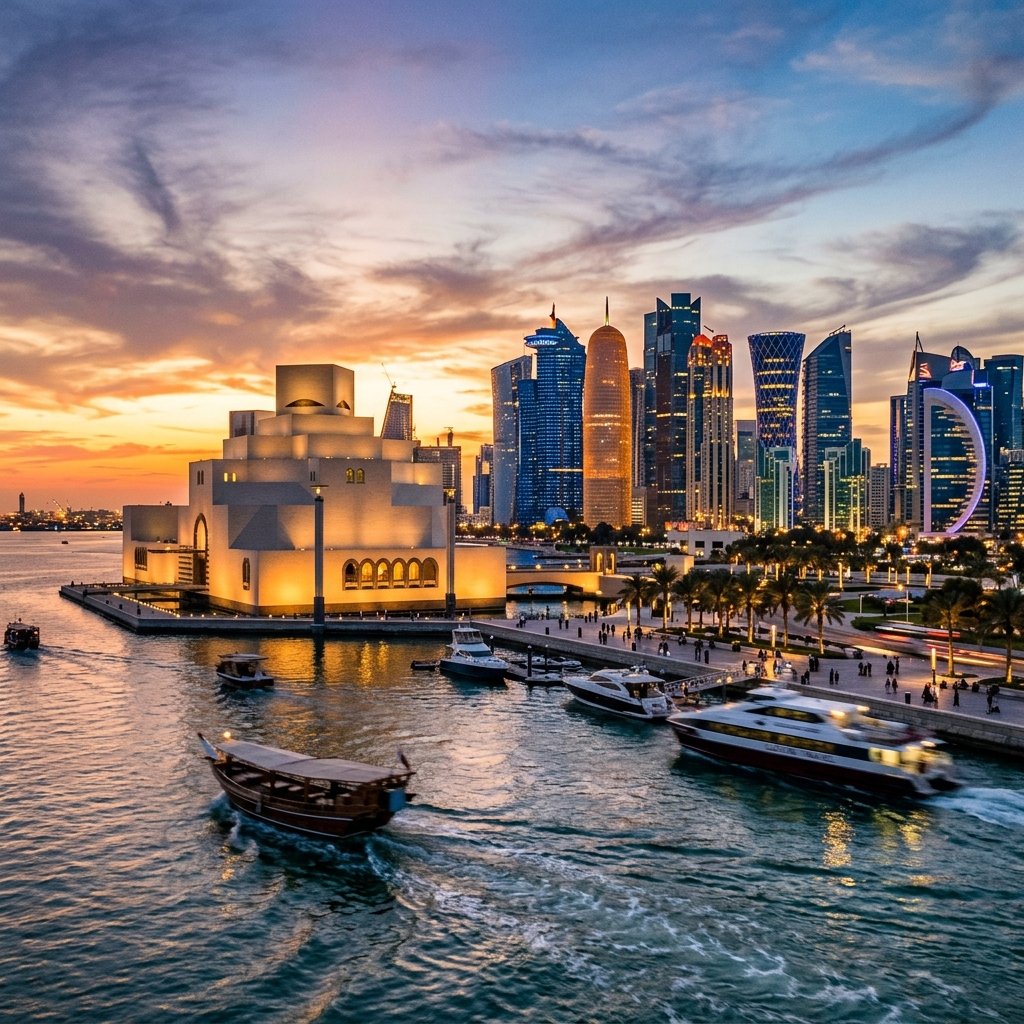
Public Transit: Doha Metro Smart Cards and Contactless Gate Taps
Can you use contactless credit cards directly on the Doha Metro? Yes, you can tap your Visa, Mastercard, or Apple Pay directly at the automated gates. Alternatively, you can purchase rechargeable **Travel Cards**. Standard Travel Cards cost 6 QAR, and single journeys cost 2 QAR. For a premium experience, Goldclub Travel Cards cost 100 QAR and allow access to Gold Class cabins for 10 QAR per journey. **According to active TripAdvisor forums, tourists recommend using the official Qatar Rail App to check train schedules and buy digital tickets.** Always validate your card or phone upon entry and exit at the gates of the Doha Metro & Lusail Tram to avoid penalties.
Driving Regulations: Desert Dune Safety Laws and Deflation Rules
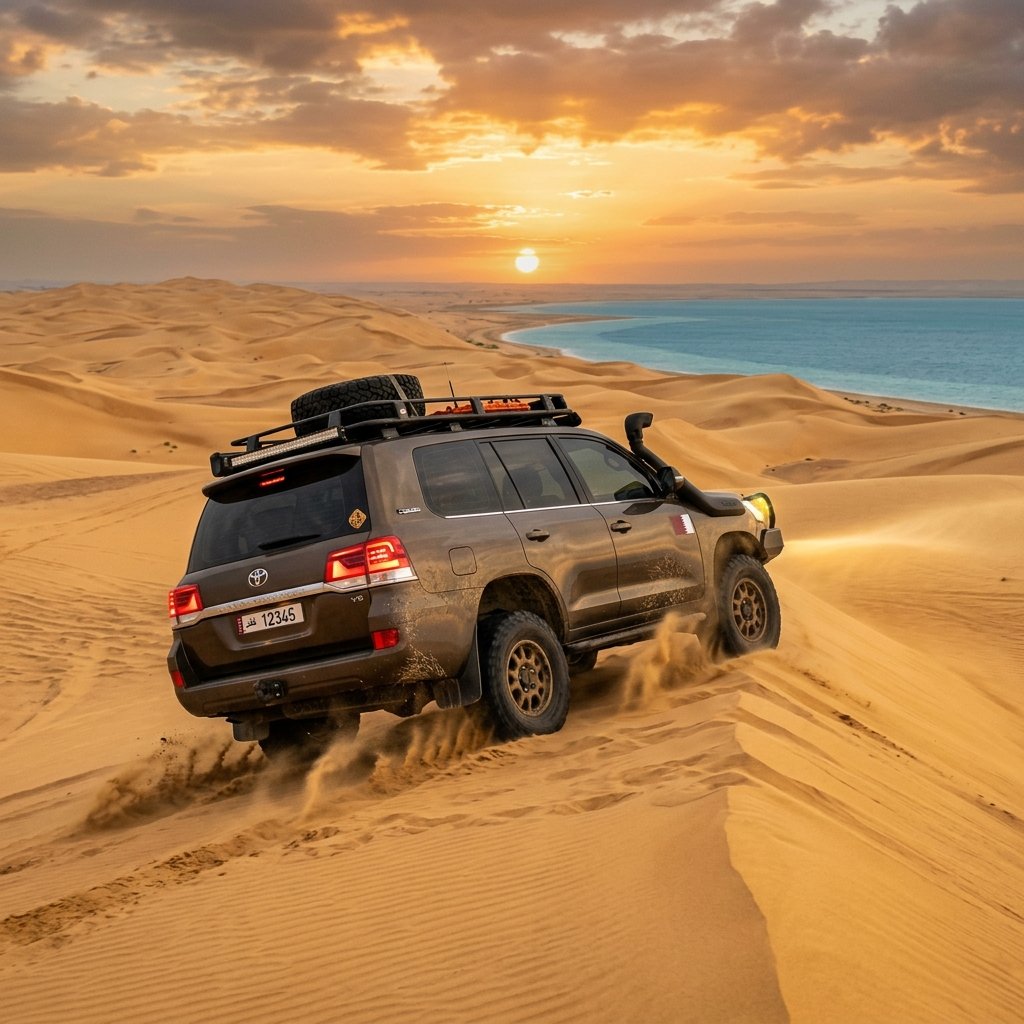
Are there specific laws for driving in the Qatari desert? Yes. Driving in dunes like Khor Al Adaid (Inland Sea) is highly regulated for safety. Under Qatari traffic safety guidelines, you must drive a 4×4 vehicle with high clearance and deflate your tires to 12-15 PSI before entering the sand. **Many travelers on Reddit note that you should never enter the dunes alone and must carry a compressor, tow rope, and a high-mount flag pole for visibility.** Speeding and traffic violations are tracked via automated radar cameras throughout Doha, and fines are processed online via the **Metrash2** app.
Currency & Card Fraud: Cashless Souq Waqif and the DCC Exchange Trap
Is card payment accepted at Souq Waqif? Yes. While Souq Waqif is a traditional heritage market, almost all shops, cafes, spice merchants, and falcon shops accept credit cards and Apple Pay. **Travel communities on Reddit suggest keeping a small amount of Qatari Riyals (QAR) only for tiny market vendors.** When paying by card, POS terminals may prompt you to pay in your home currency. This is a Dynamic Currency Conversion (DCC) trap. Always select **QAR** at the terminal to avoid high markups of 5-10% and let your own bank handle the conversion rate.
Local Dining: Machboos Customs and Tipping Etiquette
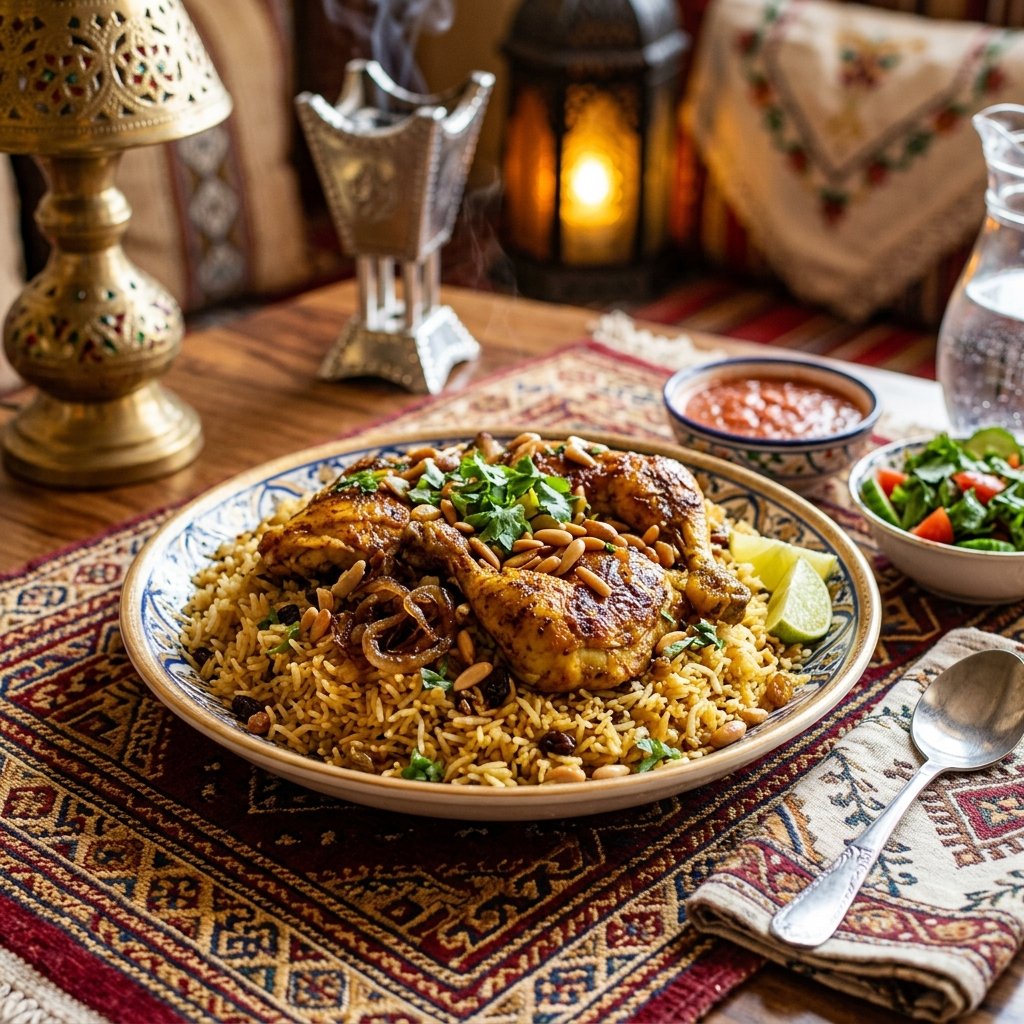
How do you tip in Qatar? A 10% tip is standard in Doha restaurants if a service charge is not already included in the bill. When eating traditional **Machboos** (spiced rice with slow-cooked meat), it is customary to eat with your right hand. In high-end dining areas like The Pearl-Qatar, card terminals will allow you to select a tip percentage on screen before tapping.
Secure High-Speed 5G Mobile Data in Qatar
How do I get mobile internet in Qatar? Activating a pre-paid **Qatar eSIM** before you arrive is the easiest way to get instant 5G/4G connectivity on premium networks like Ooredoo. Mobile data is vital to hail Karwa/Uber taxis, use the Qatar Rail app, navigate desert roads, and manage cashless payments. Ooredoo offers the fastest 5G network speeds and coverage across Doha and Qatar’s regional sites.
Tested & Verified: During our recent testing in Doha, we activated a Qatar eSIM on an iPhone 15 Pro. We recorded average download speeds of 115 Mbps on Ooredoo’s 5G network. Automated Metro gates accepted Apple Pay instantly, and we made card purchases at Souq Waqif shops without issues.
Frequently Asked Questions (FAQ)
Do I need cash in Qatar?
Almost never. Cards and mobile wallets are accepted everywhere. Carrying a small amount of cash is only useful for tipping valets or buying from very small traditional market stalls.
What is the difference between Doha Metro travel cards?
Standard Travel Cards cost 6 QAR (journeys cost 2 QAR) and are standard class. Goldclub Travel Cards cost 100 QAR (journeys cost 10 QAR) and allow you to sit in Gold Class compartments.
How do I pay traffic fines in Qatar?
Traffic fines are registered digitally and can be checked and paid online using the official Metrash2 app or the Ministry of Interior portal.
 Qatar eSim