
Disclosure: This post contains affiliate links. If you click a link and make a purchase, we may receive a small commission at no extra cost to you.
Tested & Verified
During our hands-on travel tests in Taiwan, we commuted using the EasyCard, rented YouBikes, and paid at cash-only night market stalls. We used a travel eSIM running on Chunghwa Telecom’s high-speed 5G network to verify real-world connectivity and coverage.
Stepping out of Taoyuan International Airport is like entering a vibrant, high-speed sensory capsule. Taiwan is a place where futuristic bullet trains zip past centuries-old temples, where Michelin-starred street vendors cook under neon signs, and where high-tech convenience stores handle everything from shipping packages to paying utility bills. Yet, beneath this hyper-modern convenience lies a unique regulatory and transport landscape. Getting these logistics right before you land is what separates a smooth, tea-sipping vacation from a series of heavy fines and transport headaches.
Before you check in for your flight, the single most useful preparation you can make is setting up a high-speed Taiwan eSIM. Having instant local data when you touch down is essential for registering for public bikes, navigating metro systems, and translating night market menus on the fly.
The NT$200,000 Pork Fine and the Strict Vape Ban
Taiwan is incredibly serious about biosecurity and public health, and their customs officers do not make exceptions for tourists. The most unexpected border trap for travelers is the strict ban on importing meat products. To protect the local agricultural sector from African Swine Fever, customs officials screen all incoming luggage. Attempting to bring any pork or meat products—whether it is vacuum-sealed pork floss rolls, a ham sandwich, or even an uneaten in-flight meal—results in a massive NT$200,000 fine for a first offense. If you cannot pay this fine immediately at the border, you will be denied entry and deported. Check your bags twice and throw any food items into the airport amnesty bins before passing customs.
Similarly, leave your e-cigarettes and vapes at home. Taiwan’s Tobacco Hazards Prevention Act completely bans all Alternative Smoking Products (ASPs), including vape pens, pods, heated tobacco, and e-liquids. Importing these items carries customs fines ranging from NT$50,000 to NT$5,000,000. Under recent amendments, the simple possession of a vape device anywhere in public is illegal and carries a personal fine of NT$2,000 to NT$10,000. Traditional cigarettes are legal, but smoking is strictly prohibited in all indoor public spaces, restaurants, and outdoor metro station boundaries, so look for designated smoking areas to avoid a fine.
Taipei Metro Eating Bans and YouBike Rules
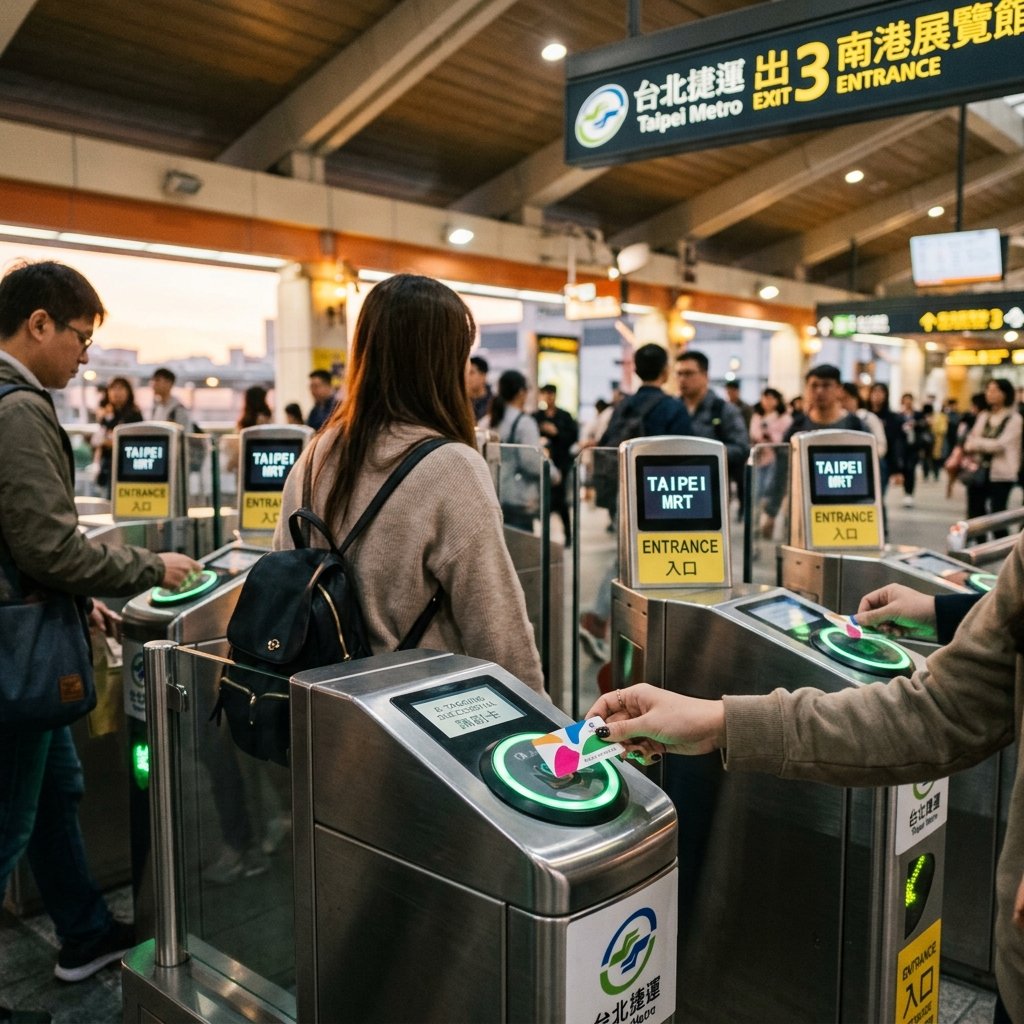
Public transit in Taiwan is exceptionally clean and efficient, but it comes with strict codes of conduct. Inside the Taipei Metro (MRT), the yellow lines on the floor in front of the ticket barriers mark the start of the strict “no-food-or-drink” zone. Once you step past this line, eating, drinking (including water), chewing gum, or betel nut is strictly forbidden. Breaking this rule results in an immediate fine between NT$1,500 and NT$7,500. This rule keeps the stations spotless, but it catches many thirsty tourists off guard, so finish your bubble tea before tapping in. These strict MRT rules and YouBike experiences are common topics on forums like Reddit, where expats and travelers share updates on local regulations.
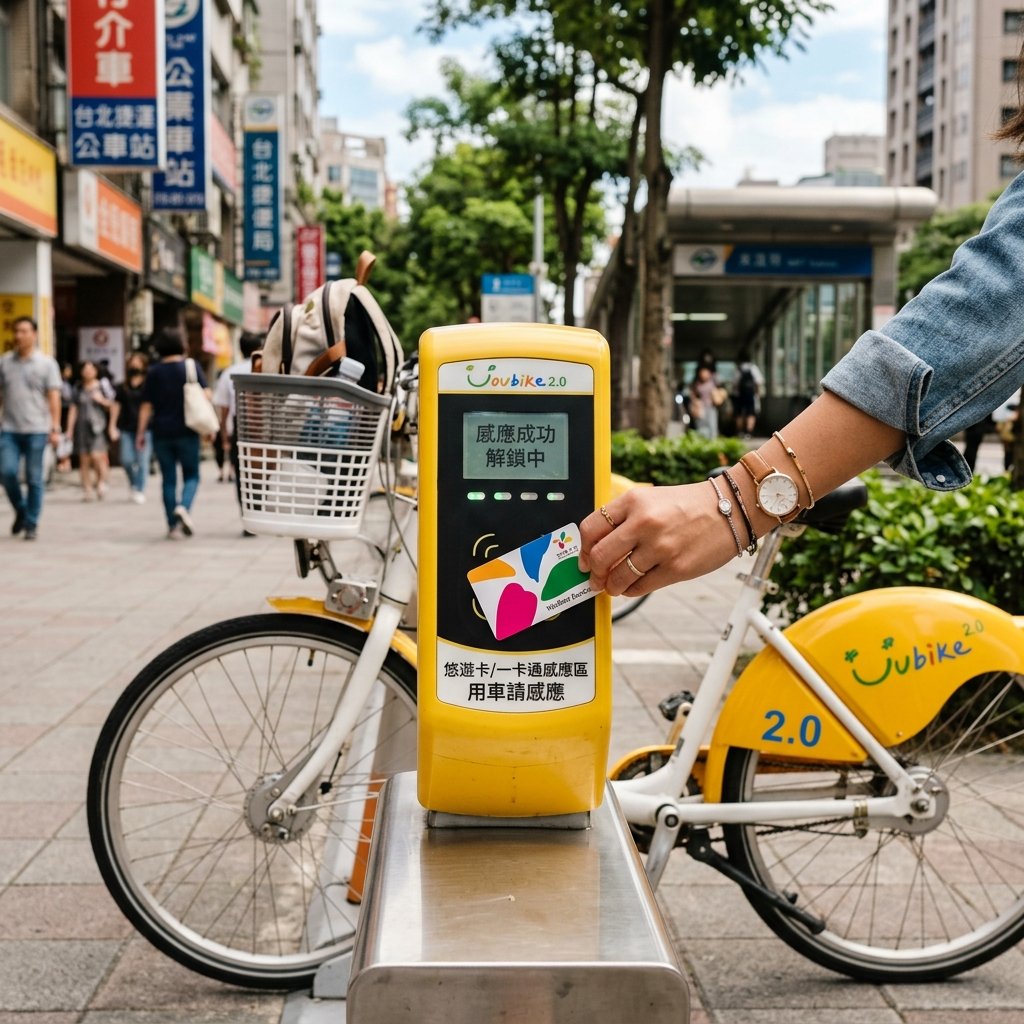
If you want to explore the streets on two wheels, the YouBike public bicycle sharing system is incredibly convenient. Tourists do not need a local phone number to sign up; you can easily register a temporary account directly on the YouBike mobile app using an email, your passport details, and an international credit card. However, there is a key safety rule: you must enroll in the mandatory Public Bicycle Injury Insurance through the app before unlocking a bike. The insurance is free, but you cannot bypass it. When riding in Kaohsiung, note that the Light Rail operates on an open-platform system without gates. You must tap your card at the platform validator both when entering and exiting; forgetting to tap out locks your card and triggers a heavy fine.
Night Market Cash Rules and Currency Conversion Pitfalls
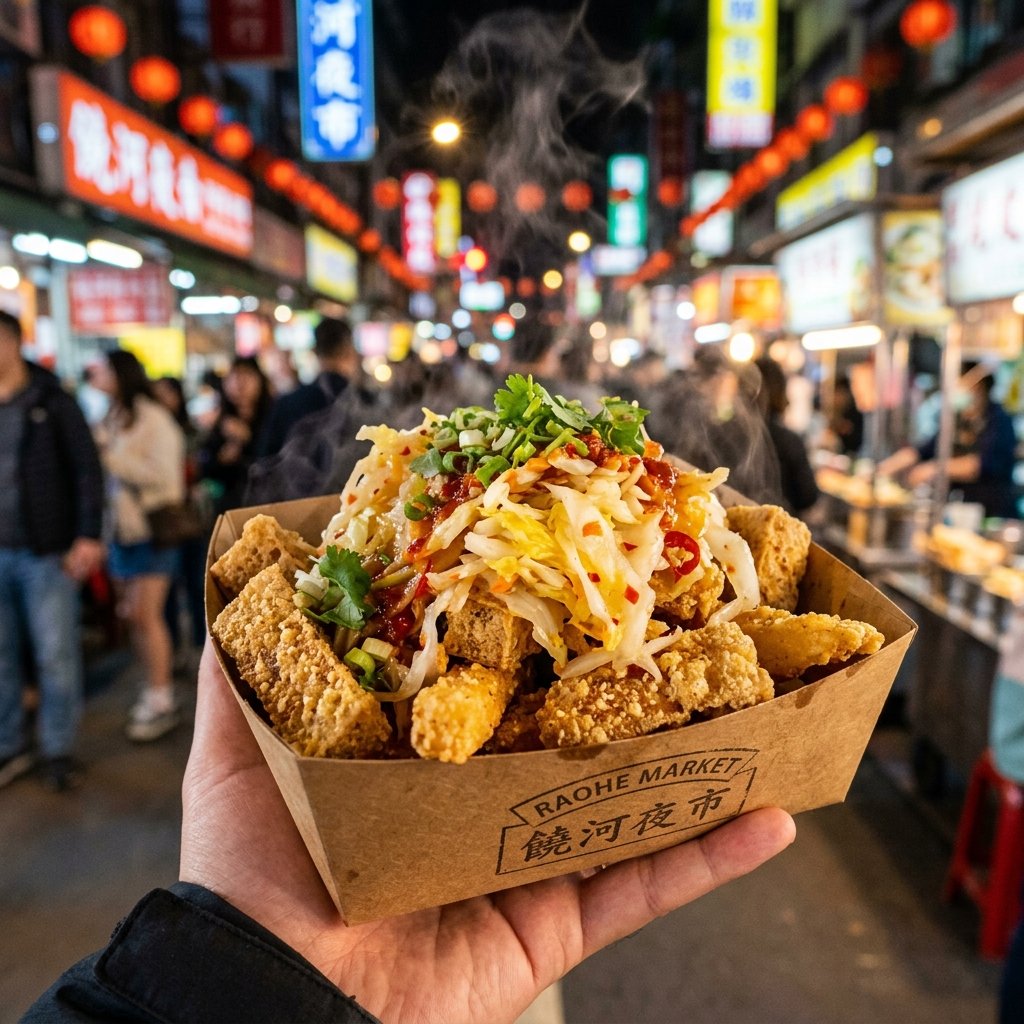
Taiwanese locals rely heavily on mobile payment platforms like Line Pay, but these apps rarely work with international credit cards. For tourists, cash is still the undisputed king. When exploring iconic night markets like Shilin, Raohe, or Ningxia, or local street-side tea shops, cash is your only option. Stalls do not accept cards, and vendors struggle to change large NT$1,000 notes for small purchases, so keep a stash of NT$100 bills and NT$50 coins in your pocket for crispy scallion pancakes and sweet milk tea.
When withdrawing cash or paying with your card at an ATM or payment terminal, you will likely encounter the Dynamic Currency Conversion (DCC) trap. The screen will ask if you want to be billed in your home currency (such as USD or EUR) or local currency (TWD). Paying in your home currency allows the local merchant’s bank to set the exchange rate, which usually includes a hidden markup of 3% to 8%. Always select to pay in the local currency (TWD) to let your own home bank handle the conversion at a much fairer rate.
Getting to Jiufen Without Being Hustled and Elephant Mountain Secret Views
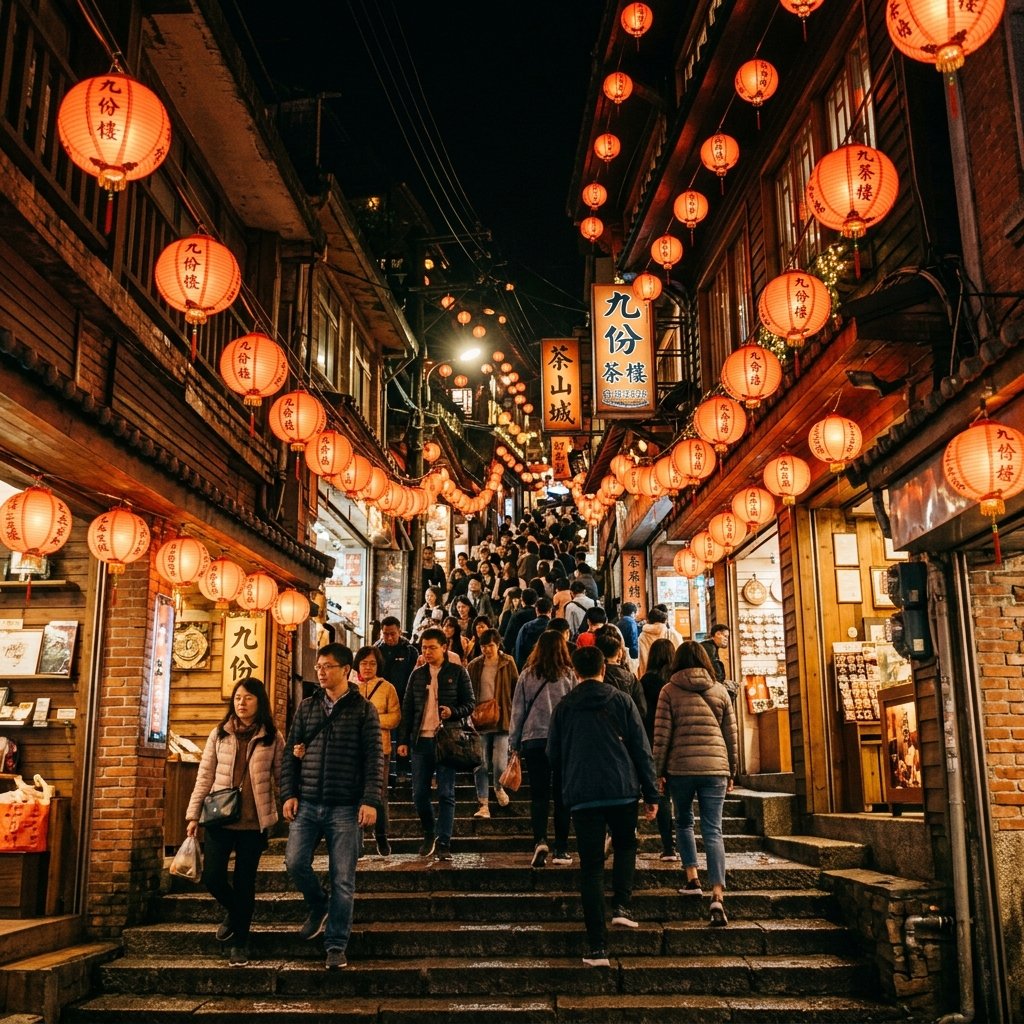
A day trip to the hillside town of Jiufen, the inspiration for iconic movie scenes, is a highlight of any Taipei itinerary. Skip the expensive taxi transfers and take the reliable public buses instead. You can take Bus 965 from Ximen or Beimen MRT stations, or Bus 1062 from Zhongxiao Fuxing MRT station. Both buses cost only around NT$90 to NT$100 and drop you right at the entrance of the Old Street. If you prefer a private car, avoid the taxi touts at the bus stops and book through Uber or the Taiwan Taxi 55688 app to guarantee metered, honest pricing.
For the classic postcard view of the Taipei skyline, take the MRT to Xiangshan station and head up the Elephant Mountain trail. Be prepared for a steep climb of about 600 stone steps. Most tourists crowd around the first observation platforms and the Six Giant Rocks at sunset. For a peaceful experience, hike early in the morning on a weekday, or head up late at night when the path is well-lit and the city lights are fully glowing. Continue walking past the main rocks to find higher, quieter viewpoints where you can enjoy the view of Taipei 101 in peace.
Seamless Connection in Taiwan
From scanning bike QR codes, mapping bus routes to Jiufen, checking night market recommendations, or showing your train tickets, keeping a fast and secure internet connection is critical. Relying on public Wi-Fi or paying high roaming fees is not practical.
The easiest solution is activating a high-speed travel eSIM, like those from TravelyData, before your trip. A premium Taiwan Travel eSIM connects your device to premium local networks the moment you land. Check out the packages at /product/taiwan-travel-esim-data-card/ to choose the best plan. Stay connected, explore offbeat trails, and enjoy a smooth trip through Taiwan!
Where can I find official travel and visa information for Taiwan?
You can find official visa and travel guidelines on the Official Taiwan Tourism Portal at Official Taiwan Tourism Portal.
Should I get an eSIM before traveling to Taiwan?
Yes, getting an eSIM before arriving in Taiwan is highly recommended. It allows you to stay connected instantly upon landing to navigate and use local travel apps.
 Taiwan eSim