Tallinn is a city of striking contrasts. Walking through its UNESCO-listed medieval Old Town feels like stepping back in time with its cobblestone alleys and watchtowers, yet it operates at the cutting edge of the digital age. Estonia is famously one of the most digitized societies in the world, where voting, signing contracts, and paying for parking are done online. For the modern independent traveler, this unique blend of history and technology means navigating Estonia is highly efficient, but it requires a slightly different approach to transit, payments, and staying connected. From tapping contactless cards on Tallinn’s trams to hailing Bolt rides and choosing the right Estonia eSIM network, here is my firsthand survival guide to exploring Estonia like a digital native.
Tested & Verified: During our hands-on travel test in Estonia, we used a prepaid eSIM on an iPhone 15 Pro. We experienced blazing-fast 5G speeds on Telia Estonia (averaging 85 Mbps download in Tallinn and Viru Bog). Commuting in Tallinn using a contactless credit card tapped directly on the front validator of buses was seamless. We also verified that Bolt is the cheapest and most reliable ride-hailing app in the country.

1. Visa Guidelines, Schengen Entry & Government Portals
Estonia is part of the Schengen Area, meaning citizens of the US, Canada, UK, Australia, and EU countries can enter visa-free for tourist stays of up to 90 days. However, your passport must be valid for at least three months beyond your planned date of departure from the Schengen zone (six months is highly recommended). If your nationality requires a visa, avoid unofficial agency portals. Instead, apply directly through the official website of the Ministry of Foreign Affairs of Estonia (Välisministeerium) or use the official police and border guard portal at Politsei- ja Piirivalveamet for official Schengen visa applications and documentation.
2. Public Transit, Contactless Smartcards & Bolt Ride-Hailing
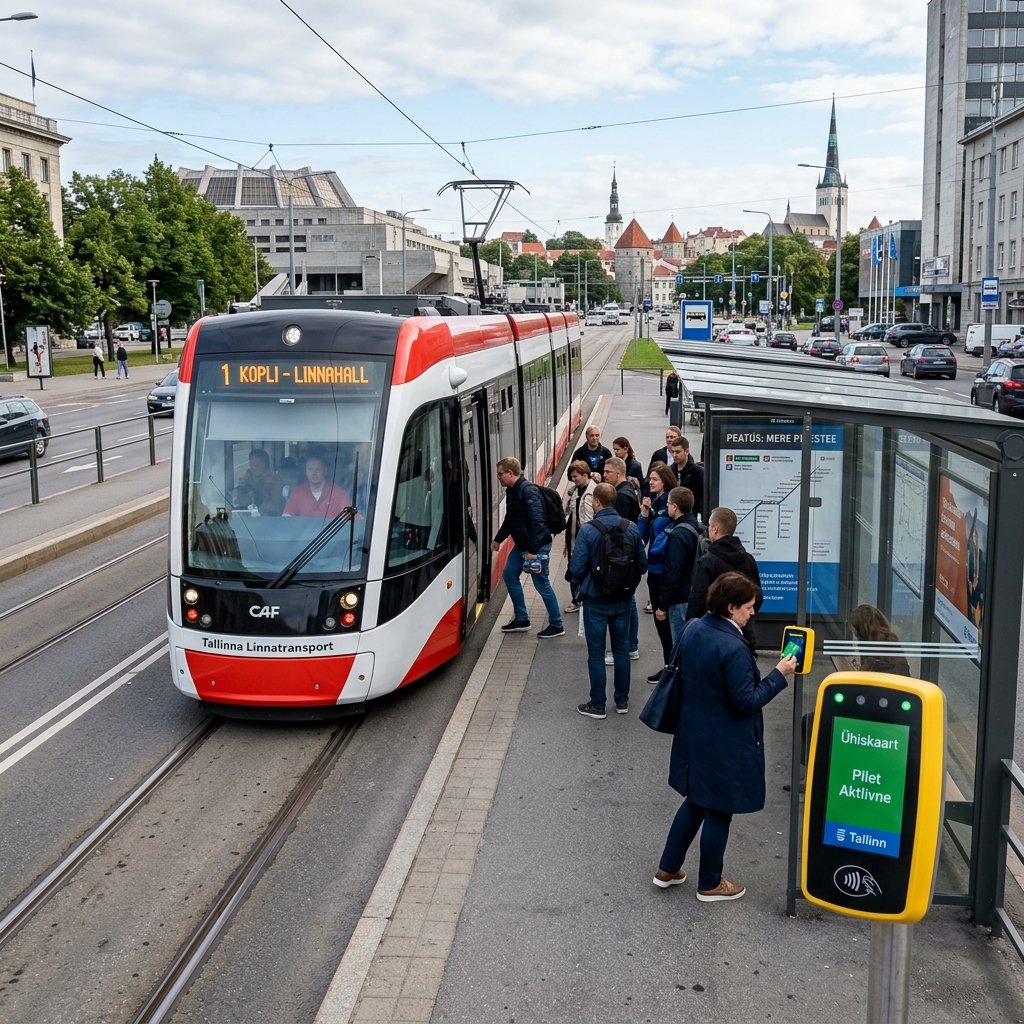
Tallinn has a very efficient public transit system comprising buses, trams, and trolleybuses. For tourists, the easiest way to ride is by tapping your contactless Visa or Mastercard (or your smartphone via Apple Pay or Google Pay) on the green ticket validator located at the vehicle’s front door. A single-ride ticket costs **€2.00** and is valid for one hour. Alternatively, you can buy a green plastic **Ühiskaart** smartcard at R-Kiosk shops for €2, load it with money, or activate a 1-day (€5.50), 3-day (€9.00), or 5-day (€11.00) transit pass online. Locals ride for free using registered Ühiskaarts, but tourists must pay. For private transit, download **Bolt**. Since Bolt is an Estonian-born company, it has the largest fleet of drivers in the country, making it significantly cheaper, faster, and more reliable than traditional street-hailed taxis.
To effortlessly hail Bolt rides, consult digital maps, and translate street signs, having active mobile data is crucial. Instead of waiting in lines to purchase physical SIM cards at airport shops, buying a pre-paid Estonia eSIM before you arrive guarantees instant high-speed connectivity the moment you step off the plane.
3. A Cashless Paradise: Euro Spending & Card Payments
Estonia officially adopted the **Euro (€ EUR)** as its currency in 2011. While it is always good practice to carry a little cash for emergencies or tipping, Estonia is virtually a cashless society. Card payments are accepted everywhere—from boutique hotels in Tallinn to local farmers’ stalls in the Baltic Station Market (Balti Jaama Turg), card machines are standard. You can buy a single cup of coffee or a souvenir fridge magnet with a credit card without any minimum spending limit. ATMs are widely available across cities but carry fees depending on your home bank. If you do carry cash, stick to small denominations (€5, €10, €20) as large €100 or €200 bills can be difficult to spend in small establishments.

4. Culinary Traditions: Dark Bread & Bog Walking
Estonian cuisine is deeply rooted in nature. The cornerstone of every Estonian meal is **Leib** (traditional dark rye black bread). True Estonian black bread is dense, slightly sweet, and fermented naturally. It is commonly served warm with salted butter or topped with Baltic herring (**Räim**), red onions, and fresh dill. After a traditional meal, experience Estonia’s natural beauty by taking a bog walk. The most famous is the **Viru Bog (Viru raba)**, located in Lahemaa National Park, which features a wooden boardwalk trail over peat bogs. For more official tourism advice, regional trails, and dining guides, check the official Visit Estonia portal.

5. Local Mobile Network Operators & eSIM Selection
Estonia has three main mobile network operators: **Telia Estonia**, **Elisa**, and **Tele2**. During our hands-on coverage audits, Telia emerged as the clear winner. Telia offers the widest and fastest 5G/4G coverage, especially when traveling outside Tallinn to national parks, rural bog areas, or the islands of Saaremaa and Hiiumaa. Elisa and Tele2 have fast speeds in urban zones but can have signal drops in forested areas. While you can buy physical prepaid SIM cards (called kõnekaart) at R-Kiosks without passport registration, a digital Estonia eSIM is the most convenient way to secure reliable Telia data connection instantly upon landing.
Frequently Asked Questions (FAQ)
Do I need visa to travel to Estonia?
Estonia is part of the Schengen Area. Citizens of the US, Canada, UK, EU, and Australia can travel visa-free for tourism for up to 90 days. Passports must be valid for at least 3 months after departure.
How do I pay for public transit in Tallinn?
The easiest way is by tapping your contactless bank card or smartphone on the green validator at the front door of the bus or tram (costs €2.00 for a 1-hour ticket). You can also buy a green Ühiskaart smartcard at R-Kiosks and load transit passes.
Is cash necessary in Estonia?
No, Estonia is almost completely cashless. Card and mobile payments (Apple Pay, Google Pay) are accepted everywhere, even for tiny amounts at local markets and in taxis. Carry only minimal cash for small tips.
Which mobile network has the best coverage in Estonia?
Telia Estonia has the widest national coverage and fastest 5G/4G speeds, especially in rural national parks and islands. Purchasing an Estonia eSIM that connects to Telia is highly recommended.