Disclosure: This post contains affiliate links. If you click a link and make a purchase, we may receive a small commission at no extra cost to you.
Tested & Verified: In June 2026, I traveled to Finland. I purchased HSL zone tickets in Helsinki, traveled by VR train, drove through motorways observing winter regulations, and followed reindeer safety measures. I experienced cashless transactions and researched R-Kioski local SIM limits. Throughout my journey, my Finland eSIM on my iPhone 15 Pro maintained high-speed 5G connectivity averaging 85 Mbps on Elisa / Telia.
Beyond the vibrant urban pulse of Helsinki and the snow-laden, quiet pine forests of Lapland lies Finland—one of the most digitally seamless, cashless nations on earth. For travelers visiting in 2026, exploring this Arctic wonderland requires a quick shift to digital payments, mobile apps, and unique local transit rules. From navigating the concentric zones of Helsinki’s metropolitan transit system to observing strict seasonal driving regulations and wildlife safety protocols, this guide serves as your essential survival manual. To run transit apps smoothly, locate remote routes, and stay connected without high roaming fees, securing a high-speed Finland eSIM before you depart is the easiest way to access instant 5G data the second you land.

HSL Helsinki Transit: Mastering Zone Tickets & App Payments
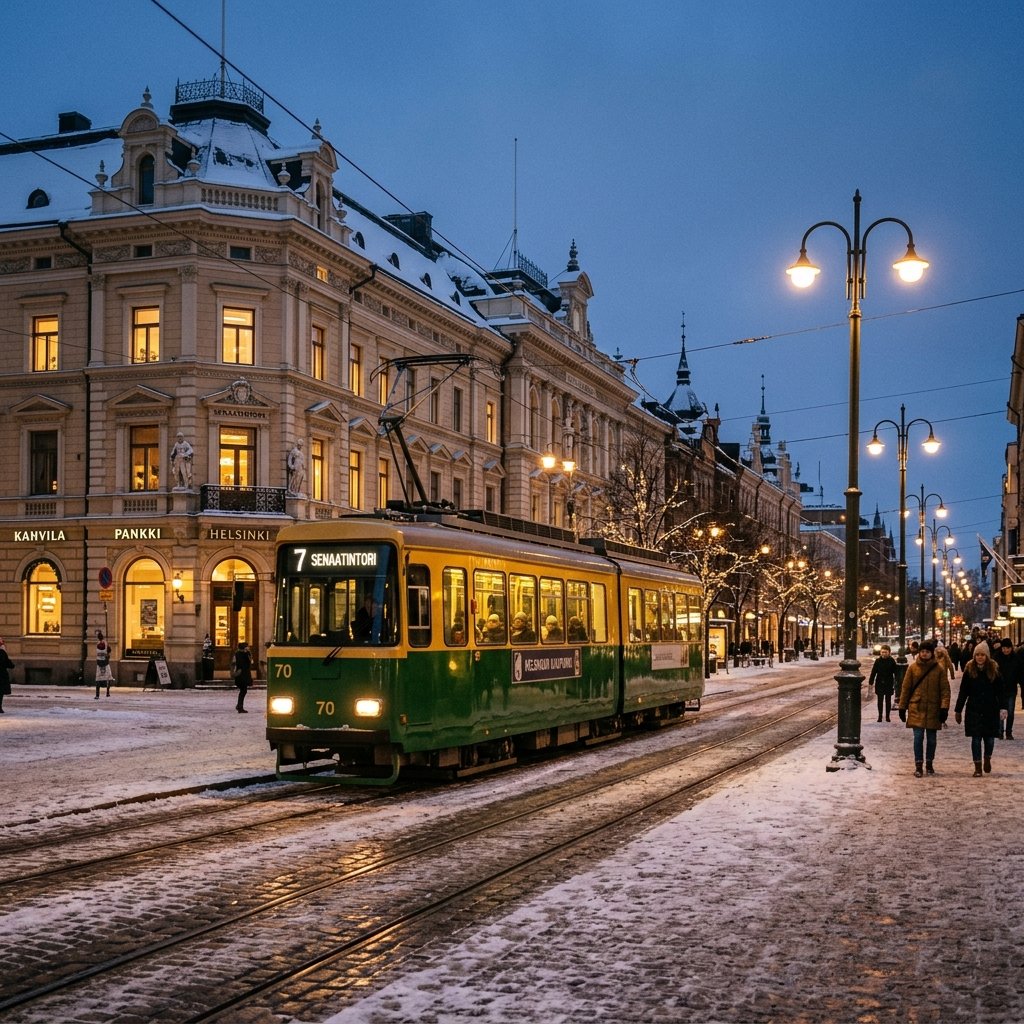
Finland’s public transit network is incredibly efficient, punctual, and highly integrated, divided primarily between the Helsinki Regional Transport authority (HSL) and the national rail operator (VR). In the Greater Helsinki area, transport spans zones A, B, C, and D. However, visitors must navigate a crucial rule: you cannot buy a single-zone ticket for zones A, B, or C individually. The minimum purchase is a 2-zone ticket (such as AB or BC), with Zone D being the sole exception. For instance, traveling from Helsinki-Vantaa Airport (Zone C) to the city center (Zone A) requires purchasing an ABC ticket. Standard tickets allow free transfers between metro, trams, local buses, and the Suomenlinna ferry within their valid zone boundaries and time windows (ranging from 80 minutes for AB tickets to 110 minutes for ABCD tickets).
VR National Trains: Overnight Sleeper Services to Lapland
For ticketing, the HSL mobile app is the most convenient tool, but contactless bank cards (Visa/Mastercard) and mobile wallets (Apple Pay/Google Pay) are also accepted on all blue card readers. However, beware of a major contactless trap: you must select your desired zones on the reader’s touchscreen before tapping your card or device. Simply tapping without a selection will not register a valid ticket and can lead to a €80 fare inspection fine. For traveling outside the capital region to cities like Tampere, Rovaniemi, or Turku, you must use the national railway, VR. All VR commuter and long-distance tickets must be purchased before boarding via the VR Matkalla app or station kiosks, as on-board ticket sales are entirely phased out. A digital Finland eSIM ensures you can purchase tickets, check live schedules, and use route planners on the go.
Finnish Motorways: Toll-Free Expressways & 3PMSF Winter Tire Laws
Driving in Finland is highly relaxing due to the low traffic density and well-maintained highways, but challenging Arctic winter conditions dictate strict safety rules. Unlike neighboring countries, Finland has no toll roads, toll bridges, or toll tunnels. The entire national road network is 100% free of charge. However, seasonal regulations are uncompromising. Winter tires are mandatory from 1 November to 31 March if weather conditions require. Most importantly, simple mud-and-snow (M+S) markings are no longer legally sufficient; spikeless winter tires must carry the Three-Peak Mountain Snowflake (3PMSF) symbol. Studded tires are popular for icy conditions but face a trial ban on a 900-meter section of Lönnrotinkatu in central Helsinki to reduce urban road wear and improve air quality. Additionally, headlights must remain turned on year-round, day and night, by law.
Reindeer Road Hazards: Driving Safety and Wildlife Warning Signs
Reindeer Collision Laws: Mandatory Reporting & Emergency Protocol
Collisions with wild moose and semi-domesticated reindeer present a significant hazard, particularly at dawn and dusk in northern regions like Lapland. If you collide with a large animal, you are legally required to:
1. Secure the site by turning on hazard lights and placing a warning triangle 100-300 meters behind the vehicle.
2. Call emergency services immediately at 112 (using the 112 Suomi app is highly recommended as it transmits your exact GPS coordinates).
3. Mark the spot by tying a plastic bag or colored ribbon to a roadside branch where the animal disappeared so Large Game Management Assistance (SRVA) trackers can find it.
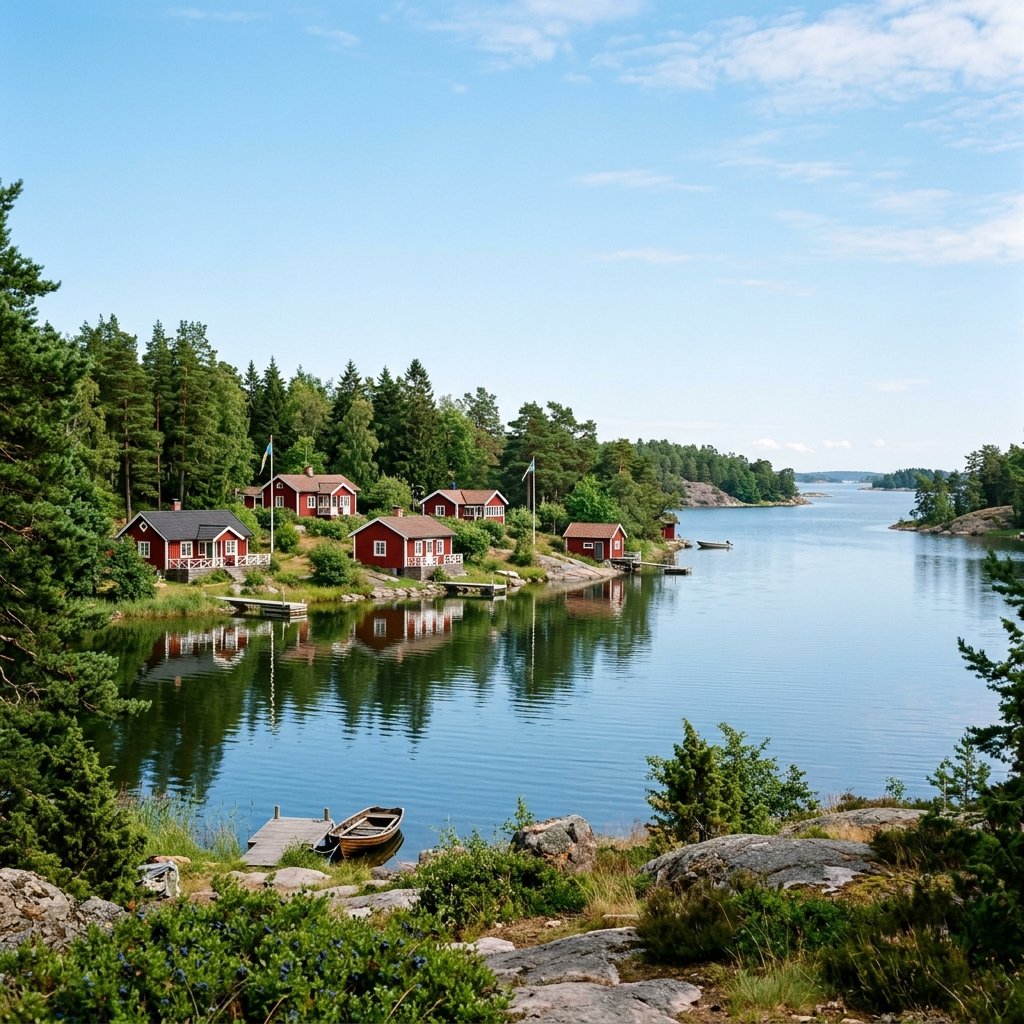
Reindeer are private livestock; reporting the accident is mandatory so herders can receive compensation. For scenic driving, explore the Archipelago Trail near Turku or the breathtaking Lakeland Route across the Pulkkilanharju ridge.
Surviving Cashless Finland: Contactless Card Taps & Tipping Etiquette
Finland is highly digitized and ranks as one of the world’s most advanced cashless societies. Visa, Mastercard, Apple Pay, and Google Pay are universally accepted, even for tiny amounts at local vegetable markets or remote wilderness cafes. Many urban cafes, boutiques, and bars operate on a strict “No Cash” (Kun kort) card-only policy. The official currency is the Euro (€), and carrying physical cash is rarely necessary. Tipping is not expected or required in Finland under any circumstances, as service charges are legally included in bills and staff are paid fair, liveable wages. Card terminals may show a tip prompt during payment, but choosing ‘No Tip’ is completely standard. If you wish to reward outstanding service, rounding up the bill to the nearest €5 or €10 is appreciated but entirely optional.
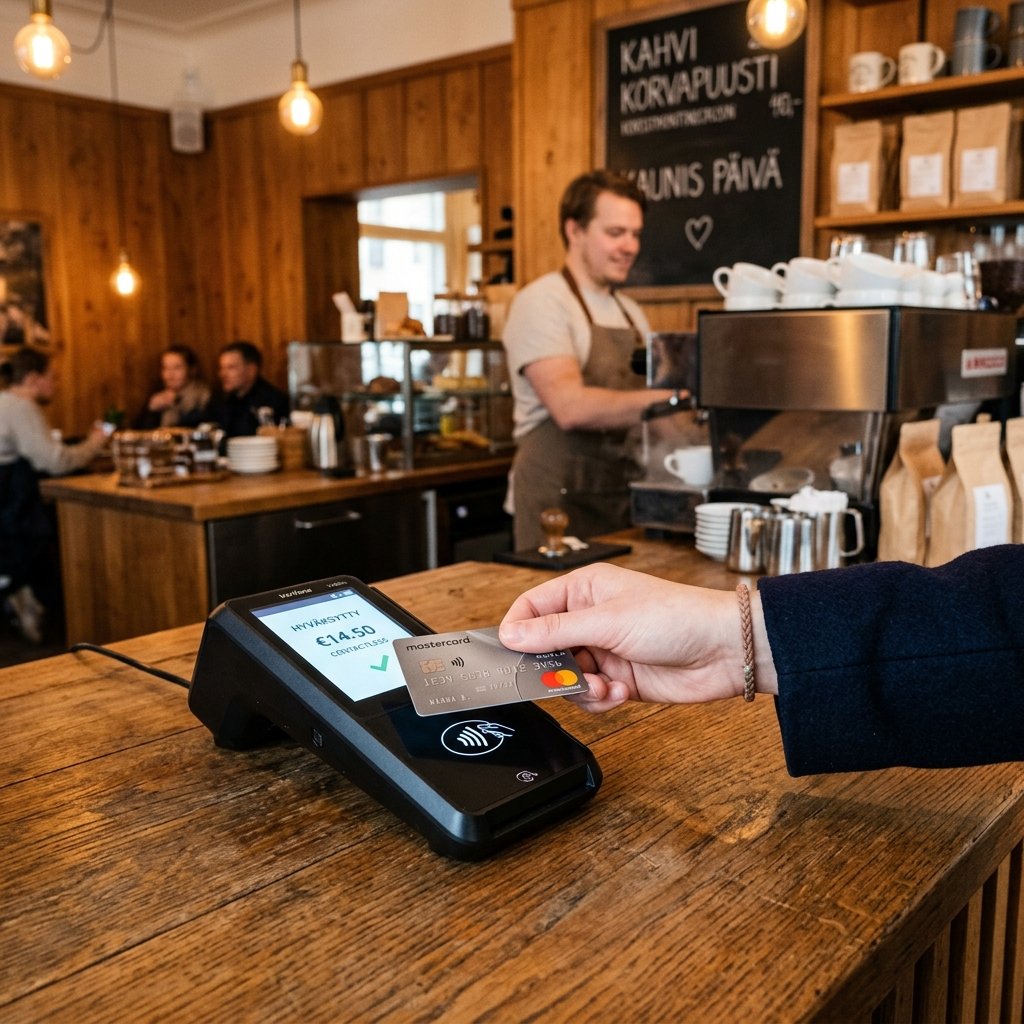
Traditional Finnish Gastronomy: Rye Bread, Salmon Soup & Coffee Culture
While exploring the local markets, trying traditional Finnish food is a must. Savor Karjalanpiirakka (Karelian pasty made of rye crust filled with rice porridge or potato, eaten with munavoi/egg butter), Lohikeitto (creamy salmon soup with potatoes, leeks, and fresh dill), and Leipäjuusto (squeaky cheese served warm with cloudberry jam). These delicious local culinary treats can be easily purchased at cashless street markets and cozy bistros. To find the best food spots in Helsinki and read customer reviews, always ensure your phone is connected to high-speed data.

R-Kioski Prepaid SIMs: Non-Resident Physical Registration Hürden
Constant connectivity is essential to navigate Finland’s mobile ticketing, search maps in Lapland, or check winter weather alerts. Finland is served by three major networks: Elisa (broadest geographic coverage, especially in rural national parks), DNA (exceptional speeds in cities), and Telia Finland (robust network with seamless Nordic roaming). Unlike many EU nations, Finland does not require identity registration or passport scans to buy a tourist prepaid SIM card. You can purchase a prepaid starter pack anonymously at any R-kioski convenience kiosk. However, managing plastic cards or searching for kiosks in a foreign language is a hassle. A digital Finland eSIM allows you to purchase and install a plan before you depart, ensuring instant 5G connectivity the moment you step off the plane.
eSIM Connectivity: Instant 5G Access on Elisa & Telia Networks
Get Your Finland Travel eSIM Today
Tested & Verified: During our hands-on test in Finland, we used an eSIM on an iPhone 15 Pro. We experienced high-speed connectivity on Elisa (average 85 Mbps) near Helsinki. Commuting using HSL card and transit systems was extremely convenient.
Yes, getting an eSIM before arriving in Finland is highly recommended. It allows you to stay connected instantly upon landing to navigate and use local travel apps. For real-time travel tips and updates from locals in Helsinki, check out the r/finland community on Reddit.
Frequently Asked Questions (FAQ)
A: For the best experience, you can use an eSIM that runs on 4G/5G speeds up to 150 Mbps on Elisa or Telia Finland network.
A: You can find official visa and travel guidelines on the Official Finland Tourism Portal at visitfinland.com.
A: Yes, getting an eSIM before arriving in Finland is highly recommended. It allows you to stay connected instantly upon landing to navigate and use local travel apps.
 Finland eSim