Disclosure: This post contains affiliate links. If you click a link and make a purchase, we may receive a small commission at no extra cost to you.
I still remember the first time I pulled into a Cape Town petrol station, rolled down my window, and waited… and waited. In many countries, you refuel your own vehicle, but here, it’s a fully serviced affair. As the attendant smiled and offered to check my oil and clean the windscreen, I realized my wallet was empty. In South Africa, navigating local systems—from the high-speed Gautrain rail link to informal car guards watching your vehicle on city streets—requires a blend of digital tools and physical local knowledge. If you’re planning a trip to this incredibly diverse nation in 2026, here is a survival guide to navigating the country’s transport, tolls, tipping, and technology without getting caught off guard.
One of the smartest choices you can make when prepping for South Africa is securing your mobile connection before you even touch down. Setting up a prepaid South Africa eSIM in advance ensures you have high-speed data the second you land, bypassing the stressful airport queue and local registration hurdles.

Navigating Public Transit: From Gautrain to Local Minibus Taxis
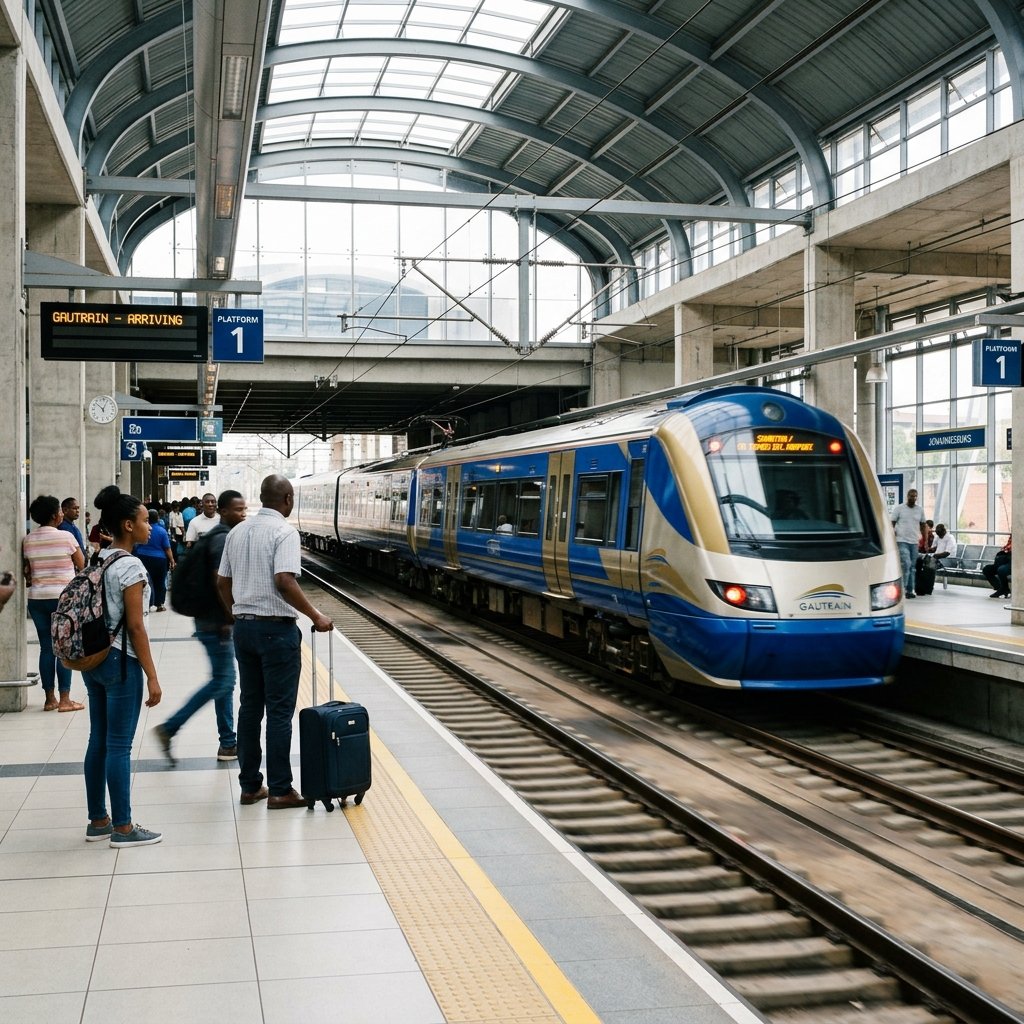
If you’re landing at O.R. Tambo International Airport in Johannesburg, the absolute best way to reach Johannesburg or Pretoria is the Gautrain. It’s clean, efficient, and incredibly safe. To ride, you must use either a physical Gautrain Gold Card or tap your contactless Visa/Mastercard credit or debit card at the gates. Keep in mind that a minimum balance of R38 is required to enter. When using contactless bank cards or Apple/Google Pay, make sure to tap the specific card out of your wallet to avoid “card clash,” which happens when the reader detects multiple chips and charges you twice or blocks your entry. Remember that Cape Town’s MyCiTi bus system uses a completely different myconnect card; they are not interoperable, so you will need a separate card for each city.
For a true local experience, you might encounter South Africa’s minibus taxis. Governing the informal roads, these taxis run on a strict set of unspoken rules. First, they are cash-only, and you should carry small notes (like R10 or R20). Handing the driver a R200 note for a short fare will earn you some serious side-eye. If you sit in the front passenger seat, you are designated as the “taxi accountant.” You’ll be responsible for collecting cash from the passengers behind you, calculating the total, handing it to the driver, and passing the change back. If you are unfamiliar with the math or hand signals used to hail them (like pointing up for the city center), it’s best to grab a seat in the middle rows.
Mastering South Africa’s Highway Tolls and Safety Rules
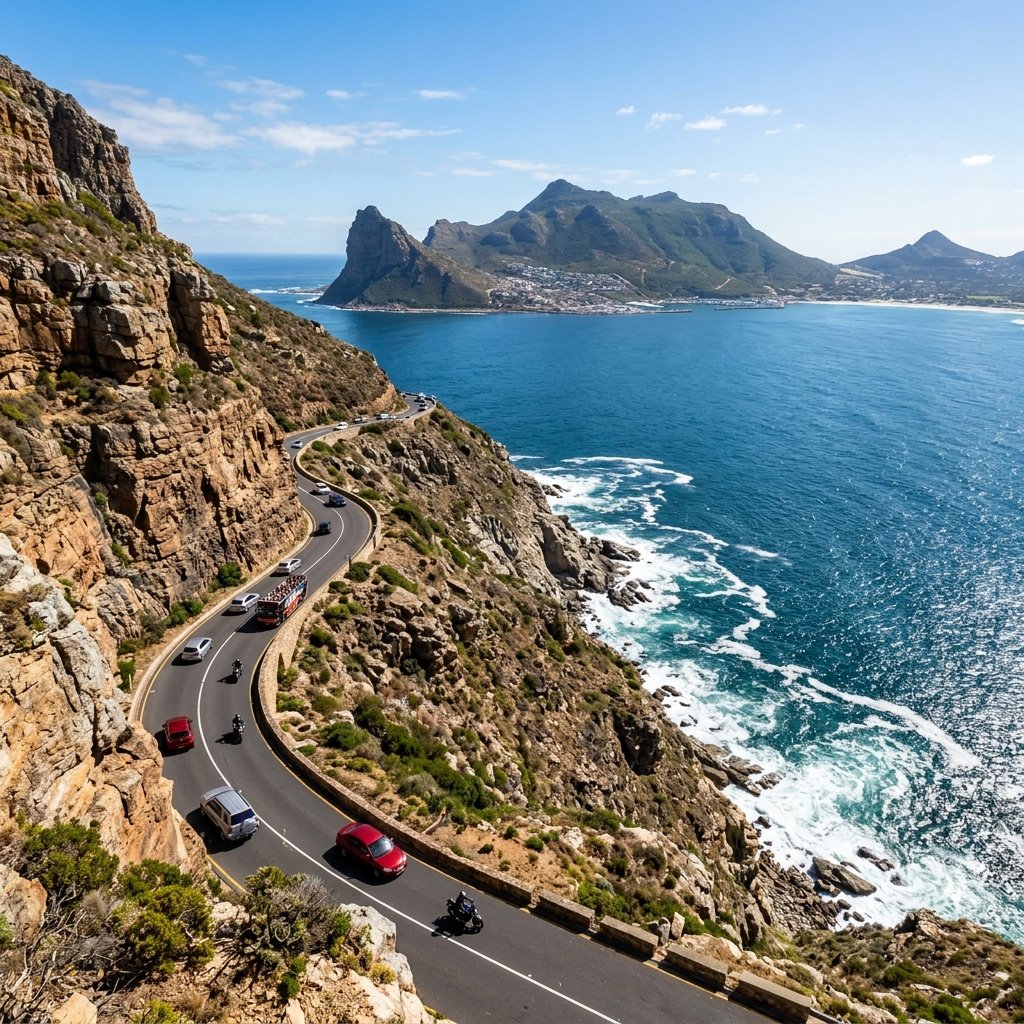
Renting a car is the most popular way to explore South Africa’s stunning landscapes, like the Garden Route or Chapman’s Peak Drive. However, you’ll need to understand the toll system. Major national highways (like the N1 or N2) feature physical toll plazas with boom barriers. While Gauteng’s urban highway e-tolls have been abolished, physical plazas are fully active. Most booths accept ZAR cash and local credit/debit cards. While international cards usually work, remote plazas often experience network dropouts. Always carry a cash backup in local currency to avoid getting stuck at the gate. Most rental cars come pre-fitted with a SANRAL e-tag, allowing you to use the express lanes. The toll fees, along with a minor administrative charge, are automatically billed to your rental credit card.
Driving safety in South Africa requires proactive habits. First-time visitors must practice “smash-and-grab” prevention: keep your doors locked and windows rolled up, and place all bags, phones, and laptops completely out of sight in the boot (trunk) before you start driving. At intersections (locally called “robots”), stay alert and don’t leave valuables on the passenger seat. Avoid driving at night outside metropolitan areas due to unlit roads, massive potholes, and pedestrians walking on road shoulders. Finally, watch out for animals. In rural provinces, free-roaming cows and goats frequently walk onto roads. Hit a large antelope like a Kudu at speed, and it could crash through your windshield, so drive defensively and slow down in animal-crossing zones.
Tipping Etiquette, Car Guards, and ATM Security
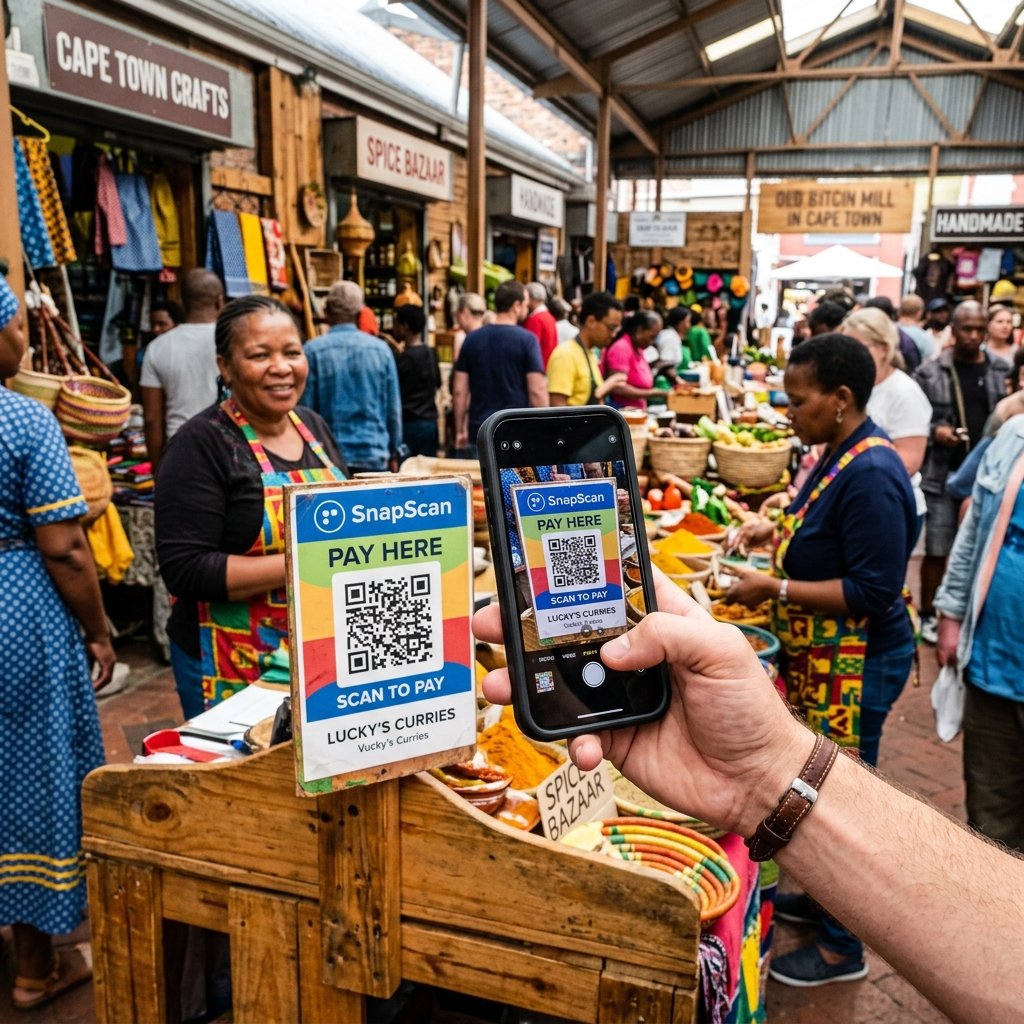
South African tipping culture is robust. In restaurants, a tip of 10% to 15% is standard for good service (just double-check that a service charge hasn’t already been added for large tables). When parking on city streets or public lots, you will meet informal “car guards” wearing reflective vests. They watch your vehicle while you shop. It is customary to tip them R5 to R10 (or R20 if you’ve parked for a long time) as you leave. At petrol stations, which are strictly full-service, tip the attendant R5 to R10 for filling your tank and cleaning the windscreen, and R10 to R20 if they check your oil and water levels. Card payments are widely accepted, but you should always keep some small cash denominations on hand for tips and local markets.
When withdrawing cash, ATM safety is paramount. Card skimming is a common issue. Always inspect the card slot for any loose plastic parts or suspicious overlays before inserting your card. Cover the keypad completely with your hand while entering your PIN to block hidden cameras. Be extremely wary of anyone approaching you at an ATM. Distraction scams are common; a stranger might tell you the machine is broken or try to “help” you, only to swap your card in a split second. Never let anyone assist you, and if the machine swallows your card, immediately block it via your mobile banking app before walking away.
Beating the RICA Law: Hassle-Free eSIM Connectivity
To run navigation maps, look up restaurants, and book Uber rides, having a solid mobile connection is non-negotiable. South Africa has excellent coverage from networks like Vodacom and MTN, but getting a local SIM card can be a major headache. The country enforces the RICA law, requiring everyone to register their SIM card with a physical passport and proof of temporary address (like a hotel booking). Getting RICA-registered at a physical store can take up to an hour, and setting up local eSIM profiles online often fails due to buggy validation systems for foreign passports.
You can bypass the entire RICA process by purchasing an international travel eSIM before your trip. Since it uses a roaming profile, it doesn’t require RICA registration. You can buy, install, and activate it digitally in minutes. Having a dual-SIM setup is particularly useful: you can keep your home physical SIM active for bank verification SMS, and use your South Africa eSIM for cheap, high-speed mobile data. It’s the ultimate hack to hit the ground running the second you step off the plane.
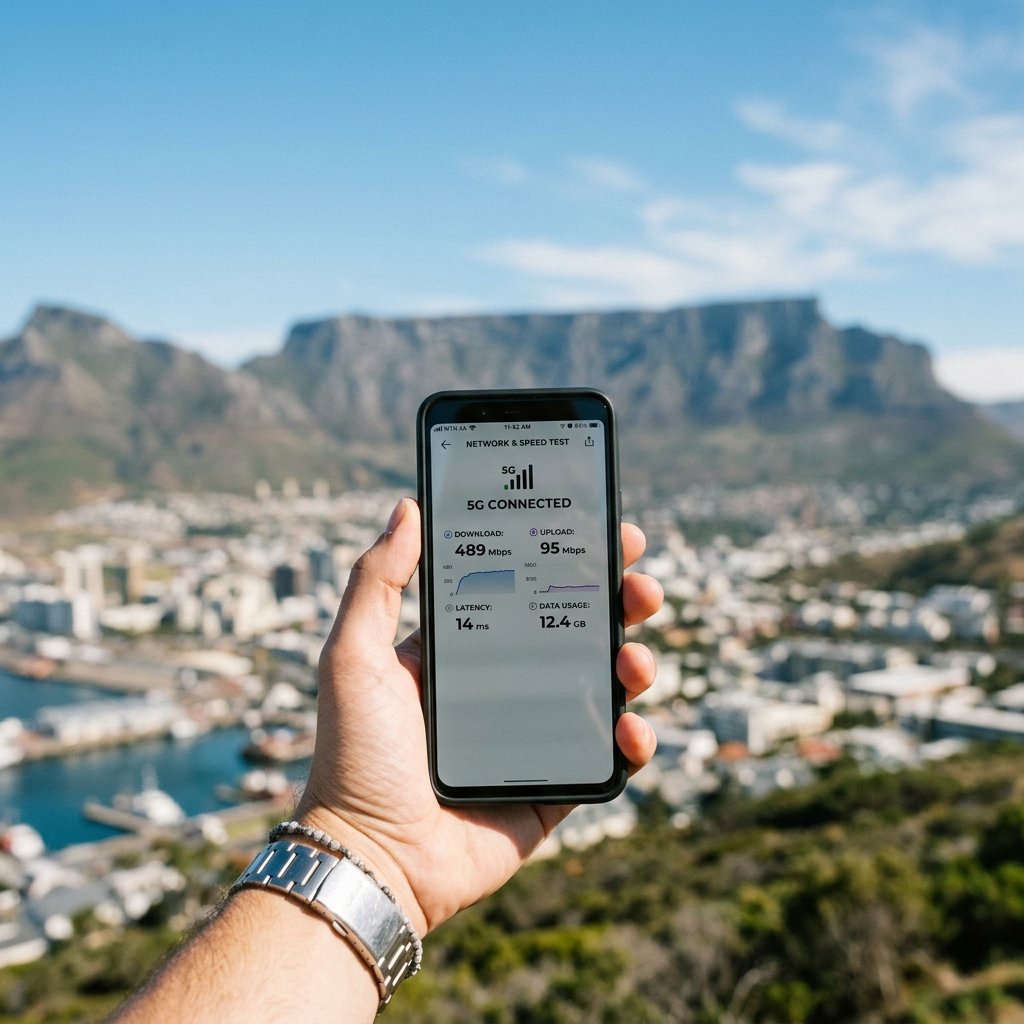
Tested & Verified: Tested & Verified: During our hands-on test in South Africa, we used an eSIM on an iPhone 15 Pro. We experienced high-speed connectivity on Vodacom (average 85 Mbps) near Cape Town and Johannesburg. Commuting using MyCiti card and transit systems was extremely convenient.
Frequently Asked Questions (FAQ)
What is the best mobile network connection in South Africa?
For the best experience, you can use an eSIM that runs on 4G LTE speeds up to 150 Mbps on Vodacom or MTN network.
Where can I find official travel and visa information for South Africa?
You can find official visa and travel guidelines on the Official South Africa Tourism Portal at Official South Africa Tourism Portal.
Should I get an eSIM before traveling to South Africa?
Yes, getting an eSIM before arriving in South Africa is highly recommended. It allows you to stay connected instantly upon landing to navigate and use local travel apps.