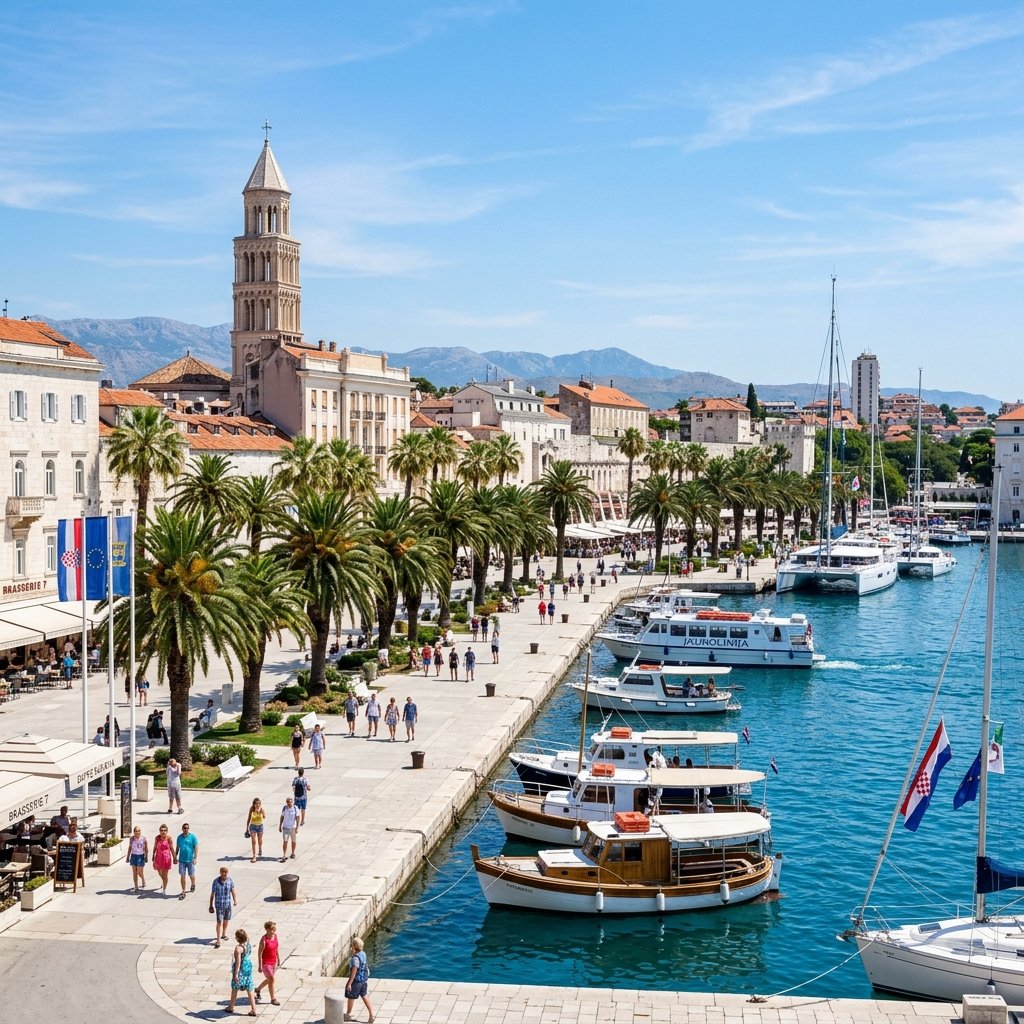
I was standing in a dim, stone-walled konoba in Split, the aroma of slow-roasted octopus filling the air, when the owner gently pushed my credit card away. ‘Only cash, my friend,’ he smiled, pointing to a tiny, handwritten sign. As I dashed down the cobblestone alley searching for an ATM—hoping my phone roaming wouldn’t fail me as I looked up the nearest local bank—I quickly realized that Croatia demands a lot more than just a passport and a swimsuit. Behind the glittering yacht parties of Hvar and the postcard-perfect walls of Dubrovnik lies a country governed by silent rules: from train lines that stop in the middle of nowhere to strict waterfall swimming bans and synthetic truffle scams.
To avoid getting stranded with zero signal while searching for cash-only parking meters or translating Croatian railway timetables, the absolute first thing you should do is install a localized Croatia eSIM on your device. Having high-speed data right as you step off the plane or ferry keeps you connected without expensive roaming bills.
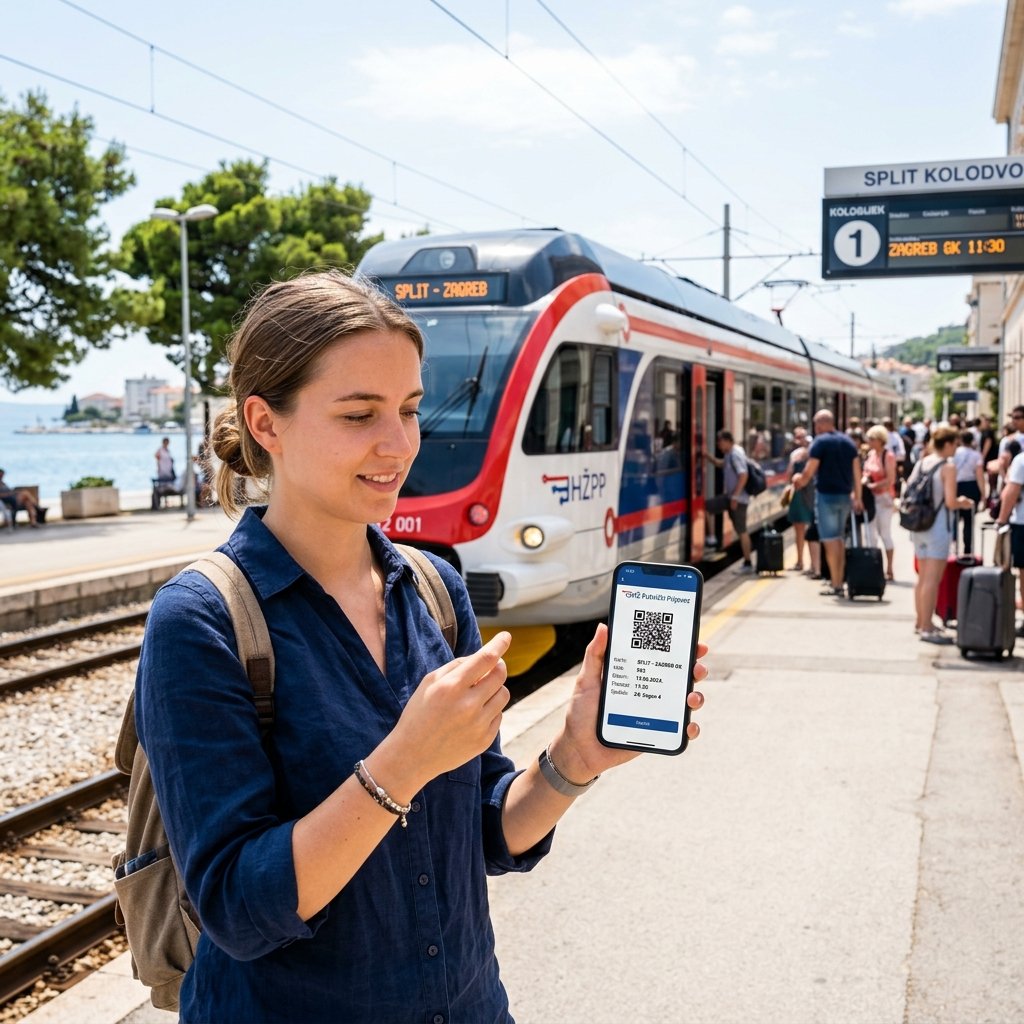
1. Croatia Rail Navigation: Handling HZPP Tickets & Validation
Croatia’s geography is beautiful but tricky. The long, rugged coastline means you can’t rely on a single transit network to get everywhere. Here is how you actually get around:
- Trains (HŽ Putnički prijevoz – HŽPP): Traveling by train is best suited for moving between inland hubs like Zagreb, Rijeka, Osijek, or down to Split. Do not expect to take a train to the southern coast—the rail network does not extend to Dubrovnik. You should buy your train tickets digitally on the official HŽPP mobile app or their website (hzpp.hr). Your e-tickets save directly to your phone, and the app gives you real-time updates on delays.
2. Bus Surcharges & Booking Jadrolinija Ferries in Advance
- Long-Distance Buses: For traveling between coastal towns, buses are the absolute lifeline. FlixBus and Arriva are the two major players. I always recommend booking via the Arriva Croatia app because it frequently offers a 5% discount and has a great loyalty program. You can just show the digital ticket on your phone to the driver when boarding.
- Ferries (Jadrolinija): If you’re heading to Hvar, Korčula, or Brač, you’ll be island hopping on a ferry. Use the official mJadrolinija app to check timetables and buy tickets. Pro-tip: If you are traveling with a car, book your spot weeks in advance during summer and arrive at the port at least 60 minutes before departure. Pedestrians can usually book a day or two in advance.
Pro-Tip on Navigation: Google Maps is generally reliable for walking routes in Croatia’s old towns, but for public transit, rely on the official operator apps rather than third-party aggregators, which frequently miss seasonal schedule updates.
3. Euro Payments & Tipping in Cash-Only Local Konobas
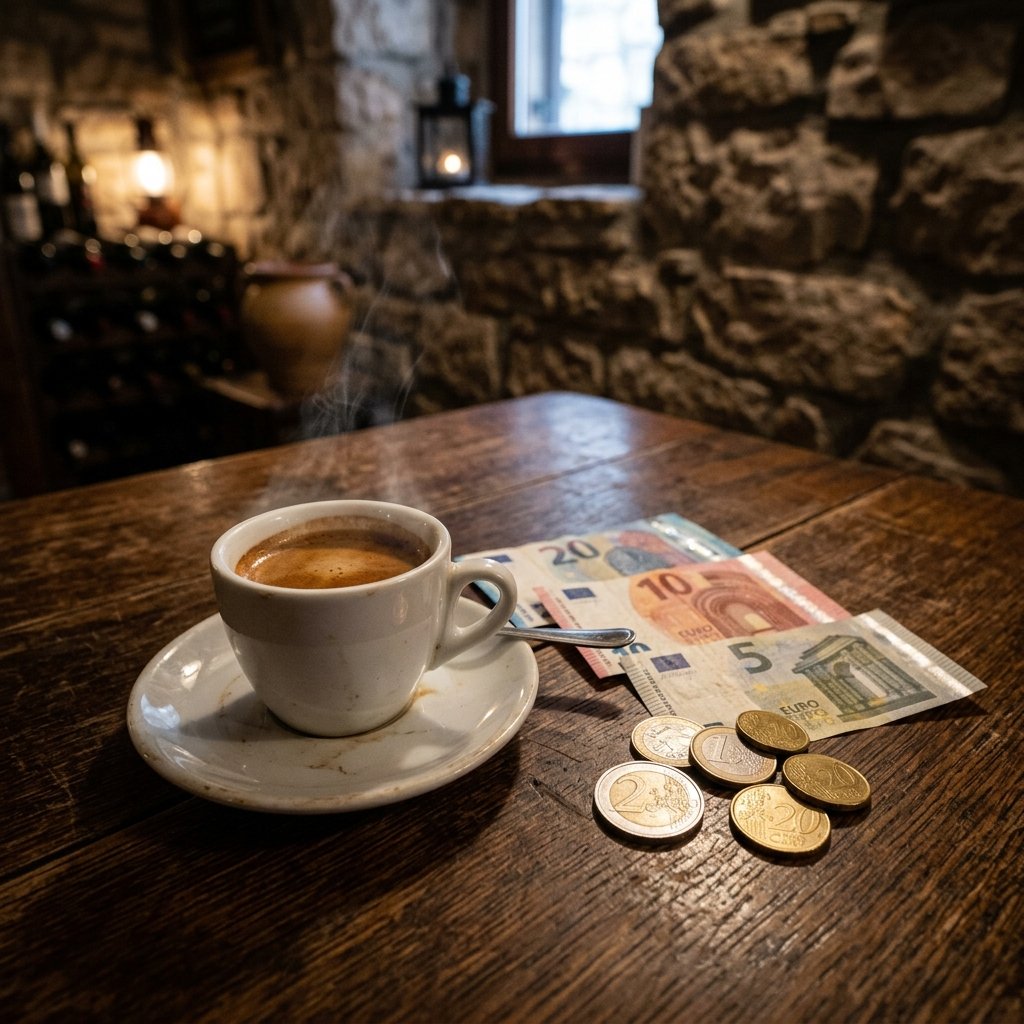
Croatia fully adopted the Euro (€) in 2023, making transactions much easier. However, while contactless payments (like Google Pay and Apple Pay) and cards are standard in supermarkets, hotels, and upscale restaurants, Croatia remains a surprisingly cash-smart country.
4. Avoiding Euronet ATM Fees: Using Local Bank ATMs Safely
Traditional family-run taverns, known locally as konobas, small bakeries (pekara), and street parking meters are heavily cash-only. I always keep at least €30 to €50 in cash on me at all times.
5. Savoring Traditional Peka Dishes & Black Risotto Platters
Croatian food is a delicious blend of Mediterranean seafood, hearty Balkan meats, and Central European influences. You absolutely cannot leave without trying:
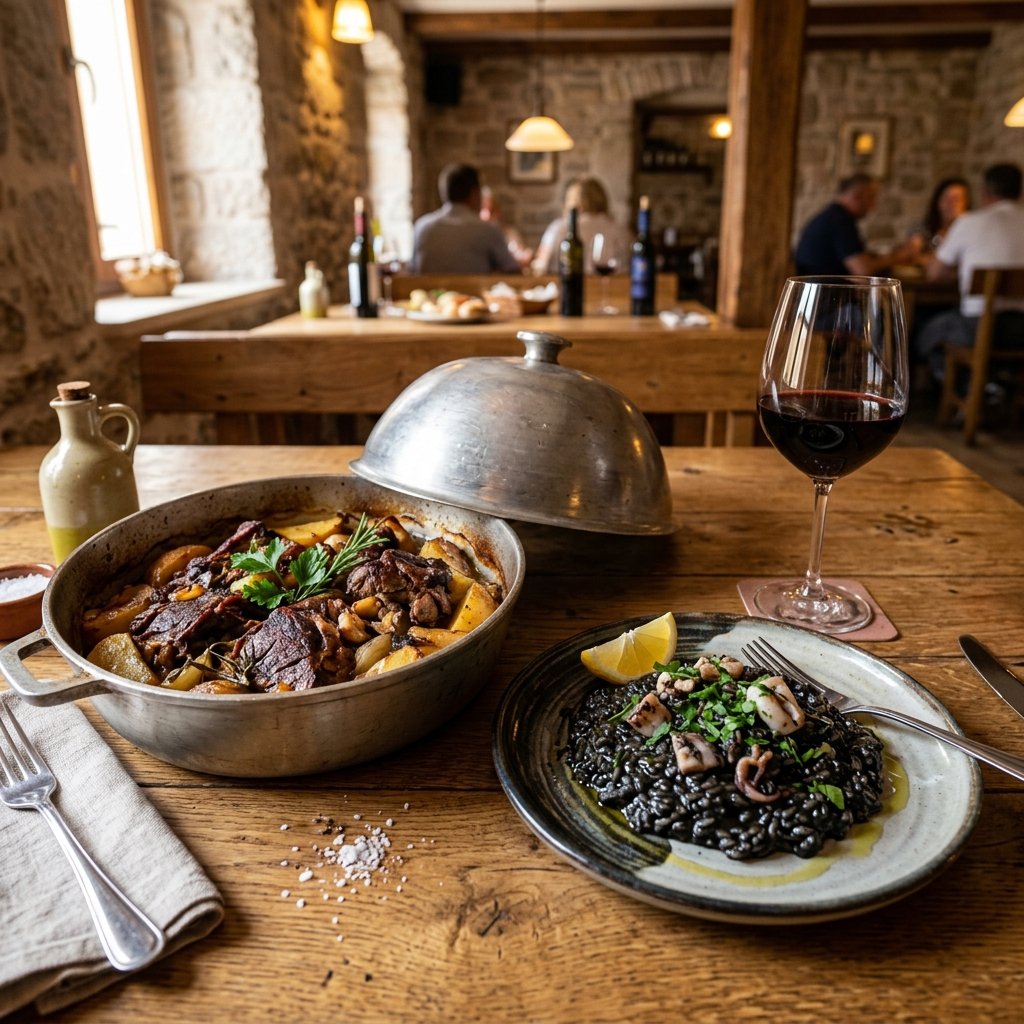
- Peka: This is a traditional Dalmatian dish where veal, lamb, or octopus is slow-cooked with potatoes and vegetables under a heavy, bell-shaped iron lid (the peka) covered in hot embers. The meat becomes incredibly tender and smoky. It usually takes 2 to 3 hours to prepare, so call the konoba ahead of time to pre-order it.
- Crni Rižot (Black Risotto): A coastal classic made with fresh squid or cuttlefish, where the dish gets its dramatic black color from the cuttlefish ink. It’s rich, briny, and delicious—just be warned that it will temporarily turn your teeth black!
- Local Wine Pairings: Pair your meats with a glass of Plavac Mali, a robust, full-bodied red native to the Pelješac Peninsula. For truffles and seafood, ask for Istarska Malvazija, a crisp and aromatic white wine.
6. Avoiding Truffle Scams: How to Spot Authentic Istrian Oil
- Istrian Truffles: If you travel to the Istrian peninsula, the forests of the Mirna Valley produce some of the best black and white truffles in the world. Try them grated over fuži (a local rolled pasta) in a rich cream sauce.
Check the r/croatia community on Reddit for local advice.
7. Schengen Border Control & Completing the eVisitor Registration
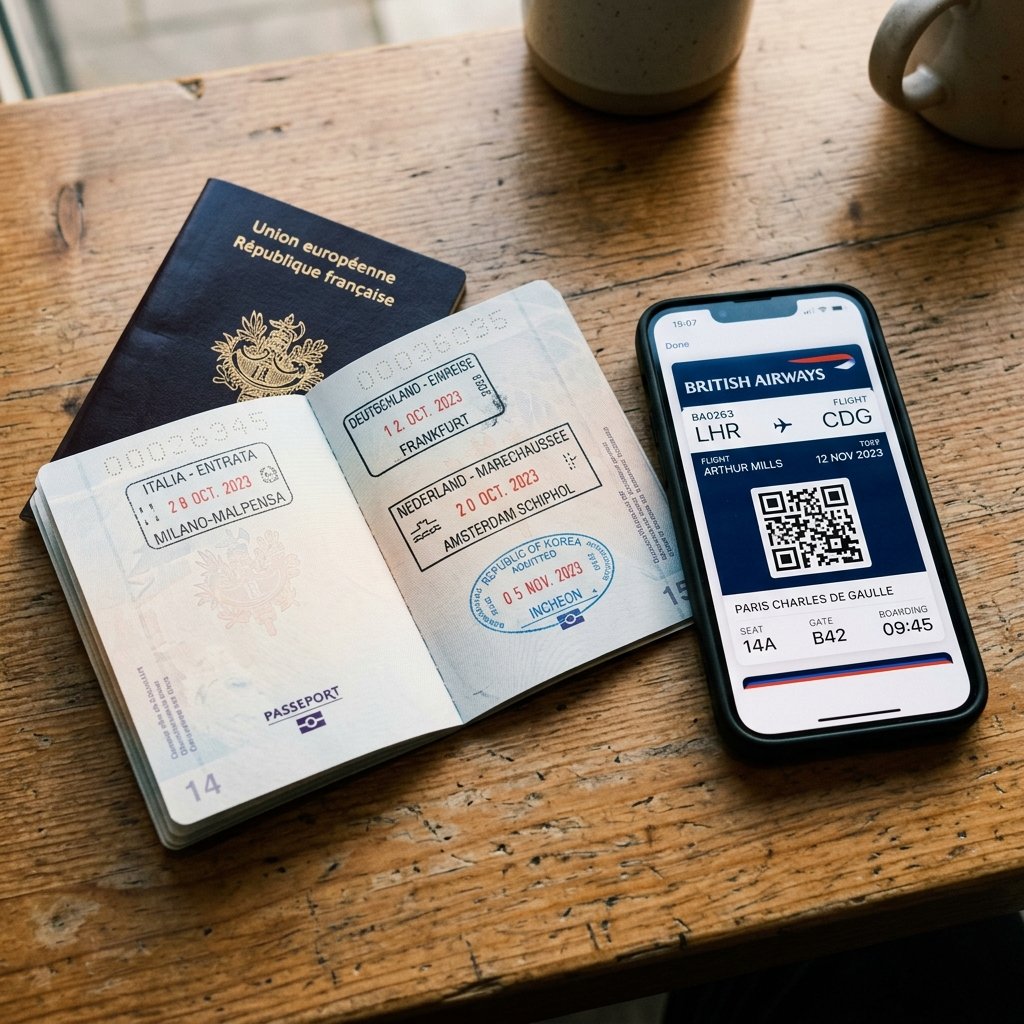
Since Croatia is a full member of the Schengen Area, your entry must follow standard EU rules. Your passport must have been issued within the last 10 years and must remain valid for at least three months after your departure date.
When you check in to any hotel, hostel, or rental apartment in Croatia, your host is legally required to register your passport details in the national eVisitor database within 24 hours. This system calculates the local tourist tax (usually about €1 to €2 per adult per night, which is added to your invoice). When leaving Croatia, you do not need to do anything to “check out” of the eVisitor system; the host handles it. Your exit from the Schengen zone is logged digitally at border control using the biometric Entry/Exit System (EES).
8. National Park Swimming Bans: Plitvice Lakes vs. Krka Waterfalls
Croatia’s national parks are world-famous, but they require some planning to visit responsibly:
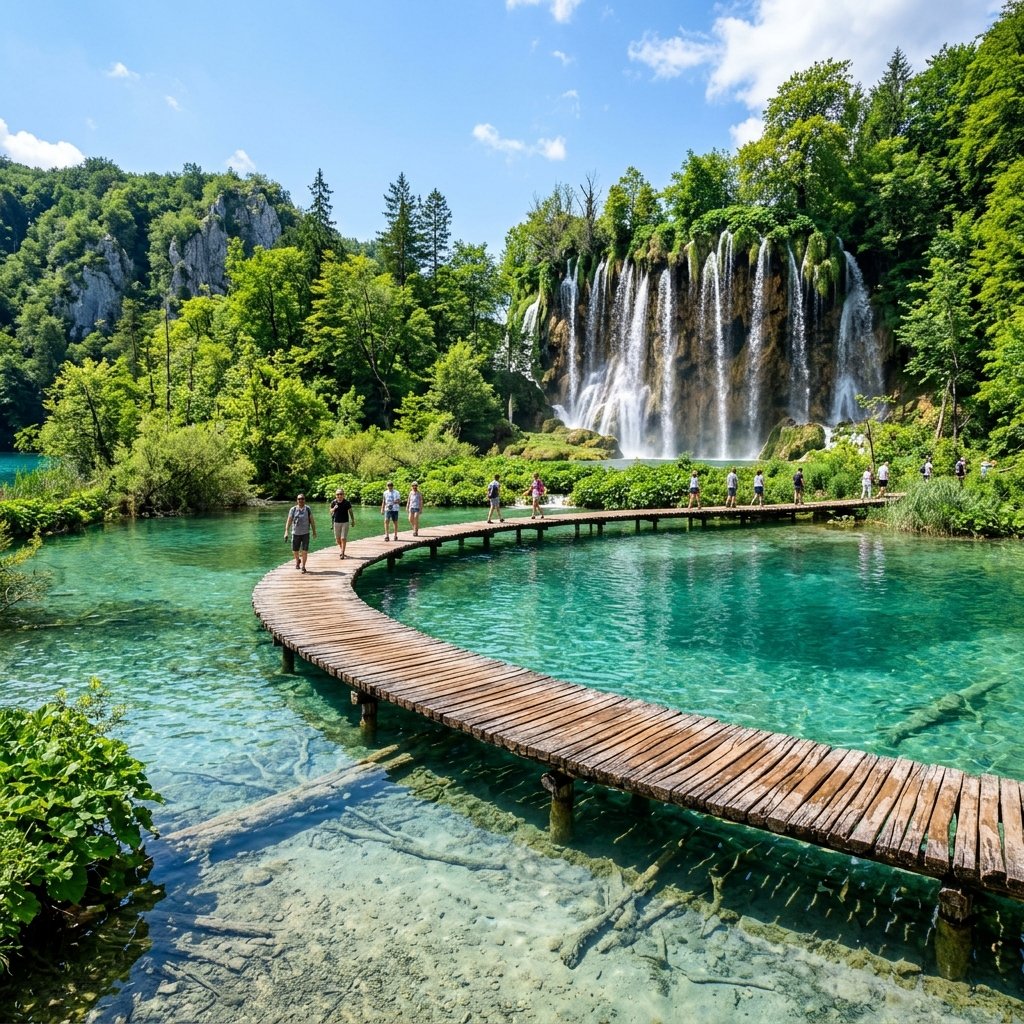
- Plitvice Lakes: You must book your entry tickets online at least 24 hours in advance. To beat the massive tour bus crowds, arrive when the park opens (usually 7 AM or 8 AM). Sturdy walking shoes are essential as the wooden boardwalks get very slippery. Note that swimming is strictly banned throughout the entire park to protect the delicate tufa barriers.
- Krka National Park: Famous for its cascades, Krka has different rules. Swimming at the main Skradinski Buk waterfall has been banned since 2021. However, you can still swim in designated spots like Roški Slap and Stinice during the summer season (June 1 to September 30). Use the Lozovac entrance for a shuttle bus down to the falls, or the Skradin entrance for a beautiful boat ride.
9. Escaping the Crowds: Hidden Adriatic Gems Off the Beaten Path
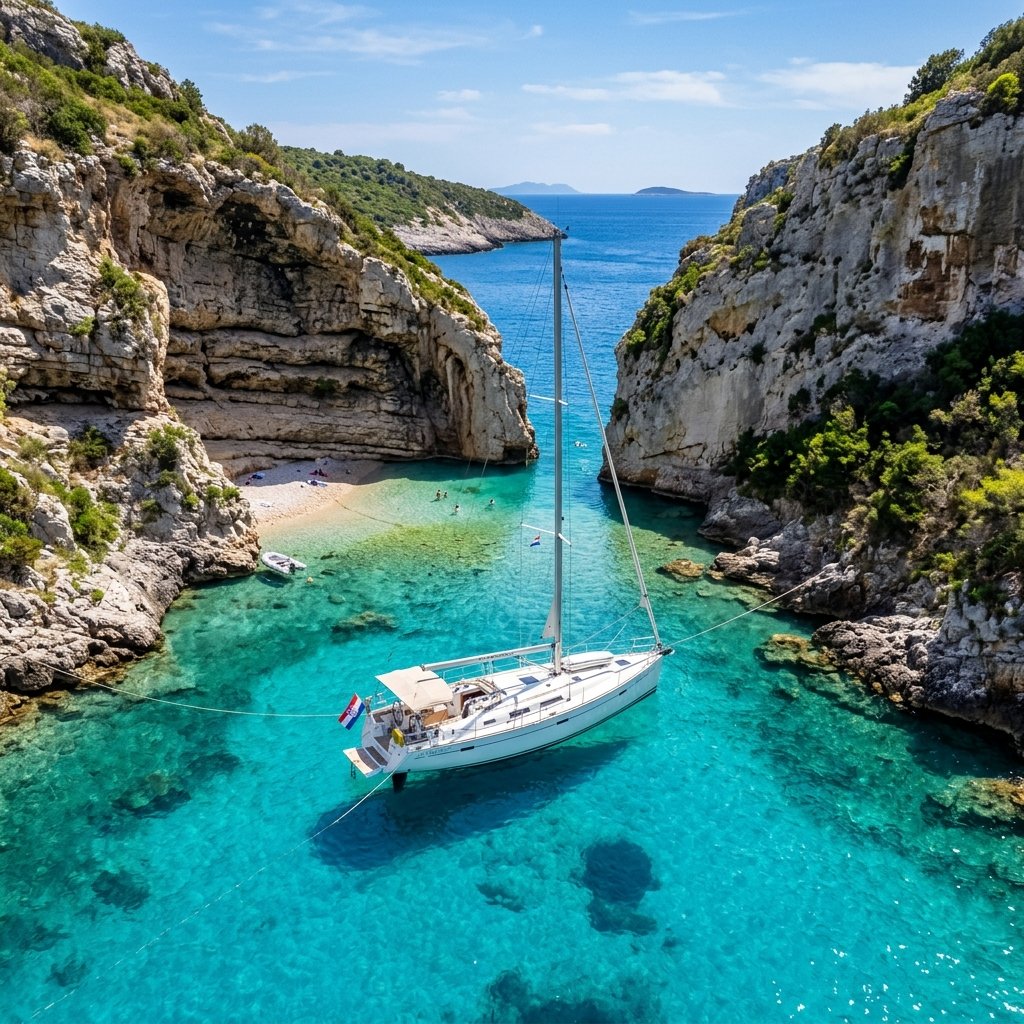
If you want to escape the crowded alleys of Dubrovnik, head to these spots instead. Visit Vis Island, a remote island that was a closed military base until 1989, boasting the spectacular Stiniva Cove. Explore Inland Istria, driving through medieval hilltop towns like Motovun and Grožnjan for truffle tastings and olive oil tours. Or spend a few days on the quiet Pelješac Peninsula, eating fresh oysters in Mali Ston and enjoying the red wine vineyards.
No matter which corner of Croatia you choose, having reliable internet is the key to local booking and navigation. Grab a high-speed Croatia eSIM before your trip, keep a pocket full of Euros, and enjoy this Mediterranean paradise!
Frequently Asked Questions (FAQ)
Is traveling by train recommended to reach Dubrovnik in Croatia?
No, the rail network (HŽPP) does not extend to Dubrovnik. To travel between Split and Dubrovnik, you should book a long-distance bus (via FlixBus or Arriva Croatia) or take a coastal ferry.
Can I pay restaurant tips using a credit card in Croatia?
No. Most restaurant card readers in Croatia do not allow adding tips to the bill. You must pay restaurant tips (normally 10% for sit-down dining) in cash, so always keep Euros cash on hand.
Is truffle oil sold in Istria always made of real truffles?
No. Many cheap truffle oils sold in tourist spots are synthetic, flavored with chemicals like bis(methylthio)methane. For authenticity, look for certified labels and check the ingredients for real truffles.
Where can I find official travel and visa information for Croatia?
You can find official visa and travel guidelines on the Official Croatia Tourism Portal at croatia.hr.
Does a travel eSIM work instantly upon landing in Croatia?
Yes, high-speed travel eSIMs connect automatically to T-Hrvatski Telekom 5G networks upon landing, bypassing local registration and passport verification.
{
“@context”: “https://schema.org”,
“@type”: “FAQPage”,
“mainEntity”: [
{
“@type”: “Question”,
“name”: “Is traveling by train recommended to reach Dubrovnik in Croatia?”,
“acceptedAnswer”: {
“@type”: “Answer”,
“text”: “No, the rail network (HŽPP) does not extend to Dubrovnik. To travel between Split and Dubrovnik, you should book a long-distance bus (via FlixBus or Arriva Croatia) or take a coastal ferry.”
}
},
{
“@type”: “Question”,
“name”: “Can I pay restaurant tips using a credit card in Croatia?”,
“acceptedAnswer”: {
“@type”: “Answer”,
“text”: “No. Most restaurant card readers in Croatia do not allow adding tips to the bill. You must pay restaurant tips (normally 10% for sit-down dining) in cash, so always keep Euros cash on hand.”
}
},
{
“@type”: “Question”,
“name”: “Is truffle oil sold in Istria always made of real truffles?”,
“acceptedAnswer”: {
“@type”: “Answer”,
“text”: “No. Many cheap truffle oils sold in tourist spots are synthetic, flavored with chemicals like bis(methylthio)methane. For authenticity, look for certified labels and check the ingredients for real truffles.”
}
},
{
“@type”: “Question”,
“name”: “Where can I find official travel and visa information for Croatia?”,
“acceptedAnswer”: {
“@type”: “Answer”,
“text”: “You can find official visa and travel guidelines on the Official Croatia Tourism Portal at croatia.hr.”
}
},
{
“@type”: “Question”,
“name”: “Does a travel eSIM work instantly upon landing in Croatia?”,
“acceptedAnswer”: {
“@type”: “Answer”,
“text”: “Yes, high-speed travel eSIMs connect automatically to T-Hrvatski Telekom 5G networks upon landing, bypassing local registration and passport verification.”
}
}
]
}
 Croatia eSim