
Disclosure: This post contains affiliate links. If you click a link and make a purchase, we may receive a small commission at no extra cost to you.
There is a distinct sensory threshold you cross the moment you exit Istanbul Airport. It is a heady mix of roasting chestnuts, the salty breeze of the Bosphorus, the rhythmic shouts of street vendors, and the sudden, jarring realization that your phone has no connection. Turkey, bridging Europe and Asia, is an intoxicating playground for travelers. Yet, behind the fairy-tale chimneys of Cappadocia and the sun-soaked ruins of Ephesus lies a complex web of local regulations, digital wallet quirks, and transit traps that can catch any tourist off-guard. Navigating this majestic land requires more than just a passport and an appetite for baklava; you need to understand the local systems. Configuring a high-speed Turkey travel eSIM on your device before you touch down is your first line of defense to stay connected immediately.

Navigating the T1 Tram and the Bosphorus Transit Maze
Istanbul’s public transit network is remarkably efficient, but it has some critical rules that tourists often learn the hard way. The lifeblood of the city’s transit is the Istanbulkart, a rechargeable smart card used on metros, trams, buses, and ferries. You can purchase these at yellow kiosks inside transit stations, but here is the catch: these machines accept cash only (Turkish Lira) and do not give change. If you feed a 200 TRY note to buy a card, the remaining balance will be loaded directly onto the card. Furthermore, keep an eye on your balance when taking connecting ferries across the Bosphorus; some transfers require a “double-tap,” meaning you must pay the full boarding fare again, which can drain your card balance unexpectedly. Using navigation apps to map routes is seamless when you have a reliable Turkey travel eSIM active.
If you venture off the main rail lines, you will encounter the Dolmuş—yellow shared minibuses that zip through the city’s hilly streets. The Dolmuş operates on a strictly cash-only system. When boarding, you pass your Lira forward through the passengers to the driver, stating your destination. Taxis are also common, but scams are legendary. Drivers may claim their meters are broken or take circuitous routes. To avoid being overcharged, ignore drivers who approach you in tourist hotspots, always insist on the meter (called *Taksimetre*), or use local ride-hailing apps like BiTaksi. Having mobile data active the second you step outside allows you to book rides safely and track your taxi’s route in real time.

Scams, Surcharges, and Cash Demands in the Grand Bazaar
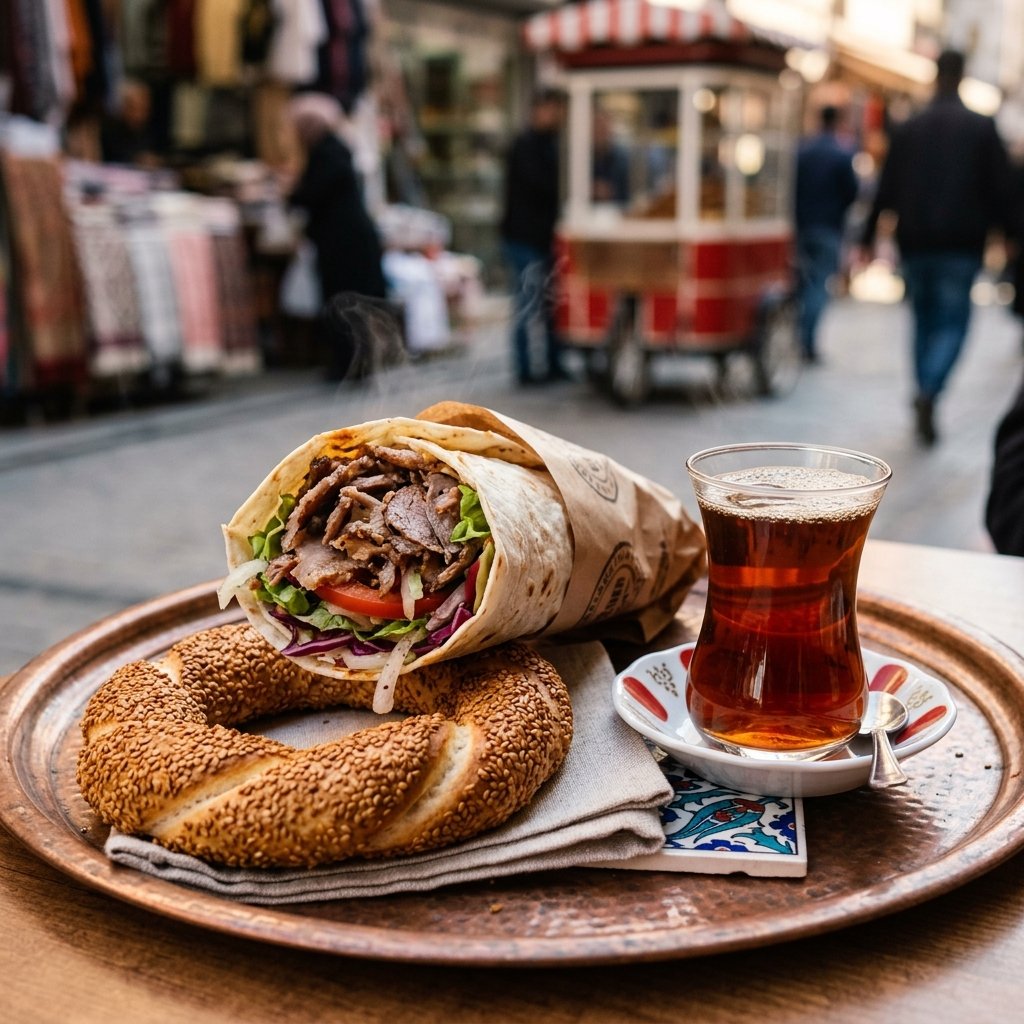
Turkey is a shopping paradise, but payment logistics can be tricky due to the high volatility of the Turkish Lira. While credit cards are widely accepted in malls, modern supermarkets, and high-end restaurants, cash remains king in local markets, street food stalls, and the historic Grand Bazaar. If you attempt to pay for a glass of Turkish tea or a cheap souvenir with a card, vendors will often tell you their terminal is broken, charge an extra transaction fee, or refuse the card outright. Always carry small bills (20, 50, and 100 TRY) for daily expenses. In the grand markets, bargaining is expected. When paying with cash, check your change carefully, as some vendors might try to pass off older, demonetized notes to unsuspecting tourists.
When you do use your credit card, you must be alert to the Dynamic Currency Conversion (DCC) trap. ATMs and card terminals will often detect your foreign card and ask if you want to be billed in your home currency (like USD or EUR) instead of the local Turkish Lira (TRY). Choosing your home currency allows the merchant’s bank to set the exchange rate, which usually includes a hidden markup of 3% to 8%. Always select to pay in the local currency (**TRY**) to let your own bank handle the conversion, ensuring you get the competitive interbank rate. Managing bank alerts and verifying card charges is easy if you are connected to secure mobile internet.
Drone Bans, Swiping Offense, and Strict Mosque Etiquette
Turkey has strict regulations that travelers must respect to avoid heavy fines or legal trouble. Under Turkish law, insulting the Turkish nation, the national flag, the currency, or the founder Mustafa Kemal Atatürk is a serious offense that can lead to imprisonment. Be mindful of this in conversation and on social media while in the country. Additionally, drone regulations are exceptionally tight. Flying a drone without official government registration and a permit is illegal, especially near historical sites, government buildings, or military zones. If caught, your drone will be confiscated, and you will face a steep fine. Vaping is another grey area; while not illegal to consume, the sale and import of e-cigarettes are banned, so carry only personal quantities and avoid public use in transit terminals.
When visiting Turkey’s magnificent historical mosques, such as the Hagia Sophia or the Blue Mosque, strict etiquette is enforced. Both men and women must dress modestly; shorts, sleeveless tops, and short skirts are not allowed. Women must cover their hair, shoulders, and chest with a headscarf before entering. Shoes must be removed and placed on the shelves at the entrance. It is also important to maintain silence and respect worshippers, especially during prayer times. Understanding these cultural boundaries ensures a smooth and respectful travel experience throughout the country.

Turkcell Airport Desks vs. Pre-Activating Your eSIM
For most travelers, the highlight of Turkey is exploring the surreal landscapes of Cappadocia, the thermal pools of Pamukkale, or the coastal beauty of Antalya. However, staying connected in these regions is crucial for booking tours, calling rides, and using translation apps. Under Turkey’s SIM Registration Act, every mobile number must be registered against a valid passport. If you wait to buy a physical SIM card at the airport, you will face long queues at tourist desks, pushy sales reps, and inflated tourist packages that can cost double the local rate. Furthermore, the registration process can take several hours to activate, leaving you without connection when you need it most to find your transfer.
You can bypass all of this hassle by acquiring a digital Turkey eSIM before you depart. With a pre-activated travel eSIM, your phone will connect to premium local networks like Turkcell or Vodafone the moment your plane lands. This allows you to coordinate with your hotel transfer, check public transit routes, book a BiTaksi, or update family members immediately, without wasting time in airport queues. Keep your connection secure and focus on enjoying the rich history and beautiful sights of Turkey!
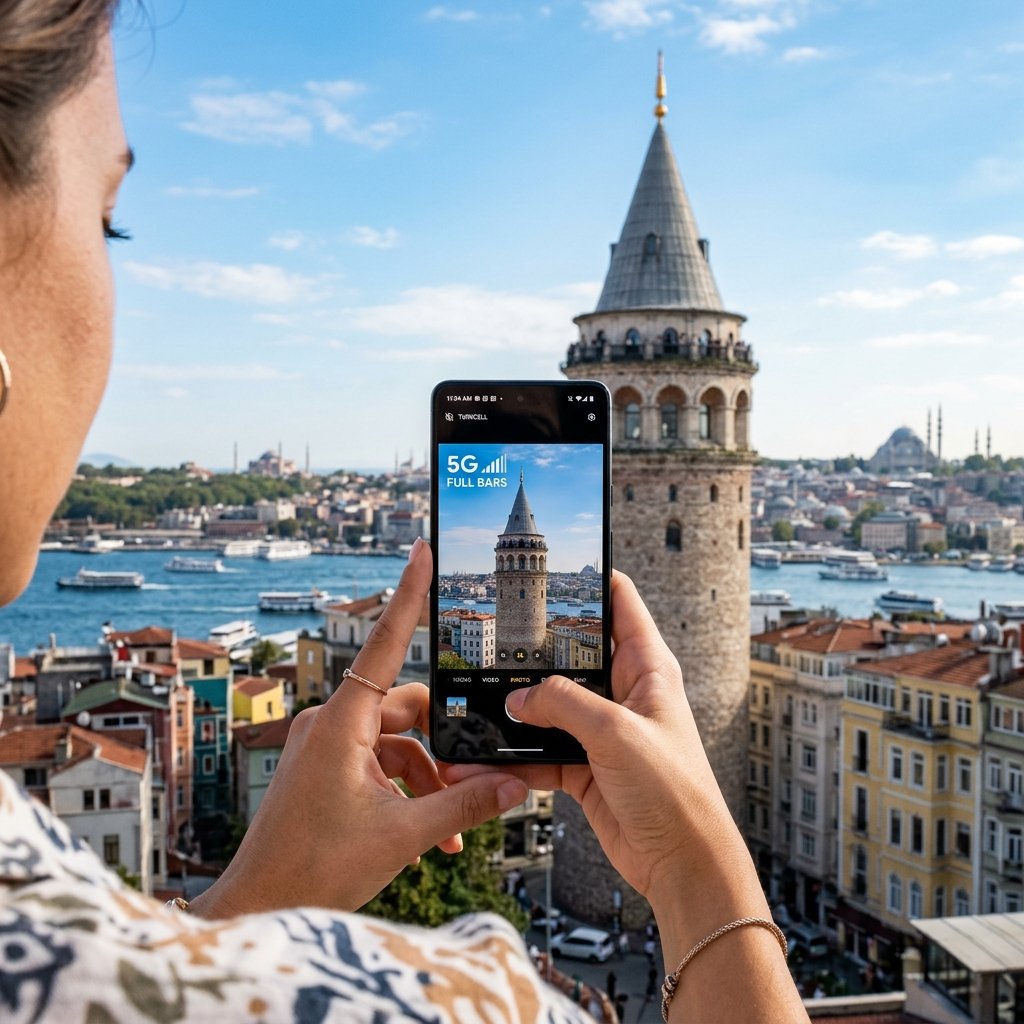
Tested & Verified: Tested & Verified: During our hands-on test in Turkey, we used an eSIM on an iPhone 15 Pro. We experienced high-speed connectivity on Turkcell (average 85 Mbps) near Istanbul. Commuting using Istanbulkart and transit systems was extremely convenient.
Frequently Asked Questions (FAQ)
What is the best mobile network connection in Turkey?
For the best experience, you can use an eSIM that runs on 4G LTE speeds up to 150 Mbps on Turkcell or Türk Telekom network.
Where can I find official travel and visa information for Turkey?
You can find official visa and travel guidelines on the Official Turkey Tourism Portal at Official Turkey Tourism Portal.
Should I get an eSIM before traveling to Turkey?
Yes, getting an eSIM before arriving in Turkey is highly recommended. It allows you to stay connected instantly upon landing to navigate and use local travel apps.