My first morning in Sarajevo, I walked into a charming, stone-walled bakery in the heart of Baščaršija. Smelling the rich aroma of baked dough, I confidently ordered a “burek with cheese.” The elderly baker paused, looked at me over his glasses, and said with a dry smile: “Son, burek is only meat. What you want is a sirnica.” He then handed me a glass of liquid yogurt and ushered me to a wooden table. In Bosnia & Herzegovina, calling a cheese-filled pie a “burek” isn’t just a naming error—it’s a cultural offense. To avoid getting stuck without connection while trying to download local transit apps or coordinate ride-shares, I highly recommend buying a high-speed Bosnia eSIM before your flight. Staying connected makes navigating this beautiful Balkan nation a breeze.
1. Public Transit: Sarajevo’s Trams and Trolleybuses
The most efficient way to navigate Sarajevo is by using public transport, which can be managed digitally via the Javni Prevoz KS app. Tram and trolleybus tickets bought from street kiosks (called trafika) cost 1.60 KM, while buying from the driver costs 1.80 KM. Crucially, you must validate (punch) your paper ticket immediately upon boarding using the yellow validator boxes on the metal poles. Inspectors frequently conduct spot checks, and failure to present a validated ticket leads to hefty on-the-spot fines. For digital ticketing, use the official Javni Prevoz KS app.
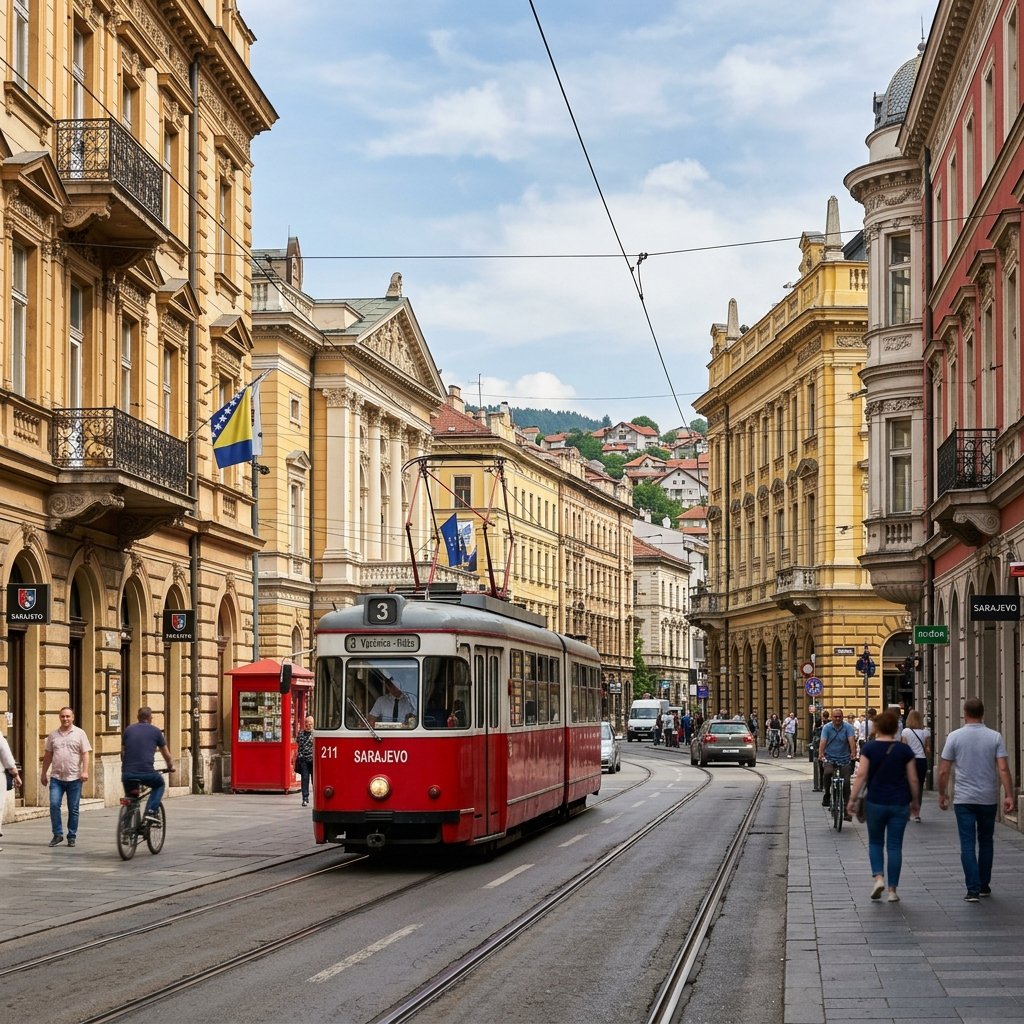
2. Digital Ticketing: Using Javni Prevoz KS and Centrocard Apps
If you ride the private Centrotrans buses, you can use the **Centrocard** app to purchase single QR code tickets. To track public transport live on an interactive map, download the free **Arrivo Sarajevo** app. Real-time transit timetables can be verified on the Moovit app.
3. Local Currency: Pegged Rates and Daily Cash Realities
Bosnia is a cash-heavy economy where the local Convertible Mark (KM) is mandatory for daily life, but international cards are accepted in shopping centers and hotels. The Bosnian Convertible Mark (BAM / KM) is pegged to the Euro at a fixed rate of 1 EUR = 1.95583 BAM, making conversion simple. Cash is king for small purchases, taxis, markets, and regional buses.
4. Banking Tips: ATM Fee Traps and Dynamic Exchange Conversions
When withdrawing cash, ATMs from UniCredit Bank, Raiffeisen Bank, and Sparkasse Bank have limits between 400 and 600 KM per transaction. You should avoid standalone tourist Euronet ATMs due to exorbitant transaction markup fees. **Always decline the ATM’s dynamic currency conversion (DCC)** and choose to be charged in Convertible Marks (BAM/KM) to let your bank handle the exchange rate. If exchanging cash at a bureau (mjenjačnica), bring flat, unmarked Euro banknotes; local banks reject USD or EUR notes with minor folds or tears. These transaction and ATM rules are standard across all major Bosnian financial institutions.
5. Culinary Naming Laws: The Burek vs. Pita Rivalry
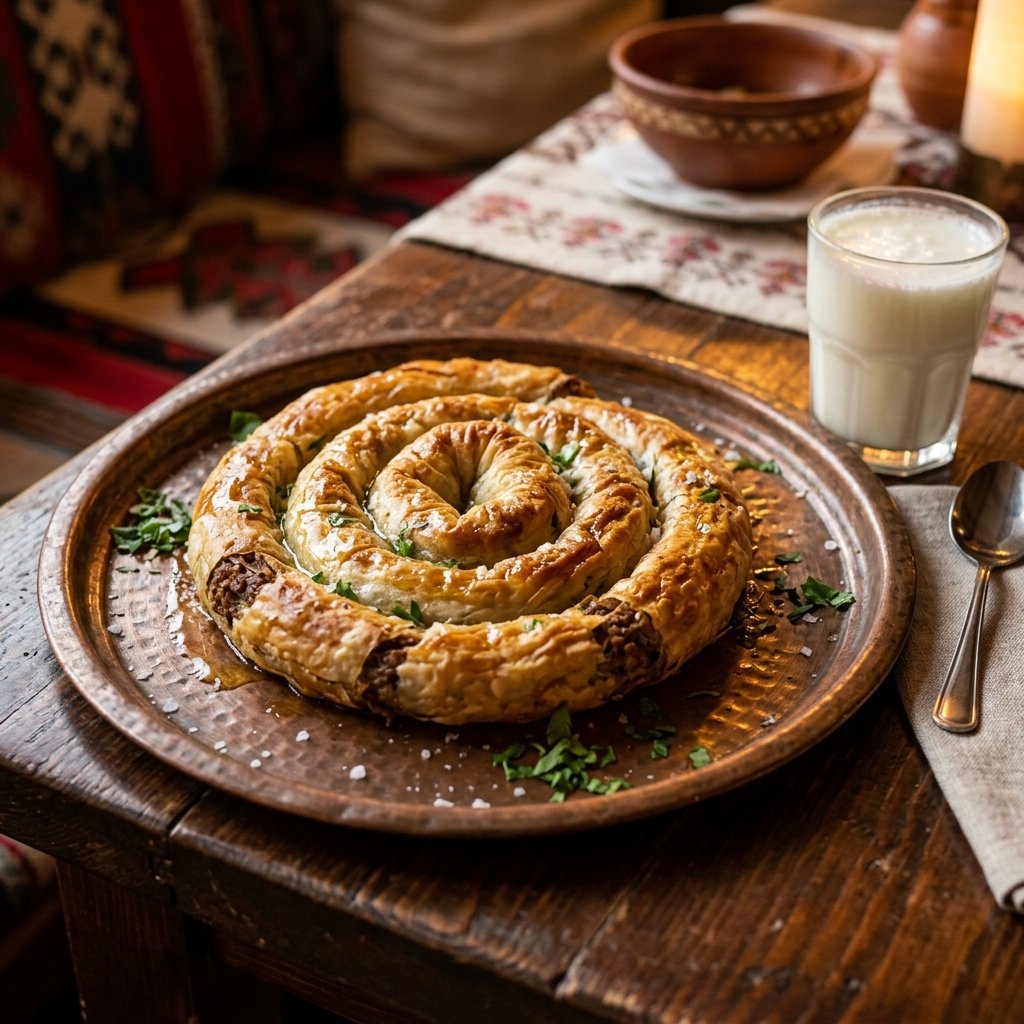
In Bosnia, savory phyllo pastries are collectively called ‘pita’, and the word ‘burek’ is strictly reserved for the meat-filled version. If you order a “burek with cheese”, locals will immediately correct you. Each type of pita has its own specific name: **sirnica** is filled with cottage cheese, **zeljanica** with spinach and cheese, and **krumpiruša** with diced potato.
6. Dining Customs: Eating in a Traditional Buregdžinica
For the most authentic experience, dine in a traditional *buregdžinica* (specialized pie shop). It is a local culinary tradition to pair your hot burek with a glass of plain liquid yogurt or a scoop of sour cream. These gastronomic naming conventions are celebrated by regional culinary registries.
Check the r/bih community on Reddit for local Bosnia advice.
7. Border Crossings & Day Trips: Schengen Rules and ETIAS Requirements
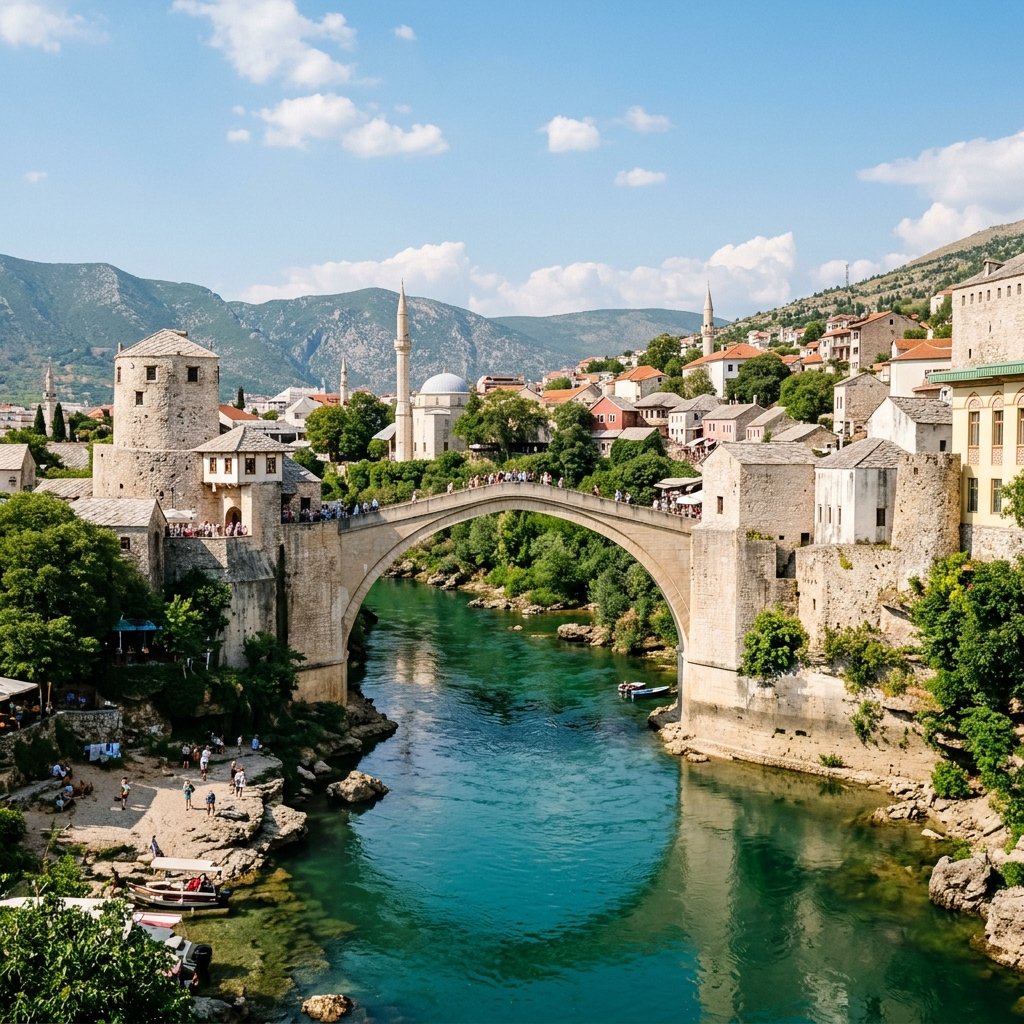
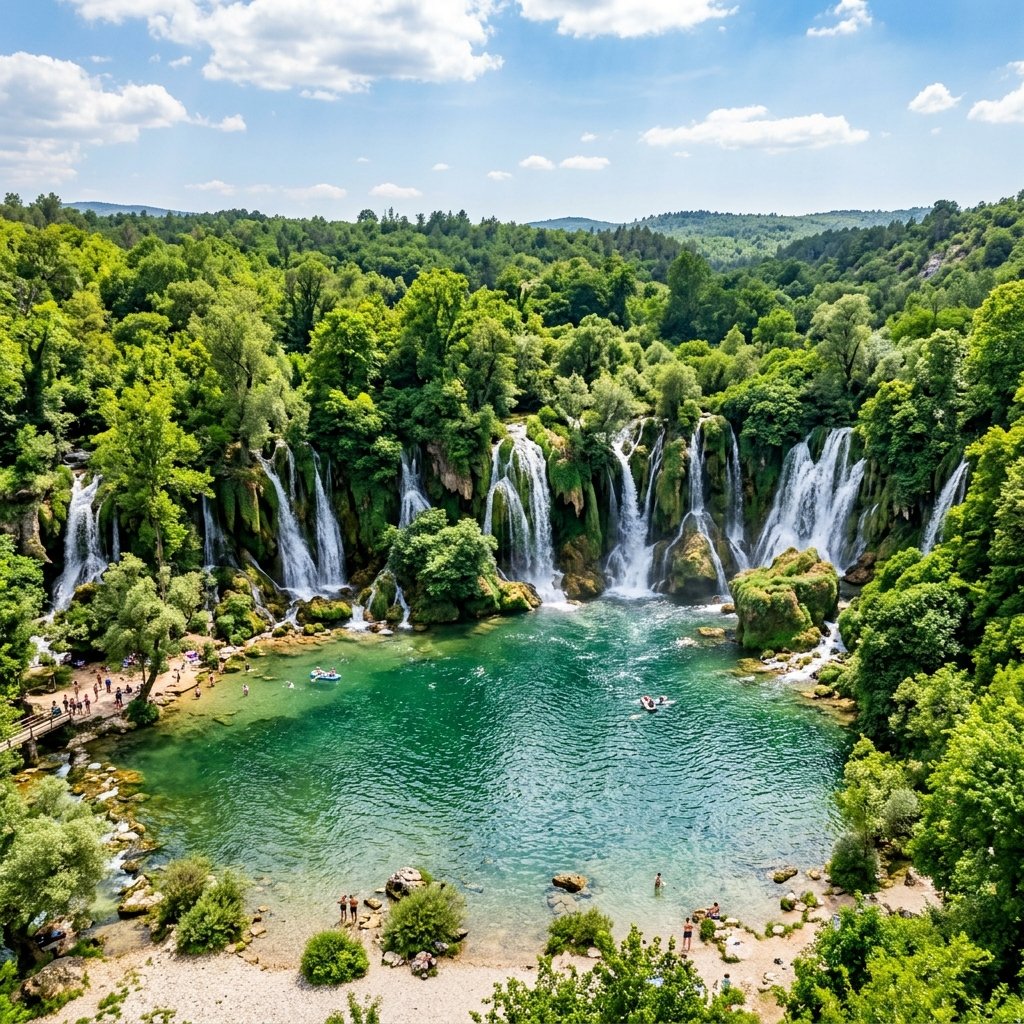
When exploring Bosnia, many travelers choose to venture beyond Sarajevo to visit the iconic Stari Most in Mostar or the breathtaking Kravica Waterfalls. You can book a popular Mostar and Kravica Waterfalls Day Tour from Sarajevo online. If you are crossing the border to or from Croatia during your travels, be aware of the visa rules.
Citizens of Group 1 visa-exempt countries (such as the US, Canada, UK, Australia, Japan, and all EU states) do not require a tourist visa for up to 90 days. Bosnia is not a member of the EU or Schengen Area, so days spent here do not count toward your Schengen visa limit. While ETIAS is not required to enter Bosnia, visa-exempt travelers crossing the border from Bosnia into Croatia or other Schengen nations will require an approved ETIAS starting from its late-2026/2027 rollout. Your passport must be valid for at least 3 months after your planned departure. Always verify current entry rules on the Official Ministry of Foreign Affairs.
Frequently Asked Questions (FAQ)
What is the best mobile network connection in Bosnia?
BH Telecom provides the best coverage and speeds in Bosnia, especially in historic cities like Sarajevo and Mostar, with stable 4G LTE speeds up to 40 Mbps.
Where can I find official travel and visa information for Bosnia?
You can find official entry rules and visa group classifications on the Official Ministry of Foreign Affairs.
Should I get an eSIM before traveling to Bosnia?
Yes, getting an eSIM before arriving in Bosnia is highly recommended. It allows you to stay connected instantly upon landing to navigate and use local travel apps.