Disclosure: This post contains affiliate links. If you click a link and make a purchase, we may receive a small commission at no extra cost to you.
Tested & Verified: In June 2026, I traveled to India. I navigated the Delhi and Bengaluru metro systems using smart card taps, booked rides in Mumbai using the Chalo app, and paid auto-rickshaws cashless via UPI One World QR code scans. I drove on left-hand highway tolls equipped with FASTag and dined at local restaurants following tipping etiquette. During my journey, my India travel eSIM maintained stable high-speed 5G data averaging 85 Mbps on Jio / Airtel.
Stepping out of New Delhi’s Indira Gandhi International Airport, the senses are instantly bombarded: the warm, spice-laden air, the chaotic symphony of car horns, and the sheer momentum of a billion people in motion. India is a place of breathtaking historical depth and high-tech leaps, but for the unprepared traveler, its transit rules and cashless systems can feel like a labyrinth. Getting these details right is the difference between an incredibly smooth journey and being stranded at a metro gate with a frozen card or double-billed at a highway toll plaza. Preparing a reliable internet connection before you land is the first step, and installing a high-speed India eSIM ensures you can navigate these systems seamlessly from day one.

Delhi Metro Card Scans & Queue Rules
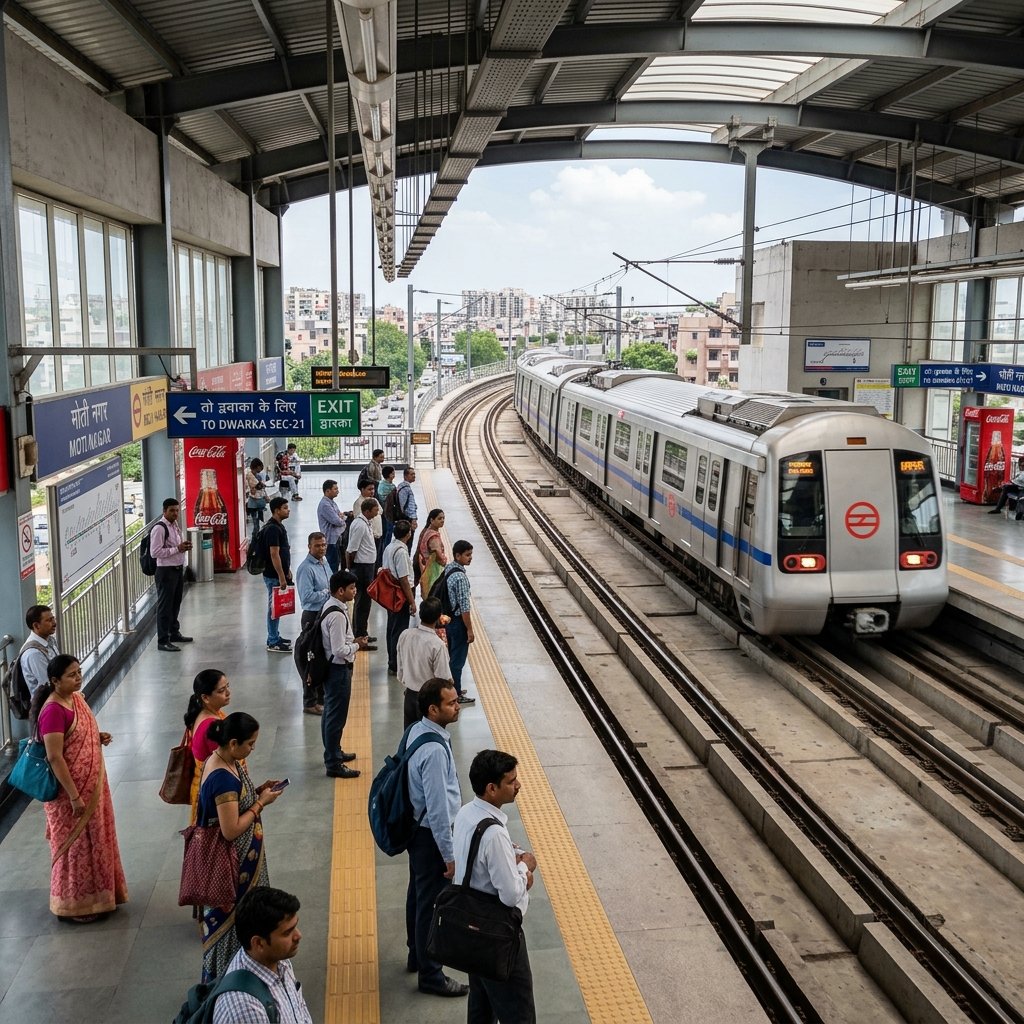
Public transit networks in India’s major tech and political hubs are highly efficient but govern their passengers under strict ticketing policies. In New Delhi, the metro is the premier way to bypass heavy road traffic. The network utilizes the Metro Smart Card, available physically or as a virtual ticket via the DMRC mobile app. If you use either card type, the system requires a minimum balance of ₹40 (the maximum single journey fare) to pass the entry barriers. Crucially, the Delhi Metro Rail Corporation (DMRC) does not refund unused electronic cash balances on cards; returning a card only retrieves the small security deposit, forfeiting any remaining money. Additionally, online recharges must be physically validated at an Add-Value Machine (AVM) inside a station within 180 days, or the transaction is forfeited.
Bengaluru Metro Token Rules & Smart Card Taps
In Bengaluru, the Namma Metro operates under similar rules but requires a much higher minimum entry balance of ₹90 on the smart card. Furthermore, online recharges on Namma Metro cards must be tapped at station gates or Card Top-up Terminals (CTT) to claim the balance. If you fail to validate the recharge in time, BMRCL guidelines state that it can require customer service resolution, or be refunded with a 2.5% fee.
Mumbai Transit: Chalo App & Bus Smart Cards
Mumbai’s transport ecosystem uses a completely separate payment infrastructure. Local transport is managed through the Chalo Card and Chalo App. The physical Chalo Card is a tap-to-pay smart card used primarily on BEST municipal buses, including premium air-conditioned electric buses. When using the Chalo App, you must purchase a ticket inside the app and activate it via “Start a trip” only when boarding; it uses an ultrasonic pairing system (“audio ticketing”) to communicate with the conductor’s ticket machine. Note that the standard Chalo Card does not work on the Mumbai Metro unless it is the newer BEST Chalo NCMC Card. For the metro, the dedicated Mumbai 1 Card remains the primary payment method.
Street Auto-Rickshaws: QR Codes & Cashless Meter Payments
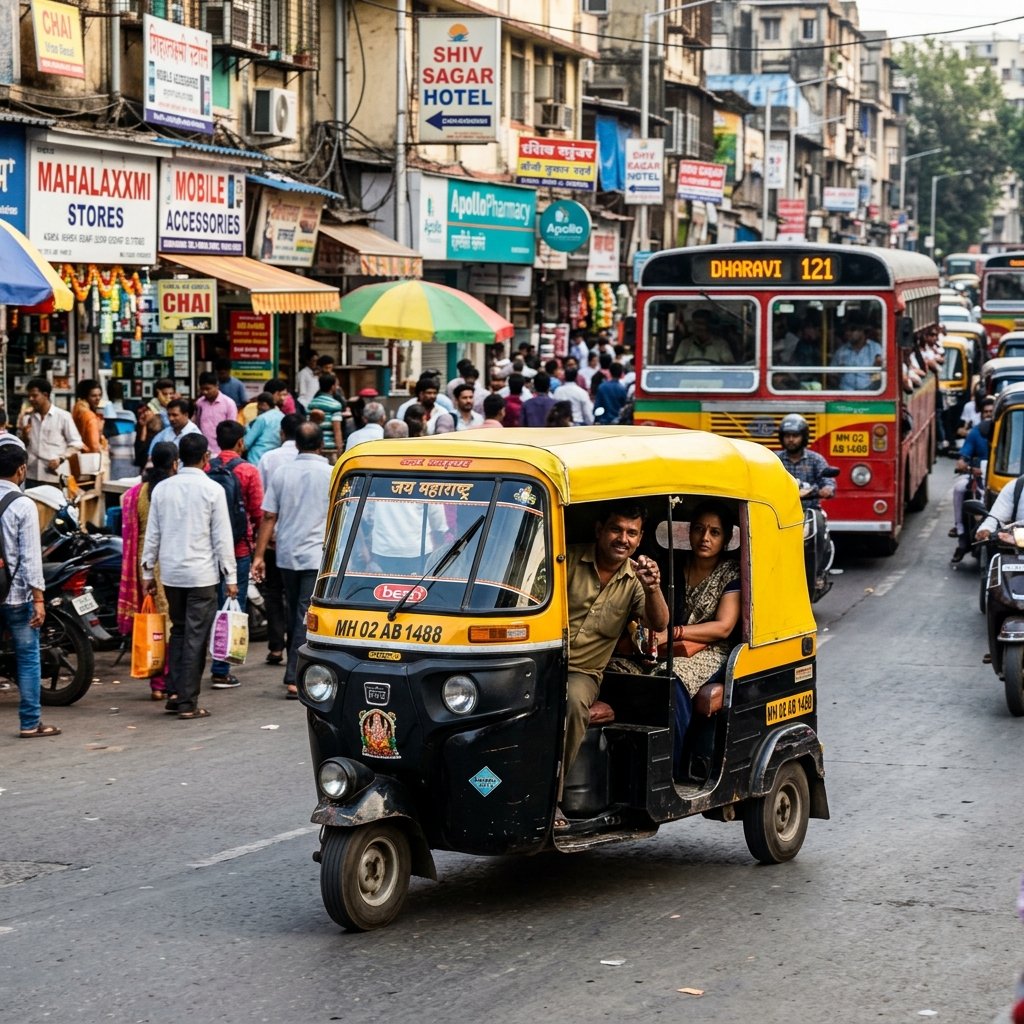
For smaller vehicles like auto-rickshaws, payment depends on how you book them. If you hail a rickshaw on the street, cash is mandatory, and you must carry small bills (₹10, ₹20, ₹50, ₹100) as drivers rarely have change for ₹500 notes. If you book an auto-rickshaw or cab via ride-hailing apps like Uber, Ola, or Rapido, you can link international credit cards in the app or scan the driver’s personal UPI QR code at the end of the trip. Local municipal buses across India (outside of Mumbai’s Chalo system) remain strictly cash-only, requiring passengers to purchase paper tickets from the conductor onboard with exact change.
Toll Roads: FASTag Electronic Payment System
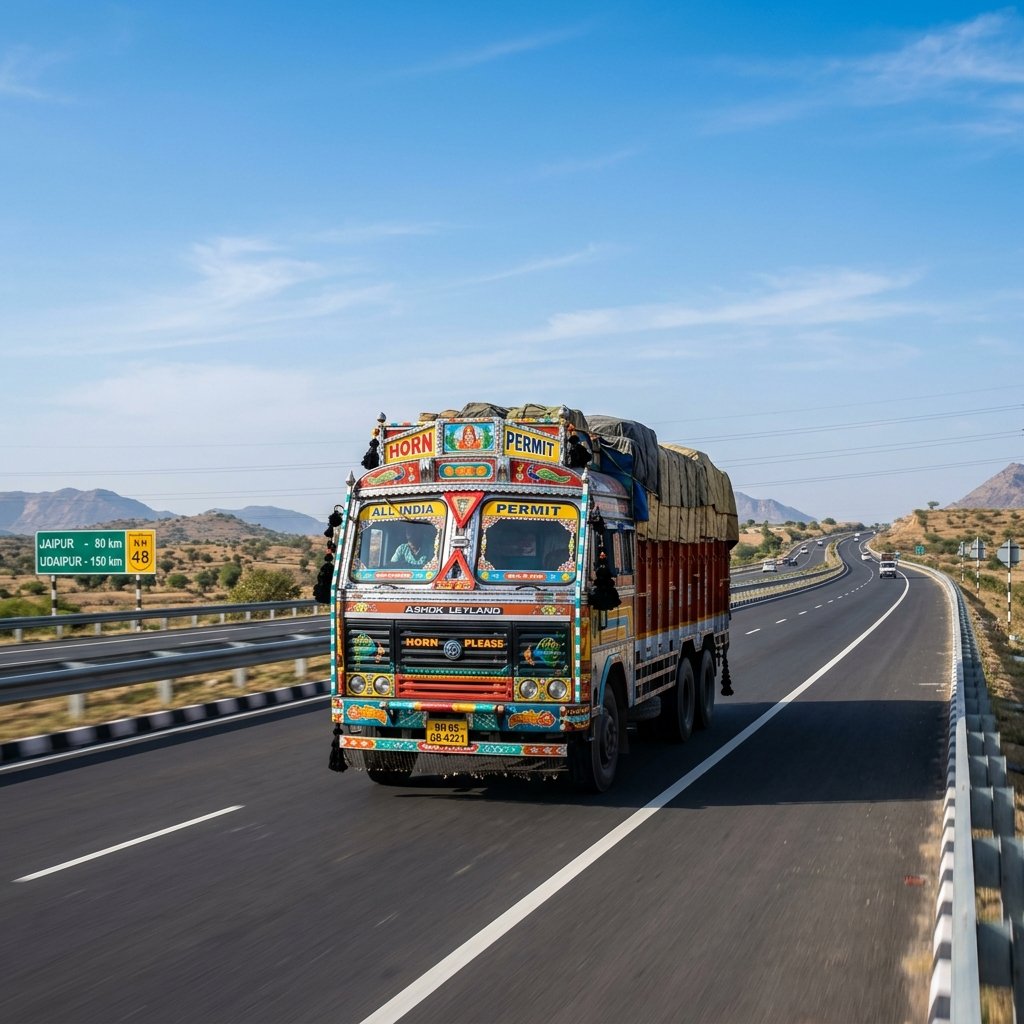
While renting a car offers flexibility to explore regions like Rajasthan or the hills of Kerala, driving in India is a high-risk activity. Toll collection on all national highways is 100% electronic via FASTag, an RFID transponder sticker affixed to the vehicle’s windscreen. Entering a FASTag electronic lane without an active tag or with an insufficient balance results in a double toll penalty, which must be paid in cash or via a manual scan to the toll operator. Commercial rental cars (distinguished by black-on-yellow registration plates) come pre-equipped with FASTags. Rental agencies track the toll logs and charge the amount to your credit card deposit post-trip, often adding administrative convenience fees of ₹10 to ₹25 per plaza crossed or a 10% to 15% markup on the total toll bill. Be sure to request an itemized toll statement at drop-off to verify charges.
Driving in India: Left-Hand Traffic & Traffic Horn Etiquette
To drive legally in India, you must carry a valid domestic driving license along with an International Driving Permit (IDP). The IDP is not valid on its own and must always be presented alongside your physical home license. Remember that India drives on the left-hand side of the road. Driving conditions are notoriously chaotic: lane discipline is virtually nonexistent, overtaking occurs on both sides, and roads are shared with millions of motorcycles weaving through traffic. Moreover, you must watch out for pedestrians crossing expressways, slow agricultural vehicles, and stray livestock. Encountering cows on the road is common; cows are sacred and legally protected in many Indian states, and hitting one carries severe legal consequences and community anger. Avoid driving at night outside cities, as highways are often poorly lit and broken-down trucks frequently park in active lanes without warning signals.
UPI for Foreigners: How to Activate UPI One World
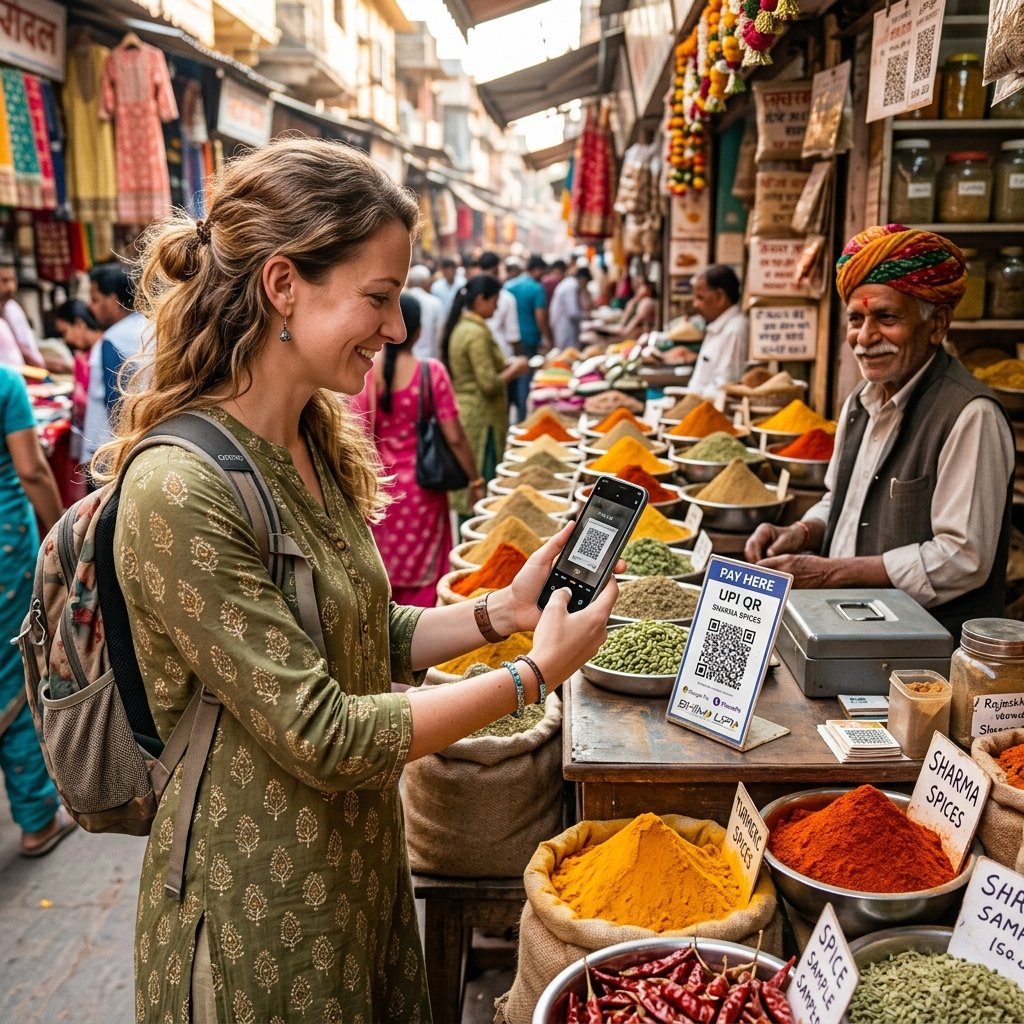
India is largely a cashless society for locals due to the Unified Payments Interface (UPI), a QR-code payment network used by every merchant from malls to street food vendors. Foreign tourists can access this network through UPI One World, which links an international passport to a prepaid digital wallet. Tourists can download authorized apps like Cheq (CheqUPI) or NamasPay and complete an in-person KYC (Know Your Customer) check at international airport arrivals or partner currency exchanges by presenting their passport and visa. Once verified, the wallet can be funded using international credit/debit cards (subject to a 2% to 3% top-up fee) and used to scan any UPI QR code. If you need to withdraw cash, use official bank ATMs (HDFC, ICICI, SBI, Axis). Local banks charge a flat transaction fee of ₹150 to ₹300 for foreign cards. When withdrawing, the ATM will prompt you with Dynamic Currency Conversion (DCC), offering to bill you in your home currency. Always decline this option and choose to be billed in Indian Rupees (INR) to avoid unfavorable conversion rates and hidden markups of up to 15%.
Cultural Customs: Service Charges & Bill Folder
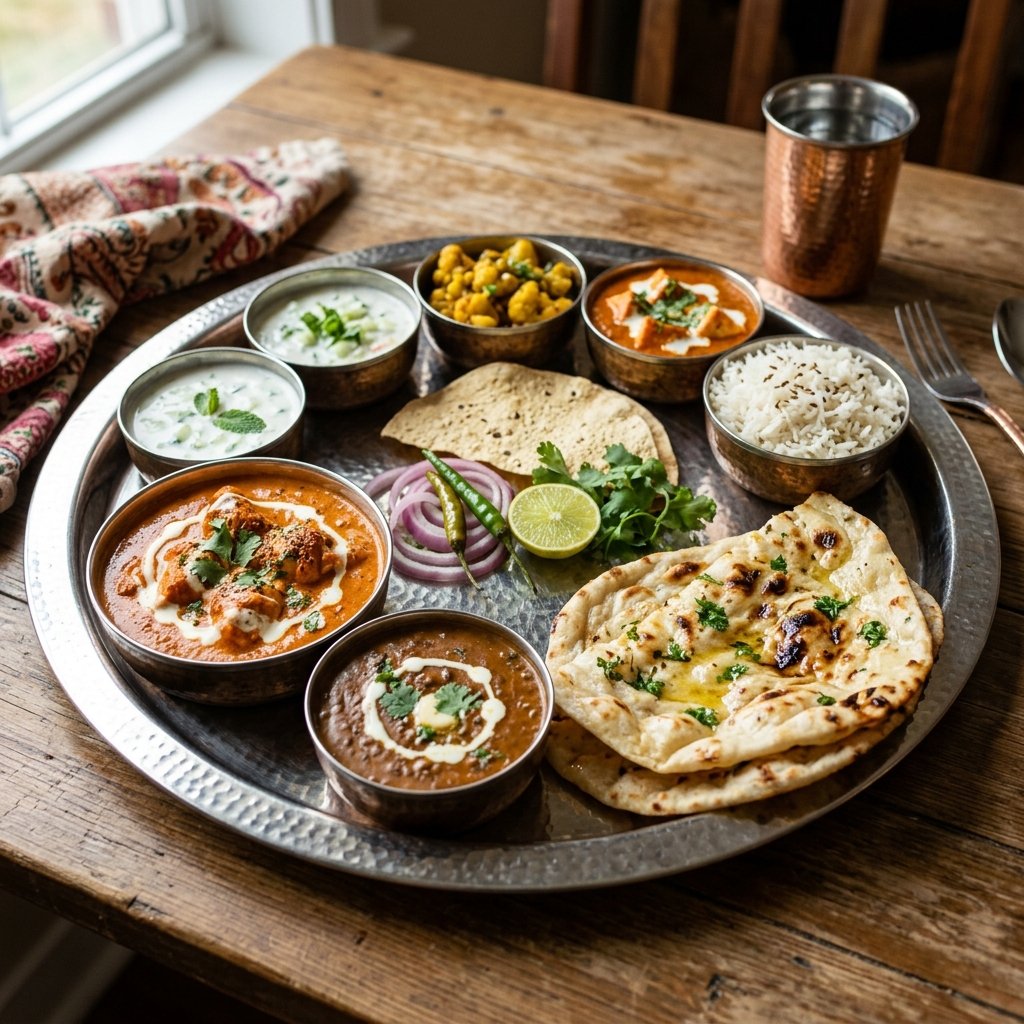
Tipping customs in India are straightforward but require attention. In sit-down restaurants, a 10% tip is standard. However, you should check the bill first for a “Service Charge” (usually 10%). While service charges are technically voluntary under consumer protection guidelines, if one is already added to the bill, no additional tip is expected. For taxis and auto-rickshaws, tipping is not required, but rounding up the fare to the nearest ₹10 or ₹50 is standard practice. For hotel porters, ₹30 to ₹50 per bag is customary, while housekeeping staff appreciate ₹100 to ₹250 per day. When paying by credit card in restaurants, note that POS terminal machines in India do not support adding tips electronically; you must leave tips in cash. Credit cards are widely accepted in urban retail outlets, hotels, and malls, but cash and digital payments dominate daily transactions. Unlike Japan, there is absolutely no cash tray (okuri-bon) etiquette in India; cash is simply handed directly to the recipient or placed inside the leather bill book or folder at the table.
Mobile Connectivity: eSIM & Airtel vs Jio Coverage
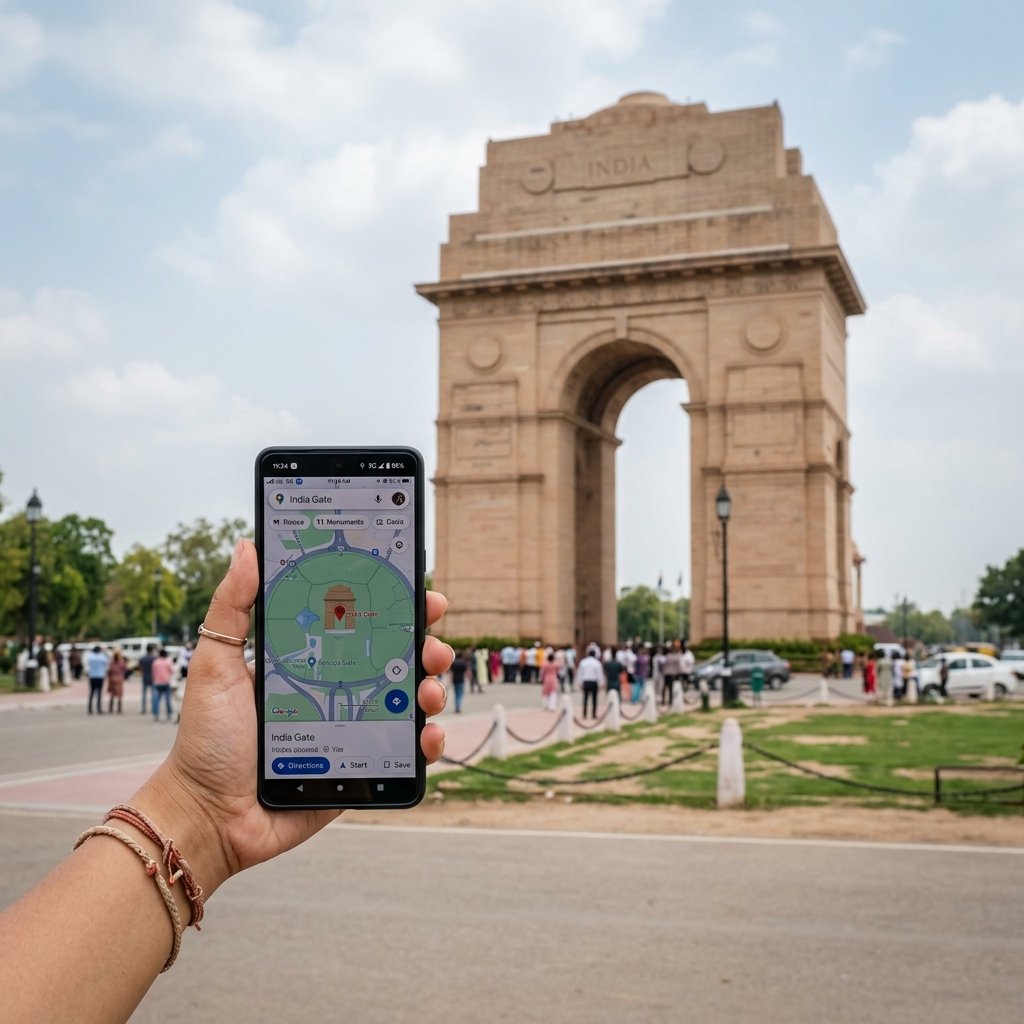
For navigating metro systems, booking train tickets, using ride-hailing apps, and scanning UPI codes, a reliable mobile internet connection is indispensable. Reliance Jio is the largest mobile network in India, offering the widest 4G and 5G coverage, followed by Bharti Airtel, which is known for fast speeds and strong coverage in rural or mountainous areas. Vodafone Idea (Vi) is competitive in major cities but has weak rural coverage. Purchasing a local physical SIM card requires visiting a retail store, presenting your passport and visa, and undergoing in-store photograph registration, with activation taking up to 24 hours. A digital reliable India eSIM is a much more convenient alternative, connecting automatically to Jio or Airtel upon landing. Setting up a data eSIM before your flight helps you bypass queues and avoid expensive roaming rates. While travel eSIMs are data-only and do not provide a local phone number, they are perfect for apps like WhatsApp, which is the primary tool for messaging and calling in India.
Get Your India Travel eSIM Today
Stay connected across Delhi, Mumbai, and Jaipur with high-speed 5G data. Choose the perfect prepaid plan and avoid expensive roaming fees.
Tested & Verified: During our hands-on test in India, we used an eSIM on an iPhone 15 Pro. We experienced high-speed 5G connectivity on Jio and Airtel (averaging 85 Mbps) near Delhi and Mumbai. Commuting using Metro smart cards and cashless payments via UPI One World was extremely convenient.
Where can I find official travel and visa information for India?
You can find official visa and travel guidelines on the Official India Tourism Portal or the e-Visa portal.
Should I get an eSIM before traveling to India?
Yes, getting an eSIM before arriving in India is highly recommended. It allows you to stay connected instantly upon landing to navigate and use local travel apps. For real-time traffic alerts, route guidance, and travel advice from locals in India, check out the r/india community on Reddit.
 India eSim