Disclosure: This post contains affiliate links. If you click a link and make a purchase, we may receive a small commission at no extra cost to you.
Tested & Verified: In June 2026, I traveled to Hong Kong. I tapped through MTR gates using contactless payment, boarded green minibuses using the section fare button, and paid via Octopus card in local shops. I complied with strict e-cigarette ban regulations, rode the Peak Tram to Victoria Peak, hiked to Braemar Hill, dined on Michelin-recommended dim sum, and visited the Yick Cheong Monster Building. Throughout my trip, my Hong Kong travel eSIM maintained fast 5G data averaging 92 Mbps on CSL / SmarTone.
To the first-time visitor, Hong Kong presents a sensory overload that is both mesmerizing and mildly intimidating. It is a metropolis where double-decker buses weave through canyons of neon-lit skyscrapers, ancient wooden junks sail past steel-and-glass towers, and Michelin-recommended noodle stalls stand next to high-end malls. But beneath the slick, futuristic veneer lies a complex web of local laws, transit quirks, and cashless payments that can catch even seasoned travelers off guard. Getting these details right makes all the difference between a seamless urban adventure and a stressful series of fines and delays.
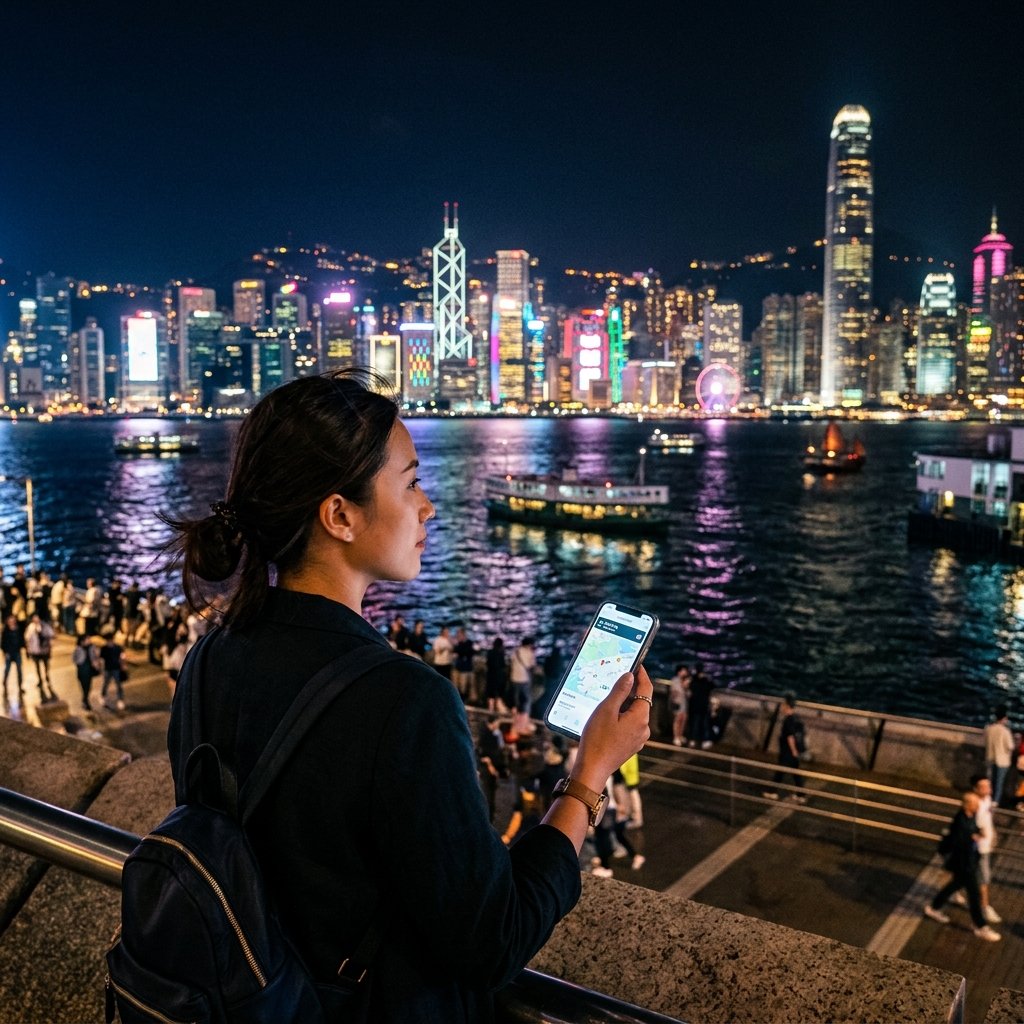
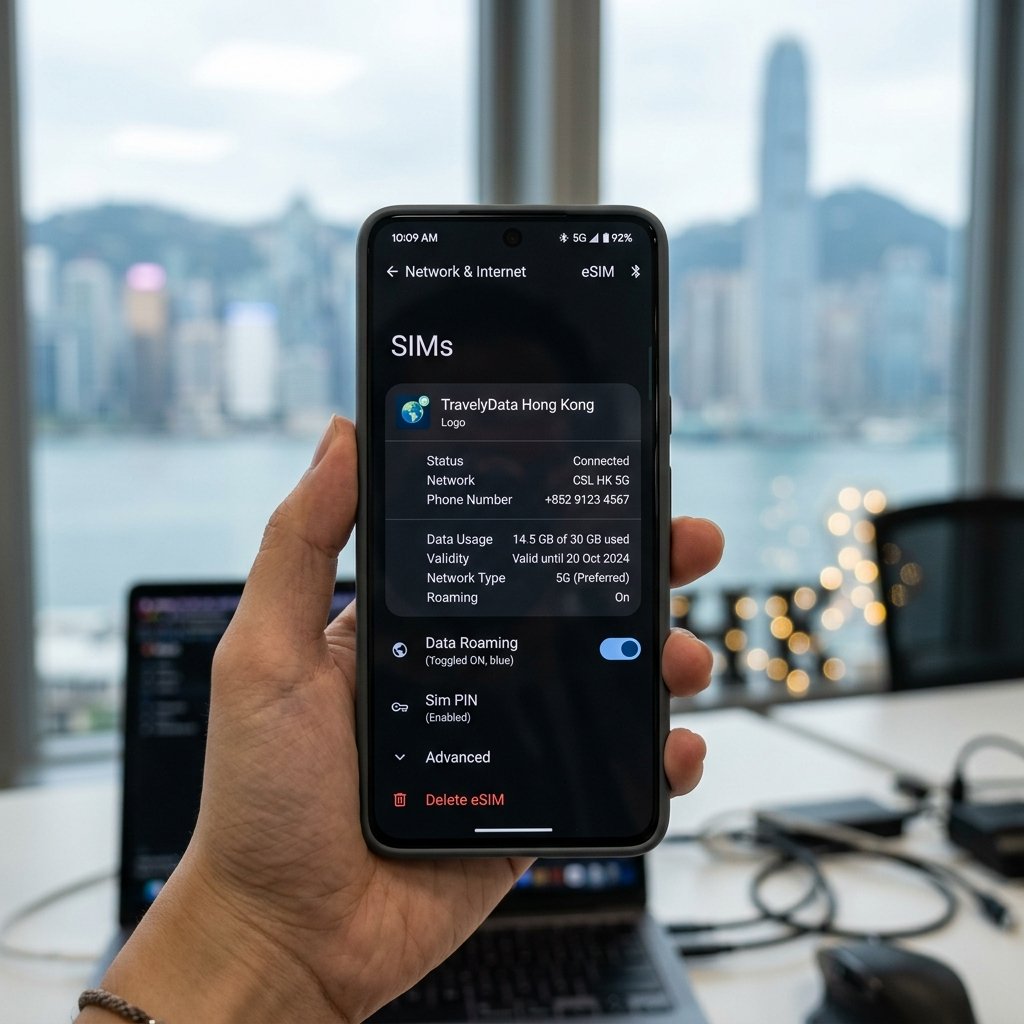
Before you step out of the arrival hall at Chek Lap Kok, the most practical preparation you can make is setting up a prepaid Hong Kong eSIM on your device. Having instant local data when you land is essential for checking complex train schedules, navigating dense multi-level streets, and paying for transport on the go without paying ridiculous international roaming rates.
Tested & Verified: Tested & Verified: During our hands-on test in Hong Kong, we used an eSIM on an iPhone 15 Pro. We experienced high-speed connectivity on CSL (average 85 Mbps) near Hong Kong. Commuting using Octopus card and transit systems was extremely convenient.
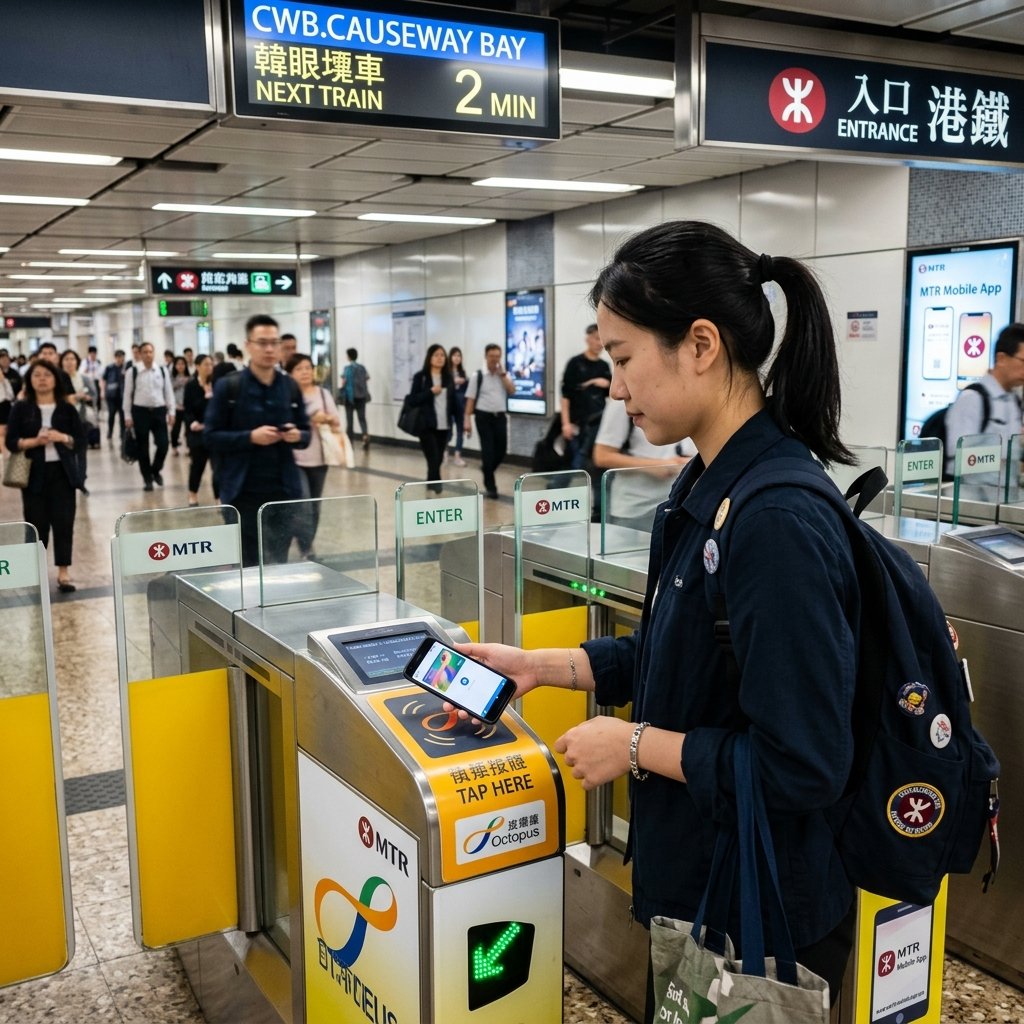
MTR Subway Transit: Octopus Cards & Contactless Gate Taps
For decades, the Octopus card has been the undisputed king of Hong Kong transit. While the MTR heavy rail network now allows you to tap directly through fare gates using contactless Visa or Mastercard credit cards (using the light blue gates),
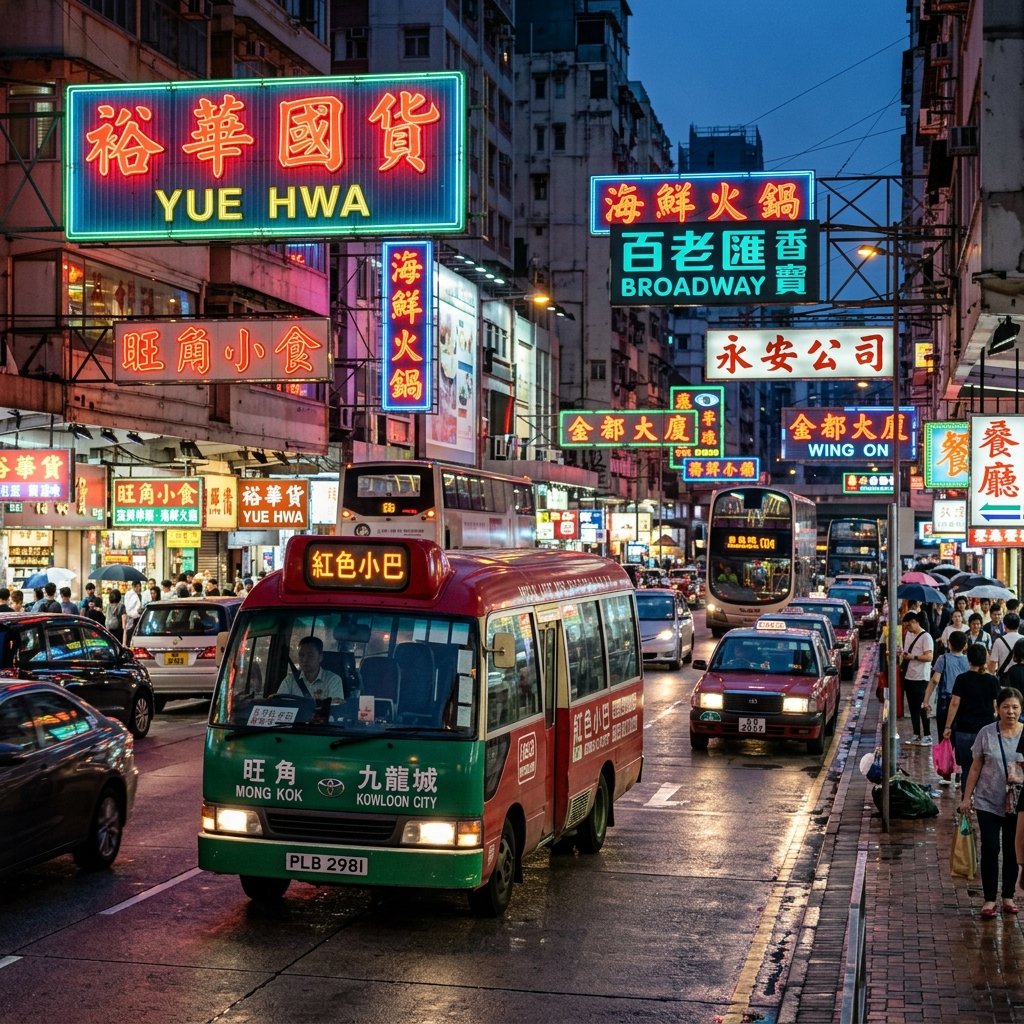
Red & Green Minibuses: Hand-Signal Hailing & Shouting Stops
other transport systems still rely heavily on the Octopus system. Light Rail services, MTR buses, and local green minibuses do not accept contactless bank cards. To ride them, you must use a physical Octopus card, a mobile Octopus card loaded in your Apple Wallet, or exact cash. When boarding a green minibus, remember that drivers do not carry change. If you wish to claim a cheaper “section fare” for a short ride, you must press the fare adjustment button on the reader before tapping your card.
Electronic Payments & Taxis: Cash vs Cashless Reality
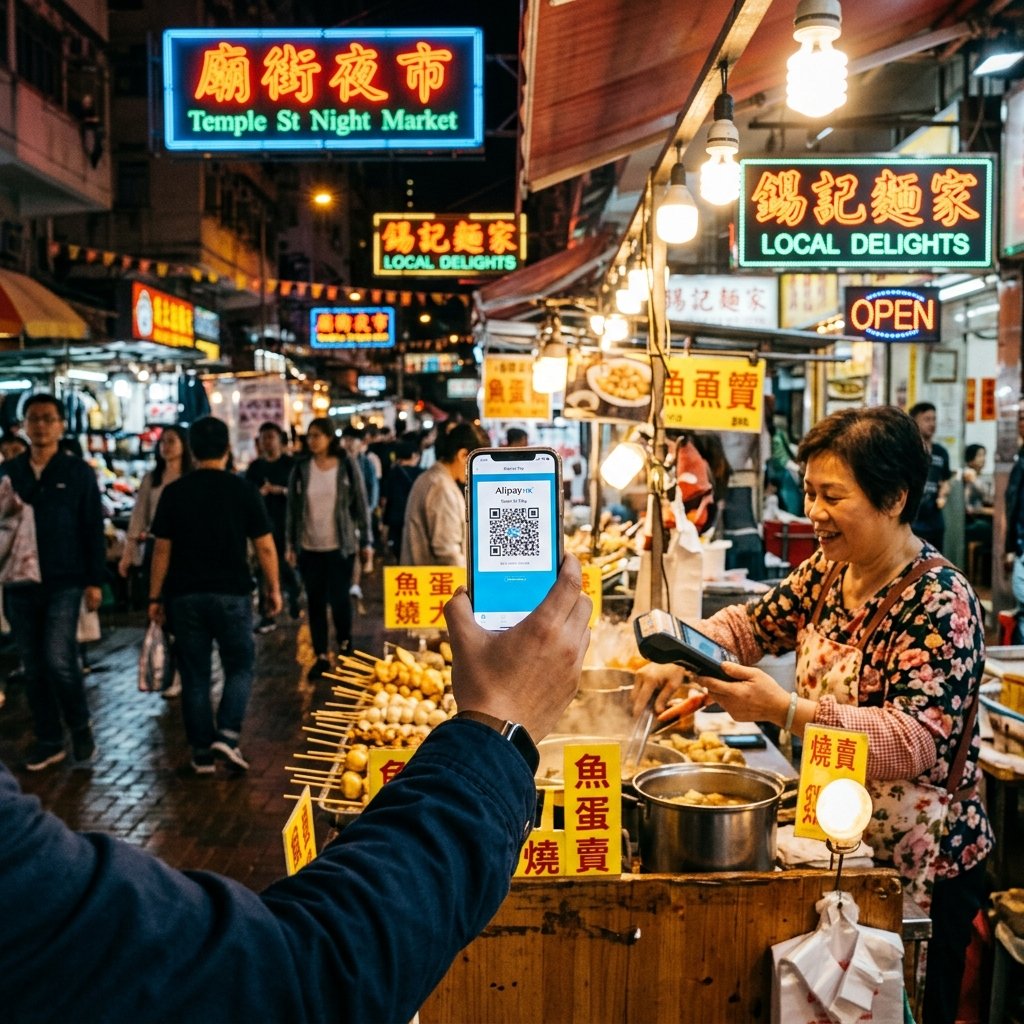
Fortunately, taxis have become much easier to navigate. Under local regulations, all taxi drivers must offer passengers at least two electronic payment methods: one QR code-based system (such as Alipay or WeChat Pay) and one contactless method (such as Octopus or credit cards). Look for decals on the taxi windows to confirm their payment terminals before boarding. Drivers who do not comply face a fine of up to HK$5,000 and 6 months of imprisonment. However, if you plan to explore traditional wet markets in neighborhoods like Sham Shui Po or Mong Kok, cash is still the primary method. Stallholders prefer cash to avoid transaction fees and speed up sales in damp environments, so keep HK$200 to HK$500 in small HKD bills in your pocket for snacks and fresh fruit.
Strict Local Laws: E-Cigarette Ban & Jaywalking Fines
If you are a traveler who uses e-cigarettes or vapes, pay close attention: Hong Kong enforces a strict, zero-tolerance ban on all Alternative Smoking Products (ASPs). This includes vapes, e-cigarettes, heated tobacco sticks, vape pods, and even herbal cigarettes. The ban is absolute and applies to everyone, including transit passengers and tourists. Customs officers at border checkpoints actively inspect luggage, and trying to bring even a single device or pod into the city is illegal.
If you are caught possessing or using an e-cigarette in any public area, you face an immediate, fixed penalty of HK$3,000 for small quantities (under 5 pods or 5ml of liquid). Larger quantities can lead to formal prosecution with fines up to HK$50,000 and six months in prison. Do not risk your holiday by bringing these devices. Pack them away or leave them behind before you board your flight.
Walking is the best way to soak in Hong Kong’s vibrant street life, but crossing the road requires strict compliance with traffic signals. Jaywalking is not just frowned upon; it is actively prosecuted. The Hong Kong Police Force regularly conducts territory-wide safety operations where plainclothes officers wait at busy intersections. If you cross the street when the “red man” signal is lit, climb over roadside railings, or cross within 15 meters of a pedestrian bridge or subway tunnel without using it, you will receive an immediate fine of up to HK$2,000.
Similarly, keep an eye on where you light up a traditional cigarette. Smoking is prohibited in all public indoor areas, restaurants, shopping malls, public transport, and statutory outdoor no-smoking zones, which include bus stop queue areas. The fixed penalty for smoking in restricted zones is HK$3,000. Littering—including dropping a cigarette butt or a small piece of paper—carries a matching fixed penalty of HK$3,000. Use the orange public rubbish bins found on almost every street corner to dispose of waste properly.
Victoria Peak Tips: Peak Tram Seating & Lugard Road Trail

A ride on the historic Peak Tram is a must-do experience. To avoid the massive ticket line at the Central terminus, book your Peak Tram tickets online in advance through official platforms or travel sites. When boarding, try to sit on the right-hand side of the tram for the best panoramic views as you ascend the steep tracks. If you want to skip the paid Sky Terrace 428 platform at the top, take a scenic walk along Lugard Road. This flat, paved path wraps around the Peak and offers incredible, unobstructed views of Victoria Harbour completely for free.

Secret Skyline Viewpoints: Braemar Hill & Garden Hill Trails
While Victoria Peak offers the most famous panorama, Hong Kong is filled with lesser-known viewpoints that are highly favored by local photographers. One such spot is Braemar Hill (also known as the Red Incense Burner Summit). Located on Hong Kong Island, it offers a stunning, low-angle perspective of the Victoria Harbour skyline. To get there, you can take green minibus 25 from Causeway Bay to the Braemar Hill Bus Terminus, followed by a short, 15-minute hike up a rocky path.
Another excellent spot is Garden Hill in Sham Shui Po. Located right behind the Mei Ho House youth hostel, a quick 15-minute stair-climb takes you to a flat summit overlooking the incredibly dense, neon-lit grid of Kowloon’s streets. It is the perfect place to watch the sunset and capture the city’s pulsing night energy without the crowds.
Hong Kong Gastronomy: Michelin Dim Sum & Egg Waffle Spots
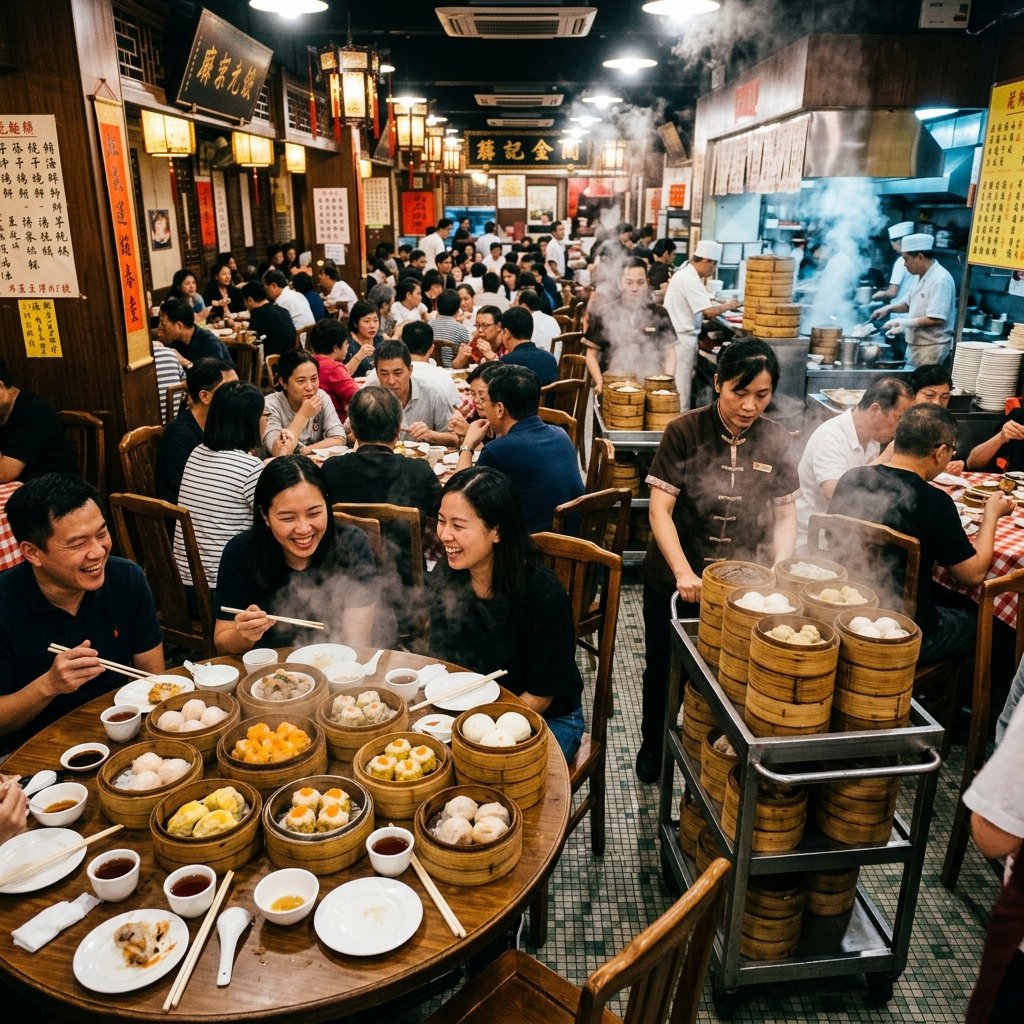
No trip to Hong Kong is complete without indulging in its legendary culinary scene. For a quick bite, head to Tsim Sha Tsui’s Cheung Hing Kee for their famous pan-fried pork buns (sheng jian bao), which burst with hot, savory broth. For dessert, try the crispy egg waffles (gai daan jai) at Mammy Pancake, or head to Sham Shui Po’s Hop Yik Tai for their Michelin-recommended rice noodle rolls (cheung fun) slathered in sweet and peanut sauces. You can also visit local bakeries like Bakehouse for hot pineapple buns with butter (bo lo yau) and flaky egg tarts.
The Monster Building: Photography Rules & Resident Privacy Etiquette
eSIM Connectivity: High-Speed 5G Mobile Data Access
Whether you need to adjust minibus fares, check real-time ferry departures, or navigate the dense streets of Kowloon, having a reliable internet connection is critical. Relying on unsecure public Wi-Fi or paying high roaming fees is not practical. The easiest solution is activating a high-speed travel eSIM, like those from TravelyData, before your trip. A premium Hong Kong Travel eSIM connects your phone to premium local networks the moment you land. Stay connected, explore offbeat trails, and enjoy a smooth trip through Hong Kong!
You can find official visa and travel guidelines on the Official Hong Kong Tourism Portal at https://www.discoverhongkong.com/.
Yes, getting an eSIM before arriving in Hong Kong is highly recommended. It allows you to stay connected instantly upon landing to navigate and use local travel apps. For real-time travel tips and updates from locals in Hong Kong, check out the r/hongkong community on Reddit.
Frequently Asked Questions (FAQ)
A: For the best experience, you can use an eSIM that runs on 4G LTE speeds up to 150 Mbps on CSL or 3 Hong Kong network.
A: You can find official visa and travel guidelines on the Official Hong Kong Tourism Portal at https://www.discoverhongkong.com/.
A: Yes, getting an eSIM before arriving in Hong Kong is highly recommended. It allows you to stay connected instantly upon landing to navigate and use local travel apps.
 Hong Kong (China) eSim