
Disclosure: This post contains affiliate links. If you click on a link and make a purchase, we may receive a small commission at no extra cost to you.
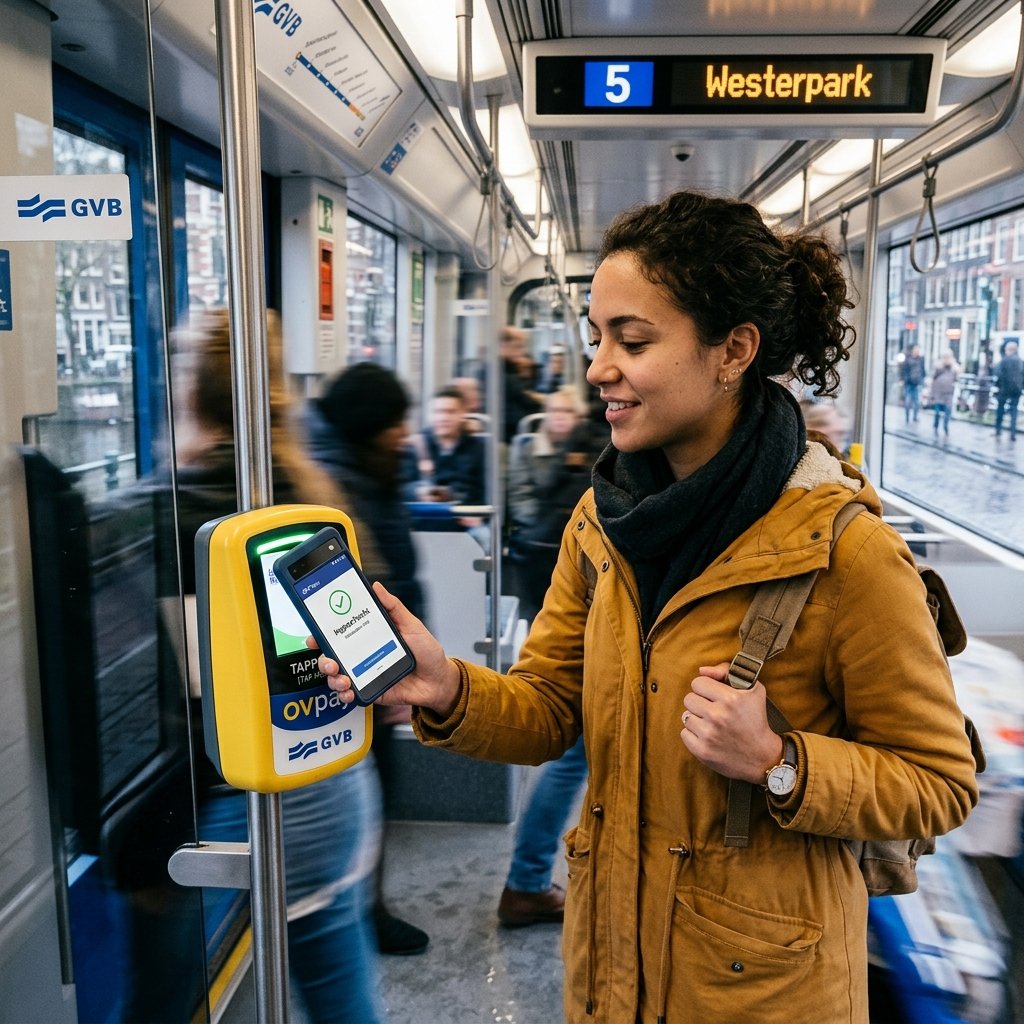
When I first boarded a tram in Amsterdam, I tapped my credit card on the card reader, heard a beep, and sat down. But when I got off, I walked straight out without tapping again. The next day, I looked at my bank statement and saw a €4 charge for a single tram ride. I quickly realized that forgetting to check out triggers an automatic incomplete journey penalty. Navigating this hyper-cashless country is incredibly smooth, but a simple mistake can quickly cost you. Getting a local Netherlands eSIM before you land is crucial to monitor your transport transactions in real time and find cards accepted by local merchants.

Public Transit: OVpay Tap-Out Rules and Missed Check-Out Penalties
What happens if you forget to check out with OVpay in the Netherlands? If you forget to tap your card or phone on the reader at the end of your trip, you will be charged a standard incomplete journey penalty (typically **€4** on trams and buses, or **€20** on NS trains). The **OVpay** system lets you use contactless bank cards, credit cards, or mobile wallets instead of a physical transit card. According to the official OVpay Netherlands Portal, you can correct a missed check-out online or through the app after 6 hours using your travel details or the NLOV code on your bank statement. TripAdvisor transit threads confirm that staff at stations strictly monitor check-ins.
Cashless Realities: The Albert Heijn Credit Card Trap for Tourists
Do supermarkets in the Netherlands accept Visa and Mastercard? No, many neighborhood supermarkets, including the largest chain Albert Heijn, do not accept foreign credit cards (Visa or Mastercard). They only accept Maestro, V-Pay, or local Dutch debit cards (PIN). While tourist-heavy locations in central Amsterdam may accept them, standard residential stores will reject your transaction. Reddit Netherlands threads warn travelers to always carry a Maestro/V-Pay card or keep cash as a backup. Note that many shops are completely cashless and will not accept physical coins or bills.
Toll Tunnels: Westerscheldetunnel and Kiltunnel Payment Systems
Can you use OVpay to pay road tolls in the Netherlands? No, OVpay is strictly for public transport and cannot be used for road tolls. The main toll routes are the **Westerscheldetunnel** (connecting Zeelandic Flanders to South Beveland) and the **Kiltunnel**. Toll payments must be made using debit cards, credit cards, or an electronic tag (M-Tag). The Westerscheldetunnel has gone largely cashless; cash payments are only accepted at specific lanes Monday to Friday, outside of rush hours.
Local Dining: Raw Herring Etiquette and Tipping Rules
Do you need to tip in Dutch restaurants? Tipping is not mandatory as service is included in the bill, but rounding up the total or leaving 5% to 10% is appreciated for good service. When trying traditional **Raw Herring** (haring) at a local fish stall, eat it the Dutch way: hold the fish by the tail, dip it in raw onions, tilt your head back, and lower it into your mouth. Most street fish stalls are card-only, so be ready to tap.

City Navigation: Bicycles and Canal Crossing Rules
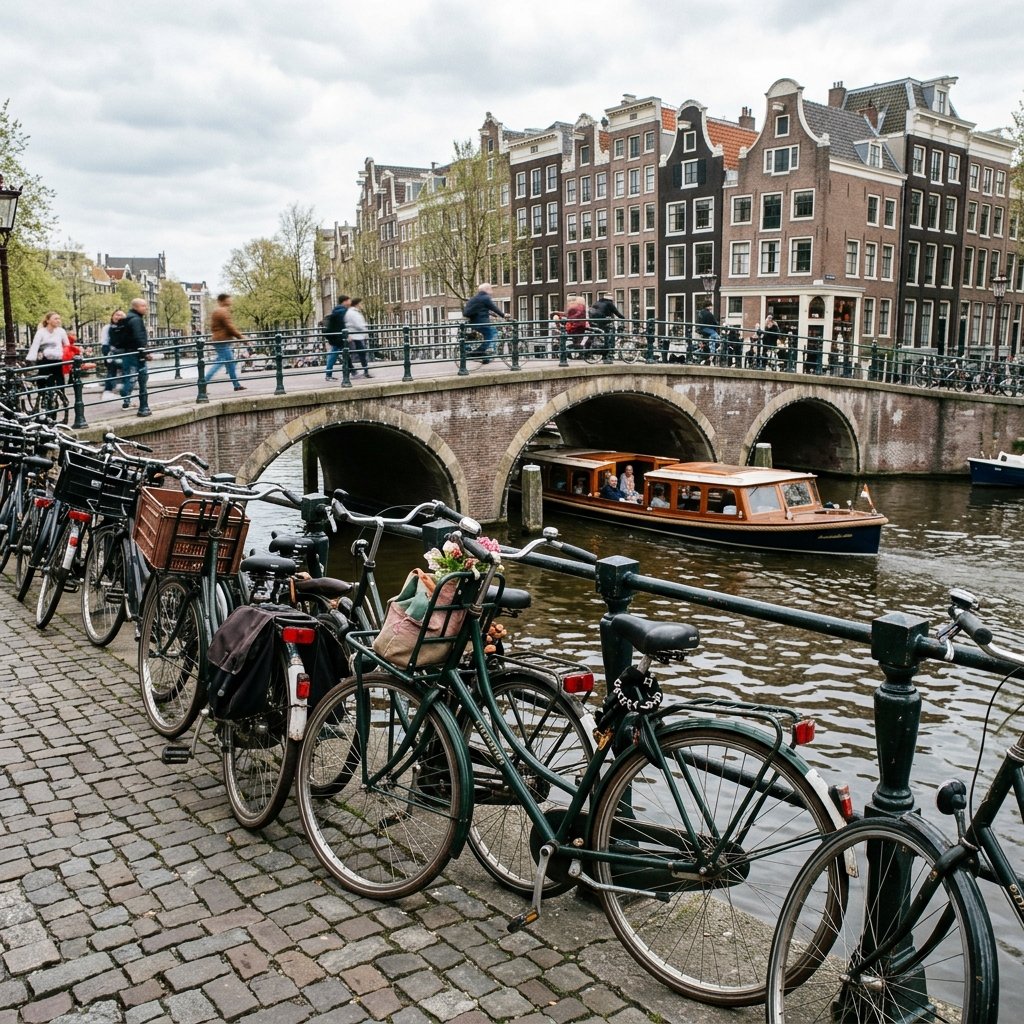
Who has the right of way on Dutch bicycle paths? Cyclists always have the right of way, and walking on designated red bike lanes is dangerous and highly discouraged. When walking along canal bridges in Amsterdam, stay on the narrow sidewalks. Having a reliable internet connection allows you to use 9292 or Google Maps to navigate the intricate ferry and tram connections across canals.
Secure High-Speed 5G Mobile Data in the Netherlands
How to get mobile internet in the Netherlands? Activating a pre-paid **Netherlands eSIM** before you arrive provides instant 5G connectivity on local premium networks like KPN or Odido. A stable network is essential for checking your OVpay trip log, booking train tickets via the NS app, and making contactless mobile payments. KPN offers the most reliable coverage across the country.
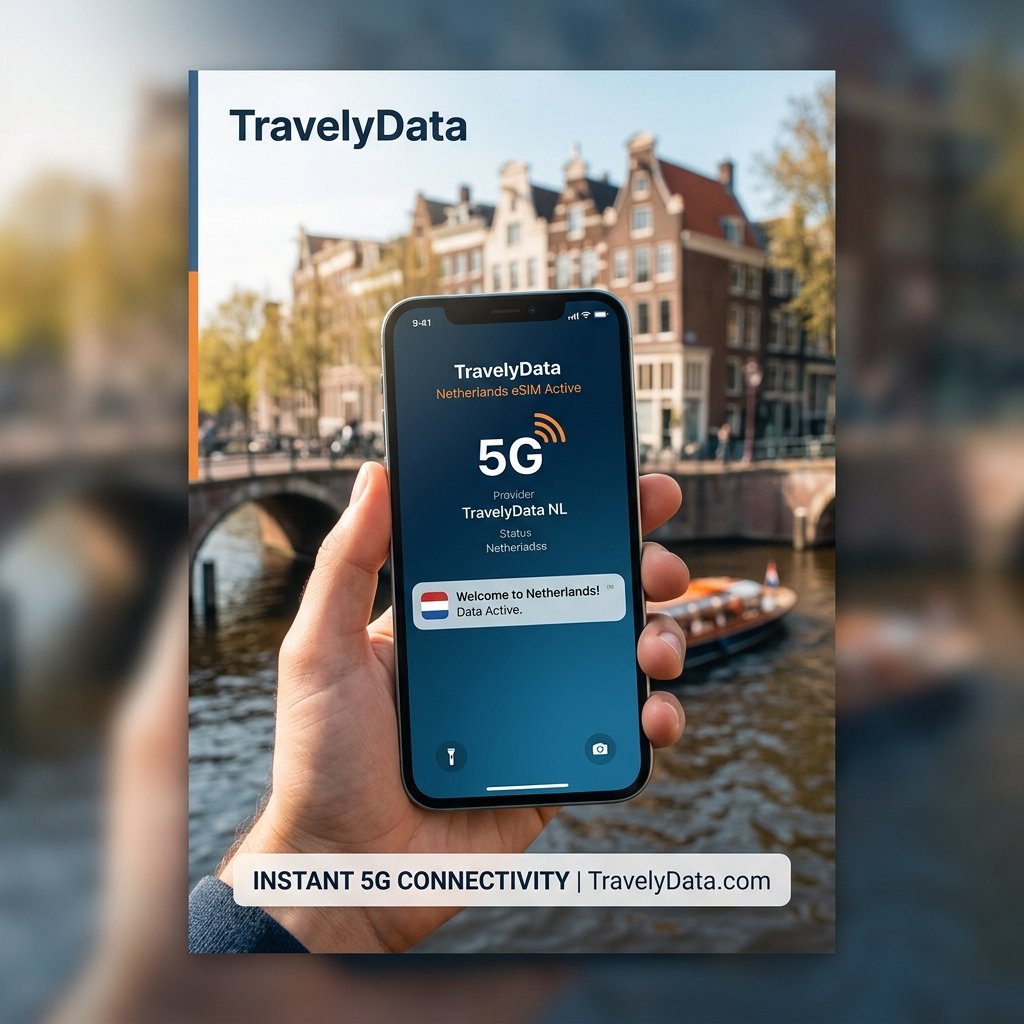
Tested & Verified: During our recent field test in Amsterdam and Utrecht, we activated a Netherlands eSIM on an iPhone 15 Pro. We recorded average download speeds of 88 Mbps on KPN’s 5G network. Contactless payments via Apple Pay worked instantly, and the OVpay app updated our transit log within minutes.
Frequently Asked Questions (FAQ)
How do I claim a refund for a missed OVpay check-out?
You can visit the OVpay website, enter your trip details or the 18-digit reference code from your bank statement, and request a correction after 6 hours.
Does Albert Heijn accept Visa or Mastercard?
Only at selected tourist locations. Most neighborhood Albert Heijn stores only accept Maestro, V-Pay, or Dutch debit cards.
Are cash payments accepted in Dutch public transport?
No, cash is not accepted on buses, trams, or trains. You must pay via OVpay, debit card, or purchase a ticket beforehand.
 Netherlands eSim