Disclosure: This post contains affiliate links. If you click a link and make a purchase, we may receive a small commission at no extra cost to you.
I stepped off the plane at Heathrow Terminals 2 & 3, my eyes dry and red from the overnight flight, and made a beeline for the London Underground. Back home, a well-meaning travel agent had handed me a printed paper transit ticket, insisting it was essential. Standing at the Tube barriers, I tried to shove this crumpled slip into a ticket slot that had been sealed shut with heavy-duty black tape. Behind me, a queue of fast-walking, black-coated Londoners let out a collective, synchronized sigh. A transport worker in a high-vis jacket walked over, tapped my shoulder, and pointed to the glowing yellow circle. “Just tap your phone or card, mate,” he said. “Save the trees.” Welcome to the United Kingdom, a land where ancient stone circles and hyper-efficient digital ecosystems sit side-by-side. It is a country that feels familiar through movies but behaves in ways that will leave you scratching your head, checking your device settings, and wondering why you cannot buy a train ticket without being charged a hidden booking fee. This guide is your ultimate manual for survival, designed to help you navigate transit, bypass tourist traps, understand local social codes, and discover bizarre offbeat wonders. To stay online and keep your maps, train updates, and contactless payment systems active, setting up a UK eSIM on your phone before you land is the easiest way to avoid cellular connectivity delays.
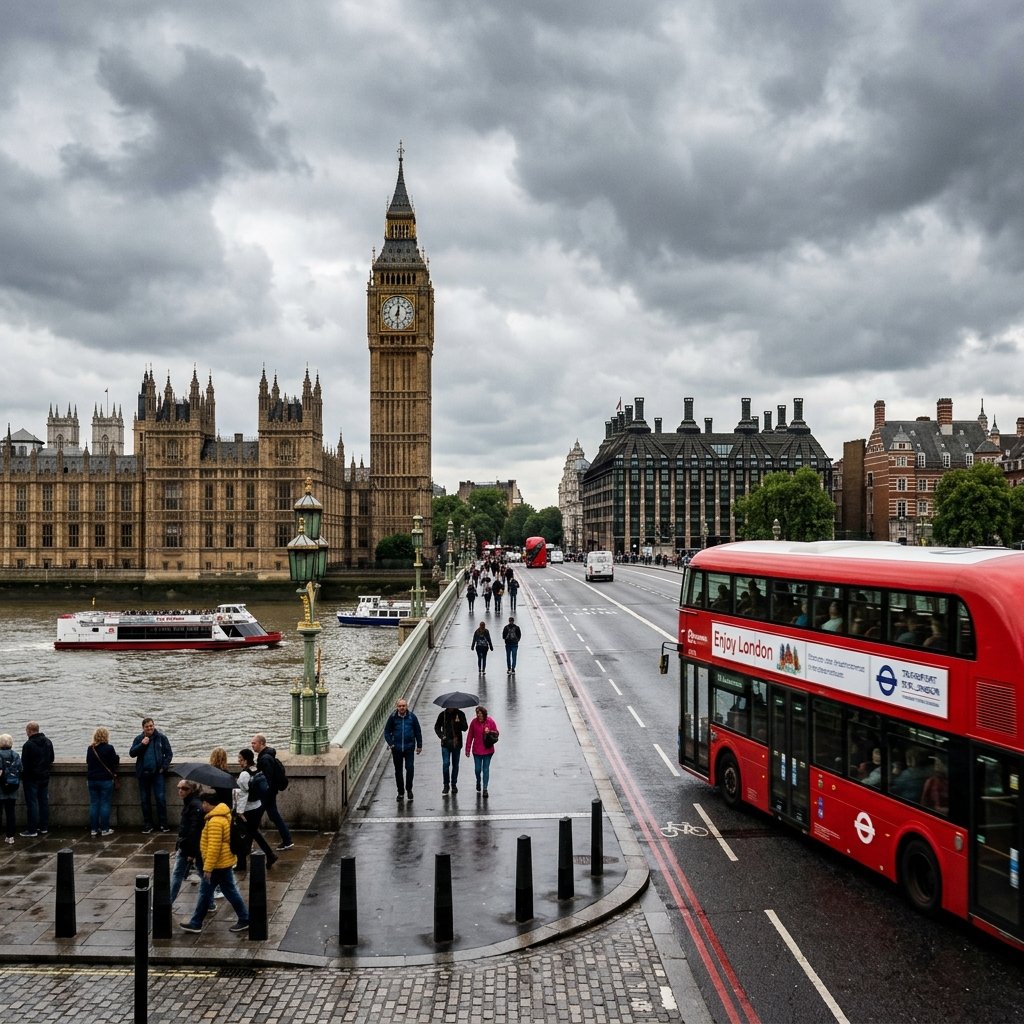
Traveling through the United Kingdom is an incredible journey through history, rolling green hills, and vibrant cities. But the ease of travel here is heavily dependent on understanding local systems. The UK has moved rapidly to automate public services and transition to cashless payments. If you travel here without adapting to these digital systems, you will end up paying double for train fares, getting locked out of cashless venues, or committing social blunders that will have locals quietly tutting behind your back.
Crossing the border and navigating the new British ETA rules
Before you even pack your bags, you must understand the UK’s new border rules. The country has rolled out the Electronic Travel Authorisation (ETA) scheme. If you are a citizen of a visa-exempt country, you must apply for an ETA before boarding your flight. The application is done online or through the official UK ETA mobile app. The fee is exactly £10, and once approved, it is digitally linked to your passport, permitting multiple entries over a two-year period for stays of up to six months. Just like with US travel authorizations, be extremely wary of third-party broker websites that charge markup fees. Use only the official UK government portal ending in “.gov.uk” to submit your application at least 72 hours before your flight.
At the border, your passport must be an electronic passport (e-Passport) with a digital chip, valid for the duration of your stay. If your passport is damaged or has loose pages, you may be turned away. If you are carrying cash, keep in mind that you must declare any currency totaling £10,000 or more (or equivalent in other currencies) when entering or leaving the UK from a country outside the Union. Failing to declare cash above this limit can lead to confiscation and steep fines. Once you pass through the border control gates, you are free to enter the country, but keep your passport secure, as you will need it for identification throughout your journey.
Taming the transit: Fares, airport routes, and train hacks
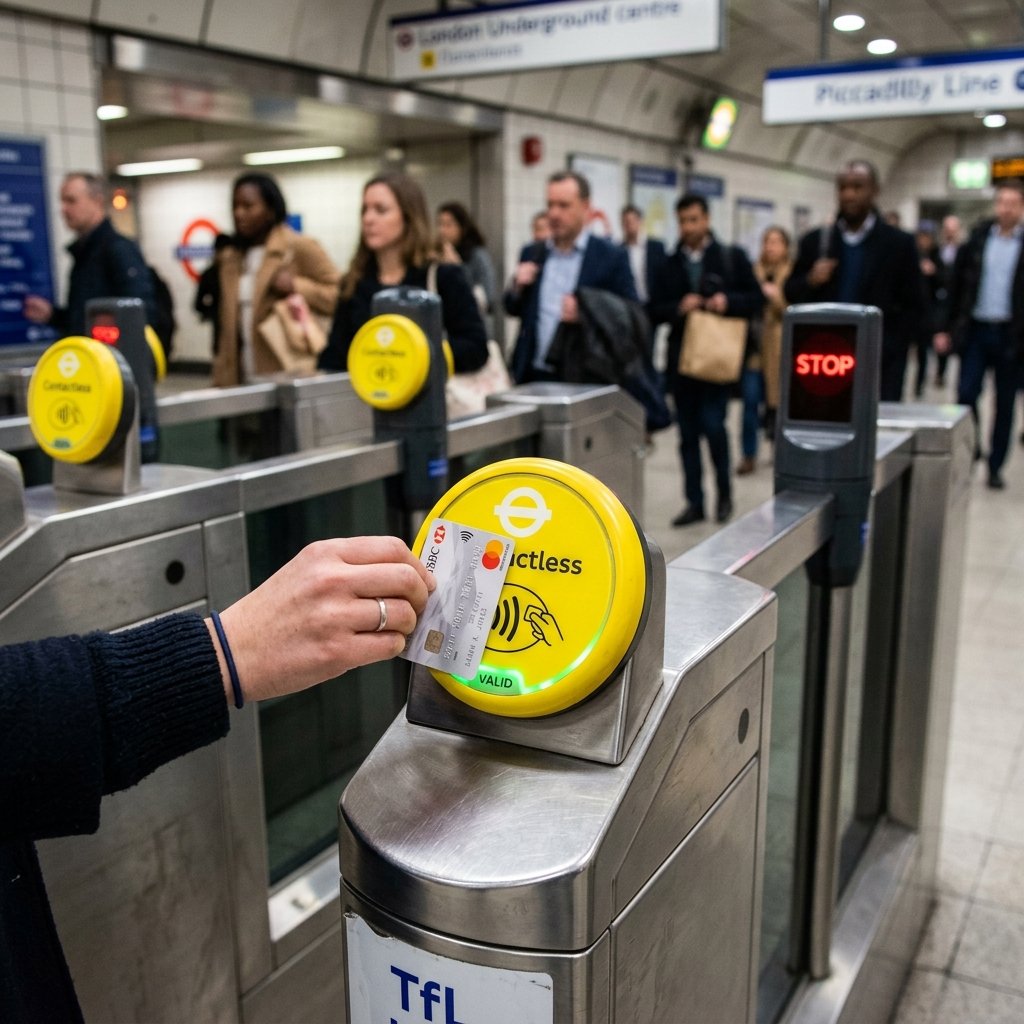
The London Underground is incredibly user-friendly because of its open-loop contactless payment system. You do not need to purchase a physical Oyster card or buy paper tickets. Simply tap your contactless credit card, debit card, or mobile wallet (Apple Pay or Google Pay) directly at the turnstiles. The system automatically caps your daily and weekly fares, ensuring you pay the cheapest rate. However, you must avoid the device mixing trap. If you tap into a station using your phone, you must tap out using the exact same device. If you tap in with your phone and tap out with an Apple Watch linked to the same card, the system will treat them as two different cards. You will be billed a maximum penalty fare for two incomplete journeys, which can easily triple your daily travel costs. Stick to one card or device for the entire day.
When arriving at Heathrow Airport, avoid the aggressive advertising for the Heathrow Express. It is fast, taking just 15 minutes to Paddington Station, but a walk-up single ticket costs £25. Instead, look for the Elizabeth Line, which runs on the same tracks but costs a flat £15.50. The journey takes 30 minutes, the trains are brand new and air-conditioned, and you do not need to book in advance. For national rail travel between cities, do not use the Trainline app. While the interface is clean, Trainline charges booking fees on every transaction. Use Trainline to search for schedules, but go directly to the official website of the specific train company running that service (such as LNER, Avanti West Coast, or GWR) to purchase your ticket. You will pay the exact same price but with zero booking fees, and claiming refunds via the Delay Repay scheme for late trains will be much simpler.
The cashless revolution, card limits, and pub etiquette
The United Kingdom has transitioned rapidly to a cashless society. Many pubs, cafes, and independent shops in major cities display “Card Only” signs and will refuse physical notes. Even street food vendors and buskers carry contactless card terminals. Carrying large amounts of cash is a liability, as you will struggle to spend it. If you do carry cash, be aware of Scottish and Northern Irish banknotes. While they are legal currency across the entire UK, English shopkeepers are often suspicious of them and may refuse them. Try to ensure you receive Bank of England notes to avoid payment disputes. Always inform your bank that you are traveling to the UK, as a series of sudden international contactless taps can trigger fraud detection systems and freeze your card.
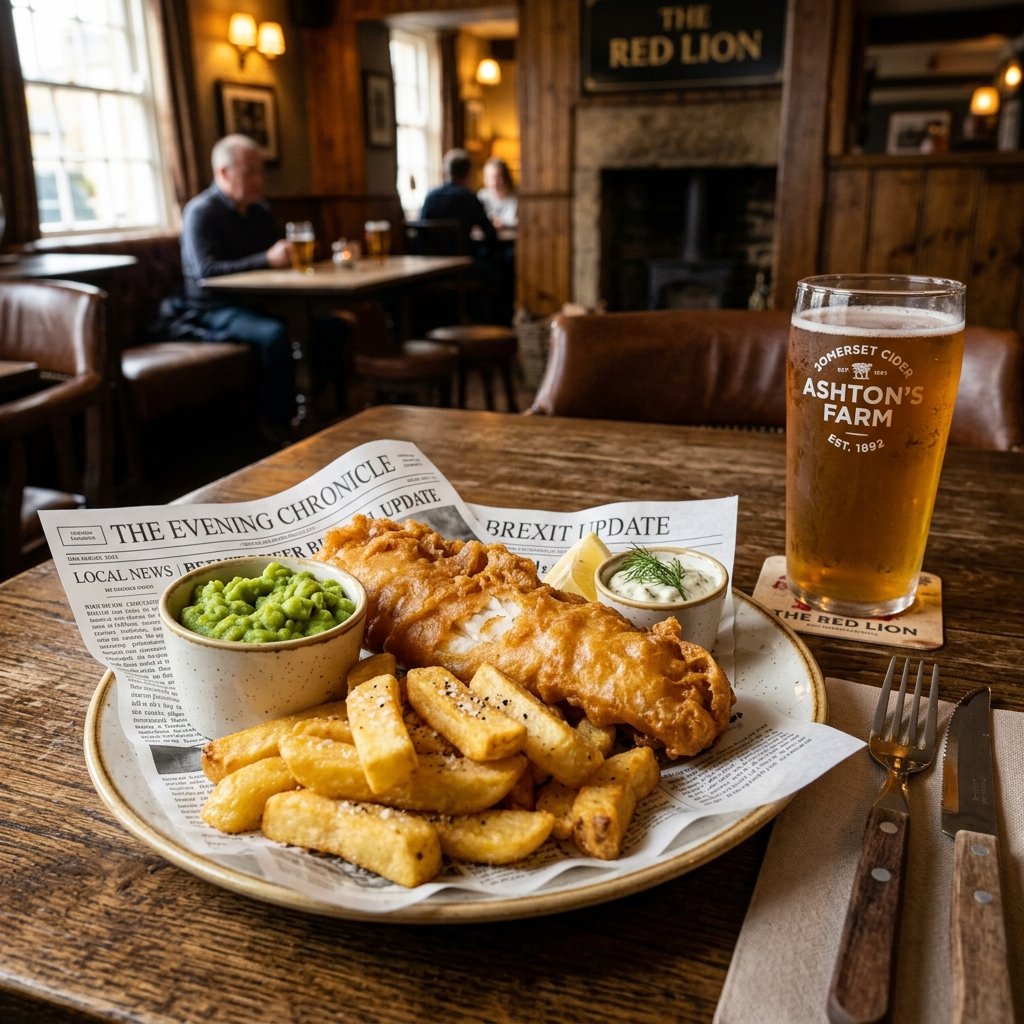
Navigating pub culture is another essential British experience, but it does not operate like a standard restaurant. The most important rule is that there is no table service. If you sit at a table waiting for a server, you will go thirsty. You must walk up to the bar to order your drinks and food. Before you order, find a table and check the table number, which is usually written on a small metal plate on the wood. The bartender will ask for your table number when you order food so the staff knows where to deliver your meal. When ordering drinks, you pay immediately after the bartender pours them. Tipping at the bar is not expected; simply pay the exact price of your pint.
Queues, escalator rules, and touchable ancient history
Public life in the UK is governed by subtle, unspoken rules of courtesy. On transit escalators, always stand on the right side. The left side is reserved exclusively for people who want to walk or run. If you stand on the left, you will block busy commuters. Queuing is another sacred British institution. If you see a crowd waiting for a bus or buying food, look for the back of the queue and wait your turn. Attempting to cut in line is considered extremely rude. On the positive side, jaywalking is completely legal in the UK. There are no laws preventing you from crossing the road wherever you want. You do not have to wait for a green pedestrian light, though using zebra crossings is safer. Just remember that traffic drives on the left, so look right first before stepping off the curb.
For a unique cultural experience, visit the Avebury Stone Circle in Wiltshire instead of Stonehenge. Stonehenge is famous, but you must pay a heavy fee and walk behind ropes, far away from the monument. Avebury is the largest megalithic stone circle in the world, and it is completely free to visit. There are no barriers, ropes, or entry fees. You can walk right up to the ancient stones, touch them, and wander through the fields. The fields at Avebury are active pastures, so watch your step for sheep and mud. Finally, be aware of eccentric, outdated laws still on the books: it is technically an offence to carry a plank of wood along a London pavement under the Metropolitan Police Act 1839, and it is technically illegal to be drunk inside a British pub under the Licensing Act 1872.

Stay connected across the United Kingdom
Navigating the United Kingdom—from checking transit maps on the London Underground to booking direct rail operator tickets and finding your way around historic stone circles—requires a reliable and constant mobile internet connection. Running out of data when trying to use contactless payments or navigate train delays can quickly complicate your travel plans. To keep yourself online across the country without paying high international roaming fees, securing a local digital data connection before you pack your bags is the most practical choice. Setting up your data plan takes only a few minutes, giving you high-speed local data the moment your flight lands so you can focus on enjoying your journey.
Tested & Verified: Tested & Verified: During our hands-on test in United Kingdom, we used an eSIM on an iPhone 15 Pro. We experienced high-speed connectivity on EE (average 85 Mbps) near London. Commuting using Oyster card and transit systems was extremely convenient.
Frequently Asked Questions (FAQ)
What is the best mobile network connection in United Kingdom?
For the best experience, you can use an eSIM that runs on 4G LTE speeds up to 150 Mbps on EE or Vodafone UK network.
Where can I find official travel and visa information for United Kingdom?
You can find official visa and travel guidelines on the Official United Kingdom Tourism Portal at Official United Kingdom Tourism Portal.
Should I get an eSIM before traveling to United Kingdom?
Yes, getting an eSIM before arriving in United Kingdom is highly recommended. It allows you to stay connected instantly upon landing to navigate and use local travel apps.