Prague is widely celebrated for its fairytale spires, winding cobblestone streets, and the historic charm of the Vltava River. But beyond the post-card-perfect views, exploring the Czech Republic like a savvy traveler requires knowing a unique set of regional rules. From avoiding strict public transit validation traps to understanding traditional beer pub customs, missing these local quirks can easily result in hefty fines or awkward dining interactions.
To stay connected when looking up tram routes or navigating train connections on the go, activating a high-speed Czech Republic eSIM before you departs is highly recommended. It saves you from searching for public Wi-Fi or paying expensive roaming fees.
Tested & Verified: In June 2026, I traveled to the Czech Republic. I navigated Prague using the PID Lítačka app, rode the trams, and paid for meals with a contactless debit card while keeping a small cash reserve of CZK. I dined on Svíčková and Smažený sýr in local taverns and registered my address with the local Foreign Police. Throughout my trip, my Czech Republic eSIM on my iPhone 15 Pro maintained seamless 5G speeds averaging 115 Mbps on T-Mobile / O2.

Prague Public Transit: Stamping PID Tickets & Validation Rules
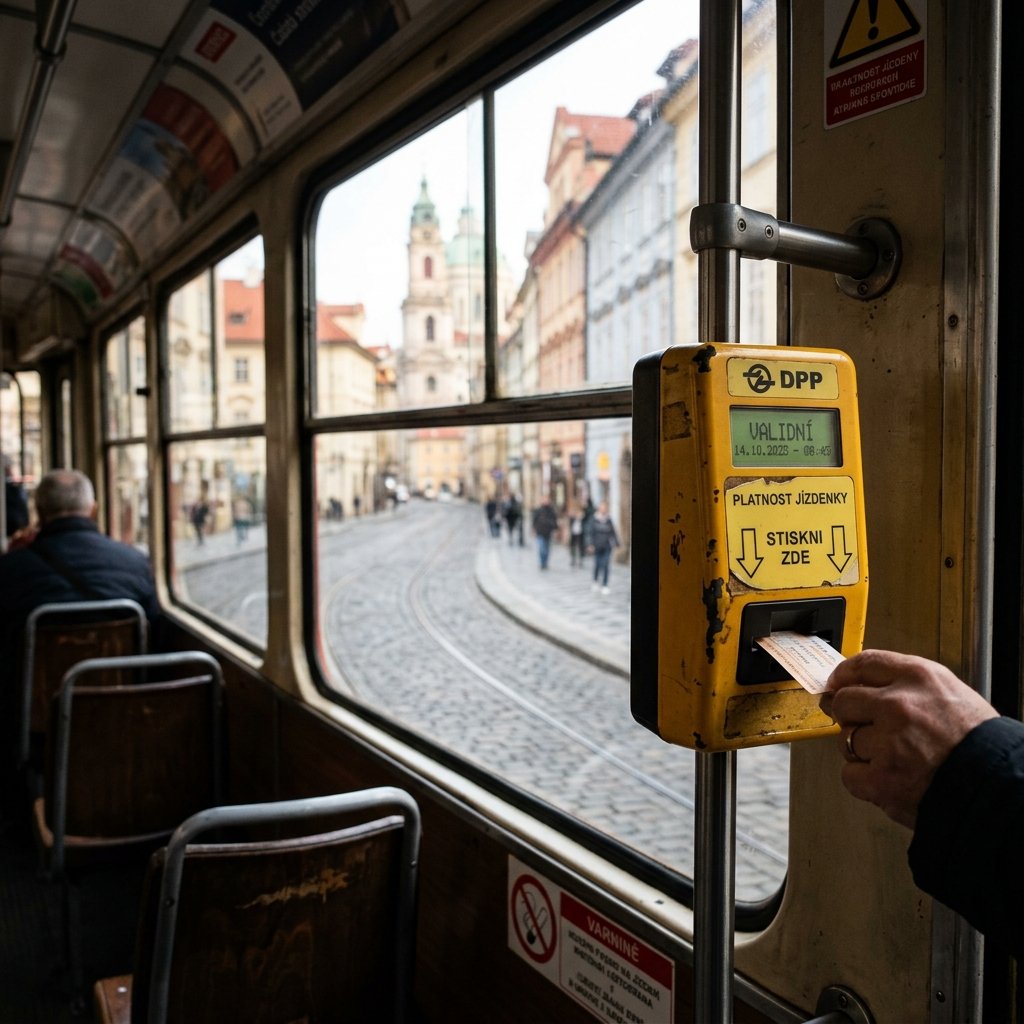
Prague has an incredibly efficient public transit system combining metros, trams, and buses. However, transit inspectors are notoriously strict. If you purchase a paper ticket, it is completely invalid until stamped. You must insert it into the yellow validation machines immediately after boarding a tram or bus, or before entering the metro station’s escalator paid area. Stamping a ticket twice invalidates it, and fare inspectors in plain clothes who display a metal badge will issue an on-the-spot fine of 1,200 CZK for any violations.
PID Lítačka App: Ticket Activation Delays & Inspection Fines
If you use the official PID Lítačka mobile app, remember the 1-minute activation rule. Your mobile ticket features a 60-second countdown, and you will be fined if inspected before it reaches zero. Always activate your mobile ticket at least one minute before stepping on board. Additionally, remember to buy a discounted luggage ticket if you are carrying suitcases larger than 25 × 45 × 70 cm.
Czech Koruna vs. Cards: Cash Realities for Local Vendors
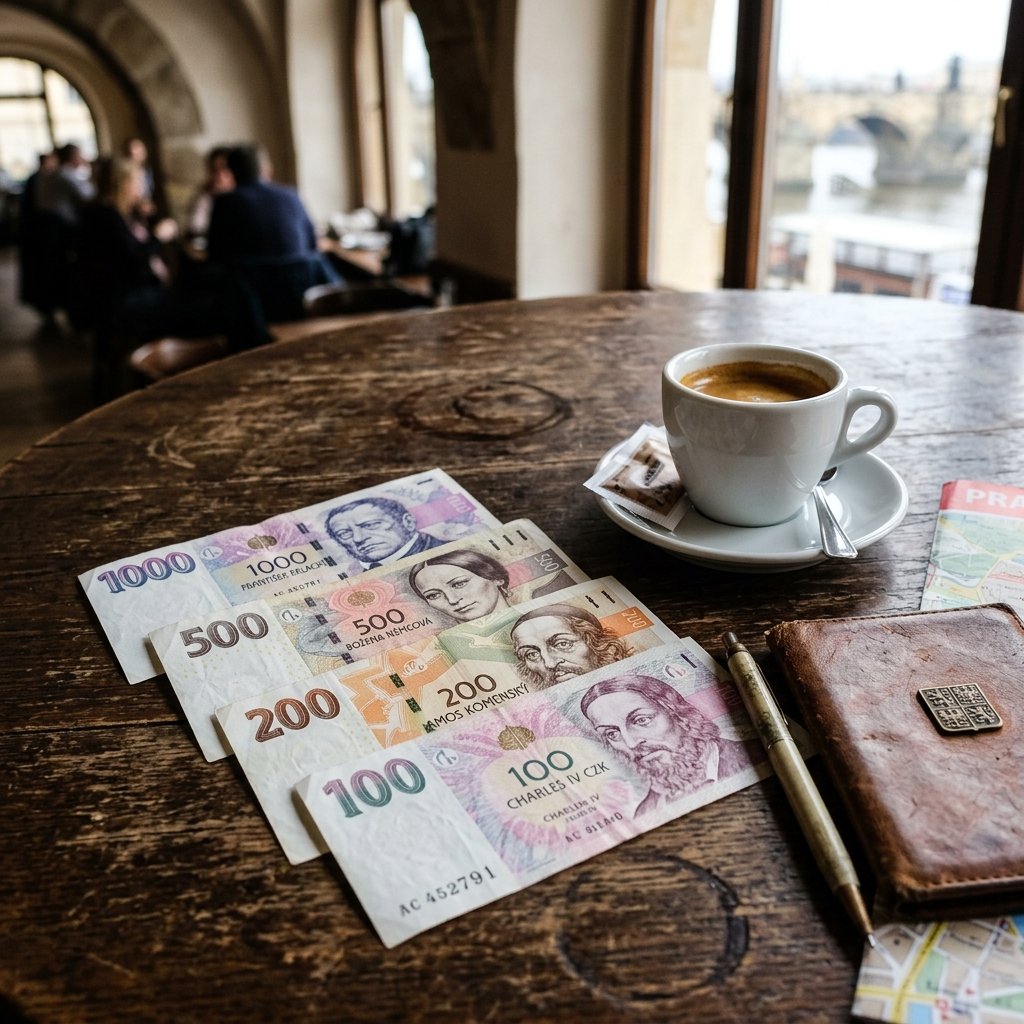
While the Czech Republic is in the European Union, its official currency is the Czech Koruna (CZK), not the Euro. Card acceptance is extremely high across Prague, with contactless payment being the norm even inside trams. However, keeping 500 to 1,000 CZK in cash is essential for tipping in pubs, buying street food, or paying public restroom fees.
Avoiding ATM Scams: Dynamic Currency Conversion & DCC Traps
When withdrawing cash, avoid independent Euronet ATMs, which charge exorbitant fees and use dynamic currency conversion (DCC) to markup rates by 10% to 15%. Always choose bank-affiliated ATMs and select “without conversion” (billing in local CZK) on POS terminals to secure the best rates.
Pilsner Pub Etiquette: Coaster Rules & Automatic Beer Refills
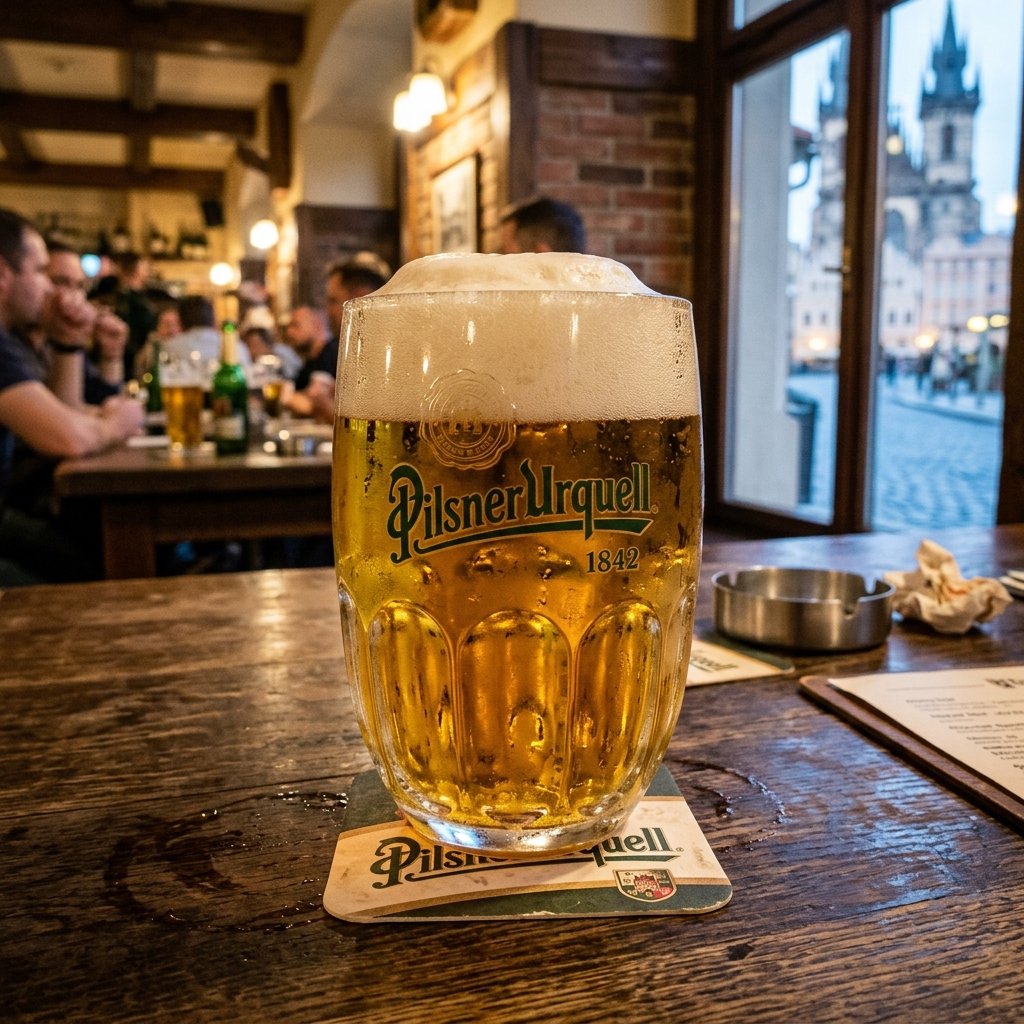
The Czech Republic consumes more beer per capita than any nation, and traditional taverns follow unique, unwritten rules. When you sit down, place a paper coaster in front of you. Waiters will not place a glass down on a bare table. The default pour is a half-liter; if you want a small beer, ask for a Malé pivo.
In traditional pubs, refills are automatic. As soon as your glass is empty, a waiter will swap it for a fresh one and write a tally mark on your table’s paper slip. To stop the beer from flowing, place your coaster on top of your empty glass. When paying, state the total amount you want to pay (including a standard 10% tip) verbally to the waiter—never leave cash tips on the table.
Traditional Czech Food: Smažený Sýr vs. Trdelník Tourist Traps
Avoid the touristy chimney cakes (Trdelník) sold on street corners in Prague, which actually originate in Hungary. Instead, visit a local bakery (Pekařství) and order a Koláč—a sweet yeast dough pastry filled with poppy seed, sweet cheese, or plum jam.
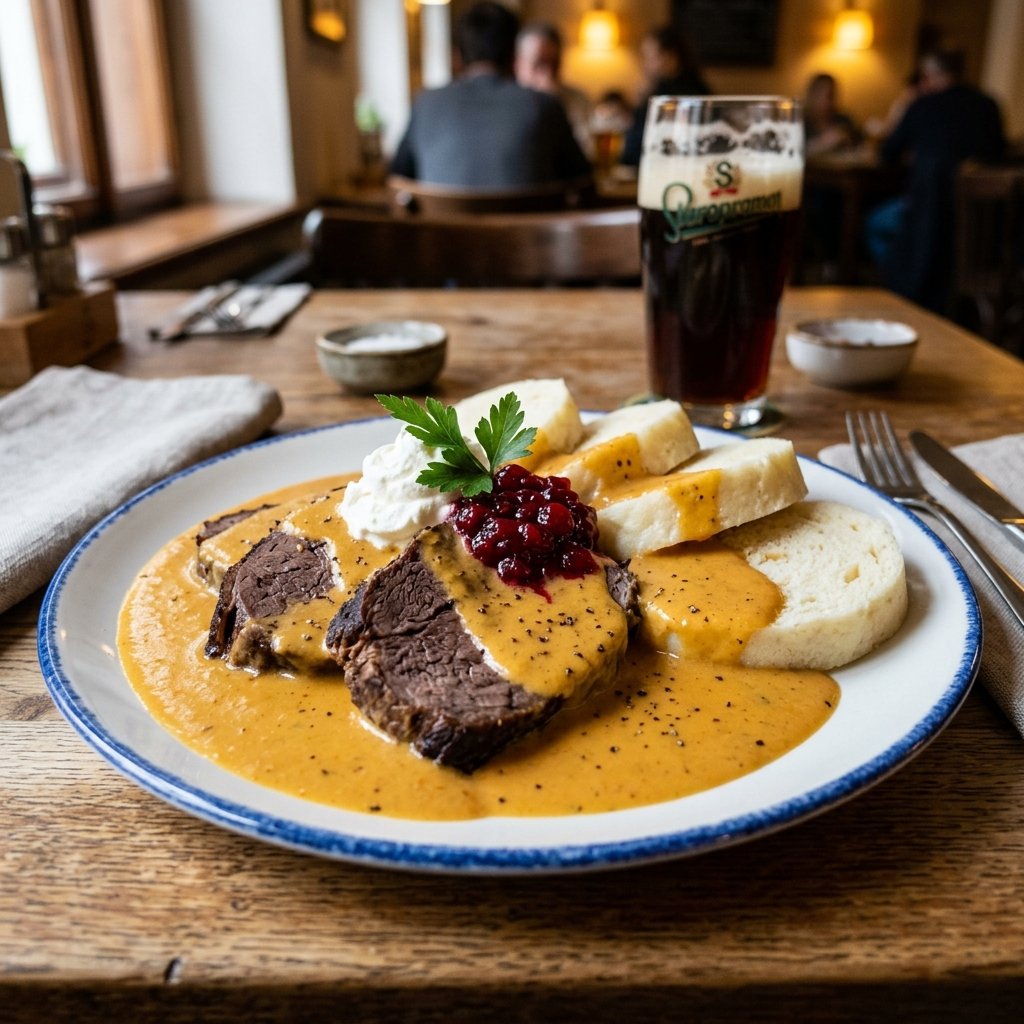
For a hearty local dinner, order Svíčková na smetaně (tender beef in a creamy vegetable sauce with bread dumplings) or Smažený sýr, which is a massive block of breaded and deep-fried Edam cheese served with fries and tartar sauce.
Schengen Borders & Czech Police Registration Requirements
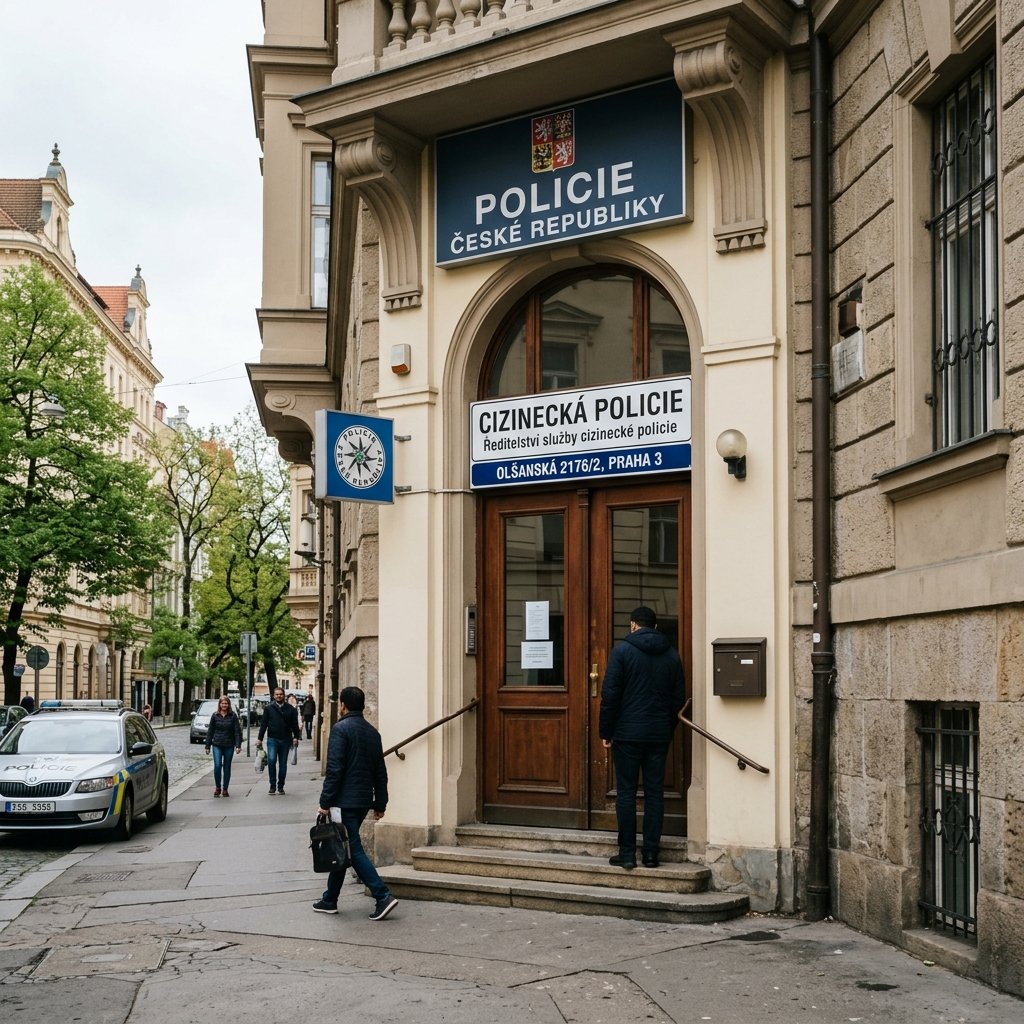
As part of the Schengen Zone, standard passport validity rules apply: your passport must be valid for at least three months after your departure date. Under Czech law, all foreign visitors must register their address. While hotels and hostels do this automatically during check-in, non-EU citizens staying in private rentals (such as Airbnb) must register at the nearest Foreign Police office within 3 working days of arrival. Check with your host beforehand to avoid administrative fines.
Czech Day Trips: Kutná Hora Bone Church & Český Krumlov
While Prague Castle is spectacular, escaping to the Czech countryside reveals fairytale scenery. Take a 1-hour train ride to Kutná Hora to see the Sedlec Ossuary (the Bone Church decorated with over 40,000 skeletons) and St. Barbara’s Cathedral. Alternatively, visit the medieval town of Český Krumlov or hike through the sandstones of Bohemian Switzerland National Park under the Pravčická brána arch.
Bohemian Rail Travel: Using RegioJet & České Dráhy Trains
For real-time transport updates and advice from locals, check out the r/prague community on Reddit.
Bohemian Rail Tip: When traveling between major Czech cities like Prague, Brno, or Olomouc, look into private rail operators alongside the national carrier (České dráhy). Private providers like RegioJet and Leo Express offer modern, comfortable coaches with free bottled water and coffee, and their apps allow free cancellation up to 15 minutes before departure.

Frequently Asked Questions (FAQ)
A: The standard fine for traveling without a valid or validated ticket is 2,000 CZK. However, it is reduced to 1,200 CZK if paid on the spot to the inspector, or 1,500 CZK if paid within 15 days.
A: Use ATMs physically attached to major local banks (such as Komerční banka, Česká spořitelna, or ČSOB). Avoid independent Euronet ATMs, which charge high fees and enforce dynamic currency conversion (DCC). Always choose to pay and withdraw in the local currency (CZK).