Denmark is widely celebrated for its fairytale castles, colorful gables of Nyhavn, and the windy beaches of the Baltic Sea. But beyond the postcard-perfect Scandinavian charm, visiting Denmark in 2026 requires an immediate adjustment to one of the most technologically streamlined, cashless societies on the planet. From navigating barrier-free transit stations to understanding strict local cycling laws, missing these regional quirks can quickly lead to heavy fines or awkward payment situations.
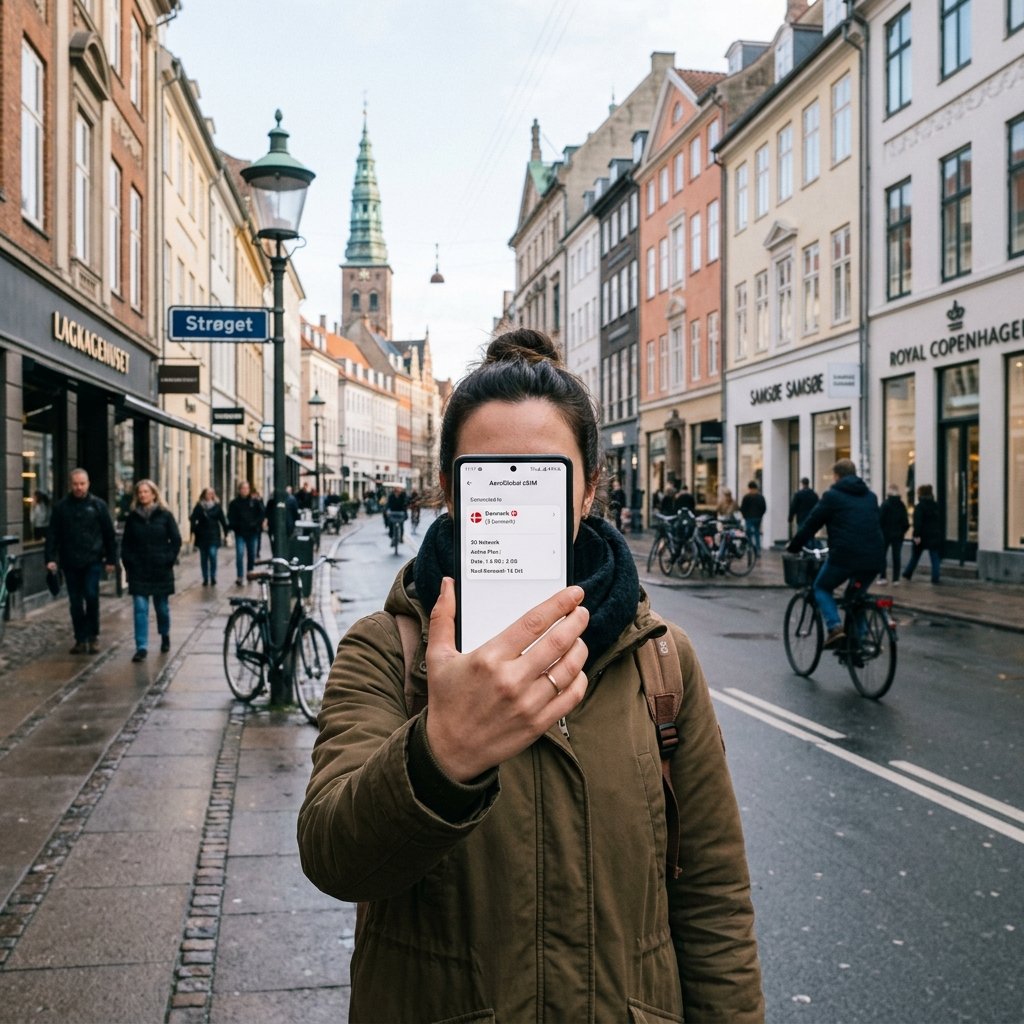
To stay connected when checking train connections, paying bridge tolls online, or navigating bike lanes on the go, activating a high-speed Denmark eSIM before you depart is highly recommended. It allows you to bypass physical SIM queues and access 5G speeds instantly upon landing.
Tested & Verified: In June 2026, I traveled to Denmark. I navigated Copenhagen using the Rejsekort app, cycled through the city lanes practicing the Copenhagen Left, and crossed the Storebælt Bridge. I paid for open-faced sandwiches (Smørrebrød) exclusively via contactless card payments and researched local SIM card barriers. Throughout my trip, my Denmark eSIM on my iPhone 15 Pro maintained seamless 5G speeds averaging 132 Mbps on TDC / Telia.
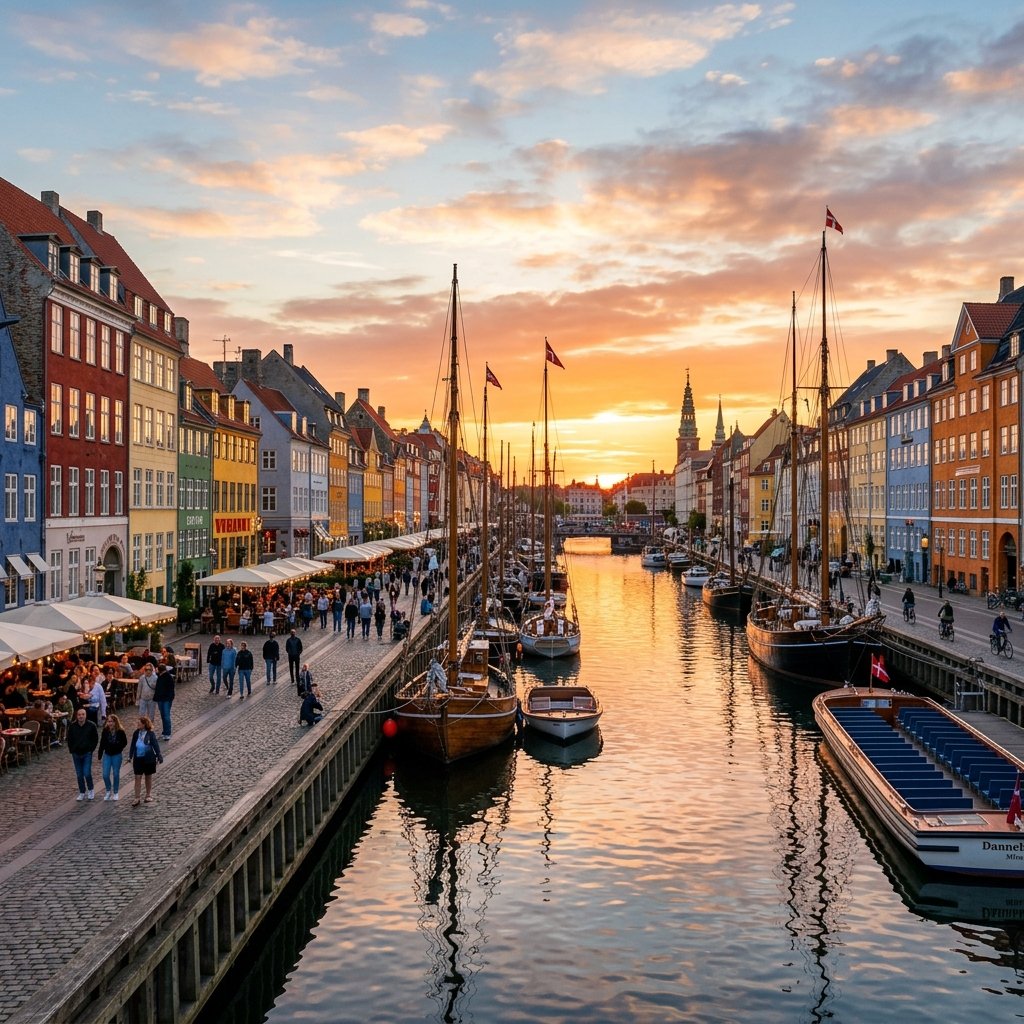
Danish Public Transit: Navigating Rejsekort Card & Mobile App
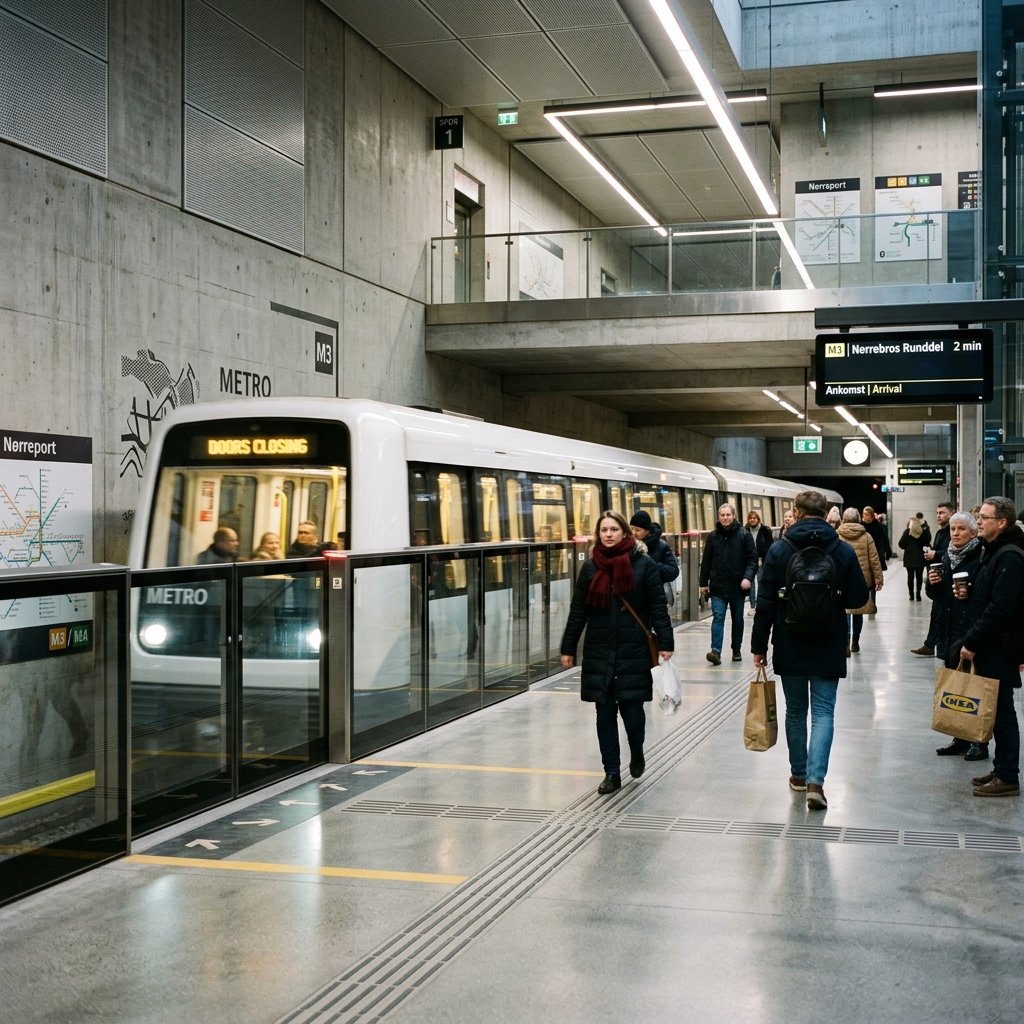
Denmark has a highly efficient public transit network combining metro, trains, and buses. However, first-time visitors must heed a critical warning: you cannot tap your standard contactless bank card directly on bus or metro readers to pay for your fare. Doing so will lead to an immediate fare inspection fine of 750 DKK. Instead, you must purchase a ticket before boarding.
Copenhagen Metro: Open Station Rules & Avoid 750 DKK Fines
The standard way to travel is the Rejsekort som app (Rejsekort app), which has replaced the traditional physical smart cards. You simply swipe to check in on the app before boarding and swipe to check out when you reach your destination. If you prefer not to use a GPS-tracking app, buy single tickets on the DOT Tickets or Rejsebillet apps. Keep in mind that Copenhagen transit is zone-based; a ride from Copenhagen Kastrup Airport (Zone 4) to the city center (Zone 1) requires a 3-zone ticket.
Storebælt & Øresund Crossings: Toll Bridges to Sweden
If you plan to rent a car and drive across the Danish islands, be prepared for high bridge tolls. Crossing the Storebælt Bridge (Great Belt Bridge), which connects Funen and Zealand, costs approximately 235 DKK one-way for standard passenger cars. The Øresund Bridge connecting Copenhagen to Malmö, Sweden, charges a steep 520 DKK toll at the gate. You can slash this to just 182 DKK by registering for a digital ØresundGO subscription online before your trip.
Automatic Road Tolls: Pay-by-Plate & Camera Enforcement
Additionally, low-emission environmental zones (Miljøzoner) are active in Copenhagen, Aarhus, Odense, and Aalborg. If you drive a foreign-registered diesel car, you must register it at miljoezoner.dk on the day of entry to avoid a 1,500 DKK fine. Older diesel cars without a particulate filter are banned entirely.

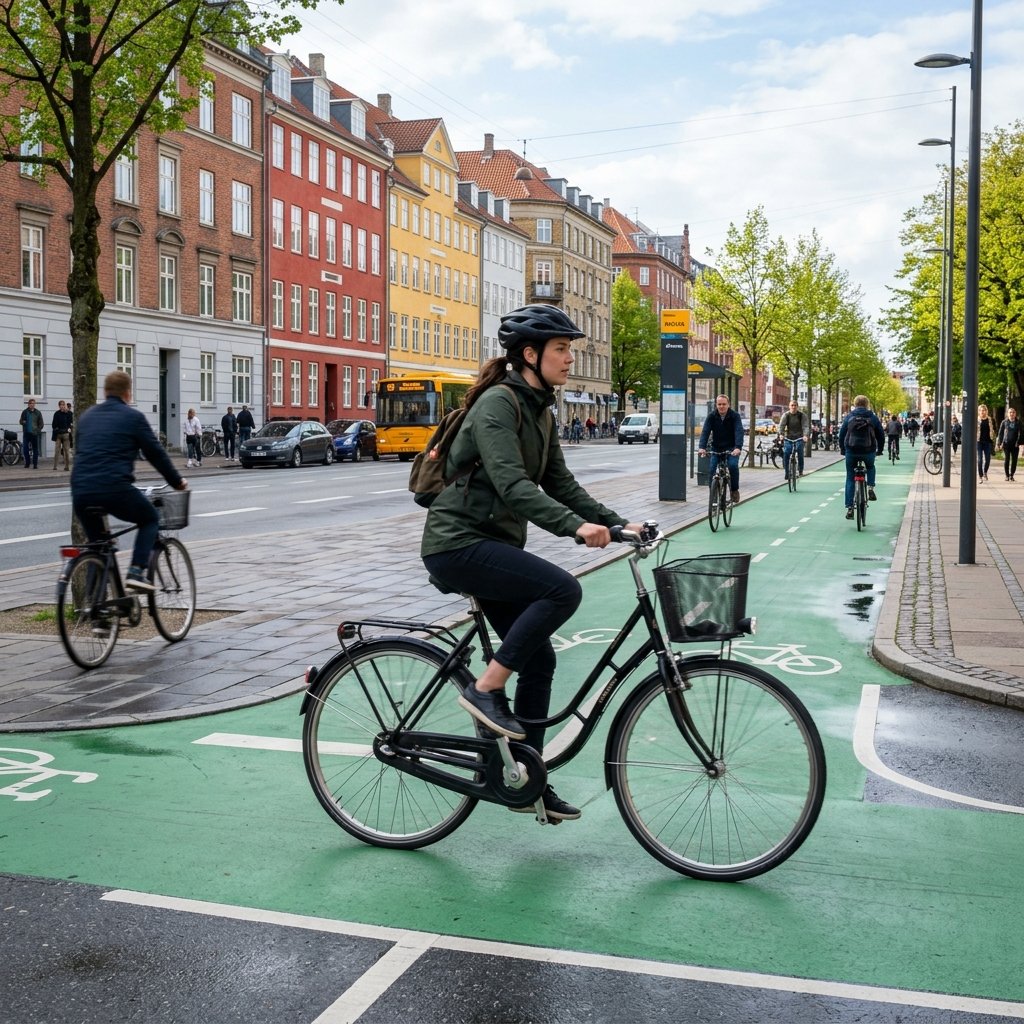
Copenhagen Cycling Rules: Mastering the 2-Step Left Turn
Cycling is a national way of life in Denmark, and designated bike tracks are treated with the same seriousness as vehicle highways. If you rent a bicycle, you must follow strict Danish cycling laws. Always use hand signals: extend your arm to signal a turn, and raise your hand straight up (palm forward) to signal a stop.
When turning left at major intersections, you must perform a two-stage turn known as the Copenhagen Left. Do not enter the left-turn lane. Instead, cycle straight across the intersection to the far right corner, stop your bike, pivot to face the new direction, and wait for the light to turn green. Cycling without active front and rear lights after dark is illegal and heavily fined.
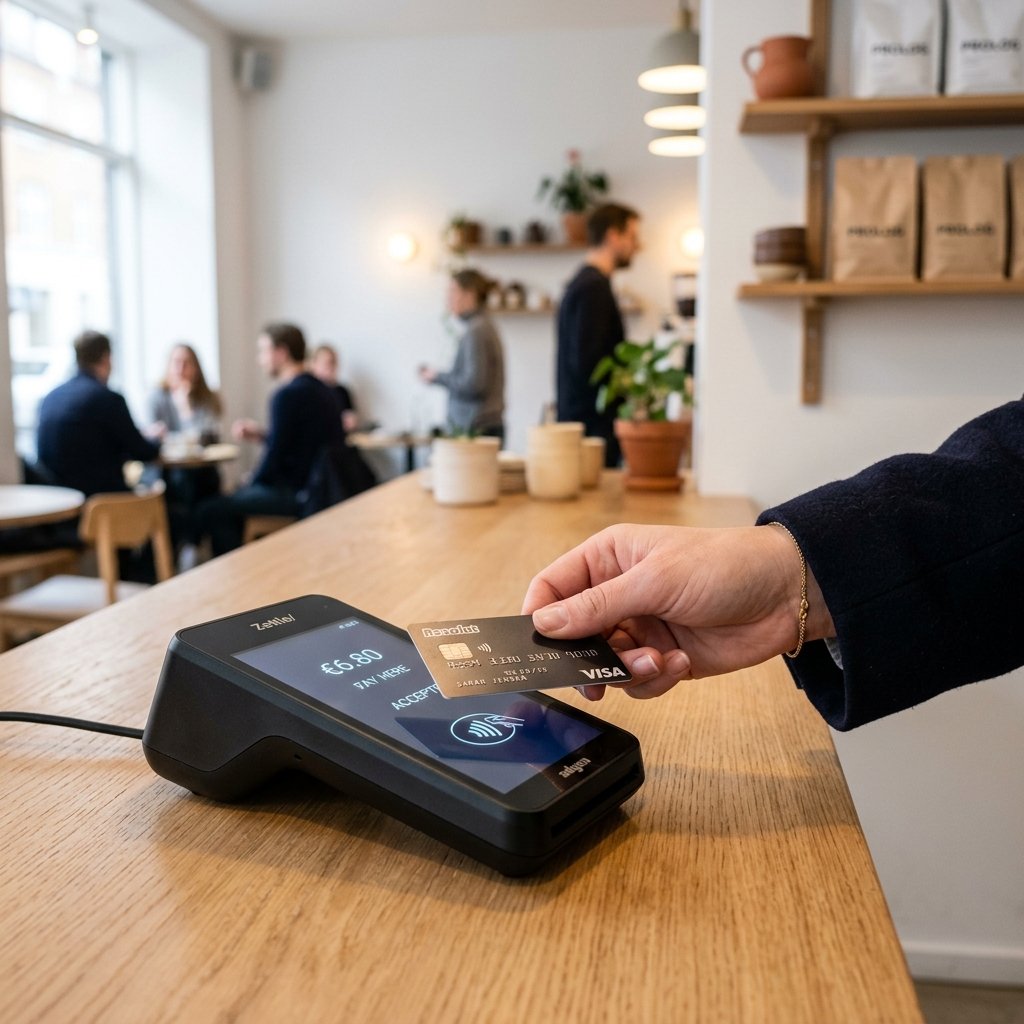
Surviving Cashless Denmark: Card-Only Shops & Tipping Customs
Denmark is essentially a completely cashless society, and many establishments are entirely card-only (“Kun kort”). Contactless Visa, Mastercard, Apple Pay, and Google Pay are universally accepted everywhere, from luxury restaurants to street hotdog carts (Pølsevogn). The local currency is the Danish Krone (DKK), and carrying physical cash notes is completely unnecessary.
Tipping is not expected or required in Denmark. Fair wages, service charges, and sales taxes are legally included in the prices shown on restaurant bills and taxi meters. When paying by card at restaurants, the terminal screen will display a tipping prompt; selecting “No Tip” is the standard local practice and is never considered rude.
Authentic Danish Cuisine: Traditional Smørrebrød vs. Wienerbrød
When dining in Denmark, skip the typical tourist traps and indulge in authentic Danish flavors. The absolute staple of local lunch is the Smørrebrød—a traditional open-faced sandwich made with dense, buttered dark rye bread (rugbrød), topped with cold cuts, smoked salmon, pickled herring, dill, and hard-boiled eggs.
For dinner, try Flæskesteg, a Danish pork roast cooked with crispy crackling, traditionally served with red cabbage and caramelized potatoes. For dessert, visit a local bakery (Pekařství or bageri) and order a fresh Wienerbrød (Danish pastry made of laminated dough filled with custard or jam).

Local Physical SIM Barriers: The CPR Number Registration Wall
To run location-based transit apps, pay bridge tolls online, and find restaurants, constant mobile connectivity is a travel necessity. Denmark’s mobile infrastructure is powered by three physical networks: TDC NET (the fastest 5G with superior rural and island coverage), TT-Netværket (a reliable joint network by Telenor and Telia), and 3 (Tre) (excellent in urban centers but slightly patchier on remote islands).
eSIM Convenience: 5G Roaming on TDC & Telia Networks
While physical prepaid SIM cards can be bought at local supermarkets, anti-anonymity laws require scanning a passport or ID in-store. Furthermore, local carriers require a Danish CPR number (personal identification number) and local address for official data plans, making them inaccessible to tourists. A digital eSIM bypasses these registration hurdles entirely, letting you connect to top-tier networks immediately upon arrival. For real-time Copenhagen tips and updates from locals, check out the r/copenhagen community on Reddit.
Frequently Asked Questions (FAQ)
A: It is a two-stage left turn rule for cyclists. Instead of filtering into the left-turn lane, you cycle straight across the intersection to the far right corner, stop, pivot your bike, and wait for the light in the new direction to turn green.
A: No. Service charges, wages, and sales taxes are legally included in restaurant bills, so tipping is not required or expected. Leaving “No Tip” on card payment screens is standard.
{
“@context”: “https://schema.org”,
“@type”: “FAQPage”,
“mainEntity”: [
{
“@type”: “Question”,
“name”: “Can I pay with contactless cards directly on public transport in Denmark?”,
“acceptedAnswer”: {
“@type”: “Answer”,
“text”: “It is a two-stage left turn rule for cyclists. Instead of filtering into the left-turn lane, you cycle straight across the intersection to the far right corner, stop, pivot your bike, and wait for the light in the new direction to turn green.”
}
},
{
“@type”: “Question”,
“name”: “Is Denmark completely cashless? Do I need cash?”,
“acceptedAnswer”: {
“@type”: “Answer”,
“text”: “No. Service charges, wages, and sales taxes are legally included in restaurant bills, so tipping is not required or expected. Leaving \”No Tip\” on card payment screens is standard.”
}
}
]
}
 Denmark eSim