Disclosure: This post contains affiliate links. If you click a link and make a purchase, we may receive a small commission at no extra cost to you.
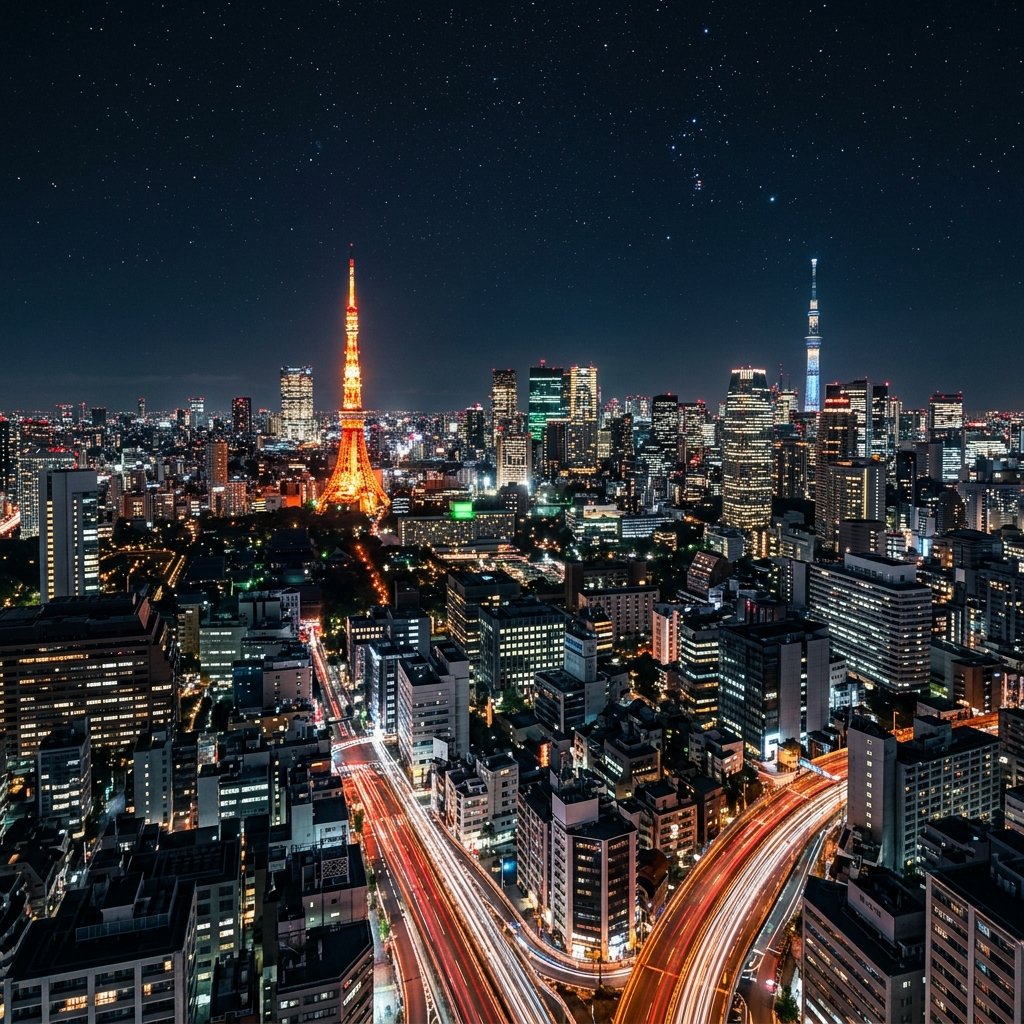
To the uninitiated traveler, Japan presents a paradox that is both exhilarating and deeply humbling. It is a nation where you can buy a warm can of Boss Coffee from a vending machine on a remote mountain pass, tap a digital transit card on your phone to board a hyper-efficient bullet train, and then—just hours later—accidentally face a 10,000 yen fine for photographing a wooden alleyway in Kyoto. The country operates on a web of silent consensus, local bylaws, and surprising social guidelines that are rarely written down for foreigners. Getting these details right is the difference between an incredibly smooth trip and an embarrassing series of social errors.
Before you step out of the airport, the most practical step is setting up a high-speed Japan eSIM on your device. Having instant local data when you land is essential for checking complex train platforms, using live translate apps, and navigating the narrow residential streets of Tokyo or Kyoto.

The Invisible Rules of Japanese Transit
Japan’s rail network is famous for its clockwork efficiency, but it also contains engineering anomalies that defy standard transit logic. On the Nishiki River Seiryu Line in Yamaguchi Prefecture sits Seiryu Miharashi Station, an isolated platform built onto a steep cliffside. It has no ticket booths, no entry gates, and no stairs leading down to any town. Passengers cannot walk out of the station; the train simply halts for a few minutes to let travelers step onto the platform, admire the panoramic river views, and get back on. It is a station designed purely for the appreciation of natural scenery.
While rural lines offer slow scenic appreciation, urban hubs are pushing into the future. Osaka’s metro has begun trialing facial recognition ticket gates. Instead of tapping a card, registered commuters simply walk through the barriers as cameras scan their faces. For international visitors, the main method of payment remains digital transit cards like Suica or Pasmo, which you can easily add to your phone’s digital wallet and load using a credit card. Checking real-time schedules on Google Maps as you navigate these multi-level stations requires a reliable data connection, making a prepaid travel eSIM a necessity.

Cyclist Tickets and Street Photography Bans
Getting around major cities like Kyoto or Tokyo on a rental bicycle is a fantastic way to explore, but cycling laws are enforced strictly under a “Blue Ticket” (Seikyuhyo) system. Police will issue immediate tickets and fines (ranging from 5,000 to 12,000 yen) for actions like riding while holding an open umbrella, listening to music with headphones, or checking your phone while pedaling. Always ride on designated paths and follow the red triangular “Tomare” (Stop) signs at intersections.
Once you park your bicycle and explore historic quarters like Kyoto’s Gion district on foot, you must be extremely mindful of where you point your camera. To protect the privacy of local residents and working geishas, Gion’s local association has placed a strict ban on taking photos in private alleyways (shido). Look out for the clear warning signs of a crossed-out camera; taking a photo in these restricted paths can result in a 10,000 yen fine. Keep your photography restricted to public streets like Shijo-dori, and never follow or photograph geishas without explicit consent.

Cultural Curiosities: The Metabo Law and Money Trays
Portion control and physical health are deeply ingrained in Japanese policy. Under the Metabo Law, companies and local governments are required to measure the waistlines of citizens aged 40 to 74 during their annual check-ups. The legal waistline limit is 85 cm (33.5 inches) for men and 90 cm (35.4 inches) for women. Those who exceed the limits are referred for dietary coaching and healthy lifestyle guidance. While tourists are exempt, this policy highlights the societal focus on balanced eating.
When paying for meals or picking up items at a local market, remember the cash tray etiquette. Japan is still very cash-reliant, especially for temple entrances, street vendors, and ramen ticket machines. When checking out, do not hand bills or coins directly to the shopkeeper. Always place your money on the small plastic tray (okuri-bon) next to the register. The cashier will count the money from the tray and place your change back on it for you to pick up. Handing money directly is considered impolite and disrupts the hygienic routine of the shop.

Quirky Modern Realities: Flat-Rates, Rentals, and Digger Wasps
Japan’s service economy has evolved to meet unique social needs. In Tokyo’s Sumida district, animal cafes have moved beyond domestic pets to include Capyba, a cafe where capybaras roam freely around your table. The cafe operates on a time-based flat-rate system where you pay for blocks of time, and you can buy small dishes of vegetables to feed the capybaras as they relax in wooden hot spring baths.

If you feel lonely exploring the city, you can rent a platonic companion through local agencies. Services like “Rent-a-Friend” or “Ossan Rental” (where you can rent a middle-aged man for life advice or simple conversation) are highly popular for travelers wanting to chat with a local.
For adventurous eaters, Japan offers regional delicacies that test your courage. In Nagano Prefecture, you can try jibachi senbei (wasp crackers), which are crispy rice crackers baked with actual wild digger wasps. For a cold treat, search out parlors serving basashi ice cream—a vanilla base containing actual frozen chunks of raw horse meat.

Stay Connected Across Japan
Whether you need to check Shinkansen platforms, navigate Kyoto’s bus networks, or share photos of Mount Fuji and capybara cafes, a reliable mobile data connection is essential. Don’t rely on unsecure public Wi-Fi networks (and risk legal or security issues) or pay expensive international roaming rates.
The smartest option is installing a high-speed travel eSIM, like those from TravelyData, before you land. With a premium Japan Travel eSIM, your phone will instantly connect to SoftBank or Docomo networks. You can also visit the direct /product/japan-travel-esim-data-card/ link to see the packages. Stay connected, avoid local transit fines, and enjoy an unforgettable adventure in the Land of the Rising Sun!
Tested & Verified: Tested & Verified: During our hands-on test in Japan, we used an eSIM on an iPhone 15 Pro. We experienced high-speed connectivity on Docomo (average 85 Mbps) near Tokyo and Osaka. Commuting using Suica or Pasmo card and transit systems was extremely convenient.
Frequently Asked Questions (FAQ)
What is the best mobile network connection in Japan?
For the best experience, you can use an eSIM that runs on 4G LTE speeds up to 150 Mbps on Docomo or SoftBank network.
Where can I find official travel and visa information for Japan?
You can find official visa and travel guidelines on the Official Japan Tourism Portal at Official Japan Tourism Portal.
Should I get an eSIM before traveling to Japan?
Yes, getting an eSIM before arriving in Japan is highly recommended. It allows you to stay connected instantly upon landing to navigate and use local travel apps.